Apple and the Comeback That Made Focus Visible
Apple's late-1990s recovery worked because the brand promise, product simplification, direct selling, and iMac proof all pointed at the same idea.
Archive Status
The operating-brand side of The Brand Archive: current companies, continuing brand systems, live strategic resets, and unresolved status-watch files.
Active Brands collects Brand Archive cases where the brand, company, platform, product system, or parent organization is still operating, continuing, or unresolved.
Active does not mean every case is positive. It means the underlying brand system is still operating, continuing, or being actively resolved. These files are best compared by current decision pressure rather than obituary logic.
Apple's late-1990s recovery worked because the brand promise, product simplification, direct selling, and iMac proof all pointed at the same idea.
Samsung's Galaxy Fold delay turned an embarrassing pre-launch failure into a stronger category-entry decision: pause, fix the weak points, and let the product carry the future.
Dell's direct model made the brand promise operational: sell direct, build to order, move inventory fast, and let customer configuration become the point.
BP's Helios and Beyond Petroleum identity made an energy-transition promise visible before the company could make the operating reality stable enough to protect it.
BP's acquisition of Veba Oel could have erased Aral in Germany. Instead, BP converted its own German stations to Aral and let local recognition lead the retail architecture.
Chevron's Power of Human Energy campaign tried to turn energy debate into a human problem, but the same warmth exposed the trust gap around fossil-fuel reputation advertising.
Andersen Consulting's forced rename looked awkward in 2001, but Accenture became a rare positive naming case when distance from Arthur Andersen turned into a strategic asset.
Caterpillar's brand strength is not only the Cat logo. It is the way yellow machines, job-site visibility, dealer service, and parts support turn industrial durability into a visible operating promise.
Pfizer's COVID-19 vaccine role made a pharmaceutical company suddenly visible to everyday life, turning scientific proof, regulatory confidence, and distribution scale into brand signals.
Mayo Clinic's brand strength comes from making institutional trust operational: patient-first language, integrated specialists, research, education, and referral memory working as one system.
Cyberpunk 2077 damaged CD Projekt Red's fan-trust advantage at launch, then became a recovery case through refunds, public patch work, next-gen repair, Update 2.0, Phantom Liberty, and durable sales.
Facebook's parent-company rename to Meta was meant to shift the strategic frame toward the metaverse, but the brand story kept colliding with product readiness, ad-engine dependence, trust baggage, and Reality Labs losses.
Mastercard's move to a wordless symbol worked because the interlocking circles had already accumulated enough global payment memory to carry acceptance, trust, and network recognition on their own.
LafargeHolcim's return to the Holcim name simplified a merger-era corporate identity while reframing the group around building materials, building solutions, and lower-carbon construction.
Red Bull did not build only an energy drink. It built a category, then wrapped the product in sampling, events, athletes, media, and broadcastable proof of the promise.
IKEA turned low-price furniture into a whole operating system: showroom route, catalog memory, flat-pack logistics, self-service pickup, customer assembly, and food as part of the trip.
Maersk's shift toward integrated logistics shows how a B2B infrastructure brand can turn visibility, reliability, handoff discipline, and decarbonization proof into brand meaning.
John Deere's right-to-repair fight shows how durable equipment trust changes when machines become software-controlled, dealer-serviced, and legally contested at the moment farmers need uptime most.
The 737 MAX crisis showed how an aerospace brand built on invisible safety can be damaged when design assumptions, certification oversight, production pressure, training, and quality control become public evidence.
Patagonia's ownership transfer made purpose harder to treat as campaign language, turning repair, anti-consumption, environmental funding, and governance into one brand system.
Michelin turned a tire-demand problem into a travel authority system, using maps, road guides, anonymous inspection, and restaurant stars to make movement itself carry the brand.
Hermes shows how luxury trust is built by refusing speed: craft capacity, repairability, family control, store relationships, and controlled distribution make scarcity feel governed rather than merely withheld.
eBay's breakthrough was not only putting auctions online. It made stranger-to-stranger commerce feel governable by turning reputation into a visible operating layer.
Marriott's Starwood acquisition made loyalty architecture a brand decision: three programs, dozens of hotel flags, elite memory, points, apps, and member trust had to move into one system.
Guinness turned time into a brand asset: the 9,000-year lease, the two-part pour, the 119.5-second wait, dark visual codes, quality control, and advertising memory all taught drinkers that patience was part of the product.
Shopify turned an online-store tool into commerce infrastructure: storefronts, checkout, payments, POS, apps, APIs, inventory, shipping, and ecosystem incentives all made merchant independence feel operational instead of inspirational.
Toyota's brand strength was built through production discipline: just-in-time flow, jidoka, continuous improvement, supplier learning, quality response, and the customer belief that reliability was not accidental.
Uber did more than digitize taxi ordering. It trained riders to expect live location, ETA certainty, cashless payment, and post-trip accountability as part of ordinary city transport.
Zara did not win on logo drama or campaign mythology alone. It made speed, turnover, and tightly edited assortment feel like the product customers were really buying.
Qualcomm did not stay hidden as mobile infrastructure. Through Snapdragon, it turned invisible chip capability into something consumers, OEMs, and developers could feel as a premium signal.
YouTube did not only build a video platform. It built a creator economy, then had to govern monetization, recommendations, safety, and disclosure tightly enough to keep the system trusted.
WeWork did not fail because office space was meaningless. It failed because the narrative, governance, and growth logic outran the underlying economics.
Xerox won so completely in copying that the market started using the name as the category. The strategic problem became protecting the trademark without losing the cultural advantage.
FedEx did not win by moving boxes alone. It turned time-definite delivery and package visibility into a promise the market could measure.
Vicks shows how a healthcare brand can localize without drama: German-speaking markets use WICK, preserving the product family while making the name feel locally legible.
Gap's 2010 redesign became a reference case because the failure was not visual taste alone. It was a break in recognition, memory, and control.
The redesign case sits at the center of recognition equity: when the asset is visual memory, improvement starts by protecting what shoppers already know.
The product test measured preference. The market response revealed ownership, ritual, and identity sitting underneath the formula decision.
The comeback required more than a new campaign. It required distribution restraint, symbol control, and a clearer boundary around the check.
The brand entered a quiet category by making contrast the asset, then kept the joke disciplined enough to survive scale.
The fair-and-square pricing reset changed the customer contract faster than the business could rebuild trust around it.
The rebrand attempted to turn a marketplace into a shared symbol, making the logo carry community, trust, and category ambition.
The failed Qwikster split showed that brand architecture can break when it follows internal strategy while making the customer job harder.
The rebrand removed one of the rare consumer internet marks that had become language, not only a logo.
The Kendall Jenner protest ad collapsed because it borrowed the visual language of social struggle without earning the moral or cultural context behind it.
The turnaround was less a reinvention than a return to the structure that made the system valuable.
The recovery decision converted criticism into a public operating reset, making accountability part of the brand signal.
Kodak's digital-camera story is not a simple tale of invention being ignored. It is a failure to move the business model as fast as the technology moved the market.
The famous vacuum line is often treated as a translation failure. The better lesson is about how slogan folklore can outlive the campaign itself.
Pepsi's 2023 visual identity update shows a brand trying to recover heritage while still performing modernity.
Kia's 2021 identity showed how a bold mobility rebrand can create a readability tax when the mark becomes too stylized for first-contact recognition.
Old Spice did not escape old-brand perception by denying age. It used comic confidence to make inherited masculinity feel newly performative.
After Wii U blurred the product idea, Switch made the proposition physical, visible, and easy to repeat: one device that moved with the player.
The launch worked because the brand did not sell only cheaper blades. It made the buying model itself feel like the joke and the relief.
Hyundai's Portugal naming adaptation is a good-fix case: keep the strategic naming logic, change the local name before the collision owns the launch.
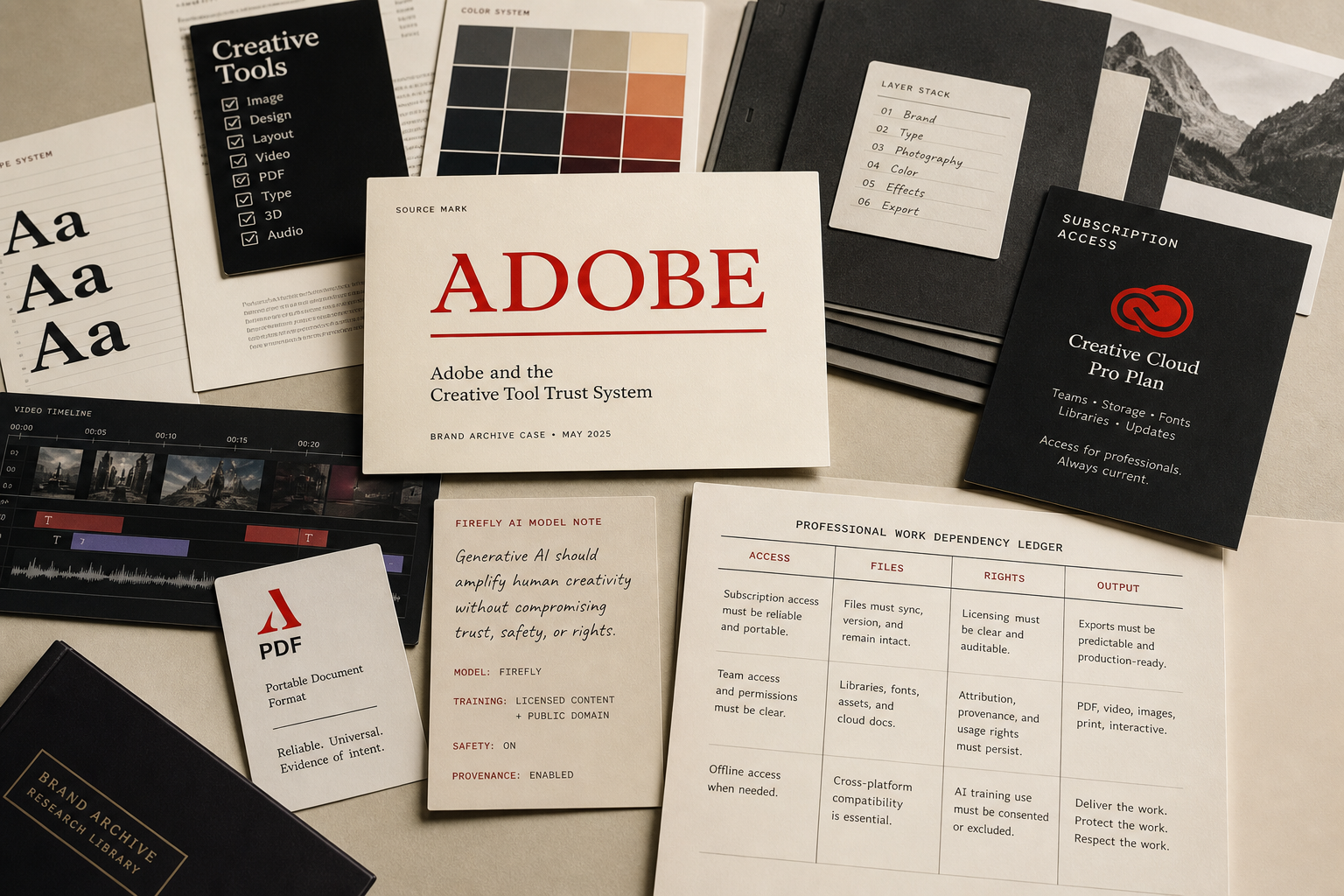
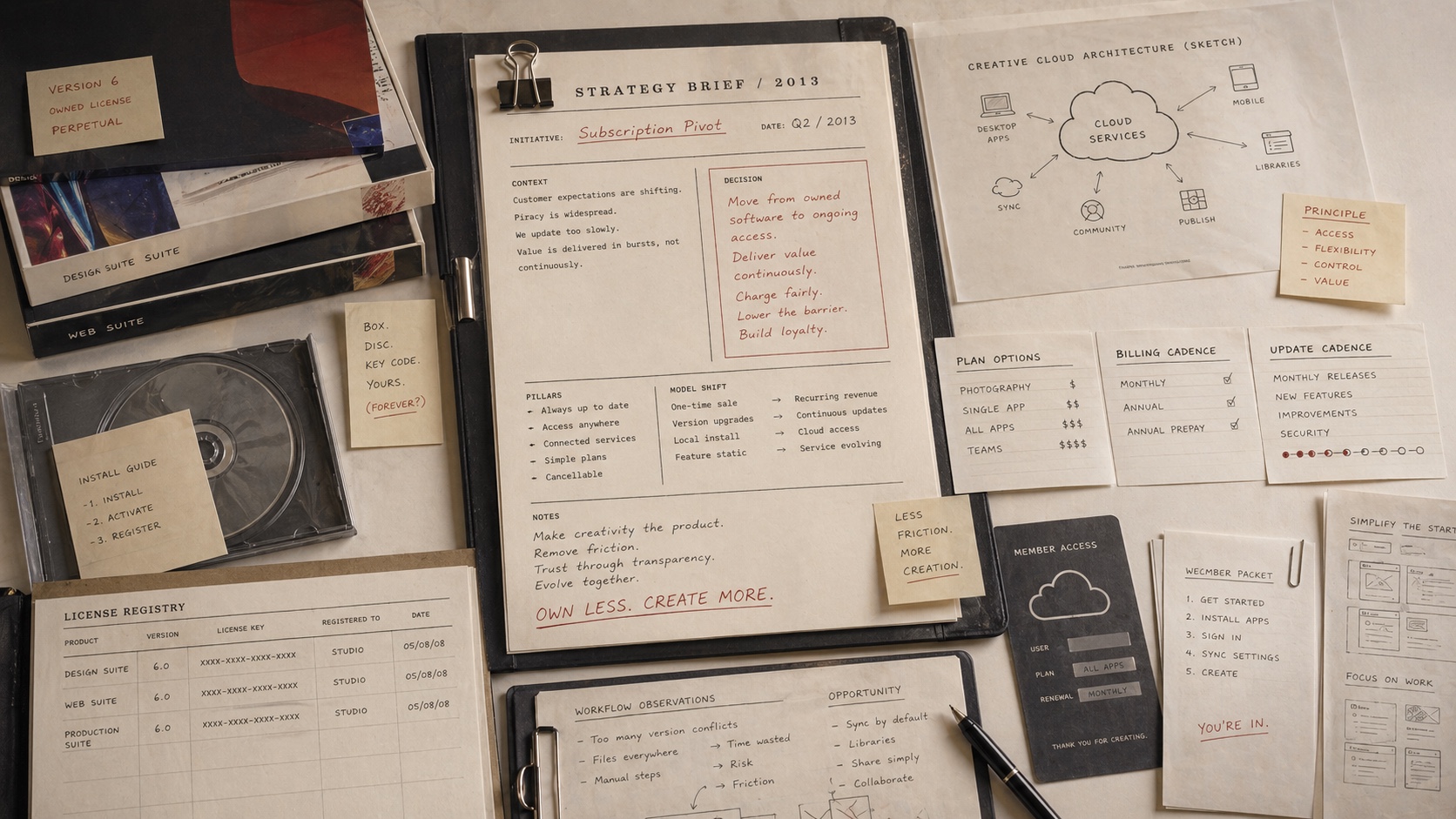
Adobe's move from Creative Suite to Creative Cloud turned a product sale into an ongoing service relationship, creating backlash and durable strategic control.
The passenger-removal crisis showed how quickly a policy decision becomes a brand disaster when procedure overrides human judgment in public.
The Pinto case became a permanent warning about what happens when safety risk, recall pressure, litigation, and public narrative collapse into one brand memory.
Instagram's 2016 redesign was mocked at launch, but the gradient icon later became one of the clearest examples of a risky identity change becoming normal.
Mitsubishi's global SUV naming shows the quiet version of smart localization: keep the vehicle, adapt the name, and avoid making the joke the product.
Qwikster was announced as a DVD-by-mail separation, then abandoned weeks later because the new name made a customer-architecture problem impossible to ignore.
RadioShack had deep retail memory, but memory could not save a store format that no longer matched how people bought electronics.
Starbucks removed the words from its logo only after the siren had accumulated enough global recognition to carry the brand alone.
Volkswagen's emissions scandal turned a technical compliance violation into a global trust disaster because the brand promise itself had been clean engineering.
Wii U had real ideas inside it, but the product name and proposition never became as instantly legible as the Wii before it or the Switch after it.
Yahoo's sale to Verizon marked the end of a once-defining internet brand as an independent operating company.
Zoom's pandemic surge created a trust crisis, then forced the company to make security and privacy a visible part of the brand.
GEICO turned a low-interest insurance quote into a mass-memory system by pairing a direct-response savings promise with humor, character assets, repetition, and format-native advertising.
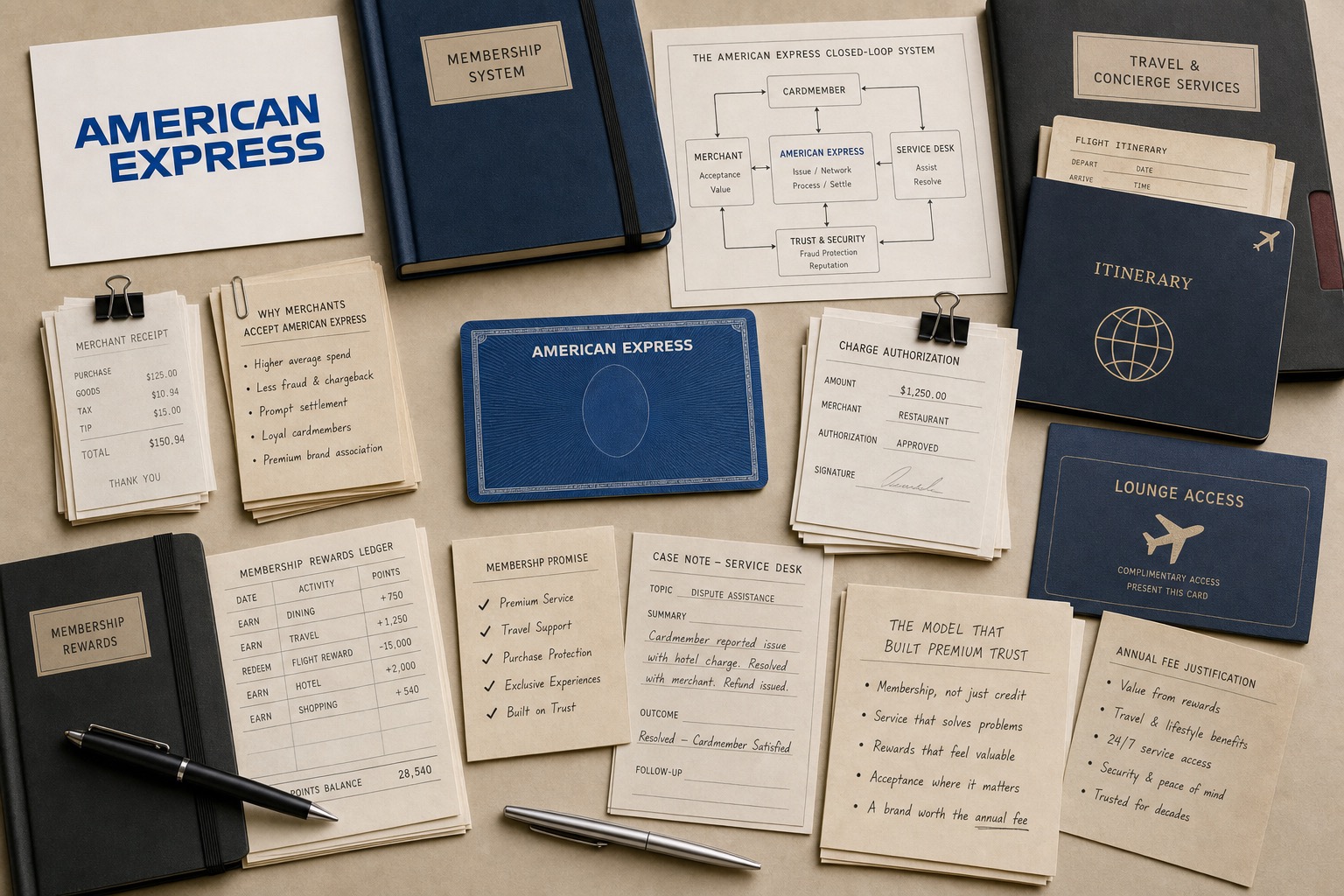
American Express turned a payment card into a membership and service system: cardmember identity, merchant acceptance, travel support, rewards, dispute help, and premium trust working as one brand promise.
McDonald's made fast food into a repeatable brand system by combining a simplified menu, service speed, franchise standards, operations training, site discipline, and product consistency.
TSMC made an invisible B2B manufacturing role publicly meaningful by turning customer neutrality, process leadership, yield learning, capacity discipline, and supply-chain reliability into brand trust.
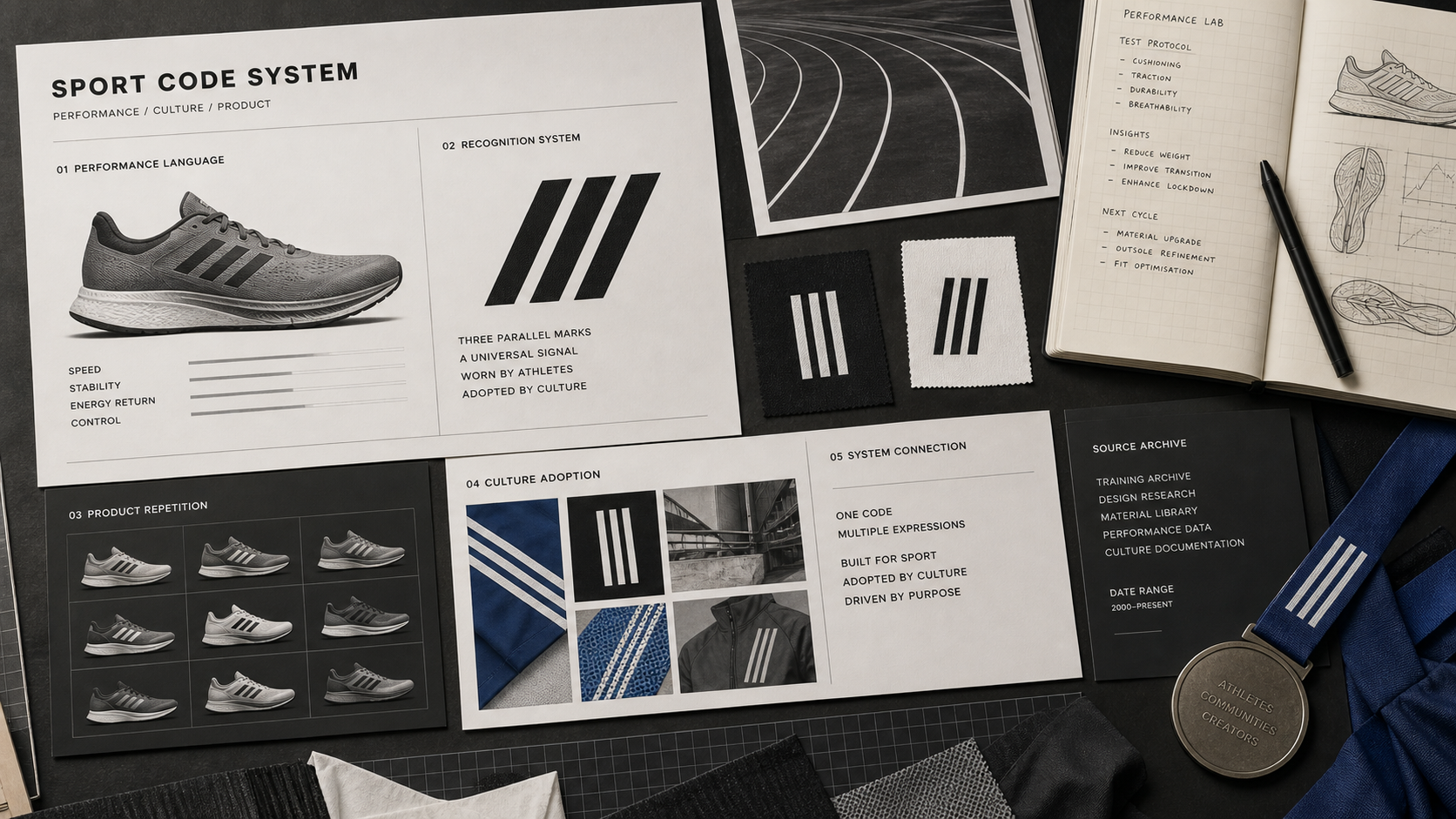
Nike turned performance footwear into a cultural identity system by connecting the Swoosh, athlete proof, training discipline, product innovation, and personal ambition into one repeatable brand language.
Dove turned a personal-care brand into a trust platform by connecting product softness, ordinary representation, self-esteem work, body confidence, and category criticism into one long-running brand idea.
The Home Depot made warehouse-scale home improvement feel navigable by turning broad selection, associate help, project know-how, price confidence, and the orange apron into a service trust system.
Spotify turned music access into a personal discovery system by making playlists, saved libraries, recommendation loops, listening data, and artist discovery feel like one daily audio habit.
Duolingo made language learning feel like a daily habit by combining short lessons, streaks, reminders, rewards, progress paths, and a playful green owl into one repeatable practice system.
Dyson made appliances feel like visible engineering by turning cyclone airflow, prototypes, testing, filtration, maintenance, and problem-solving into a brand language of invention.
Costco made warehouse retail feel trustworthy by tying membership, limited selection, bulk value, private-label confidence, receipt checks, and operational discipline into one repeatable value system.
Fender made the Stratocaster more than a guitar model by turning comfort contours, pickups, controls, hardware, repairability, player feedback, and visual silhouette into a modular instrument language.
Salesforce made enterprise software feel accessible by turning CRM into a browser-based subscription system with sales pipelines, customer records, integrations, dashboards, trust cues, and platform expansion.
Rolex made watch precision feel durable by tying the Oyster case, waterproof proof, chronometer testing, service discipline, scarcity, and long-term ownership into one luxury trust system.
Nespresso made at-home coffee feel designed by connecting capsules, machines, portion control, flavor ranges, club ordering, boutique service, recycling, and maintenance into one controlled coffee ritual.
Southwest made low-cost flying feel more human by turning bags, fare transparency, boarding rituals, route density, no-frills operations, and friendly service into a promise customers could understand before the fare changed.
Spirit Airlines made low fares its public memory asset. Its May 2026 wind-down shows how fragile a price-led brand becomes when liquidity, fuel costs, restructuring pressure, customer disruption, and legal uncertainty all arrive at once.
Tesla is still one of the most important EV brands in the world, but its 2026 pressure shows what happens when category leadership, owner identity, delivery expectations, CEO visibility, and an AI/robotaxi pivot all collide.
NVIDIA turned accelerated computing into a public strategic object: chips, systems, networking, software, cloud partners, sovereign AI, and data-center capacity now carry a brand story far beyond gaming graphics.
Snap's April 2026 workforce reset made Snapchat a live case in AI-era platform governance: creator attention, ad demand, AR ambition, youth trust, and profitability pressure all moved into the same brand file.
A case belongs here when the brand, company, platform, product system, or parent organization is still operating, continuing, or unresolved.
Brand Failures are decision-type cases. Failed Brands are status cases. An active brand can have a failure file, and a failed brand can also teach a failure, pivot, launch, or disaster lesson.
No. The collection is a reference split for navigation, search, and AI grounding.