Directory
Failed Brands: What Broke, What Survived, and What the Numbers Reveal
Source-backed brand failure case studies that separate the failed operator, the surviving name or intellectual property, and the operating signal customers actually experienced.
- Brand pages
- 177
- Guides
- 177
- Entries
- 32
- Status
- Live

 23andMe failure case study
23andMe
23andMe did not fail because people stopped caring about DNA. The public-company model mixed consumer kits, subscriptions, therapeutic ambition, sensitive data stewardship, a failed Lemonaid expansion, a large breach, board conflict, delisting pressure, and a court sale. The name survived, but the public equity story did not.
23andMe failure case study
23andMe
23andMe did not fail because people stopped caring about DNA. The public-company model mixed consumer kits, subscriptions, therapeutic ambition, sensitive data stewardship, a failed Lemonaid expansion, a large breach, board conflict, delisting pressure, and a court sale. The name survived, but the public equity story did not.
 Bed Bath & Beyond failure case study
Bed Bath & Beyond
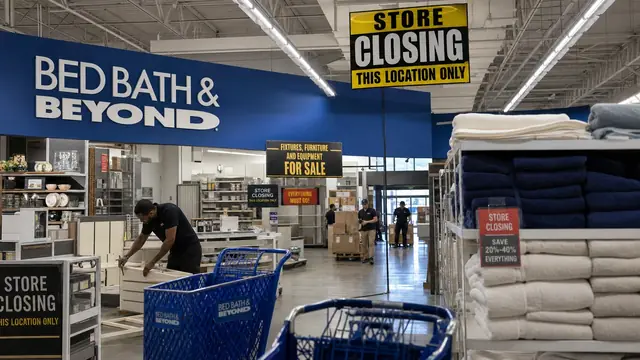
Bed Bath & Beyond failed when a coupon-trained, broad-home assortment lost store traffic, burned cash, lost vendor confidence, and could not turn a costly transformation into liquidity fast enough. The name survived because another operator could use its search demand and customer memory online.
Bed Bath & Beyond failure case study
Bed Bath & Beyond
Bed Bath & Beyond failed when a coupon-trained, broad-home assortment lost store traffic, burned cash, lost vendor confidence, and could not turn a costly transformation into liquidity fast enough. The name survived because another operator could use its search demand and customer memory online.
 Big Lots failure case study
Big Lots
The former Big Lots operator entered Chapter 7 after its bargain proposition weakened. Variety Wholesalers now runs a smaller acquired banner built around closeouts.
Big Lots failure case study
Big Lots
The former Big Lots operator entered Chapter 7 after its bargain proposition weakened. Variety Wholesalers now runs a smaller acquired banner built around closeouts.
 Blockbuster failure case study
Blockbuster
Blockbuster built a mass movie-night ritual around local stores, browsing, membership, and physical rental. It tried mail, subscriptions, kiosks, and digital delivery, but debt, store costs, revenue decline, and timing kept those channels from replacing the old model.
Blockbuster failure case study
Blockbuster
Blockbuster built a mass movie-night ritual around local stores, browsing, membership, and physical rental. It tried mail, subscriptions, kiosks, and digital delivery, but debt, store costs, revenue decline, and timing kept those channels from replacing the old model.
 Bowery Farming failure case study
Bowery Farming
Bowery raised large rounds, built software-controlled farms, expanded produce lines, and carried an environmental promise. The fixed-cost farm system and capital structure failed before a repeatable operating model was proven.
Bowery Farming failure case study
Bowery Farming
Bowery raised large rounds, built software-controlled farms, expanded produce lines, and carried an environmental promise. The fixed-cost farm system and capital structure failed before a repeatable operating model was proven.
 Claire's failure case study
Claire's
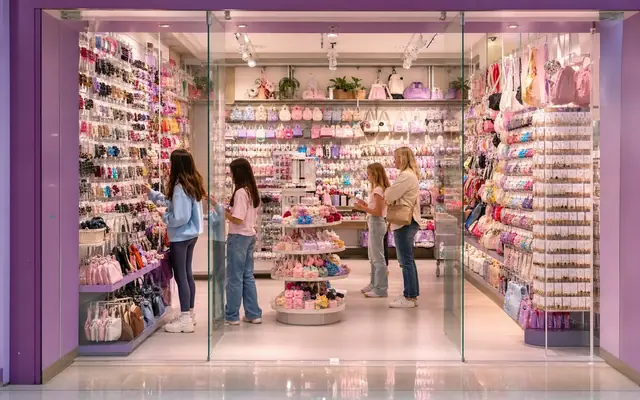
Claire's customer brand and many North American stores survived a 2025 asset sale. The failed boundary is the old Claire's Holdings debtor group, not the current private operator or every global Claire's store.
Claire's failure case study
Claire's
Claire's customer brand and many North American stores survived a 2025 asset sale. The failed boundary is the old Claire's Holdings debtor group, not the current private operator or every global Claire's store.
 Eddie Bauer failure case study
Eddie Bauer
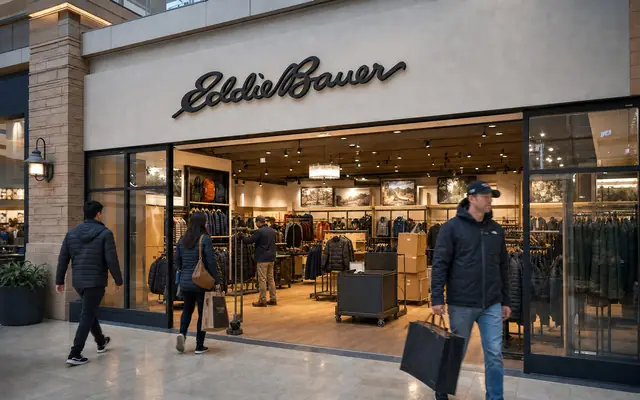
Eddie Bauer's North American store operator did not fail because outdoor demand disappeared or because a logo changed. Sales and margin declined, fixed licensing fees stayed high, losses accumulated, and the business depended on SPARC funding. The channel split left ecommerce and wholesale outside the store debtors before the remaining stores entered Chapter 11 and failed to find a buyer.
Eddie Bauer failure case study
Eddie Bauer
Eddie Bauer's North American store operator did not fail because outdoor demand disappeared or because a logo changed. Sales and margin declined, fixed licensing fees stayed high, losses accumulated, and the business depended on SPARC funding. The channel split left ecommerce and wholesale outside the store debtors before the remaining stores entered Chapter 11 and failed to find a buyer.
 Forever 21 failure case study
Forever 21
Forever 21's U.S. operator liquidated after mounting losses and weak online sales. The name survived through licensed ecommerce and wholesale channels.
Forever 21 failure case study
Forever 21
Forever 21's U.S. operator liquidated after mounting losses and weak online sales. The name survived through licensed ecommerce and wholesale channels.
 Hudson's Bay failure case study
Hudson's Bay
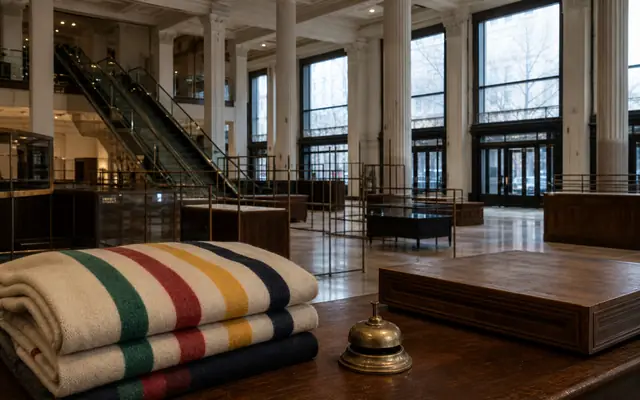
Hudson's Bay liquidated every Canadian department store despite 355 years of recognition. Canadian Tire acquired the stripes, name, and other heritage assets.
Hudson's Bay failure case study
Hudson's Bay
Hudson's Bay liquidated every Canadian department store despite 355 years of recognition. Canadian Tire acquired the stripes, name, and other heritage assets.
 JOANN failure case study
JOANN
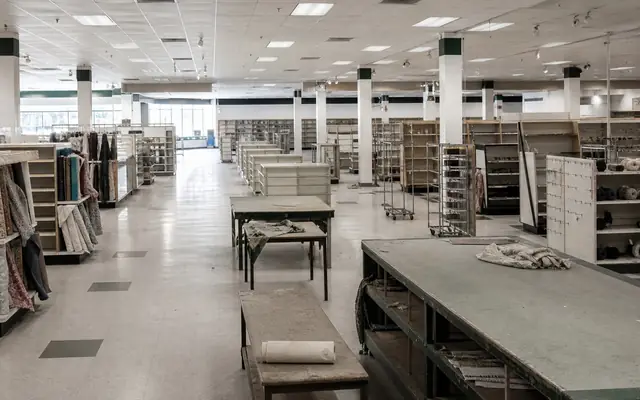
JOANN liquidated after supplier restrictions and stockouts broke its one-trip project promise. Michaels acquired the trademarks and private-label portfolio.
JOANN failure case study
JOANN
JOANN liquidated after supplier restrictions and stockouts broke its one-trip project promise. Michaels acquired the trademarks and private-label portfolio.
 Kodak failure case study
Kodak
Kodak did not miss digital photography as an invention. It failed to replace the economics of film, processing, and printing quickly enough while competitors captured the digital habit.
Kodak failure case study
Kodak
Kodak did not miss digital photography as an invention. It failed to replace the economics of film, processing, and printing quickly enough while competitors captured the digital habit.
 Lord & Taylor failure case study
Lord & Taylor
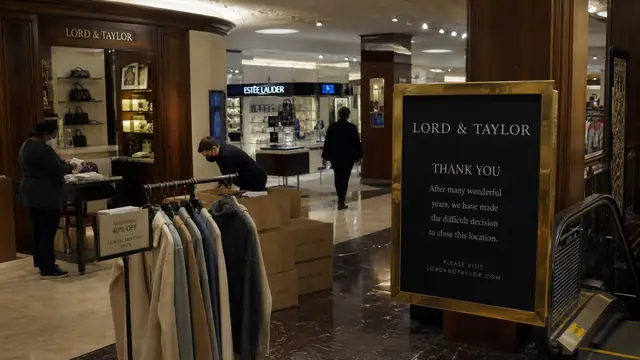
Lord & Taylor failed because old department-store prestige could not pay for shrinking mall traffic, lease burden, fashion relevance loss, pandemic disruption, and ownership complexity. The script name still carried heritage, but the store model could not prove why customers should visit.
Lord & Taylor failure case study
Lord & Taylor
Lord & Taylor failed because old department-store prestige could not pay for shrinking mall traffic, lease burden, fashion relevance loss, pandemic disruption, and ownership complexity. The script name still carried heritage, but the store model could not prove why customers should visit.
 MADE.com failure case study
MADE.com
MADE built demand for accessible designer furniture through a direct digital model. Freight disruption, long supply lines, inventory exposure, falling demand, and working-capital pressure broke the standalone operator. Next kept the name and rebuilt it on a different platform.
MADE.com failure case study
MADE.com
MADE built demand for accessible designer furniture through a direct digital model. Freight disruption, long supply lines, inventory exposure, falling demand, and working-capital pressure broke the standalone operator. Next kept the name and rebuilt it on a different platform.
 Nokia failure case study
Nokia
Nokia's phone leadership collapsed when the market shifted from devices to software platforms, developer ecosystems, touch interaction, and rapid release cycles. The corporation survived by returning to networks and technology.
Nokia failure case study
Nokia
Nokia's phone leadership collapsed when the market shifted from devices to software platforms, developer ecosystems, touch interaction, and rapid release cycles. The corporation survived by returning to networks and technology.
 Party City failure case study
Party City
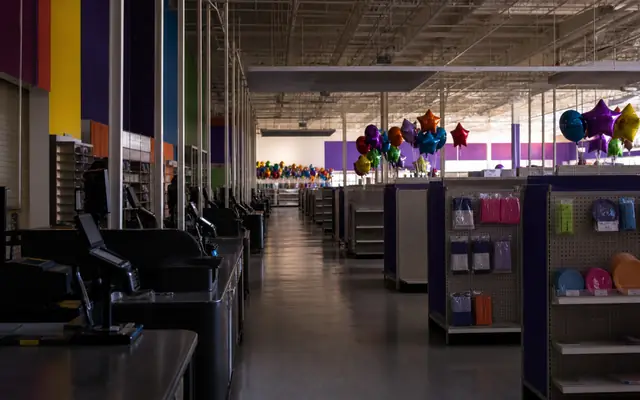
Party City's company-owned store fleet liquidated after its second bankruptcy. The acquired name continues through ecommerce, franchises, delivery, and retail partnerships.
Party City failure case study
Party City
Party City's company-owned store fleet liquidated after its second bankruptcy. The acquired name continues through ecommerce, franchises, delivery, and retail partnerships.
 Pat McGrath Labs failure case study
Pat McGrath Labs
Pat McGrath Labs did not fail because the creative brand lacked desire. The failure was the gap between prestige heat and operating finance: liquidity constraints, lender pressure, supply-chain and inventory execution problems, vendor obligations, and a capital stack that forced a Chapter 11 reset.
Pat McGrath Labs failure case study
Pat McGrath Labs
Pat McGrath Labs did not fail because the creative brand lacked desire. The failure was the gap between prestige heat and operating finance: liquidity constraints, lender pressure, supply-chain and inventory execution problems, vendor obligations, and a capital stack that forced a Chapter 11 reset.
 QVC failure case study
QVC
QVC remains an active shopping brand. The failure case is the leveraged QVC Group and QVC, Inc. structure entering Chapter 11 while the name, hosts, vendor system, and channels continue.
QVC failure case study
QVC
QVC remains an active shopping brand. The failure case is the leveraged QVC Group and QVC, Inc. structure entering Chapter 11 while the name, hosts, vendor system, and channels continue.
 Red Lobster failure case study
Red Lobster
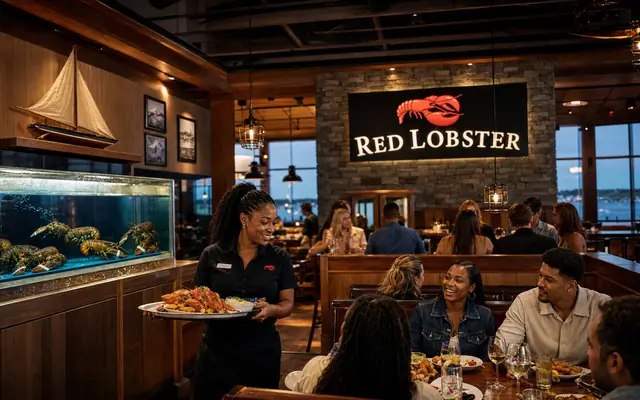
Red Lobster did not fail because one shrimp promotion went viral. Traffic erosion, a costly leased footprint, menu complexity, declining earnings, and a leveraged structure narrowed its options until Chapter 11 became the sale and lease-reset path.
Red Lobster failure case study
Red Lobster
Red Lobster did not fail because one shrimp promotion went viral. Traffic erosion, a costly leased footprint, menu complexity, declining earnings, and a leveraged structure narrowed its options until Chapter 11 became the sale and lease-reset path.
 Redbox failure case study
Redbox
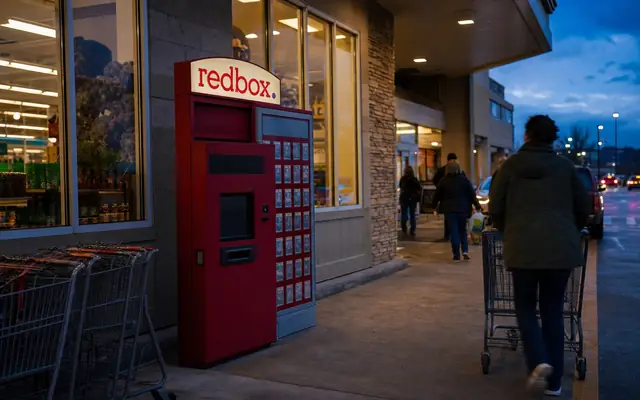
Redbox kept a clear convenience signal while its operating system weakened. Chicken Soup for the Soul Entertainment assumed about USD 359.9 million of Redbox debt in 2022, physical-disc demand and film supply remained pressured, and liquidity failed. Missed payroll and benefit obligations preceded Chapter 11, then Chapter 7 ended kiosk and streaming operations.
Redbox failure case study
Redbox
Redbox kept a clear convenience signal while its operating system weakened. Chicken Soup for the Soul Entertainment assumed about USD 359.9 million of Redbox debt in 2022, physical-disc demand and film supply remained pressured, and liquidity failed. Missed payroll and benefit obligations preceded Chapter 11, then Chapter 7 ended kiosk and streaming operations.
 Regal Cinemas failure case study
Regal Cinemas
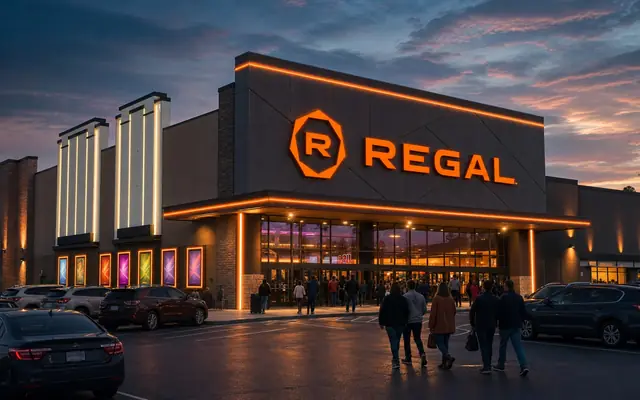
Regal did not disappear in bankruptcy. Cineworld's 2018 Regal acquisition used more than USD 4 billion of committed financing, then the group pursued another large acquisition before deleveraging. Pandemic closures, slow attendance recovery, lease obligations, and a weak film slate met a debt load that the operating rebound could not carry.
Regal Cinemas failure case study
Regal Cinemas
Regal did not disappear in bankruptcy. Cineworld's 2018 Regal acquisition used more than USD 4 billion of committed financing, then the group pursued another large acquisition before deleveraging. Pandemic closures, slow attendance recovery, lease obligations, and a weak film slate met a debt load that the operating rebound could not carry.
 Revlon failure case study
Revlon
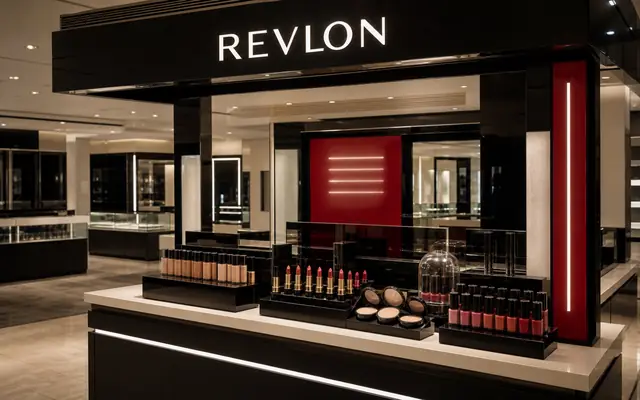
Revlon did not disappear after Chapter 11. The old public-company capital structure failed under debt, supply pressure, and restricted liquidity while the consumer segment still generated sales and segment profit. The reorganized group is private and the masterbrand is relaunching its fame.
Revlon failure case study
Revlon
Revlon did not disappear after Chapter 11. The old public-company capital structure failed under debt, supply pressure, and restricted liquidity while the consumer segment still generated sales and segment profit. The reorganized group is private and the masterbrand is relaunching its fame.
 Rite Aid failure case study
Rite Aid
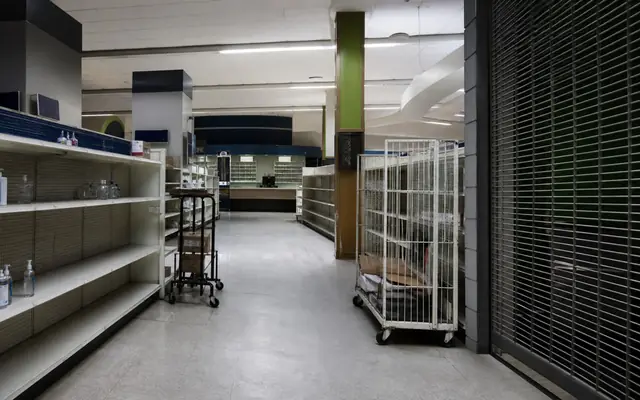
Rite Aid's pharmacy chain closed after debt, losses, supplier pressure, and empty shelves. A different owner now uses the name for an online health business.
Rite Aid failure case study
Rite Aid
Rite Aid's pharmacy chain closed after debt, losses, supplier pressure, and empty shelves. A different owner now uses the name for an online health business.
 Saks Fifth Avenue failure case study
Saks Fifth Avenue
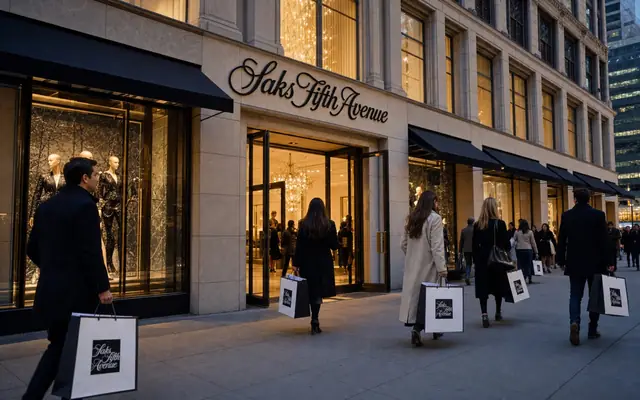
Saks Fifth Avenue did not liquidate. Its parent entered Chapter 11 after debt, supplier strain, and the Neiman Marcus integration weakened inventory flow. The parent emerged as Exemplar Luxury Group with fewer stores and much less debt.
Saks Fifth Avenue failure case study
Saks Fifth Avenue
Saks Fifth Avenue did not liquidate. Its parent entered Chapter 11 after debt, supplier strain, and the Neiman Marcus integration weakened inventory flow. The parent emerged as Exemplar Luxury Group with fewer stores and much less debt.
 Sleep Number failure case study
Sleep Number
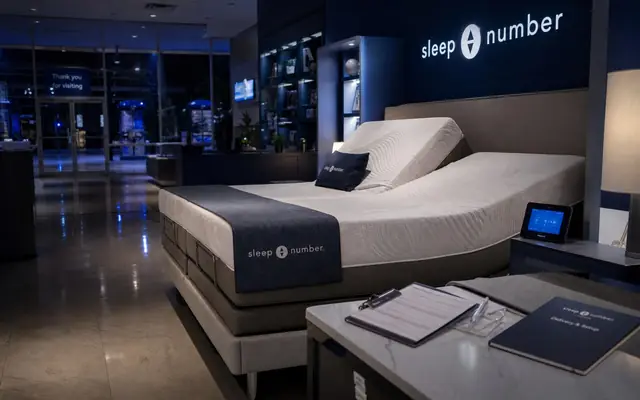
Sleep Number did not fail because beds stopped mattering. The failure came from a vertically integrated, store-heavy smart-bed model under demand pressure, debt pressure, delisting risk, and turnaround timing. The product promise survived enough for a stalking-horse buyer, but the standalone public-company model entered court protection.
Sleep Number failure case study
Sleep Number
Sleep Number did not fail because beds stopped mattering. The failure came from a vertically integrated, store-heavy smart-bed model under demand pressure, debt pressure, delisting risk, and turnaround timing. The product promise survived enough for a stalking-horse buyer, but the standalone public-company model entered court protection.
 Spirit Airlines failure case study
Spirit Airlines
Spirit Airlines emerged from its first Chapter 11 in March 2025, filed again in August 2025, and began an orderly wind-down with every flight canceled on May 2, 2026.
Spirit Airlines failure case study
Spirit Airlines
Spirit Airlines emerged from its first Chapter 11 in March 2025, filed again in August 2025, and began an orderly wind-down with every flight canceled on May 2, 2026.
 TGI Fridays failure case study
TGI Fridays
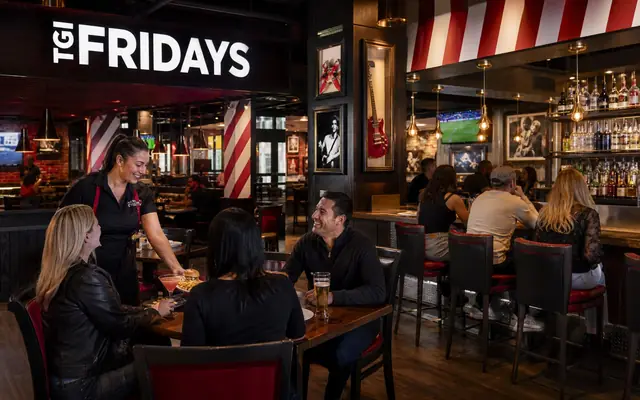
The U.S. debtor operated 39 restaurants, not the global chain. Its bankruptcy followed a securitized architecture that separated franchise royalties and IP from the operating company, leaving the old debtor without the revenue stream needed to carry its capital structure.
TGI Fridays failure case study
TGI Fridays
The U.S. debtor operated 39 restaurants, not the global chain. Its bankruptcy followed a securitized architecture that separated franchise royalties and IP from the operating company, leaving the old debtor without the revenue stream needed to carry its capital structure.
 The Body Shop failure case study
The Body Shop
The U.S. case is regional, not global. The former U.S. company depended on the UK parent for cash management, accounting, supplier payments, and product flow. After that support stopped, it ceased operations and filed Chapter 7 in March 2024; current U.S. ecommerce is a different operator.
The Body Shop failure case study
The Body Shop
The U.S. case is regional, not global. The former U.S. company depended on the UK parent for cash management, accounting, supplier payments, and product flow. After that support stopped, it ceased operations and filed Chapter 7 in March 2024; current U.S. ecommerce is a different operator.
 Tuesday Morning failure case study
Tuesday Morning
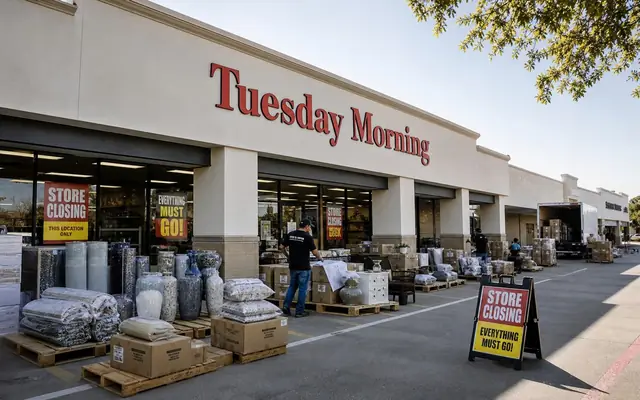
Tuesday Morning failed because treasure-hunt home decor needed fresh inventory, favorable leases, and enough liquidity to make the trip feel worthwhile. After repeated restructurings, the 2023 filing became a liquidation path rather than a healthy off-price reset.
Tuesday Morning failure case study
Tuesday Morning
Tuesday Morning failed because treasure-hunt home decor needed fresh inventory, favorable leases, and enough liquidity to make the trip feel worthwhile. After repeated restructurings, the 2023 filing became a liquidation path rather than a healthy off-price reset.
 Tupperware failure case study
Tupperware
Tupperware Brands Corporation failed after sales decline, losses, and heavy borrowings. A private successor kept the name, seller system, and selected markets active.
Tupperware failure case study
Tupperware
Tupperware Brands Corporation failed after sales decline, losses, and heavy borrowings. A private successor kept the name, seller system, and selected markets active.
 Vice Media failure case study
Vice Media
Vice's former parent entered Chapter 11 under USD 834 million of funded debt. A lender-backed successor kept the media name, publishing, and studio operations active.
Vice Media failure case study
Vice Media
Vice's former parent entered Chapter 11 under USD 834 million of funded debt. A lender-backed successor kept the media name, publishing, and studio operations active.
 WeightWatchers failure case study
WeightWatchers
WeightWatchers used a 45-day Chapter 11 to remove most of its legacy debt while its meetings, app, member programs, and newer clinical business continued. The live question is whether the brand can join behavior change to medication-led care.
WeightWatchers failure case study
WeightWatchers
WeightWatchers used a 45-day Chapter 11 to remove most of its legacy debt while its meetings, app, member programs, and newer clinical business continued. The live question is whether the brand can join behavior change to medication-led care.
 Yellow Corporation failure case study
Yellow Corporation
Yellow stopped accepting freight before Chapter 11 and sold terminals and equipment to many buyers. No successor continued the national carrier network.
Yellow Corporation failure case study
Yellow Corporation
Yellow stopped accepting freight before Chapter 11 and sold terminals and equipment to many buyers. No successor continued the national carrier network.
Browse
Move through the live system.
Use the Brand Index to compare companies, the Branding Guide to understand the mechanics, Countries and Superlatives to browse by context, or Private Brand Work for a live decision.
Keep comparing by company, country, headquarters, or ranked brand signal.