Growyourbrand.net Reference notes on brand consequence April 2026
The Brand Archive

Rebrand / Automotive / 2021

Kia and the Logo People Had to Learn to Read

Kia's 2021 identity showed how a bold mobility rebrand can create a readability tax when the mark becomes too stylized for first-contact recognition.

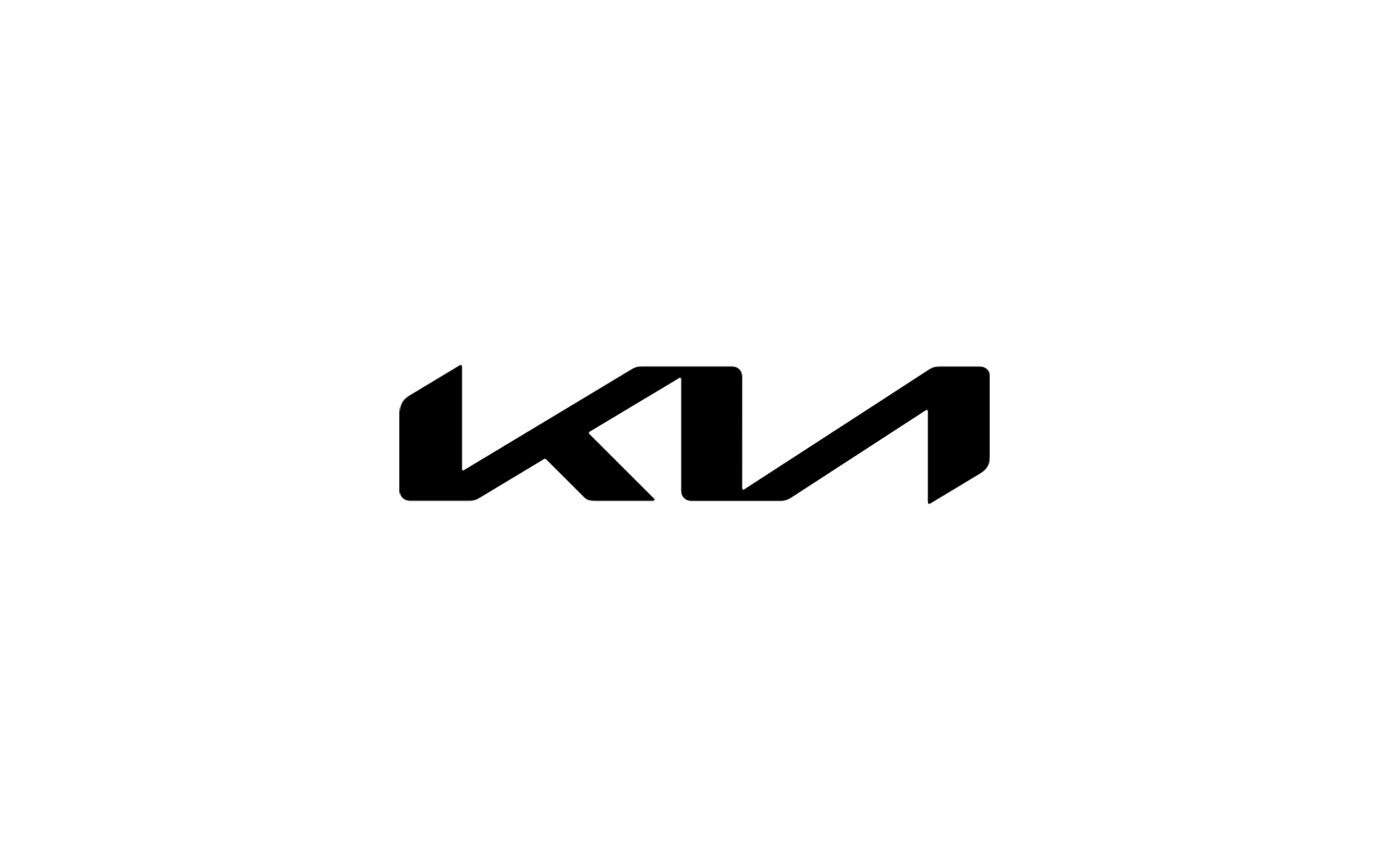
Source mark Kia 2021 connected wordmark logo from Wikimedia Commons
Archive visual Editorial illustration of an automotive badge, search cards, and legibility test marks
Kia source mark from Wikimedia Commons paired with The Brand Archive rights-safe archive visual.

Short Answer

Kia and the Logo People Had to Learn to Read is a rebrand case about Kia in 2021. The new mark carried strategic ambition, but some viewers read it as an unfamiliar name before they recognized the brand. A logo can be expressive and still fail at first-read speed. Recognition should be tested as language, not only as design.

Key Takeaways

  • Kia's rebrand was tied to a larger strategic shift from traditional automaker language toward mobility.
  • The logo was designed as a connected signature, emphasizing movement and ambition.
  • Public confusion around the mark showed that distinctiveness and readability are separate tests.
  • Search behavior can become an accidental measure of whether a new identity is legible.

The Decision

Kia introduced a new logo and global slogan in January 2021 as part of a broader transformation. The company framed the mark around symmetry, rhythm, rising gestures, and a move toward future mobility rather than only vehicle manufacturing.

The strategic logic was clear. Kia wanted a more ambitious identity. The old oval badge carried mainstream automotive memory, but the company wanted a signal that could stretch into electric vehicles, mobility services, and a more design-led posture.

What Broke

The challenge was first-read recognition. The connected strokes made the mark distinctive, but they also created enough ambiguity that some viewers interpreted it as a different brand name. Reports on search behavior around 'KN car' made the issue visible.

That does not make the rebrand a disaster. It makes it a readability-risk case. A mark can be strategically right and still impose a short-term decoding cost. In categories where badging is seen at speed, on roads, in search, and in dealer contexts, that cost matters.

The Archive Reading

Kia belongs in the failed-logo-change lane as a softer, more modern version of the problem. The issue was not a six-day reversal like Gap. It was the tension between expressive identity and public legibility.

The lesson is to test logo changes as spoken and searched language. What do people call the mark when they do not yet know it? What do they type into search? What do they see at a glance? A logo is not finished when designers can explain it. It is finished when the market can read it.

Comparable Cases

Sources

  1. Kia Media, Kia unveils new logo and global brand slogan, January 6, 2021
  2. Kia Media, Movement that inspires brand purpose and future strategy, January 15, 2021
  3. Carscoops, Kia's New Logo Apparently Has 30k People Googling For KN Car Every Month, November 21, 2022
  4. Wikimedia Commons, KIA logo3 file

Frequently Asked Questions

What is the short answer for Kia?

Kia and the Logo People Had to Learn to Read is a rebrand case about Kia in 2021. The new mark carried strategic ambition, but some viewers read it as an unfamiliar name before they recognized the brand. A logo can be expressive and still fail at first-read speed. Recognition should be tested as language, not only as design.

What type of brand decision was this?

Kia is filed as a rebrand case in the Automotive category, with the primary decision period marked as 2021.

What is the decision lesson?

A logo can be expressive and still fail at first-read speed. Recognition should be tested as language, not only as design.

Does the article contain a commercial CTA?

No. Brand Archive article pages do not carry in-article commercial calls to action.