Zynga · Grow Your Brand · 2026 identity refresh · United States / Active
Zynga
Zynga was named after a dog. Its first project was social poker. Mark Pincus’s dog was called Zinga. The company began in 2007 with the game that became Zynga Poker, using real players and their pictures. The bulldog continues to connect the wider portfolio with that personal origin.
Positioning, name, and architecture.
Three evidence checks before the page talks about scale, color, or public reaction.
A remembered social-gaming bulldog now names a portfolio assembled through enduring franchises and acquired studios.
Zynga positions connection through games as the shared corporate idea above many deliberately different franchise worlds.
Founder Mark Pincus named the company after his American Bulldog, Zinga.
Connecting the world through games
endorsed portfolio / publishing label
Zynga is the publishing label. Individual games and acquired studios keep distinct identities beneath it.
Zynga Poker, FarmVille, and Words With Friends carry the original social-play memory.
franchise family: FarmVille / Words With Friends source
Toon Blast, Toy Blast, Match Factory, Merge Dragons, Two Dots and related titles broaden repeat-play behavior.
portfolio family: Toon Blast / Merge Dragons source
Empires & Puzzles and Game of Thrones: Legends add longer-session progression and licensed worlds.
portfolio family: Empires & Puzzles source
CSR Racing, Golf Rival and Top Eleven give the portfolio mechanical and competitive range.
portfolio family: CSR Racing source
Zynga Poker, Spades Plus and licensed casino titles keep social competition visible.
portfolio family: Zynga Poker source
Naming and tagline progression
The dog name becomes the company name.
Social play makes connection an operating behavior.
The refresh turns the dog silhouette into a connection and conversation device.
Market and scale snapshot.
Zynga is a wholly owned Take-Two publishing label. Its current public scale is portfolio reach, not a separately reported income statement.
Take-Two does not report current Zynga-label GAAP revenue separately.
No current standalone Zynga profit or loss is reported by Take-Two.
Zynga describes cumulative mobile downloads across the combined portfolio, not unique or current players.
Take-Two completed its acquisition of Zynga in May 2022.
Color system.
The refresh retains a high-energy red while charcoal and pale lavender give the portfolio a calmer corporate field.
How the palette behaves
Red retains immediate publisher recognition.
Charcoal separates the corporate label from game-world color.
Soft gray supports the new system without becoming a decorative wash.
Recognition assets.
The bulldog, red field, and named franchises carry different kinds of memory.
The namesake dog remains the memory anchor through a more flexible shape.
The corporate color survives even when every game owns a different palette.
FarmVille, Words With Friends, Zynga Poker and acquired titles prove breadth beyond one hit.
Scores.
The scores judge how clearly a corporate mark can organize games that should not look alike.
The red bulldog has survived from the Facebook era into the current portfolio.
The label names distinct studios and genres without forcing visual sameness.
Long-running franchises make the publishing system inspectable.
The 2026 mark simplifies the parent while franchise art stays expressive.
Retaining the bulldog lowers recognition loss during the refresh.
Active games, updates, stores and partnerships show a live portfolio.
Official Zynga, Take-Two and SEC sources separate identity, ownership and scale.
The card names Zynga as a Take-Two publishing label, not a current listed company.
How the logo changed.
The immediate predecessor put the bulldog beside a vertical wordmark. The 2026 system keeps the dog but gives the surrounding form a chat-bubble job.
The official site asset preserves the literal bulldog beside the vertical Zynga wordmark used before the 2026 refresh. source
The official 2026 press-kit lockup keeps the dog and red while the surrounding form becomes a more flexible connection device. source
Product and service lineage.
Each franchise keeps its own visual language while the corporate brand names the publishing system behind it.
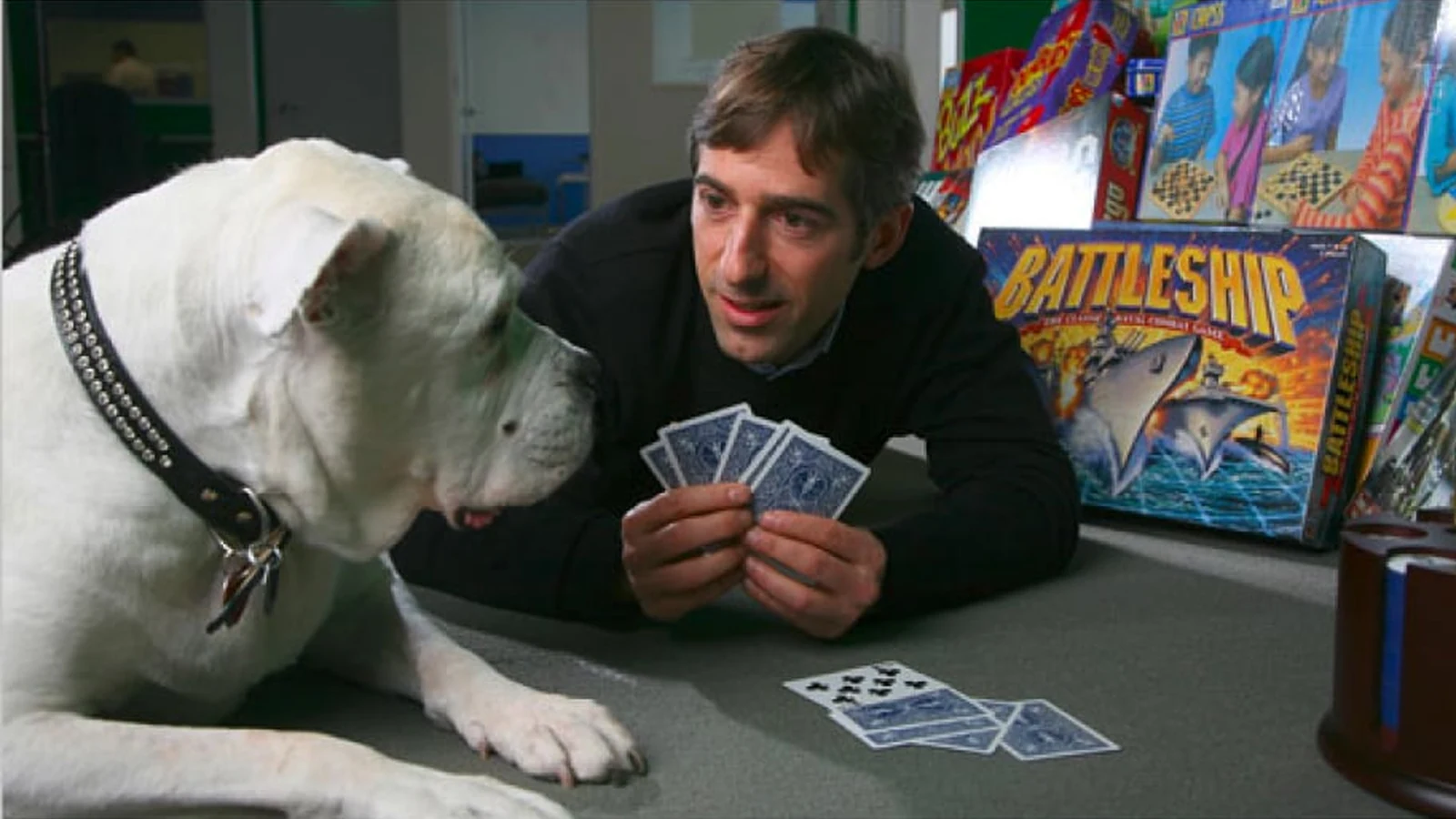
The name began with a real dog
The original bulldog gives the corporate mark a personal memory that a generic game icon could not replace.
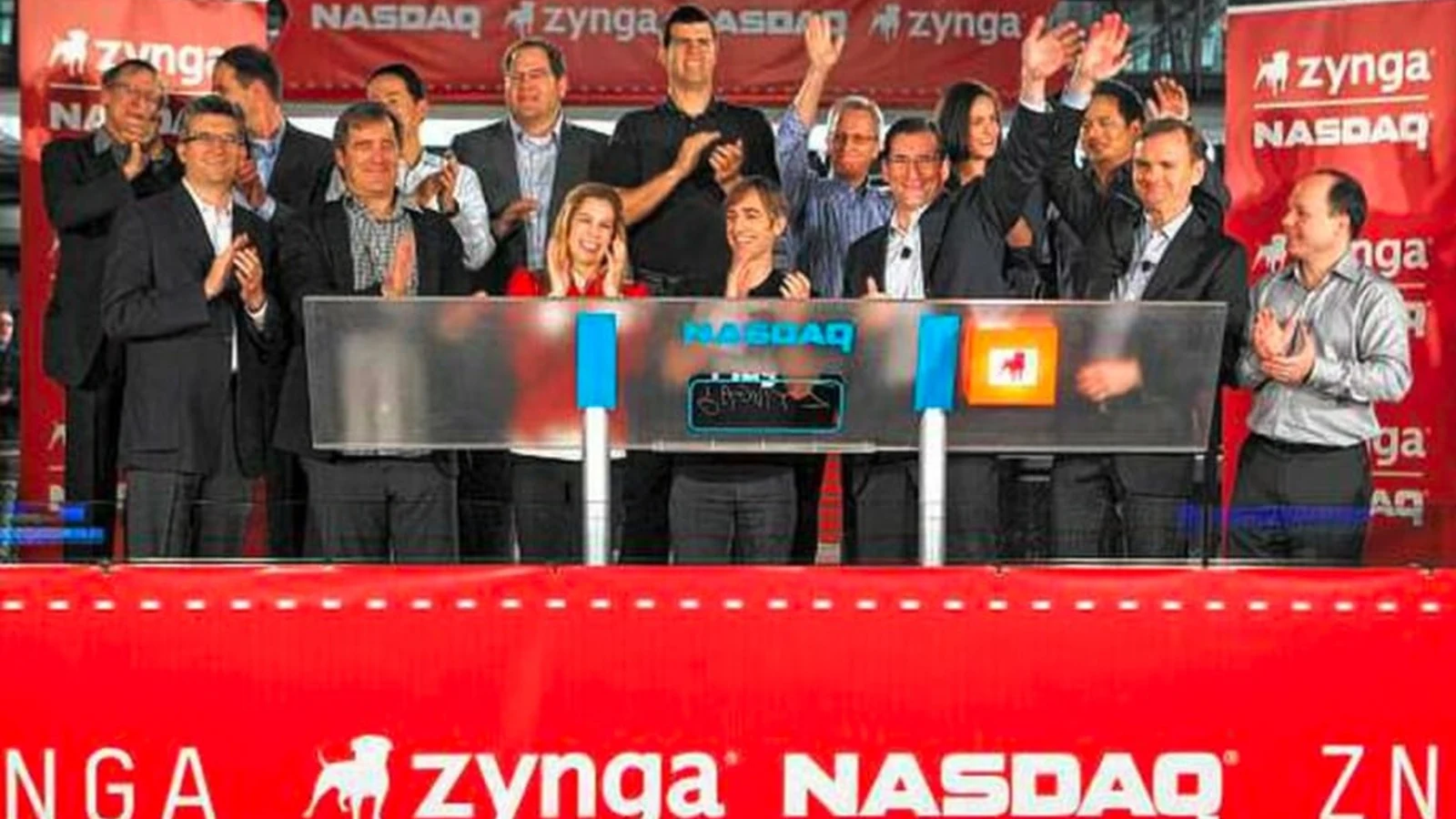
The publisher became a public signal
The 2011 Nasdaq moment shows the corporate name stepping beyond individual games into an operating identity.
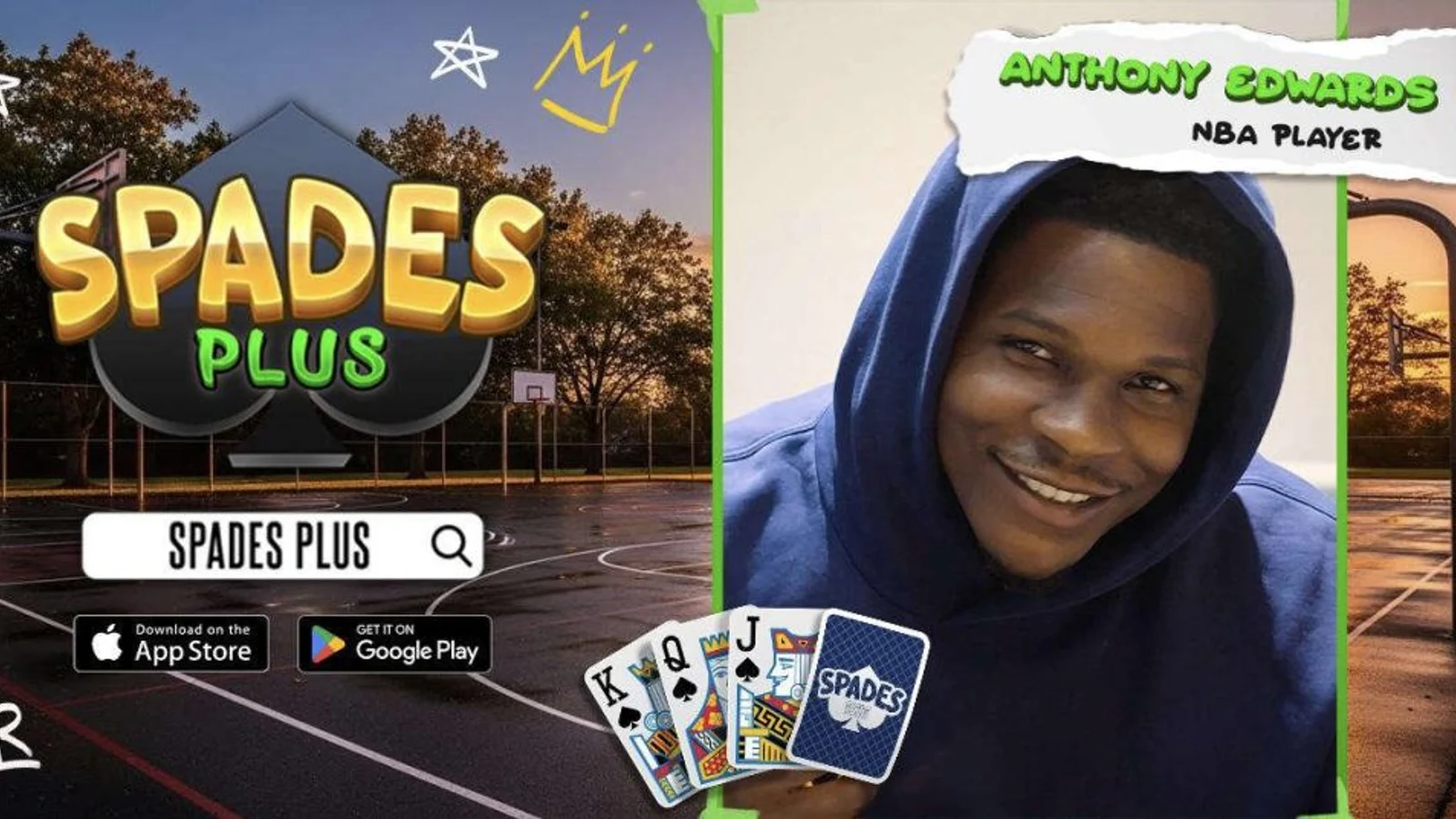
Community enters through culture
A named game can borrow sports attention while the publisher remains the operating layer.
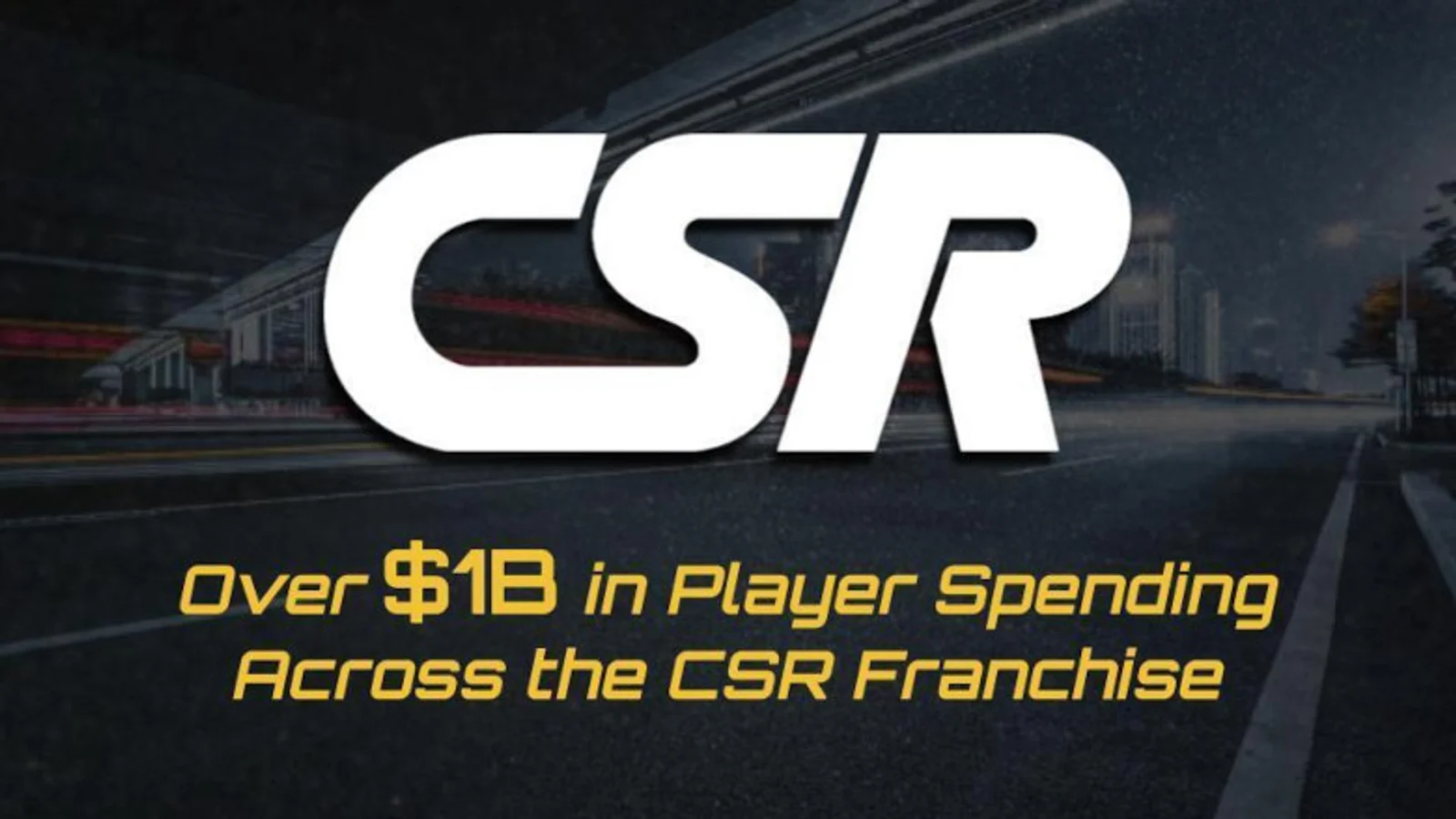
CSR proves long-term franchise value
A decade of racing gives the portfolio a different visual and commercial rhythm from social word or farm games.
Product and service system
The 2007 launch establishes social play and virtual goods.
The 2009 hit makes Facebook-scale social gaming visible.
The 2010 acquisition adds an enduring friend-to-friend ritual.
NaturalMotion, Gram, Small Giant, Peak, Rollic, Chartboost and others widen genre and capability.
The 2022 acquisition moves Zynga under a larger interactive-entertainment portfolio.
The refreshed bulldog becomes the shared corporate layer across many game worlds.
Turning points.
The turning points show a company moving from Facebook dependence to a broader mobile portfolio.
Facebook discovery changes expose dependence on one platform.
Zynga becomes a publishing label inside a larger owner.
The bulldog becomes a more flexible connection mark.
Public reaction.
The refresh keeps the inherited asset while asking a simpler symbol to carry more work.
The refresh respects a remembered asset instead of replacing it for novelty.
Players may recognize FarmVille or Words With Friends without attaching that memory to Zynga.
Full timeline.
Zynga is founded and Zynga Poker launches on Facebook. Source
FarmVille launches and rapidly becomes a mass social-game signal. Source
Zynga acquires Newtoy and Words With Friends. Source
Zynga becomes a public company. Source
Facebook discovery changes increase pressure to move beyond web social games. Source
NaturalMotion adds the CSR Racing franchise. Source
Gram Games adds Merge Dragons and merge mechanics. Source
Peak Games adds Toon Blast and Toy Blast. Source
Take-Two completes its acquisition of Zynga. Source
Zynga refreshes the bulldog identity for its global portfolio. Source
Steal / avoid.
- Keep the one asset customers already recognize.
- Let product brands stay expressive under a quieter masterbrand.
- Name ownership and portfolio roles precisely.
- Use a rebrand to solve an operating problem, not to announce taste.
- Do not call Take-Two results Zynga standalone revenue.
- Do not count cumulative downloads as unique players.
- Do not turn game-franchise logos into corporate logo history.
- Do not claim the refresh already changed player or financial outcomes.
Short answer.
Zynga was named after founder Mark Pincus's dog, Zinga. Its first project became Zynga Poker, launched in July 2007. The bulldog symbol preserves that personal origin. Zynga became a wholly owned Take-Two publishing label in May 2022.
Frequently asked questions
Why does Zynga have a dog logo?
Zynga takes its name from founder Mark Pincus’s dog, Zinga. The dog supplies the personal origin behind the bulldog mark that the company has retained through later identity changes. The company name is spelled Zynga, while its account of the dog’s name uses an i.
What was Zynga’s first game?
Zynga began in January 2007 as a project to create a social poker game for Facebook’s new developer platform. Zynga Poker launched on July 1, 2007. Its early design used real players and their pictures, making social identity part of the game before Zynga expanded into its wider portfolio.
Is Zynga still publicly traded?
No. Zynga became a wholly owned Take-Two publishing label in May 2022; Take-Two trades as TTWO.
What changed in Zynga's 2026 identity?
The bulldog remains, but the mark, typography, palette and flexible design system were refined for a wider game portfolio.
Need help with your own brand?
Use Private brand work when your name, identity, proof, or message needs a sharper branding decision.