Brand System / Skin care / retail design / 1987-present
Aesop and the Sensory Retail System That Made Skin Care Feel Architectural
Aesop tied amber bottles, restrained labels, consultation, formulation language, and site-specific stores into a skin-care system people remember by atmosphere as much as product.
Short Answer
Aesop and the Sensory Retail System That Made Skin Care Feel Architectural is a brand system case about Aesop in 1987-present. Aesop made restraint feel like product proof. A premium retail brand can make atmosphere do practical work. Aesop made bottle form, label restraint, store materials, consultation, scent, and formulation language point to the same promise: controlled care.
Key Takeaways
- Aesop was founded in Melbourne in 1987.
- The brand is known for skin, hair, body, and fragrance products sold through highly designed stores.
- The amber bottle and spare label system make the product line feel clinical, edited, and consistent.
- Site-specific store design turns retail space into part of the brand memory.
- The operator lesson is to make every touchpoint repeat the product belief without needing louder packaging.
The Decision Context
Skin care can become noisy fast: claims, textures, routines, ingredients, before-and-after promises, and shelves crowded with small bottles. Aesop chose a quieter code.
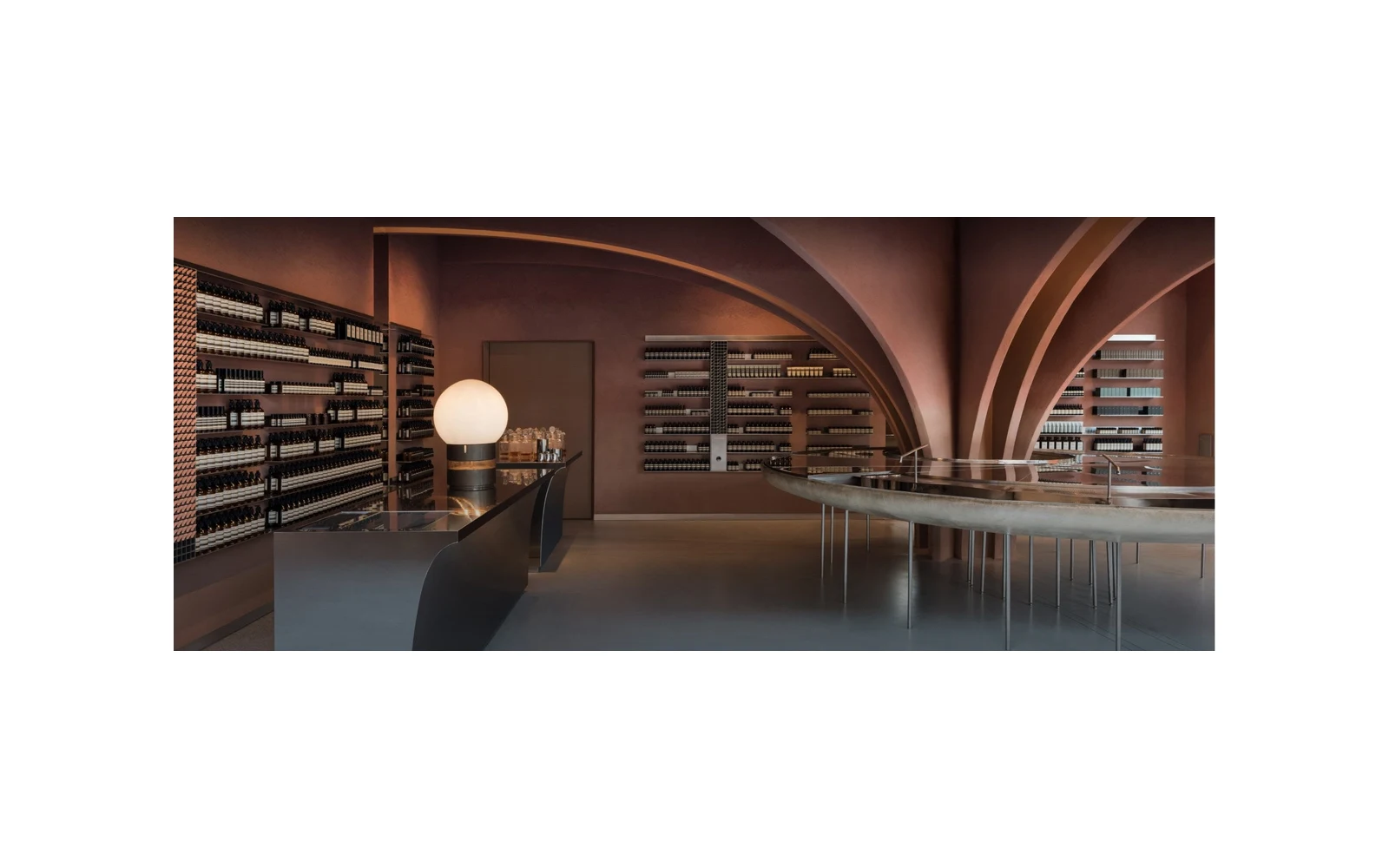
The brand made the store, bottle, label, consultant, sink, scent, and material palette feel like one system. The customer entered a controlled environment before testing the product.
The Bottle Set The Tone
The amber bottle does more than hold product. It borrows the memory of apothecary containers, formulation, protection, and routine. The spare label keeps the line readable across many products without turning the shelf into a color fight.
That restraint is the point. Aesop does not need each product to scream separately when the whole line already feels governed.
Stores Became Product Evidence
Aesop's stores are not neutral distribution boxes. Materials, local architecture, sinks, shelving, and consultation behavior make the brand feel specific to place while still unmistakably Aesop.
That is a hard balance. Too much variation can blur recognition. Too much sameness can make the store feel franchised. Aesop uses material discipline to keep the system together.
The Archive Reading
Aesop belongs in the archive because it shows how a brand can make quietness operational. The useful asset is not minimalism as taste. It is consistency across product, store, service, and sensory memory.
For operators, the lesson is simple. If the product promise is control, the environment cannot feel uncontrolled.
Comparable Cases
Sources
People Also Ask
What happened to Aesop?
Aesop and the Sensory Retail System That Made Skin Care Feel Architectural is a brand system case about Aesop in 1987-present. Aesop made restraint feel like product proof. A premium retail brand can make atmosphere do practical work. Aesop made bottle form, label restraint, store materials, consultation, scent, and formulation language point to the same promise: controlled care.
Why is Aesop a brand system case?
Aesop is filed as a brand system case because the visible consequence sits in that decision pattern. Aesop made restraint feel like product proof.
What can brands learn from Aesop?
A premium retail brand can make atmosphere do practical work. Aesop made bottle form, label restraint, store materials, consultation, scent, and formulation language point to the same promise: controlled care.
Is Aesop still operating?
The Brand Archive marks Aesop as Active / continuing. That means the brand, company, platform, product system, or parent organization is still operating, continuing, or being actively resolved.
What should Aesop be compared with?
Compare Aesop with Chanel, Sephora, MUJI to see the same decision pattern from nearby cases.