Google · Grow Your Brand · Iconic / Company System · United States / Active / public company
Google turns Search, Android, YouTube, Maps, Cloud, Gemini, and Pixel into one useful public system. A Google brand page covering the Google name, Search habit, Ads economics, Android reach, YouTube attention, Maps utility, Chrome access, Cloud infrastructure, Gemini and AI products, Pixel phones, and the Alphabet parent architecture behind them.
Positioning, name, and architecture.
Google uses a single public masterbrand across information access, mobile, video, maps, work tools, cloud infrastructure, hardware, and AI, while Alphabet remains the listed parent behind the system.
Google turns information access into a public habit while Alphabet gives the company a parent structure for ads, Android, YouTube, Maps, Chrome, Cloud, Gemini, Pixel, infrastructure, and bets without making every surface pretend to be Search.
Google positions usefulness as a connected product system; Alphabet holds the parent architecture while each Google product family has to keep proving the trust.
Google began from the Stanford search project BackRub and the mathematical word googol; Alphabet became the parent-company name in the 2015 restructuring.
The current company signal is carried by product utility, platform reach, and AI proof rather than one universal slogan.
Alphabet parent-company architecture with Google as the dominant public brand
Alphabet owns the company portfolio; Google carries most public recognition. Search, Ads, YouTube, Android, Chrome, Google Play, Maps, Pixel, Gemini, Cloud, and Workspace are Google product and service families. Waymo, Verily, Calico, and Wing sit separately at Alphabet level as Other Bets.
Search creates the public habit while advertising funds the free utility and turns intent into the main business engine.
Google utility and commercial engine: Google Search source
Creator production, audience behavior, subscriptions, and advertising extend Google into global video culture.
Google video platform: YouTube source
Operating system, browser, app distribution, navigation, and hardware make Google utility present across devices and physical movement.
Google product family: Android / Chrome / Google Play / Maps / Pixel source
Infrastructure, data, productivity, and collaboration move the brand from consumer utility into organizational operations.
Enterprise platform family: Google Cloud / Workspace source
Models, assistants, developer tools, and workplace features test whether usefulness remains legible in the AI era.
Google AI product family: Gemini / Google DeepMind source
Waymo and other bets sit at Alphabet level so experimental companies do not blur Google's public product architecture.
Parent-company portfolio: Waymo source
Naming and tagline progression
Search made the Google name a verb-like public action.
Alphabet separated the parent company from the Google product family.
Gemini and AI tools test whether the usefulness promise still feels clear.
Market and scale snapshot.
Alphabet's FY2025 filing shows the scale behind Google's public utility; the equity-value figure is explicitly approximate because Alphabet has multiple share classes.
Alphabet FY2025 Form 10-K revenue.
Alphabet FY2025 Form 10-K net income.
Approximate July 2026 market-value snapshot; Alphabet remains one of the largest AI infrastructure platforms while regulators press ecosystem access.
Alphabet Inc. is Google's listed parent.
Color system.
Google color should not become random decoration. The blue, red, yellow, and green sequence works because the main product surface stayed simple enough for the color to add memory around the job.
How the palette behaves
Blue gives the system a reliable utility anchor.
Red and yellow add human energy without turning the interface into noise.
Green completes the public sequence and keeps the system playful enough to remember.
Warm editorial ground keeps the card from becoming a fake Google product page.
Recognition assets.
The multicolor wordmark opens the system; Search fields, Maps pins, Android devices, YouTube playback, Chrome, Pixel hardware, and Gemini interactions make Google recognizable in use.
The parent structure lets the company hold bets, infrastructure, and governance beyond the Google product family.
Search trained the public signal: ask or type, receive a useful path, repeat.
The brand stretches only when each product gives the user a clearer job, not only another logo.
Scores.
Use these scores to compare recognition, trust, proof, pressure, and risk.
The Google name, search box, multicolor system, Android, Maps, YouTube, and Chrome are instantly legible.
The brand has proof in daily search, mobile, video, tools, cloud, AI, and filings.
Alphabet gives the company structure, but the public still mostly retrieves Google first.
Gemini and AI products are now judged against the same promise: useful answers without eroding trust.
Advertising power, data use, search quality, and platform control can pressure the original utility promise.
Few brands own more daily entry points into information, video, maps, mobile, tools, and AI.
Copying the color or minimal surface misses the product habit and infrastructure behind it.
The page has to name Alphabet as company and Google as public signal.
How the logo changed.
Google's wordmark moved from dimensional web-era lettering to a flat geometric identity built for phones, apps, video, maps, cloud tools, and AI surfaces.
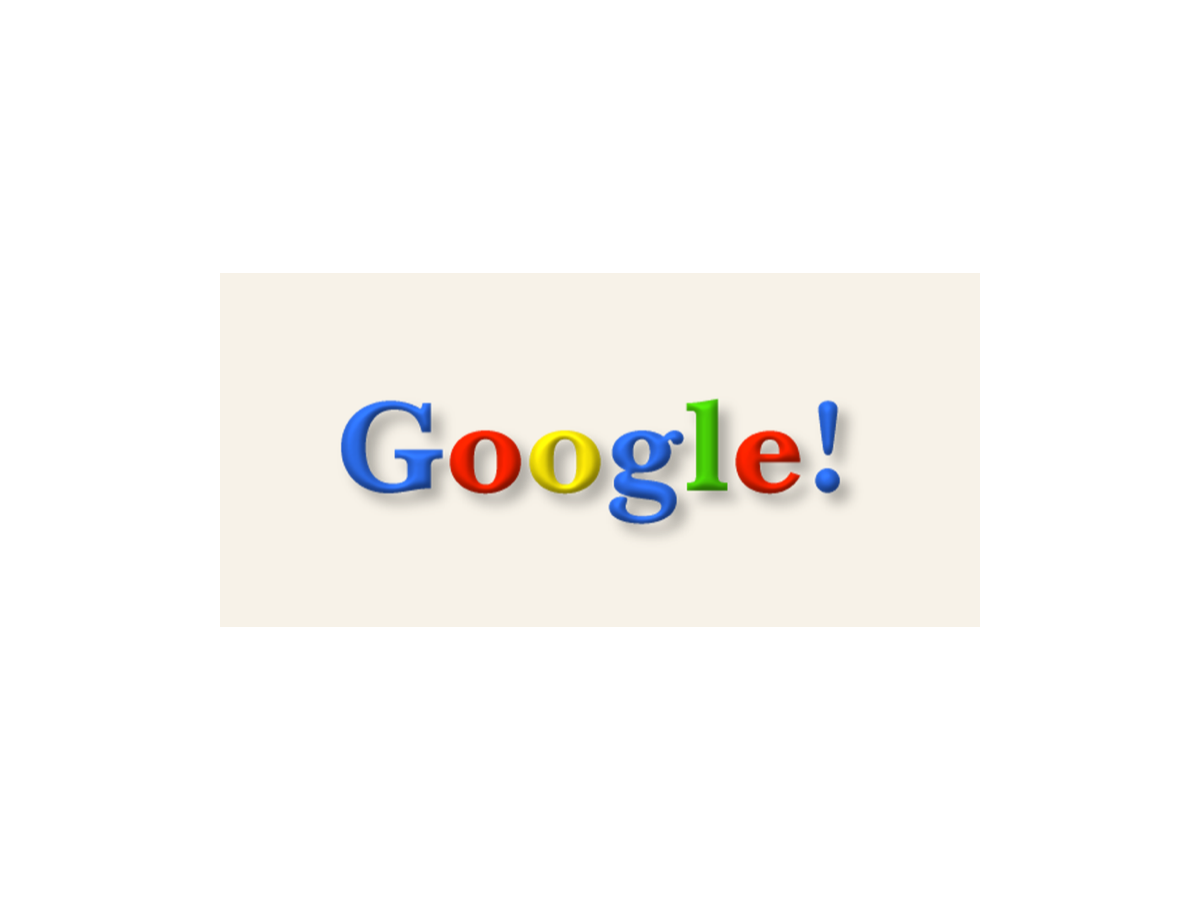
The early multicolor wordmark made the new search engine feel more approachable than the infrastructure behind it. source

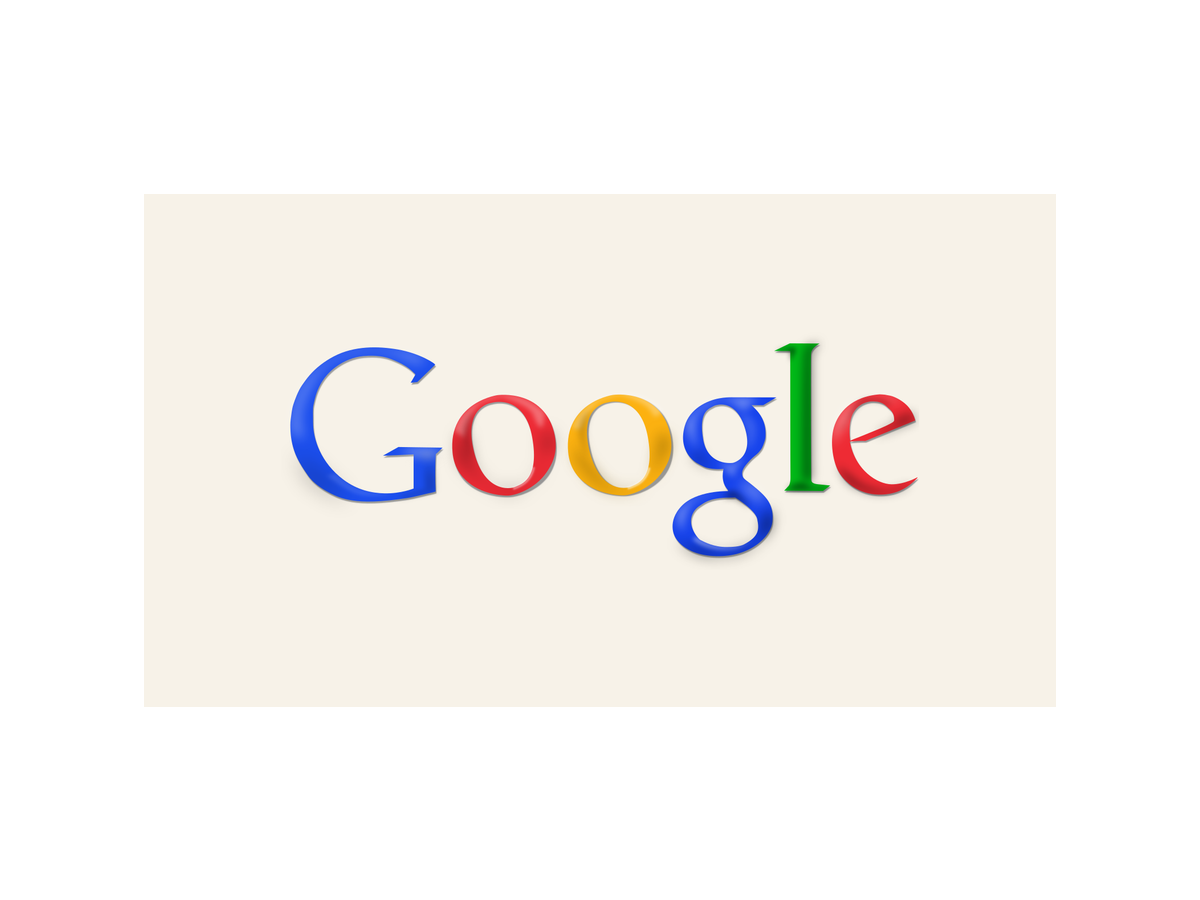
The familiar serif wordmark kept the color sequence while reducing dimensional effects as Google expanded across products and screens.
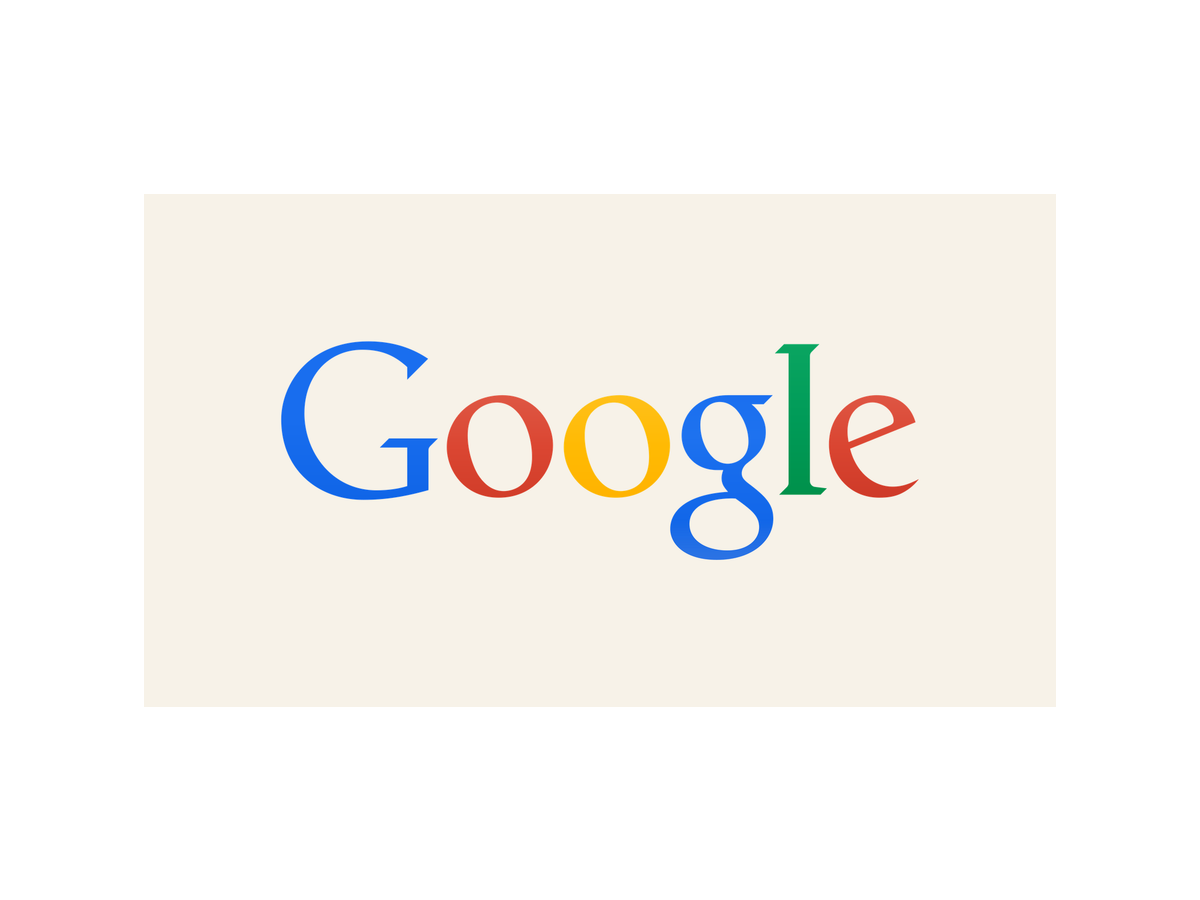
The flatter 2013 mark prepared the identity for smaller digital surfaces before the 2015 geometric wordmark shown in the page hero. source

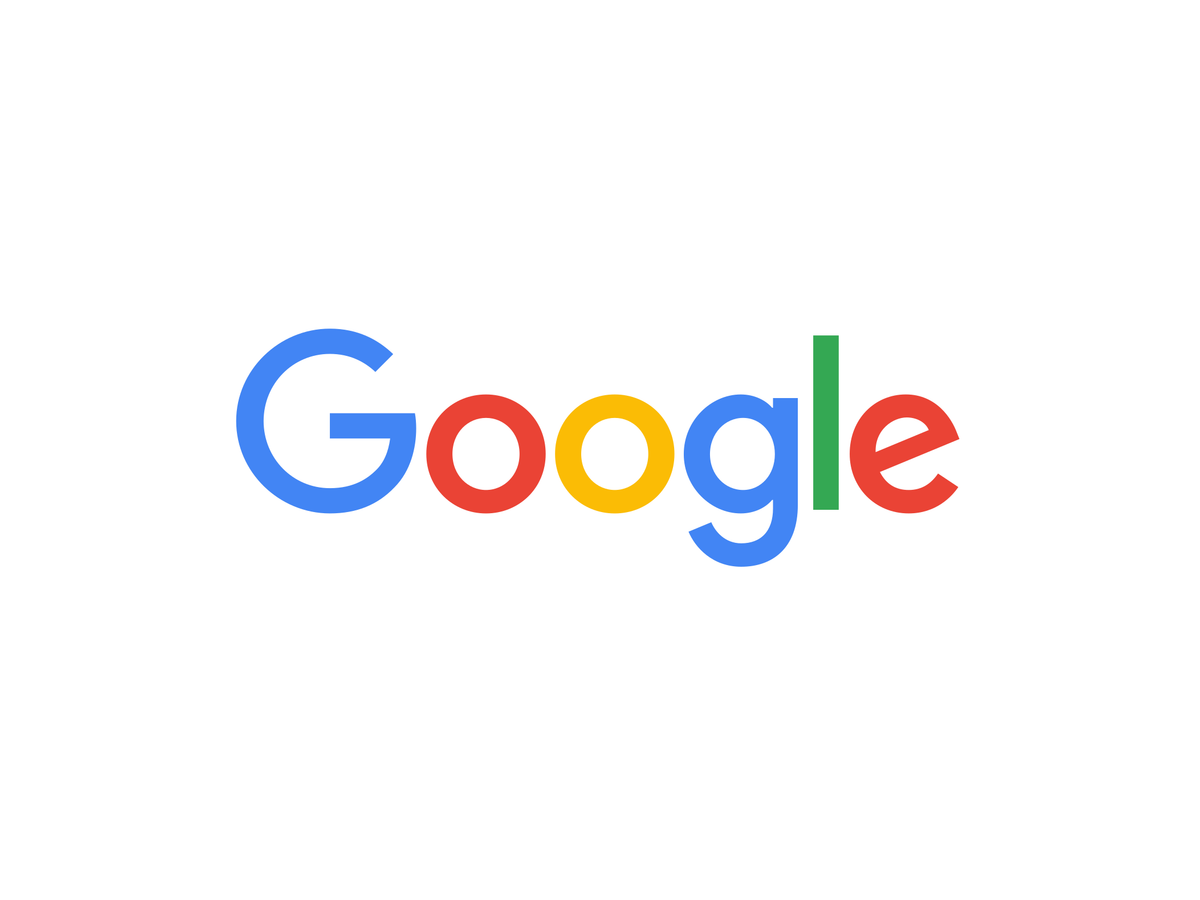
The 2015 geometric wordmark improves legibility across phones, apps, browsers, video, maps, cloud tools, and small digital surfaces. source
Product and service lineage.
This is not only a search page. The company-level signal moves through Search, Ads, Android, YouTube, Maps, Chrome, Gmail, Workspace, Cloud, Gemini, Pixel, and AI infrastructure.

Cloud infrastructure proof
Google's public utility depends on physical computing, power, networking, cooling, and operations that remain mostly invisible to the user.
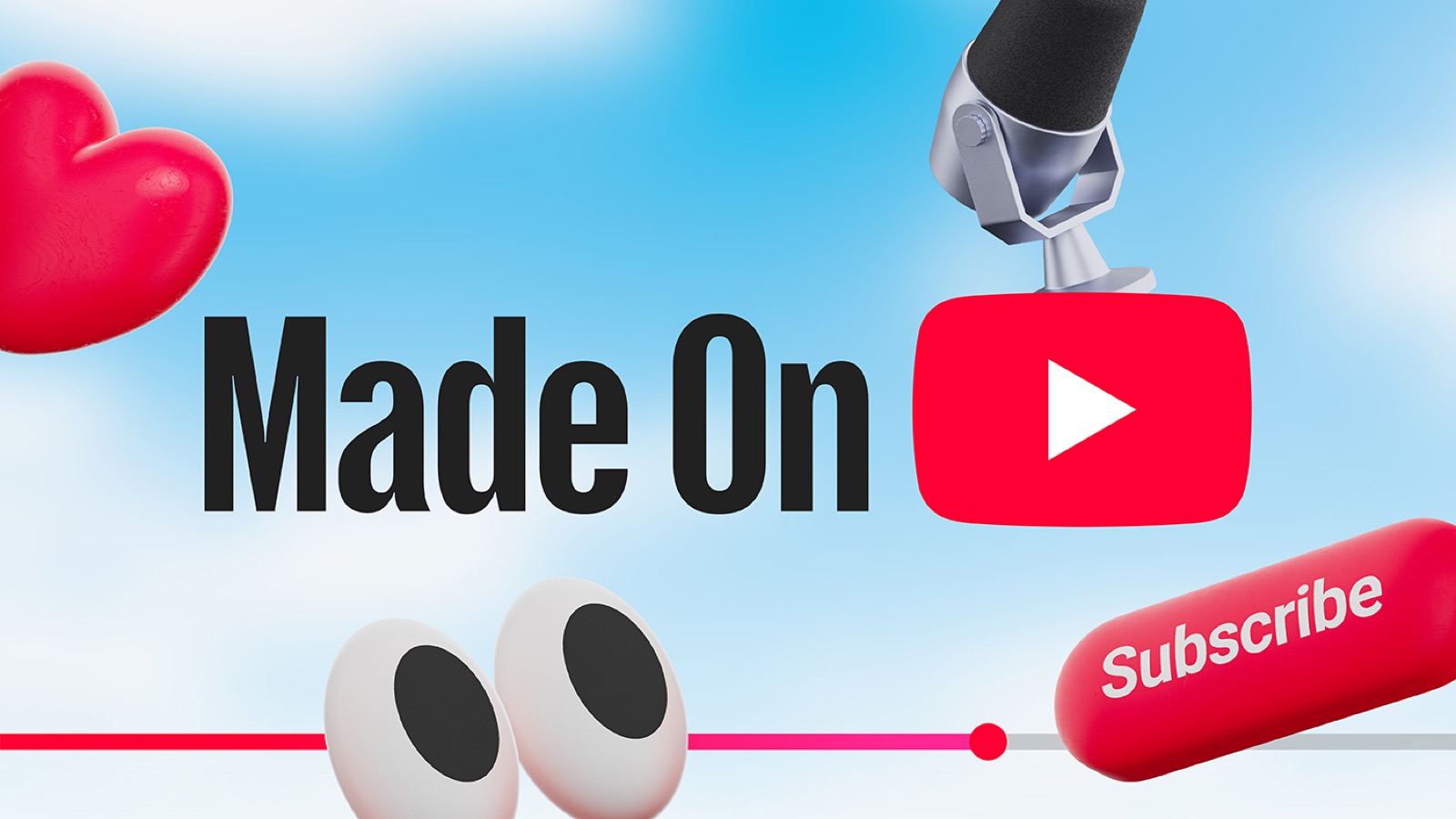
YouTube carries video and creator behavior
YouTube extends Google into global video, learning, music, subscriptions, advertising, and creator businesses.
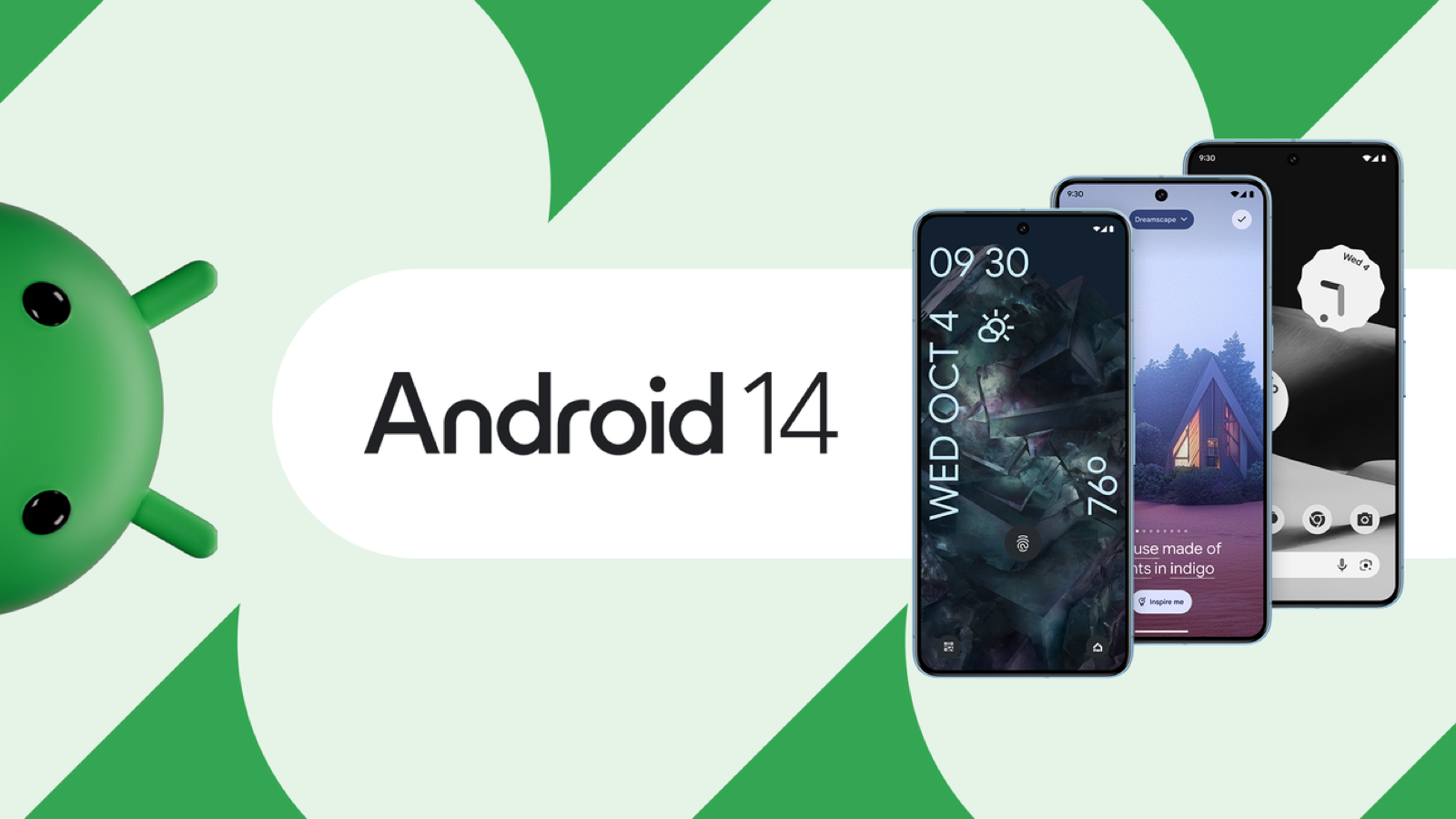
Android and Google Play carry mobile scale
Android, Google Play, Chrome, Maps, and Pixel move Google from a browser destination into the operating system and devices people carry.
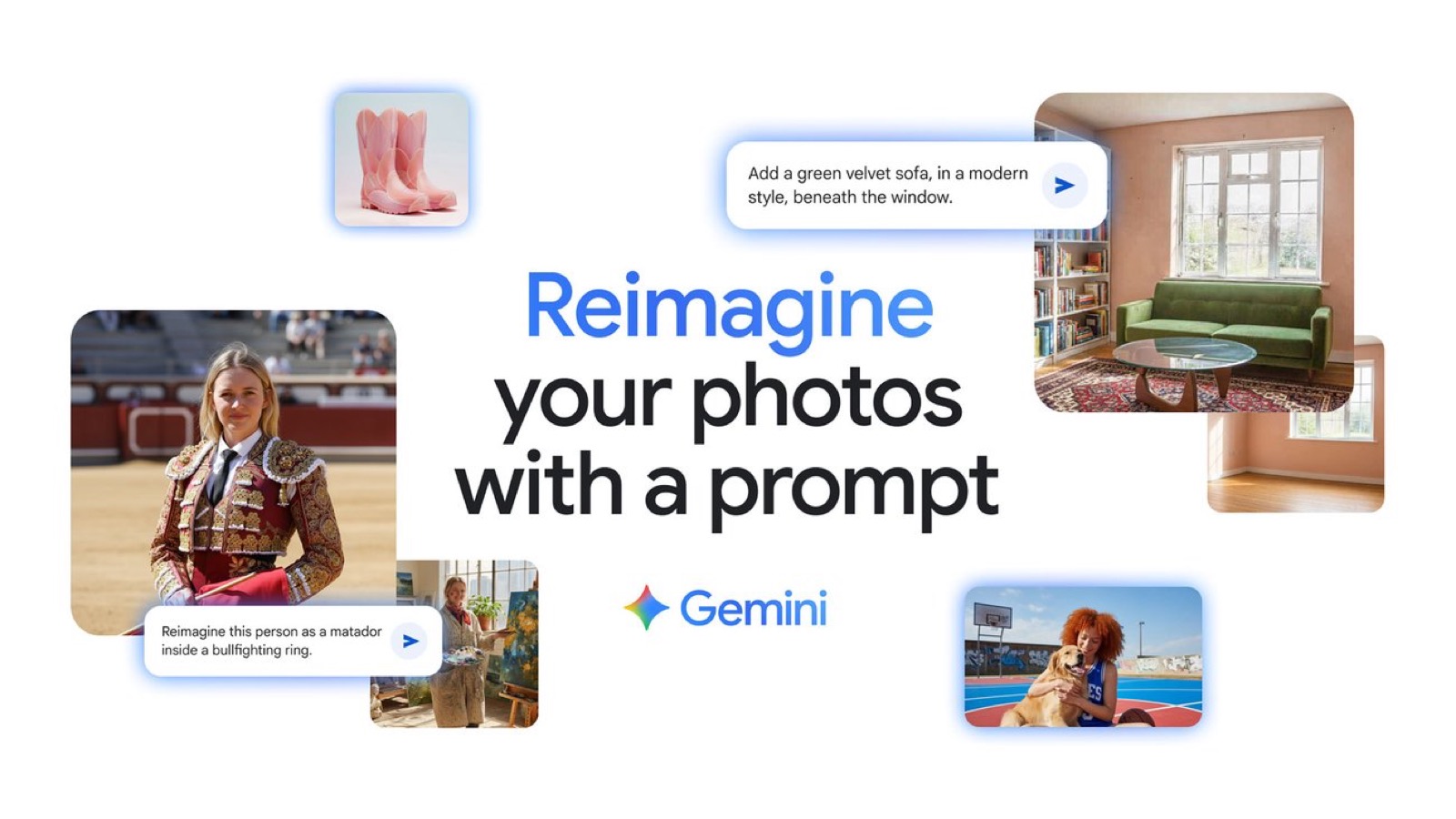
Gemini makes the AI layer explicit
Gemini and Google DeepMind connect models, assistants, developer tools, research, Search, Workspace, Android, and Cloud.
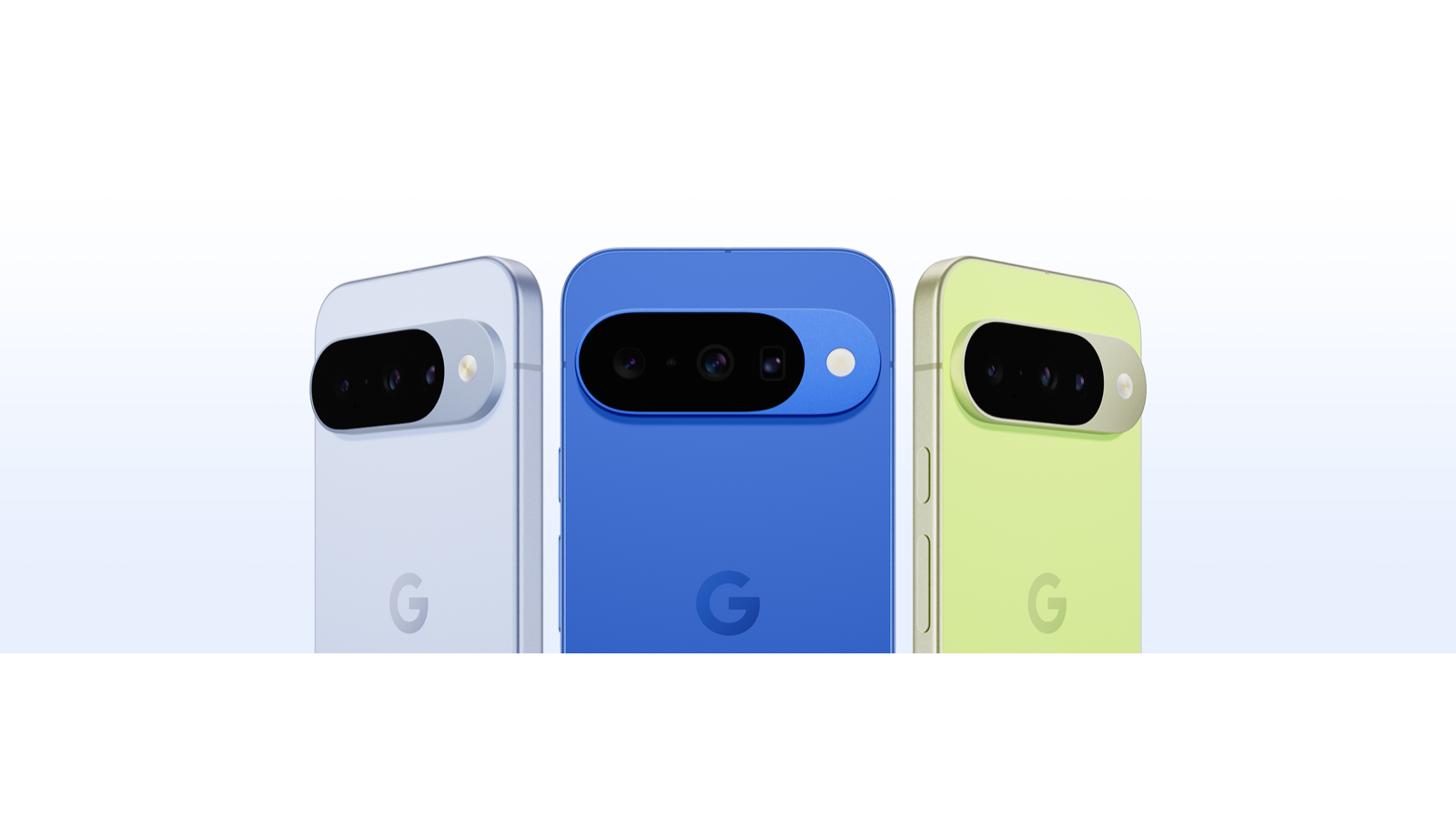
Pixel makes the hardware visible
Pixel phones, watches, earbuds, tablets, and connected-home devices give Google a direct hardware surface for Android and Gemini.
Product and service system
Search trains the public habit: a simple field that makes a technical index feel usable.
Advertising economics turn search attention and intent into the core business model.
Android takes the Google system into phones, apps, partners, device habits, and eventually Pixel hardware proof.
Video, location, and browser access make Google a daily tool family beyond the search box.
Enterprise tools and infrastructure move the brand into work, developers, storage, data, security, and computing.
Gemini and AI products test whether the brand can keep usefulness clear when answers, assistants, models, and workflows become the product.
Alphabet gives the company a parent structure for bets, governance, and investment that do not fit cleanly under one Google product promise.
Turning points.
Google's signal is tested where AI answers, advertising economics, data trust, search quality, platform control, mobile access, and Alphabet's parent structure meet.
Google's identity update made the mark, dots, and G more portable across desktop, phone, voice, app, and small-screen contexts.
Alphabet separated the public Google product system from the wider parent-company structure.
The Alphabet structure gives long-horizon businesses room to operate without asking the Google product promise to explain every investment.
Ads, Android, search quality, data policy, app distribution, and browser behavior can turn utility into trust pressure.
Generative AI moves Google from ranking paths toward producing answers and work, increasing the burden on accuracy, provenance, safety, and user control.
Google is building more efficient Gemini server-chip control while regulators press it to open services to AI and search competitors.
Public reaction.
Google retains enormous daily utility, while advertising power, data use, platform control, AI answers, and changing search behavior put the same scale under scrutiny.
The strongest Google signal is that people use the product family before they need a brand argument.
The larger the system gets, the more ads, data, AI, platform control, and answer quality become brand issues.
Full timeline.
Google Inc. is officially born after its founders develop the Backrub search engine at Stanford.
Google completes its initial public offering.
Google acquires YouTube.
Google launches Chrome and the first commercial Android phone reaches the market.
Alphabet becomes the parent company and Google introduces its current geometric wordmark system.
Google introduces the Gemini model family.
Alphabet reports FY2025 results across Google Services, Google Cloud, and Other Bets.
Steal / avoid.
- Make the first customer action painfully clear before widening the system.
- Let product utility, not decoration, carry the brand into adjacent surfaces.
- Separate parent-company architecture from the public product signal when the company becomes too broad for one product story.
- Use color as a memory system around a simple job, not as a replacement for product usefulness.
- Do not reduce Google to a search logo when Alphabet is the company and Google is the public signal.
- Do not copy the multicolor system without a simple user action underneath it.
- Do not let AI, ads, or platform control make the original usefulness promise feel less trustworthy.
- Do not confuse a broad product portfolio with a clear architecture.
Short answer.
Google's brand signal is usefulness made into a company system. Search became a public habit, then expanded through Ads, Android, YouTube, Maps, Chrome, Gmail, Workspace, Cloud, Gemini, Pixel, and AI infrastructure. Alphabet is the listed parent architecture. The lesson is to keep the first user action clear while every new surface proves why the wider system deserves trust.
Frequently asked questions
Is the card about Google or Alphabet?
Both. Alphabet is the parent company. Google is the public brand signal most people retrieve through Search, Android, YouTube, Maps, Chrome, Cloud, Gemini, Pixel, and tools.
What should another brand steal from Alphabet / Google?
Make the first user action clear, then let new products widen the system only when they prove useful in their own surface.
What should another brand avoid copying from Alphabet / Google?
Do not copy the color, minimal surface, or platform breadth without the product habit and trust proof underneath it.
Need help with your own brand?
Use Private brand work when your name, identity, proof, or message needs a sharper branding decision.
Sources.
Use the education shelf for the concepts behind this brand page.
Private brand workUse this when the decision belongs to your own brand.
All brandsReturn to every brand page.
- SEC company facts, Alphabet Inc. CIK 0001652044
- Nasdaq quote data, GOOGL last sale observed June 25, 2026
- Google, Company Story
- Google Design, Evolving the Google Identity
- Google, Google's Look Evolved
- Alphabet Investor Relations
- Alphabet 2025 Form 10-K
- Google Android
- Google Gemini
- Google Cloud
- Wikimedia Commons, Google 2015 logo file
- Wikimedia Commons, historical Google wordmarks
- Alphabet market capitalization
