Android™ · Grow Your Brand · Platform reach leader · United States / Google product-platform masterbrand
Android
Android: the open platform people recognize by one small robot. Android scales across makers, devices, and form factors. The brand works when the platform promise, partner system, and bugdroid remain legible without pretending Android is a standalone company.
Positioning, name, and architecture.
Android is a Google-developed product platform built with the Open Handset Alliance. Its strategic job is to feel open enough for makers and developers while staying recognizable across billions of devices.
Android combines a broadly adopted device platform with maker choice and a globally recognizable mascot.
Android is the choice-led connected-device platform whose bugdroid and partner breadth make one operating system recognizable across many makers.
Android was the name of the acquired mobile-software company that became Google’s operating-system platform.
No verified current global masterbrand slogan is used as operating proof.
endorsed platform ecosystem
AOSP is the open-source base; Google Play and licensed Google services are separate layers. The Android masterbrand spans partner hardware without turning every maker into a Google sub-brand.
Provides the public source foundation and compatibility reference.
open-source base: Android Open Source Project source
Carry the largest daily-use footprint.
core device platform: Android source
Extends the platform into driving and vehicle systems.
mobility layer: Android Auto and Android Automotive OS source
Extends notifications, health, and assistants to the wrist.
wearable layer: Wear OS source
Extends apps and entertainment to large screens.
living-room layer: Android TV source
Adds security, deployment, and fleet controls.
management layer: Android Enterprise source
Naming and tagline progression
Be together. Not the same.
Product and platform proof now carries the brand more reliably than one campaign line.
Market and scale snapshot.
Android does not report standalone financials. The only responsible finance view is Alphabet and Google Services context, clearly labeled as parent and segment - not Android revenue.
Alphabet does not publish Android-only revenue. Google Services, which includes Android among many products, reported USD 94.540B in Q2 2026.
Android-only profit is unavailable. Google Services operating income was USD 39.544B in Q2 2026.
Alphabet Q2 2026 total revenue; parent context only.
NASDAQ: GOOGL / GOOG. Android is not separately listed.
Color system.
Green is the mnemonic, not the wallpaper. Dark teal and white hold the technical system together while the green appears where recognition matters.
How the palette behaves
Android green signals openness, energy, and the bugdroid.
Deep teal gives the platform technical authority without copying Google blue.
Near-white keeps dense device and partner information legible.
High contrast matters because the 2019 identity update explicitly addressed accessibility.
Recognition assets.
Android is recognized through a compact system: the bugdroid, green signal color, release naming, and a device family much broader than phones.
A small robot head carries playfulness and platform memory without showing a phone.
The bright signal color creates continuity across software, partner launches, and developer material.
Phones, foldables, tablets, watches, televisions, and cars turn architecture into visible proof.
Numeric public release names make the system clearer across languages and regions.
Scores.
Eight signals separate recognition from operating proof.
The robot and green are globally distinctive.
The platform is broad, but Google-service boundaries need explanation.
One system works across many makers.
Open-source, privacy, security, and service layers can be confused.
Contrast and naming clarity are explicit identity jobs.
Device and form-factor breadth is visible.
The platform moves from phones into more connected contexts.
Scale and partner breadth define the category.
How the logo changed.
Android keeps recognition in one mascot while changing how much of the robot appears and how dimensional it feels. The protected Android wordmark is intentionally not reproduced.
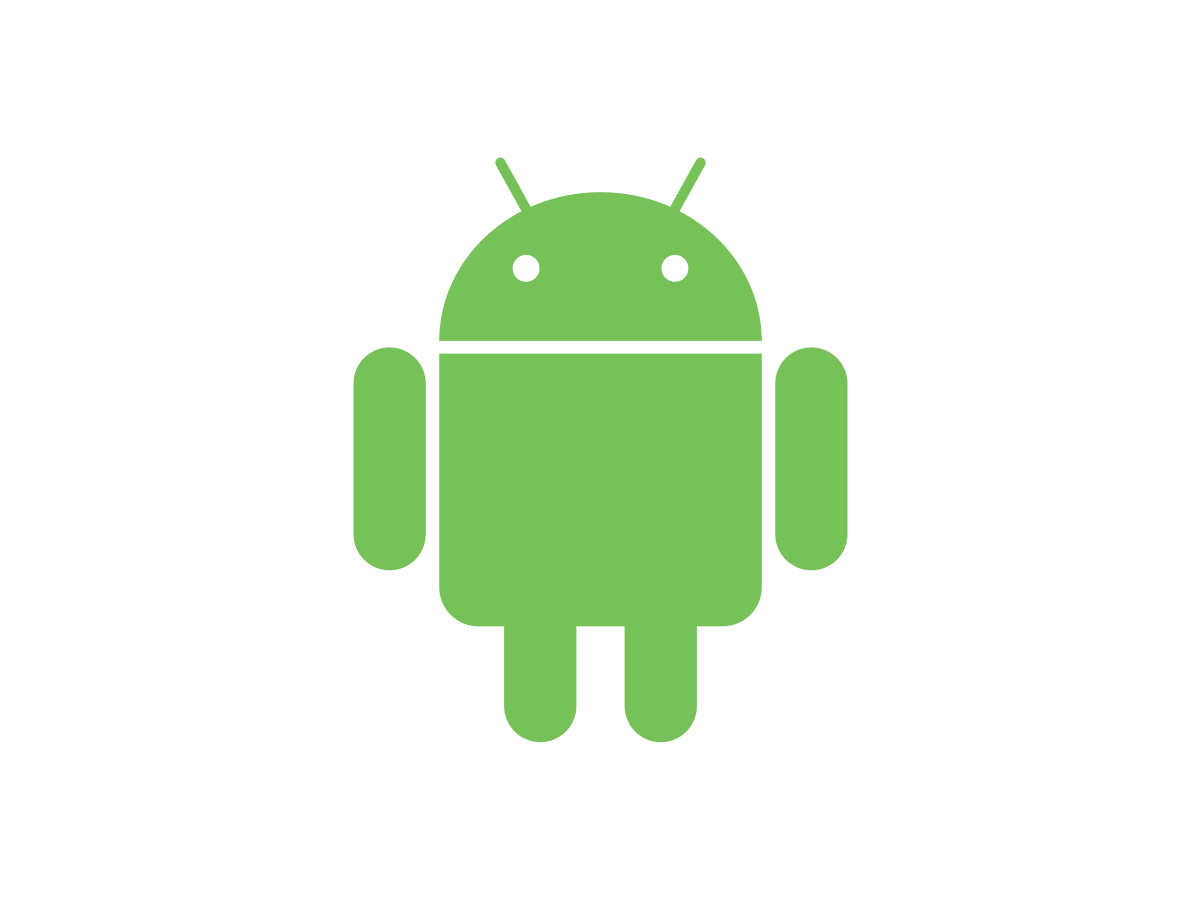
The 2014 green full-body robot kept Android recognizable as a flexible platform mascot without using the restricted wordmark.
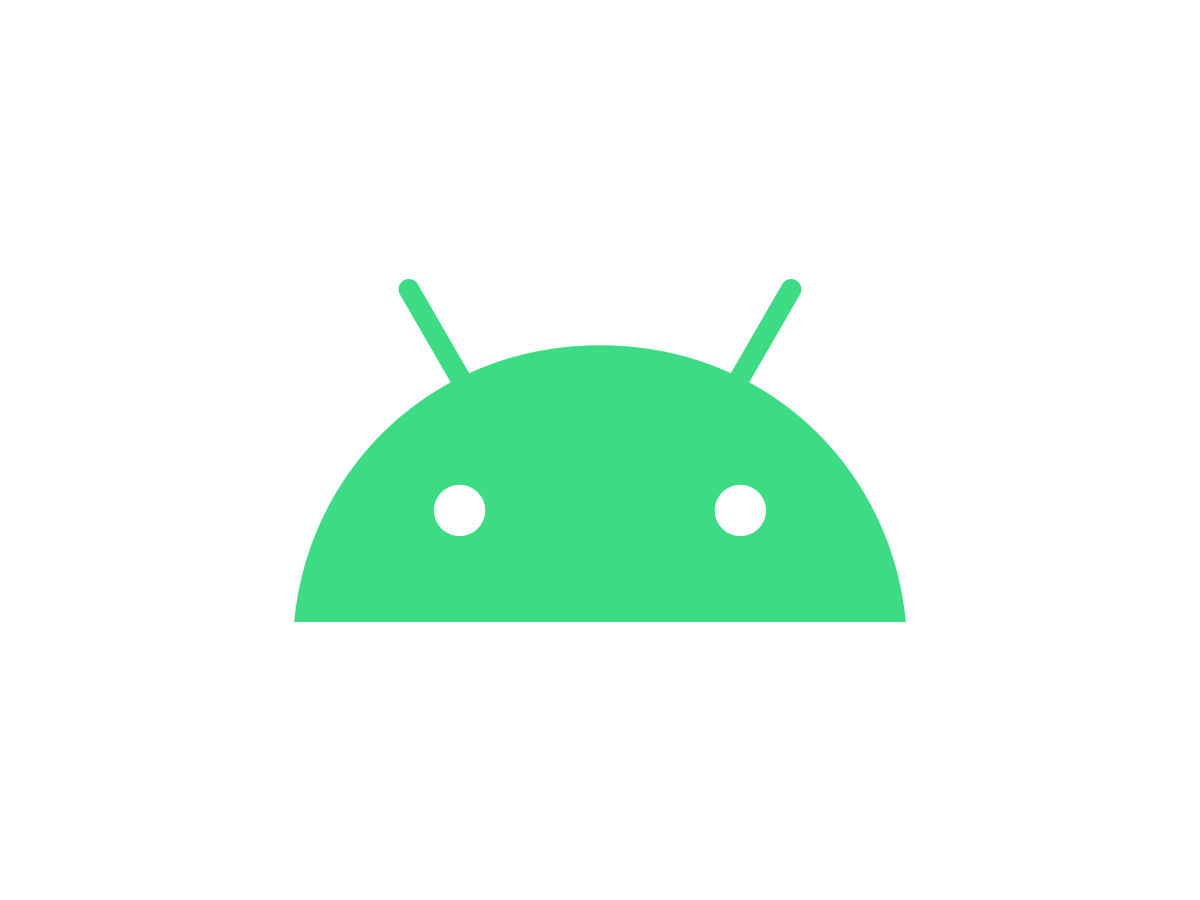
The 2019 system isolated the robot head, improving small-scale recognition while preserving the familiar antennae and green color.
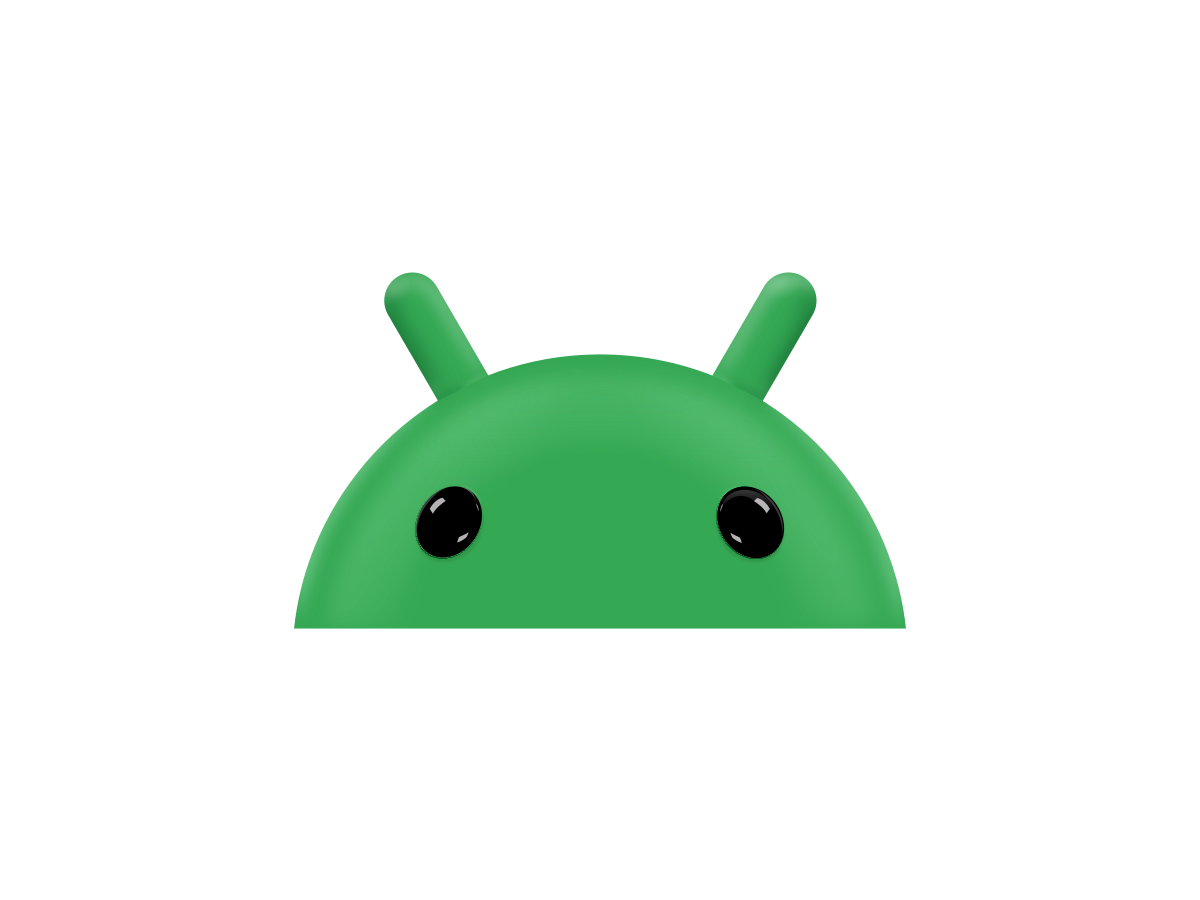
The 2023 dimensional robot head turns the mascot into a more expressive system while keeping its core shape immediately familiar. source
Product and service lineage.
Android earns brand coherence by connecting different hardware and audiences, not by making every product look identical.
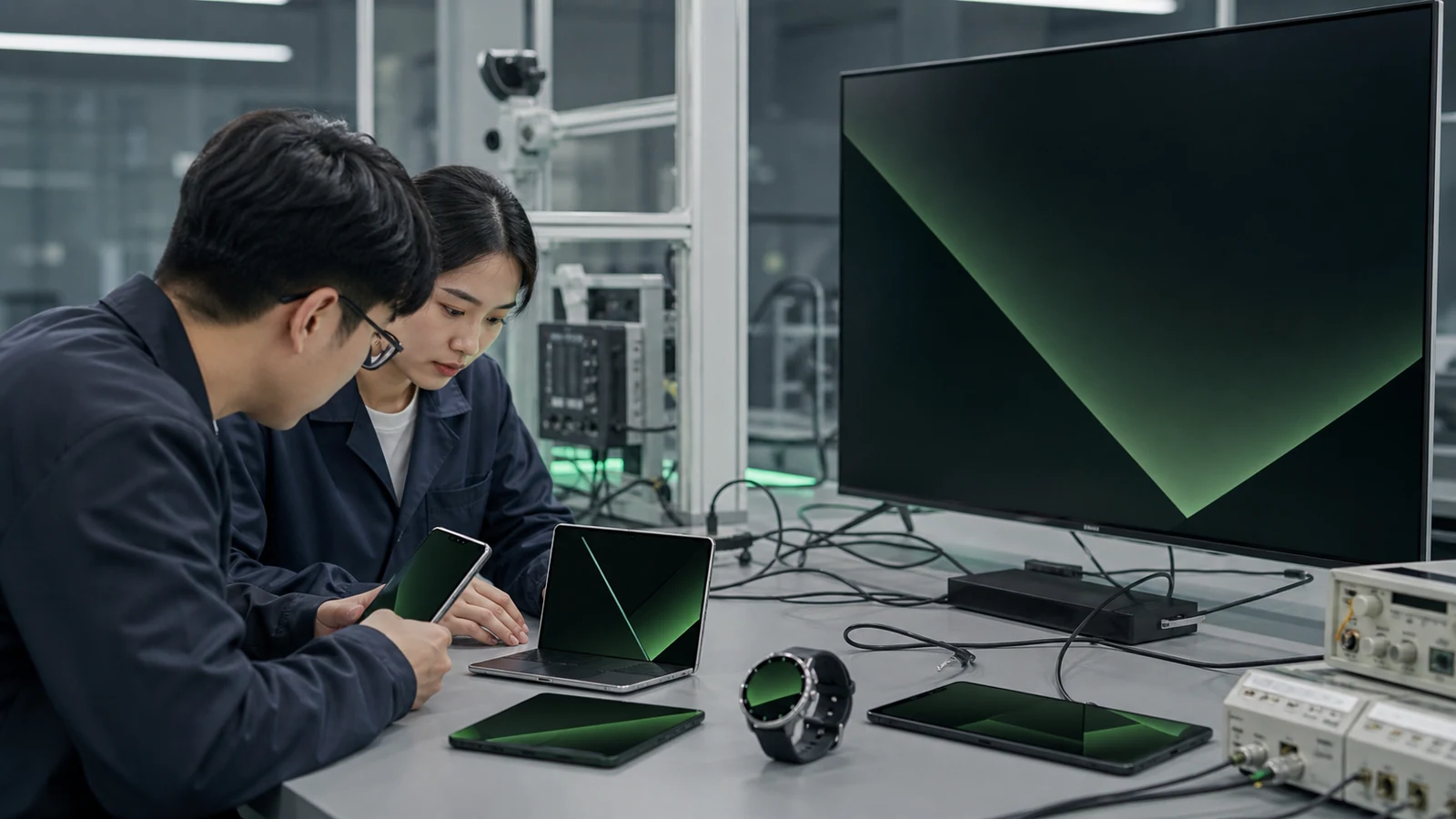
Compatibility as a brand promise
The platform only feels coherent when software behaves across makers and form factors.
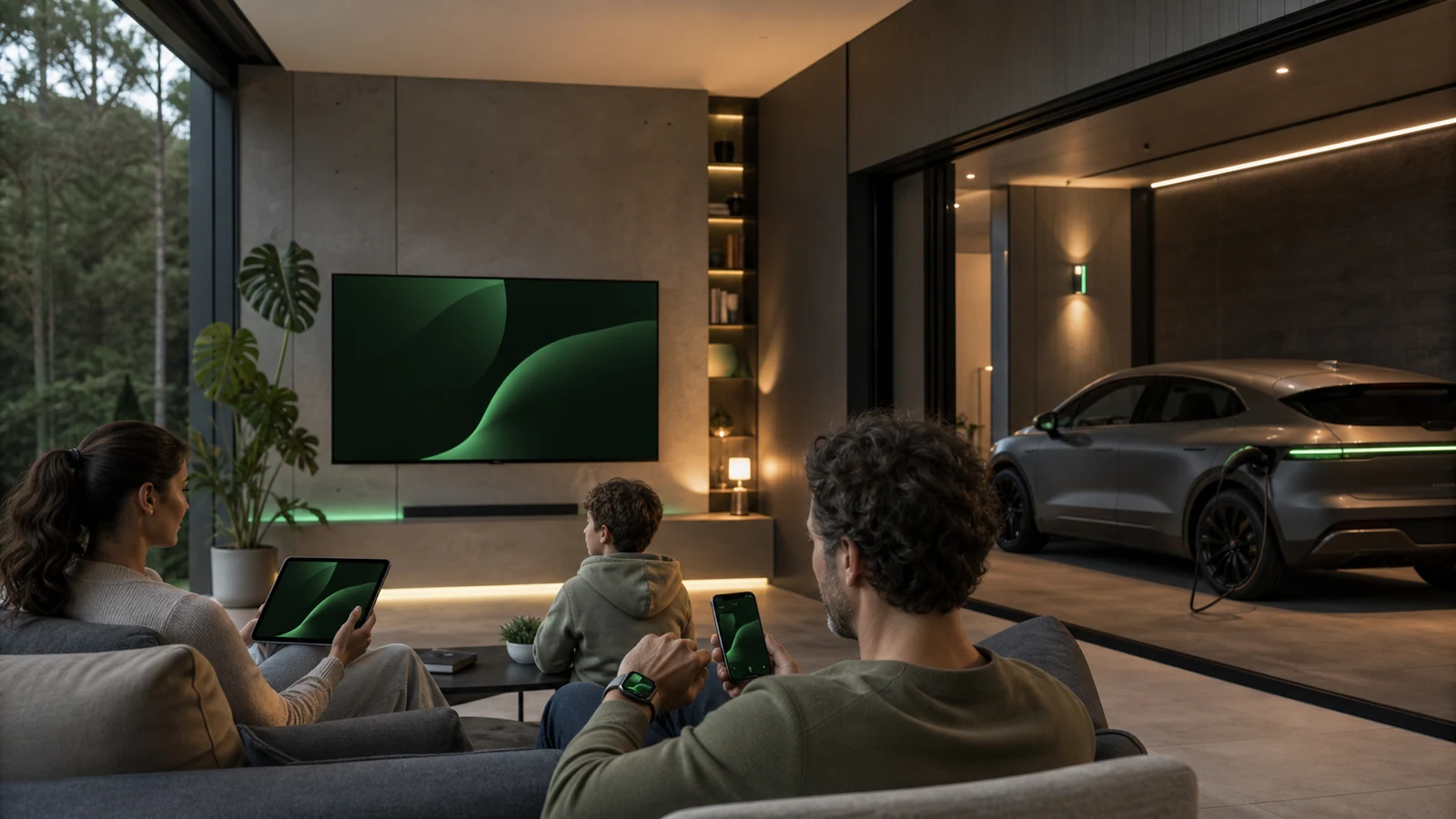
Beyond the phone
Android’s reach extends into tablets, cars, watches, televisions, and other connected contexts.
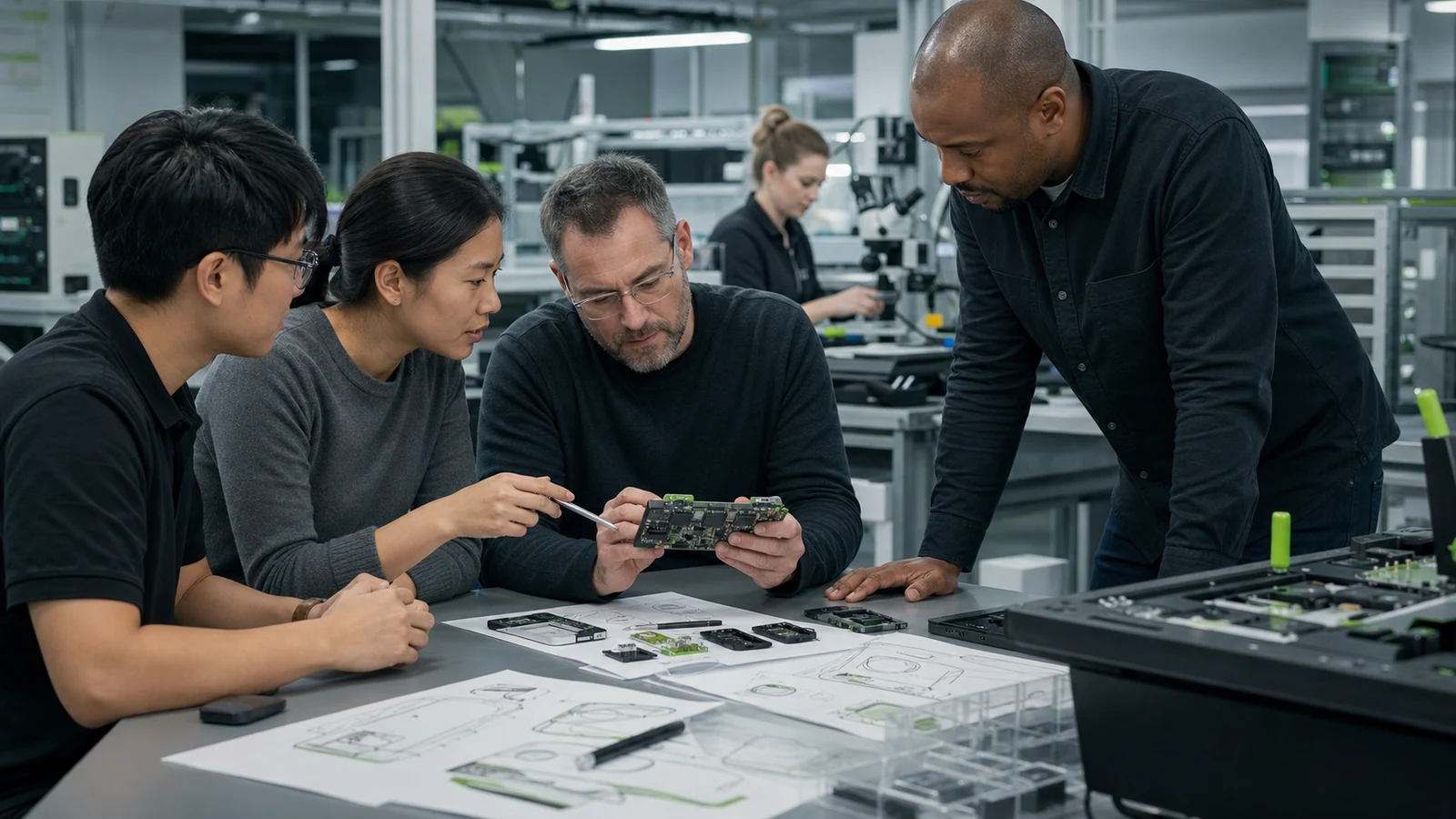
Partner ecosystem
Device makers and developers create the variety that gives Android its choice-led position.
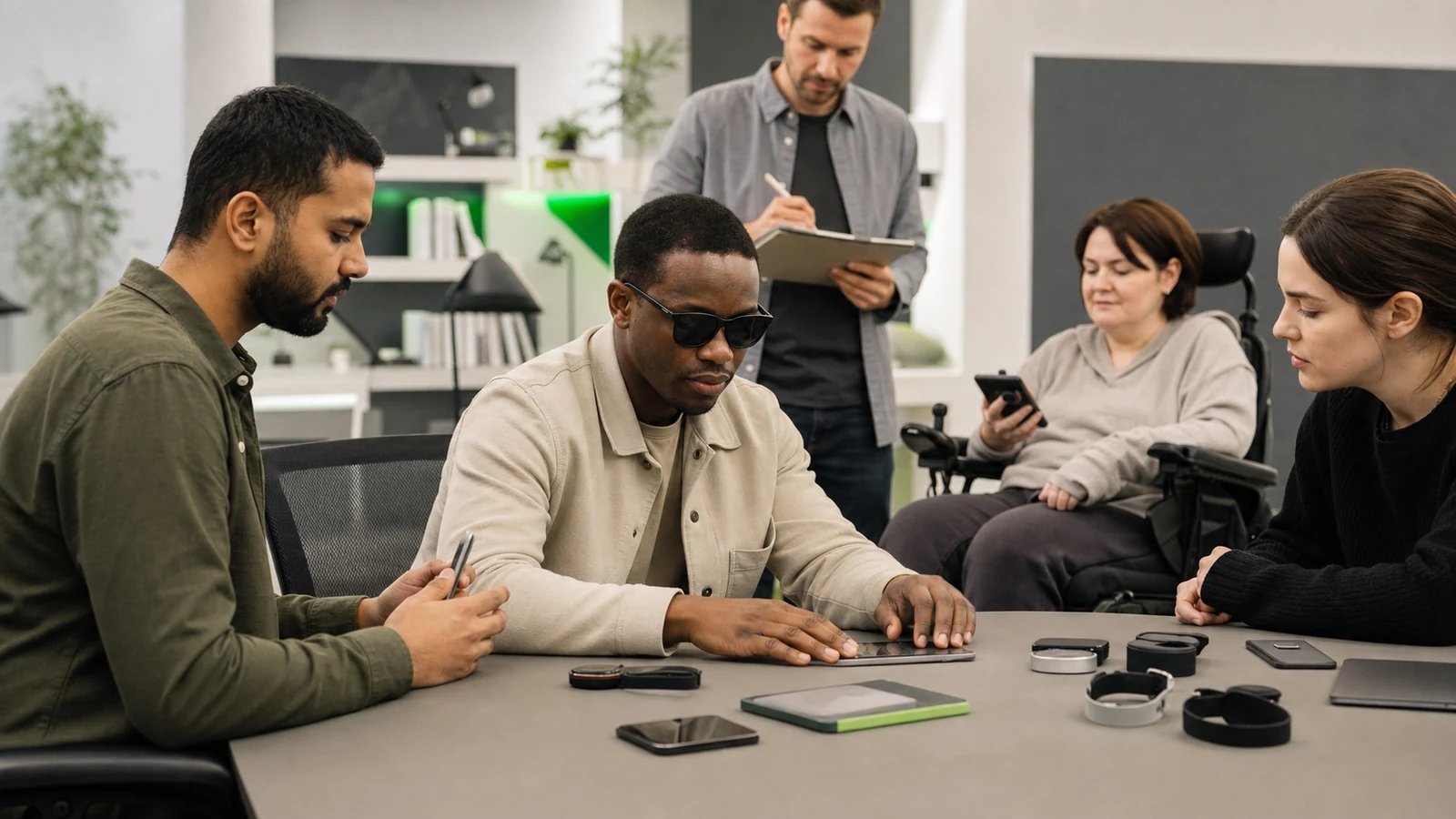
Inclusion in the system
Accessibility is both a product requirement and a reason the 2019 identity moved toward clearer contrast.
Product and service system
Phones and tablets carry the largest daily-use footprint.
Adaptive layouts prove the platform can stretch into new hardware.
Wear OS moves the system to the wrist.
Android Auto and Android Automotive OS carry services into mobility.
Android TV extends apps and entertainment to large screens.
Management and security controls make the platform deployable at work.
Turning points.
Three decisions changed how Android is understood.
Google and the Open Handset Alliance announce Android.
The brand adopts a rounded green wordmark and the “Be together. Not the same.” platform idea.
Android moves to numeric public release names and a higher-contrast identity.
The capital-A wordmark and dimensional bugdroid connect Android more clearly to Google.
Google reports more than 3B active devices across more than 190 countries.
Android 17 becomes available for supported Pixel devices while partner beta programs continue.
Public reaction.
Android’s strength and criticism come from the same thing: it is broad, adaptable, and split across many actors.
People can move across many price points, devices, and form factors without leaving the operating-system family.
The bugdroid gives a highly technical platform a friendly mnemonic that works beyond one device.
Update timing, interfaces, and support can vary across makers, weakening the sense of one coherent system.
AOSP, Google Play, licensed Google services, and partner layers are often collapsed into one vague claim.
Full timeline.
Android and the Open Handset Alliance are announced.
The first commercial Android device brings the platform into public use.
Android introduces the choice-led “Be together. Not the same.” platform.
Numeric release naming and a higher-contrast identity launch.
A dimensional bugdroid and updated identity system launch.
Android reports more than 3B active devices in more than 190 countries.
Steal / avoid.
- Build one mnemonic that partners can carry.
- Use architecture language to explain ownership and permission.
- Make accessibility part of identity decisions.
- Let product breadth prove the promise.
- Do not call Android a standalone public company.
- Do not label Google Services revenue as Android revenue.
- Do not collapse AOSP and Google Play into one open-source claim.
- Do not redraw or casually deploy the restricted Android wordmark.
Short answer.
Android is a Google-developed product-platform masterbrand created with the Open Handset Alliance. Its strongest brand signals are the bugdroid, Android green, numeric release naming, and a platform spanning phones, tablets, cars, watches, televisions, and enterprise devices. Google reported more than 3 billion active devices across more than 190 countries in May 2025. Android does not disclose standalone revenue or profit; Alphabet and Google Services figures are parent and segment context only.
Frequently asked questions
Is Android a company?
No. This page treats Android as a Google-developed product and platform masterbrand, not a standalone public company.
Is all of Android open source?
AOSP is open source. Google Play and licensed Google services are separate layers with their own agreements.
What is Android’s strongest brand signal?
The bugdroid is the clearest mnemonic, supported by Android green and visible use across many device types.
Need help with your own brand?
Use Private brand work when your name, identity, proof, or message needs a sharper branding decision.
Sources.
The Android robot is reproduced or modified from work created and shared by Google and used according to terms described in the Creative Commons 3.0 Attribution License. Android is a trademark of Google LLC.