AT&T · Grow Your Brand · Connectivity masterbrand · United States / Active / public company
AT&T
AT&T keeps rebuilding one connection promise on new networks. An AT&T brand page about continuity through structural change: the globe, the name, and the promise of connection moving from long distance to wireless, fiber, business networks, and a deliberate exit from legacy copper.
Positioning, name, and architecture.
Three evidence checks before the page talks about scale, color, or public reaction.
AT&T combines owned wireless and fiber infrastructure under one name and increasingly sells the value of convergence across home, work, and mobile use.
AT&T positions connection as infrastructure that increases possibility, with 5G and fiber replacing a much broader recent corporate story.
AT&T abbreviates American Telephone and Telegraph. The present AT&T Inc. took the name in 2005 when SBC Communications acquired AT&T Corp.; the brand history is continuous, but the corporate lineage must be stated carefully.
Connecting Changes Everything
branded connectivity portfolio
AT&T Inc. is the listed parent. AT&T, AT&T Fiber, AT&T Business, Cricket, AT&T PREPAID, FirstNet, and AT&T Mexico are offers or operating brands, not substitute corporate entities. DIRECTV is outside the current consolidated operating portfolio after the 2025 sale of AT&T's remaining interest.
Nationwide wireless service and equipment for consumer, business, wholesale, and connected-device use.
business unit: AT&T wireless source
AT&T Fiber, fixed wireless access, and remaining voice services connect the home.
business unit: AT&T Fiber source
Fiber, IP voice, fixed wireless, and managed services connect organizations.
business unit: AT&T Business source
Wireless service and equipment in Mexico extend the brand beyond the U.S. network.
reportable segment: AT&T Mexico source
Naming and tagline progression
American Telephone and Telegraph names the original long-distance network task.
SBC adopts the AT&T name after acquiring AT&T Corp.
Connecting Changes Everything restates the enduring idea rather than a specific network technology.
Market and scale snapshot.
AT&T Inc. reports in U.S. dollars. The snapshot uses the listed parent and does not substitute figures from Mobility, AT&T Fiber, AT&T Mexico, FirstNet, or former DIRECTV interests.
GAAP service and equipment revenue reported by AT&T Inc.
GAAP attributable net income; the annual report and earnings release disclose transaction and other significant items.
Balance-sheet total at 31 Dec 2025.
AT&T Inc. is the listed parent with no disclosed corporate parent.
Color system.
Blue and the globe are the recognition system; coverage, installations, and connected use must carry the proof.
How the palette behaves
Blue keeps the network cue immediate without turning the page into a color field.
Deep ink gives infrastructure and financial detail enough weight.
White keeps the globe, devices, and field scenes easy to inspect.
Recognition assets.
Memory pieces the brand can use before someone finishes a sentence.
The globe compresses reach and connection into one repeatable cue.
The name carries memory, but the 2005 corporate lineage still needs explicit explanation.
The modern promise is strongest where customers can see or use the network.
Scores.
Use these scores to compare recognition, trust, proof, pressure, and risk.
The AT&T name and globe have an unusually long official identity record.
Wireless, fiber, business networks, and FirstNet create distinct operating proof.
The finance snapshot stays at AT&T Inc. and notes material transaction effects.
The current connectivity focus is clear once former media and DIRECTV boundaries are stated.
The globe can remain a small cue while real network use carries the page.
The brand shows how an old promise can survive repeated technology transitions.
Annual reports, investor pages, and official brand history anchor the package.
The 2005 SBC-to-AT&T lineage and current portfolio boundary are stated directly.
How the logo changed.
AT&T's official intellectual-property archive supplies dated masterbrand marks; normalization and visual authentication remain for the independent visual lane.
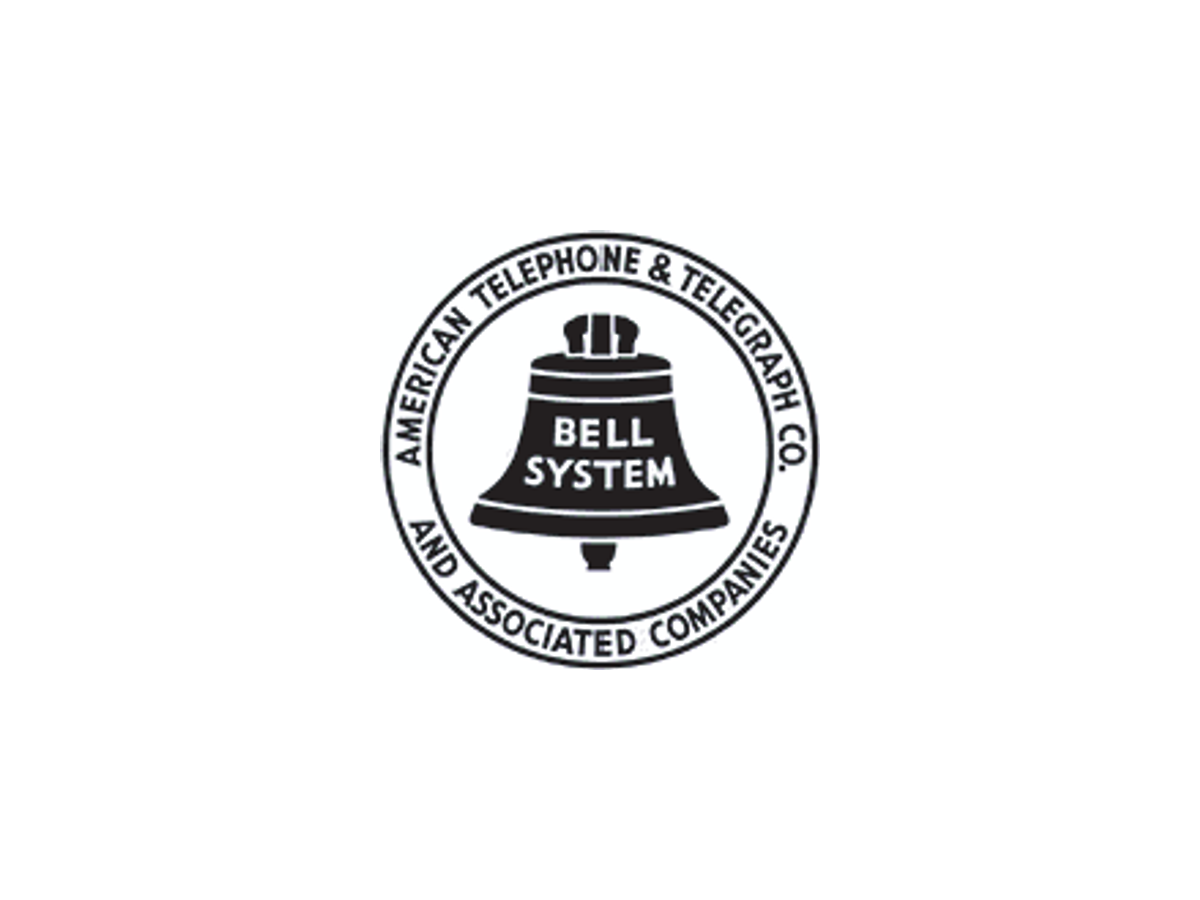
The official archive shows the Bell System corporate signature before the globe identity arrived. source
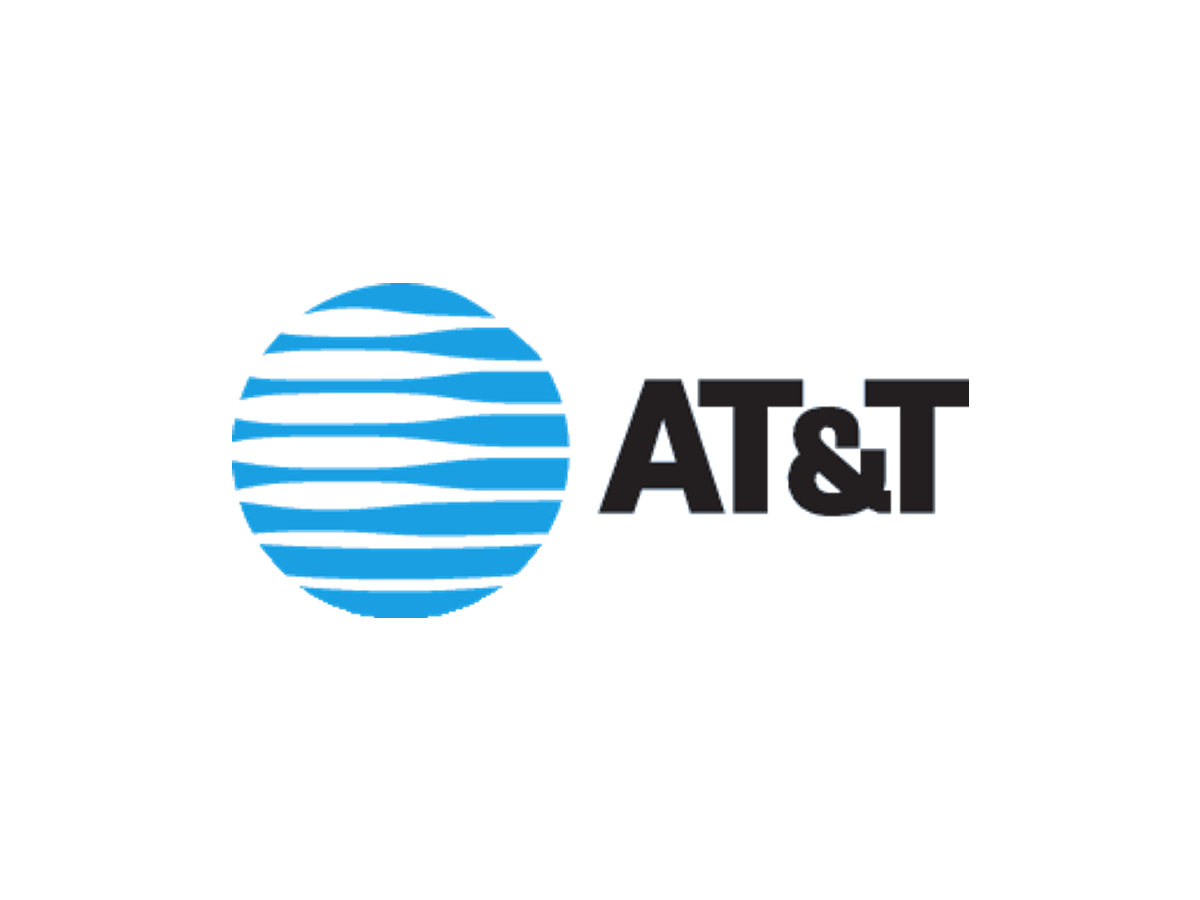
The official archive records the shift from the bell to a striped globe before divestiture reshaped the system. source


The current official media system retains the globe and AT&T wordmark after the 2005 name transfer. source
Product and service lineage.
Each generation keeps the connection idea while changing the infrastructure and customer surface.

Wireless makes reach personal
The network promise appears at the moment a person can connect while moving.

Fiber makes infrastructure visible
An installation turns a large network claim into a physical household proof point.

Business connectivity raises the complexity
The same name must carry reliability across managed, voice, fiber, and fixed-wireless services.

Public safety raises the trust bar
FirstNet makes network availability a mission-specific operating responsibility.
Product and service system
The original AT&T name described the task of building a long-distance telephone network.
Cingular consolidation and the AT&T name moved the system into nationwide mobile service.
AT&T Fiber turns the connection promise into a visible home and business installation.
The current strategy joins wireless and fiber across home, work, and mobile use.
Turning points.
AT&T's middle history matters because the name, entity, and network do not follow one simple line.
The former AT&T divests local operations into seven Regional Bell companies.
Deregulation accelerates SBC expansion through regional acquisitions.
SBC acquires AT&T Corp. and renames itself AT&T Inc.
AT&T gains full ownership of the nationwide wireless business.
AT&T reports approval to discontinue legacy service in more wire centers while growing advanced connectivity.
Public reaction.
Recognition strength and operating pressure come from official evidence, not invented sentiment scoring.
Connection remains legible from telephone history through wireless and fiber.
Legacy copper decline and intense wireless and broadband competition force the network to prove the brand now.
Full timeline.
Bell Telephone Company is founded
American Telephone and Telegraph is established
First transcontinental telephone call
Bell System divestiture takes effect
Telecommunications Act accelerates competition
SBC acquires AT&T Corp. and adopts the name
BellSouth and Cingular consolidate
Remaining DIRECTV interest is sold
Legacy copper exit accelerates
Steal / avoid.
- Keep the promise stable while the delivery technology changes.
- State brand continuity and legal-entity continuity separately when history is complicated.
- Use infrastructure transition as current proof instead of relying on history alone.
- Do not describe the present company as an unbroken legal continuation of every Bell-era entity.
- Do not keep former media or DIRECTV operations inside the current connectivity architecture.
- Do not convert company-reported network claims into unsourced customer endorsement or superiority claims.
Short answer.
AT&T Inc. is a U.S. public connectivity company focused on wireless, fiber, business networks, and Mexico. The brand traces to American Telephone and Telegraph, but the current corporate lineage reflects SBC Communications' 2005 acquisition of AT&T Corp. and adoption of the AT&T name. Its strongest current signal is connection delivered through scaled wireless and fiber infrastructure.
Frequently asked questions
What is AT&T's core brand signal?
Connection that expands what people and organizations can do.
What does AT&T stand for?
The initials come from American Telephone and Telegraph.
Is today's AT&T the same legal company founded in the nineteenth century?
The brand traces to that history, but the present AT&T Inc. took the name in 2005 after SBC Communications acquired AT&T Corp.
What should another brand learn from AT&T?
A durable promise can survive repeated technology changes only when the current infrastructure visibly earns it.
Need help with your own brand?
Use Private brand work when your name, identity, proof, or message needs a sharper branding decision.