Bowery Farming · Grow Your Brand · Bowery Farming failure case study · United States / Ceased all operations in November 2024 and entered an assignment for the benefit of creditors
Bowery Farming
Bowery Farming failed when expansion outran the economics inside the farm. The company raised more than USD 700 million, reached a USD 2.3 billion financing-round valuation, and added a USD 150 million credit facility. It still ceased operations in November 2024.
Positioning, name, and architecture.
Bowery combined indoor farms, BoweryOS software, robotics, packaged greens, strawberries, and retail distribution under one controlled-agriculture promise.
Software-controlled indoor farms located closer to demand
Bowery positioned the farm itself as proof. The model failed when capital and facility economics could not sustain that proof.
Bowery tied the company to New York and to the Dutch word bouwerij, meaning farm.
Food. Grown smarter.
Branded house around farms, produce, software, research, and robotics
BoweryOS, Farm X, Traptic robotics, farms, and produce lines were parts of one operating system. Their post-closure disposition is not proven as one surviving portfolio.
Controlled farm conditions and production decisions.
operating layer: proprietary farm software source
Plant science and crop-expansion research.
research: R&D center source
Added robotic harvesting capability.
acquired robotics: robotic crop handling source
Turned the indoor-farm method into packaged greens sold through grocery retailers.
retail product line: leafy greens and herbs source
Naming and tagline progression
Indoor-farm and local-freshness promise
Force for good / grow food for a better future
Big impact. Big flavor. Eat up.
Market and scale snapshot.
Bowery was private. Revenue and profit were not publicly disclosed, so the page uses dated financing, debt, closure, and asset-sale evidence instead of invented operating numbers.
The company did not publish audited revenue; an old percentage-growth claim has no usable base.
Profit and loss were private; operations ceased and an ABC process followed.
May 2021 financing-round evidence plus the January 2022 KKR credit facility. The valuation is not current, and the amount drawn was not publicly verified.
Equipment auctions do not prove a successor for the company or brand.
Color system.
The 2023 blue system moved Bowery away from a predictable all-green agriculture identity. Green still proved the crop; blue carried the controlled-environment story.
How the palette behaves
Bowery blue: controlled clarity. 2023 packaging and arched identity.
Crop green: freshness and yield. produce and grow-rack surfaces.
Coral: shelf energy. 2023 brand-evolution accents.
Recognition assets.
Blue produce packaging, vivid greens, indoor grow racks, and a direct no-pesticide message made the operating system visible in the produce aisle.
Blue packaging and plain production claims linked the product to the indoor system.
Bowery made lighting, software, and controlled conditions part of the brand story.
Recognition did not reduce energy, facility, distribution, or capital requirements.
Scores.
The promise and visual system were clear. Financial resilience and repeatable farm economics were not.
The 2023 identity made produce packaging easier to identify.
Fresh, local, pesticide-free indoor produce was direct.
Distribution reached major retailers before closure.
Farms, software, R&D, and produce fit one story.
The system looked controlled to the buyer, but its fixed costs and expansion burden remained difficult to control.
Bowery was private. Revenue and profit were not publicly disclosed, so the page uses dated financing, debt, closure, and asset-sale evidence instead of invented operating numbers.
Private vertical-farming operator ceased operations; no verified successor for the masterbrand
Former facility assets were auctioned through 2025. No verified buyer or operator for the Bowery Farming brand was found through July 2026.
How the logo changed.
Bowery changed from a spare founding wordmark to a bright produce system, then to a blue arched identity before operations stopped.
The founding-era filing records the original Bowery wordmark. source
This historic middle-stage system paired vivid produce color with a heavier Bowery wordmark.
The final operating identity used a blue arch and a more emphatic shelf system.
Product and service lineage.
Bowery moved from one indoor-farm thesis to a larger system of farms, software, crop research, robotics, and packaged produce.
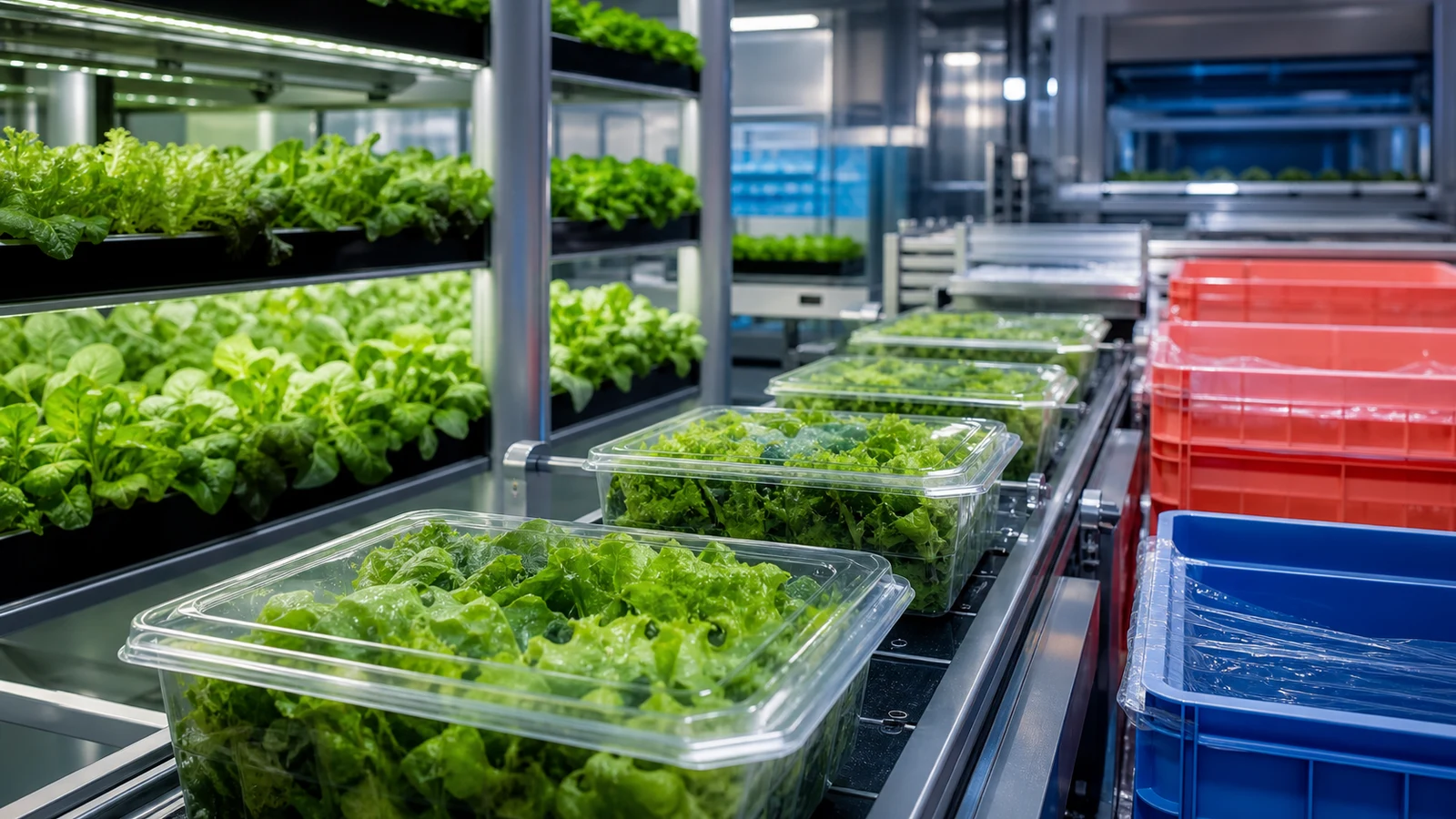
The farm ended at a retail package
Harvest, packing, and cold-chain work had to turn controlled growth into repeat sales.
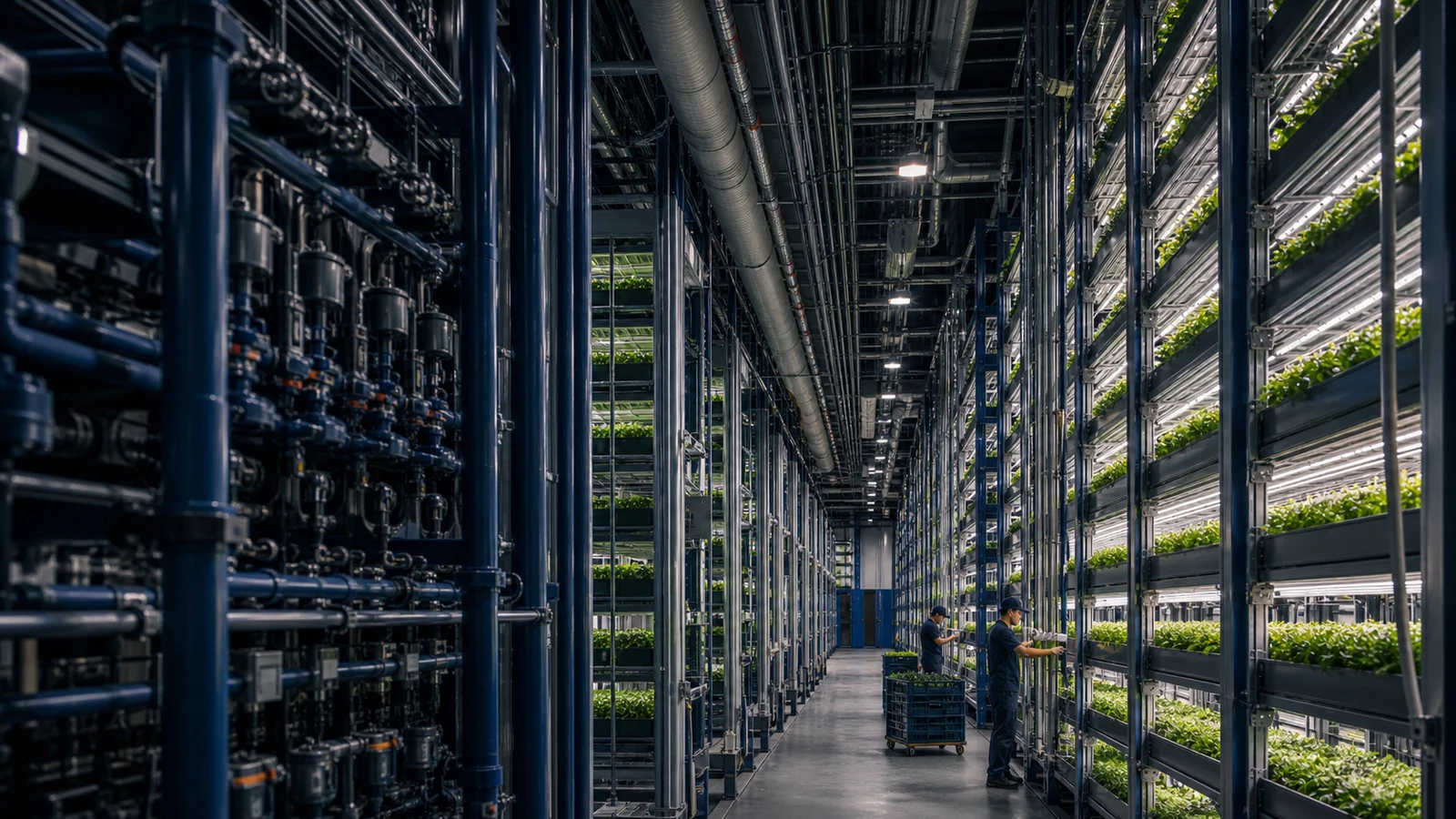
Scale carried a mechanical bill
Every farm required lighting, water, climate, labor, maintenance, and utilization.
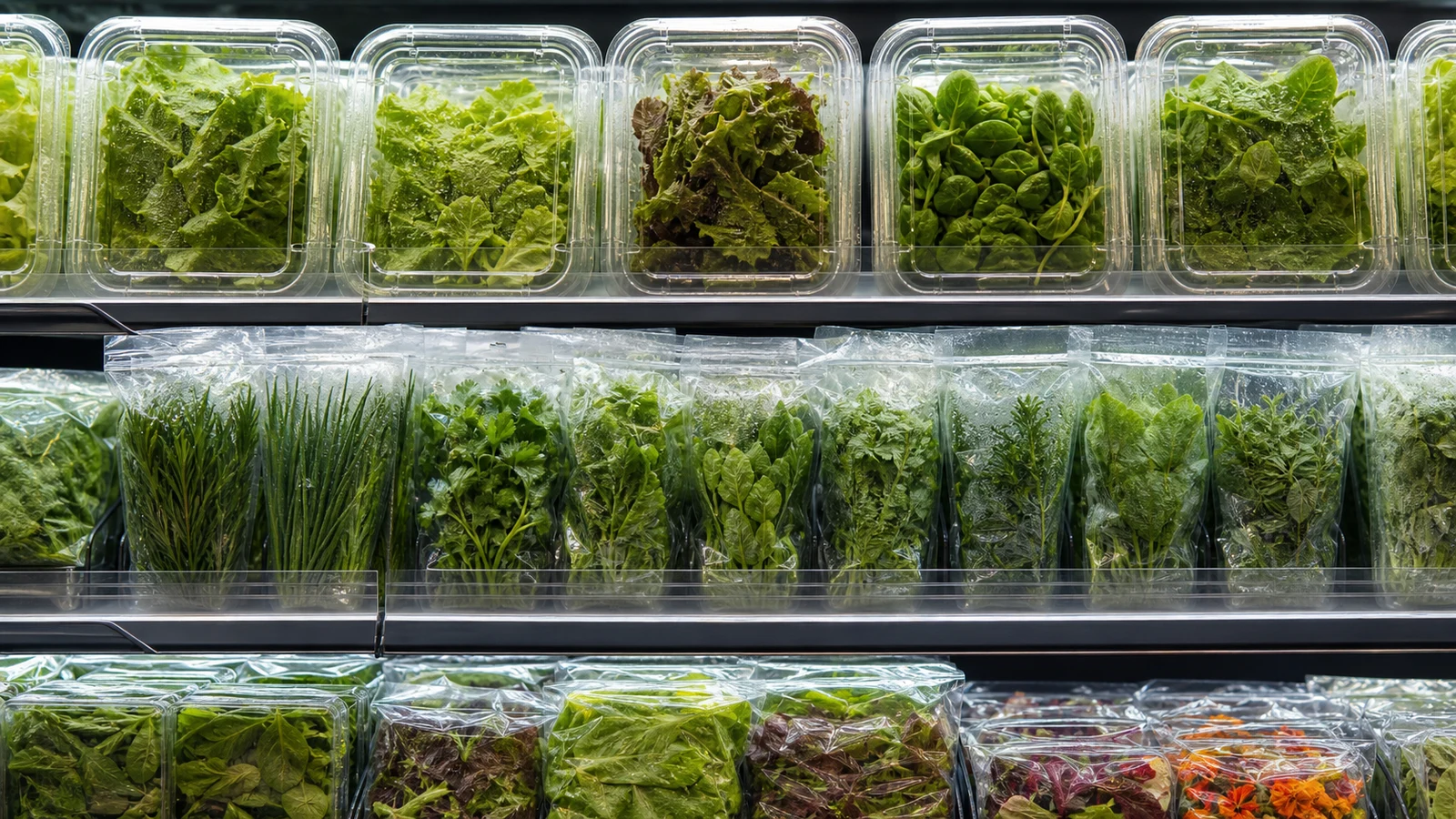
Retail recognition lived in the package
The customer saw greens and a controlled-production promise, not the capital behind them.
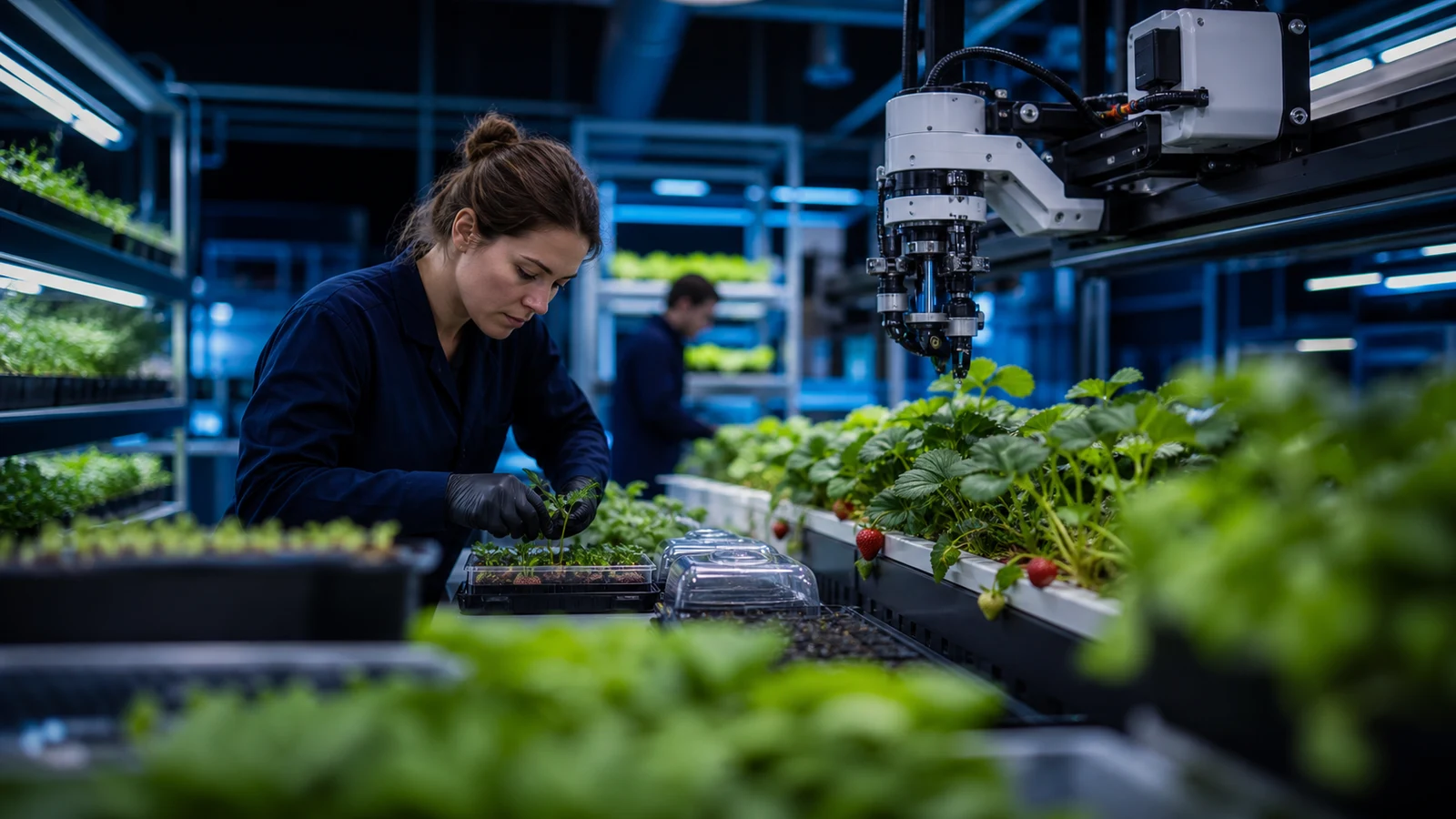
R&D widened the ambition
Farm X, strawberries, and robotics pushed the system beyond leafy greens.
Product and service system
Leafy greens established the controlled-farm promise.
Software turned farm decisions into part of the brand proof.
Research expanded the crop and technology ambition.
The system ended in closure and equipment sales.
Turning points.
The turning points show capital expanding the physical promise before farm economics became durable.
Why it failed
Asset-heavy farms, energy and distribution costs, debt, and unproven repeatable unit economics consumed capital.
Management expanded facilities, crops, research, and robotics while the operating model still depended on large external financing.
Capital support ended after layoffs, delayed facilities, and a steep investor write-down; operations ceased in November 2024.
Failure timeline
USD 90 million funds the next farm.
USD 300 million Series C values the company at USD 2.3 billion.
KKR credit facility and Traptic acquisition widen the system.
Operations cease and an ABC process begins.
Public reaction.
The shutdown turned a climate and food-tech promise into a question about the economics of building farms as infrastructure.
Closure reporting put total venture funding above USD 700 million.
Bowery made a complex production method legible at shelf level.
Full timeline.
Irving Fain founds Bowery in New York.
Bowery formally launches produce from its first commercial farm in Kearny, New Jersey.
Bowery announces USD 90 million in new funding and a second New Jersey farm.
A Red Antler identity refresh sharpens produce packaging and brand language.
A USD 300 million Series C funds more facilities, R&D, and crop expansion.
Bowery announces a USD 150 million KKR facility and acquires Traptic.
A Koto-led brand evolution introduces the blue arched identity.
Bowery ceases operations and enters an assignment for the benefit of creditors.
Former facility equipment is auctioned.
Steal / avoid.
- Make the operating method visible at the shelf.
- Date financing and valuation evidence.
- Test unit economics before multiplying facilities.
- Do not treat funding as revenue.
- Do not let a stale website imply an active company.
- Do not use environmental language as a substitute for facility economics.
Short answer.
Bowery Farming failed as an operating company after raising more than USD 700 million because indoor farms remained capital-intensive and the business could not prove durable economics across energy, facilities, crops, distribution, and expansion. Bowery ceased operations in November 2024; no verified successor for the masterbrand was found.
Frequently asked questions
Why did Bowery Farming fail?
The private company expanded an asset-heavy indoor-farm system before energy, facility, yield, distribution, and financing economics became durable.
Is Bowery Farming still operating?
No verified operating business remains. Bowery ceased all operations in November 2024, and former facility assets were later auctioned.
Was Bowery worth USD 2.3 billion when it closed?
No. USD 2.3 billion was a financing-round valuation from 2021, not a current value at closure.
Need help with your own brand?
Use Private brand work when your name, identity, proof, or message needs a sharper branding decision.