British Airways · Grow Your Brand · Fleet recognition system · United Kingdom / IAG operating airline
British Airways
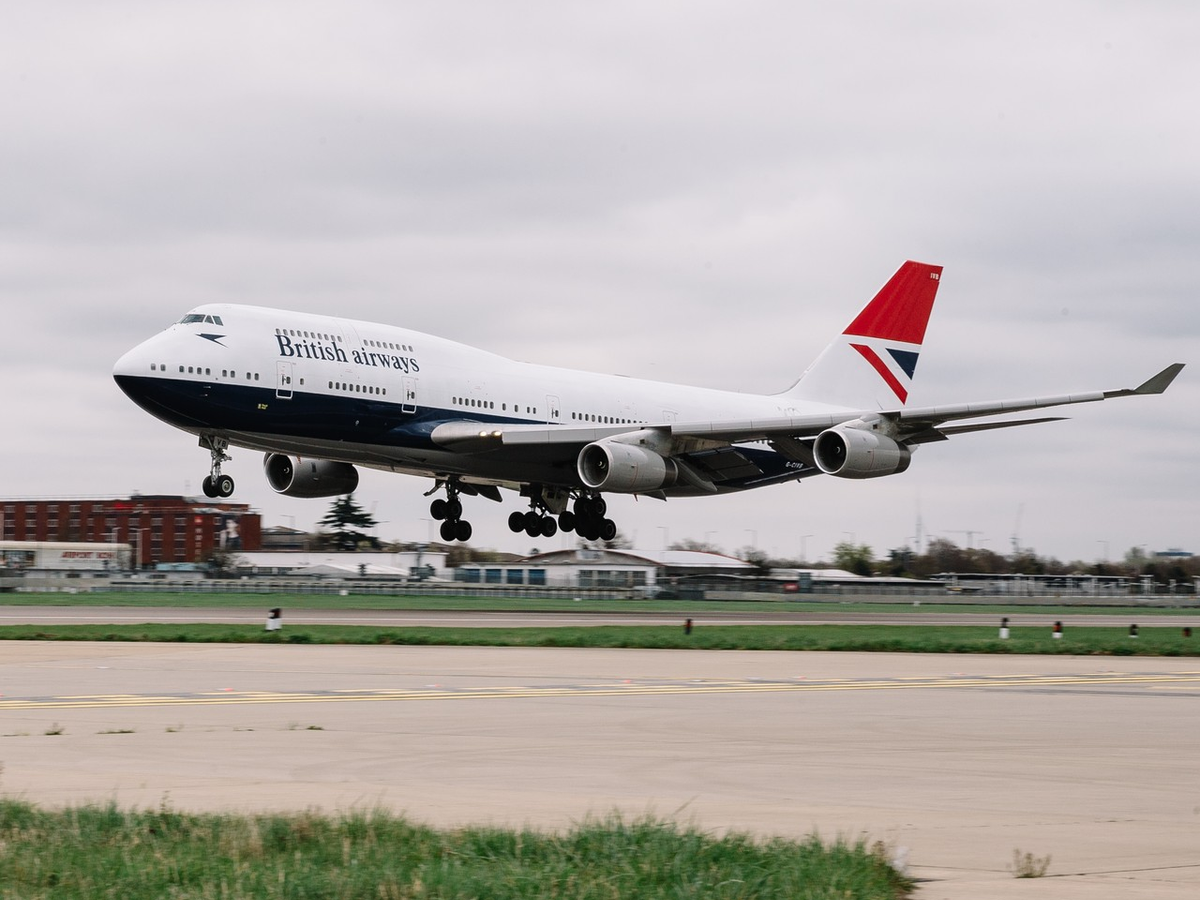
British Airways: one fleet must read as one brand. Tailfins are not decoration. Across airports and countries, the fuselage, Speedmarque, and tail form a moving wayfinding system whose consistency affects recognition.
Positioning, name, and architecture.
British Airways is the UK's flag carrier and a wholly owned IAG operating airline. Its brand system must connect fleet recognition, airport wayfinding, cabin service, reliability, and digital journeys.
A British service and fleet identity anchored by Heathrow, a broad network, and a highly repeated red-blue moving recognition system.
British Airways is the UK flag carrier whose fleet, network, and service system connect Britain to the world through one recognizable moving identity.
The current British Airways was created in 1974 from the BOAC and BEA merger; the wider lineage reaches to 1919 forerunners.
A British original.
IAG-owned operating masterbrand
British Airways is the customer-facing airline masterbrand. Cabins, holidays, and loyalty offers are service layers; IAG is ownership and finance context.
Connects Britain to global destinations through hub operations.
route system: British Airways network source
Repeats the masterbrand at airports and in the sky.
moving identity: Long- and short-haul fleet source
Turns price and trip type into clear experience tiers.
service architecture: Club World and First source
Carries recognition into planning, booking, and disruption handling.
booking and service system: BA.com and app source
Naming and tagline progression
The world's favourite airline.
A British original.
Market and scale snapshot.
British Airways is not separately listed. The cleanest finance view uses BA-specific operating-company or IAG segment-note values, with group totals excluded.
British Airways IAG segment-note value for H1 2026.
British Airways H1 2026 original result was GBP 885M; USD 1.186B uses IAG's H1 2026 average GBP-to-USD rate of 1.34.
IAG H1 2026 transformation evidence.
British Airways is a wholly owned International Airlines Group operating airline.
Color system.
Navy carries authority, red supplies motion, and white gives aircraft-scale contrast. The system works through repetition across a fleet, not through one isolated logo.
How the palette behaves
Navy signals confidence and long-haul authority.
Red adds motion and visibility.
White creates high contrast on aircraft.
Soft blue supports a calmer service layer.
Recognition assets.
The masterbrand is read at distance and in motion: white fuselage, navy belly, red-blue Speedmarque, and tail treatment. Variation becomes expensive when the fleet stops reading as one system.
A red-blue ribbon creates motion beside the wordmark and across aircraft.
The tail must identify one airline before a traveler can read the fuselage.
The palette balances national cues with long-haul authority.
Cabin, lounge, and digital journeys decide whether the external signal holds.
Scores.
Eight signals separate recognition from operating proof.
The current fleet system is highly visible.
Airline, parent, cabin, and loyalty roles need explicit boundaries.
Current livery creates strong repetition.
Cabin and lounge cues support the masterbrand.
Current transformation reaches booking and app journeys.
Reliability and disruption can quickly overwhelm visual equity.
The identity works across aircraft and digital service.
Flag-carrier scale and Heathrow presence remain distinctive.
How the logo changed.
Each stage changes how the airline moves through an airport: wordmark, belly, Speedwing or Speedmarque, and tail must work as one system.
The founding identity used a serif wordmark, navy belly, and red-white-blue Negus tail device. source
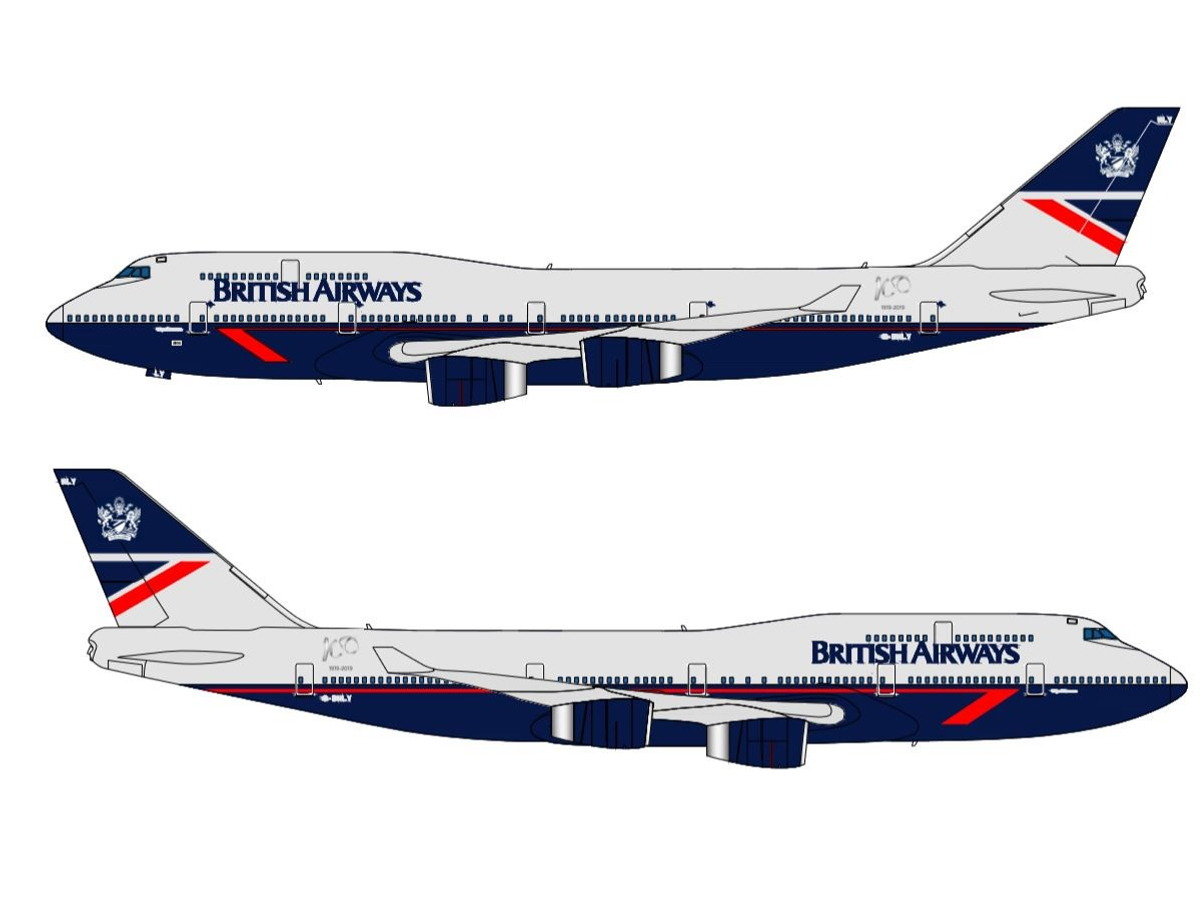
Landor introduced a condensed uppercase wordmark, red Speedwing, and coat-of-arms tail system. source
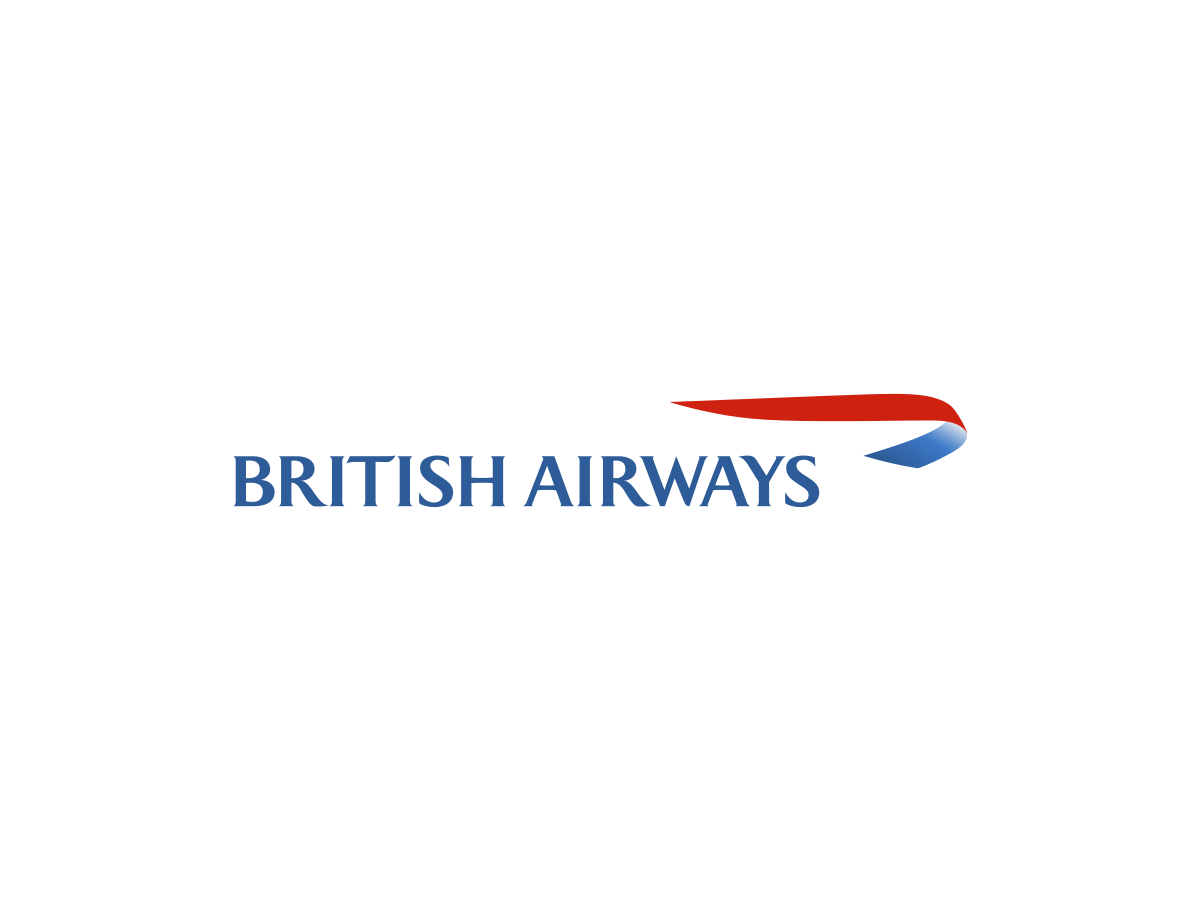
The current system uses the red-blue Speedmarque with a classical uppercase wordmark and a consistent Chatham Dockyard fleet cue.
Product and service lineage.
The brand earns recognition outside the aircraft and trust through every operating handoff inside the journey.
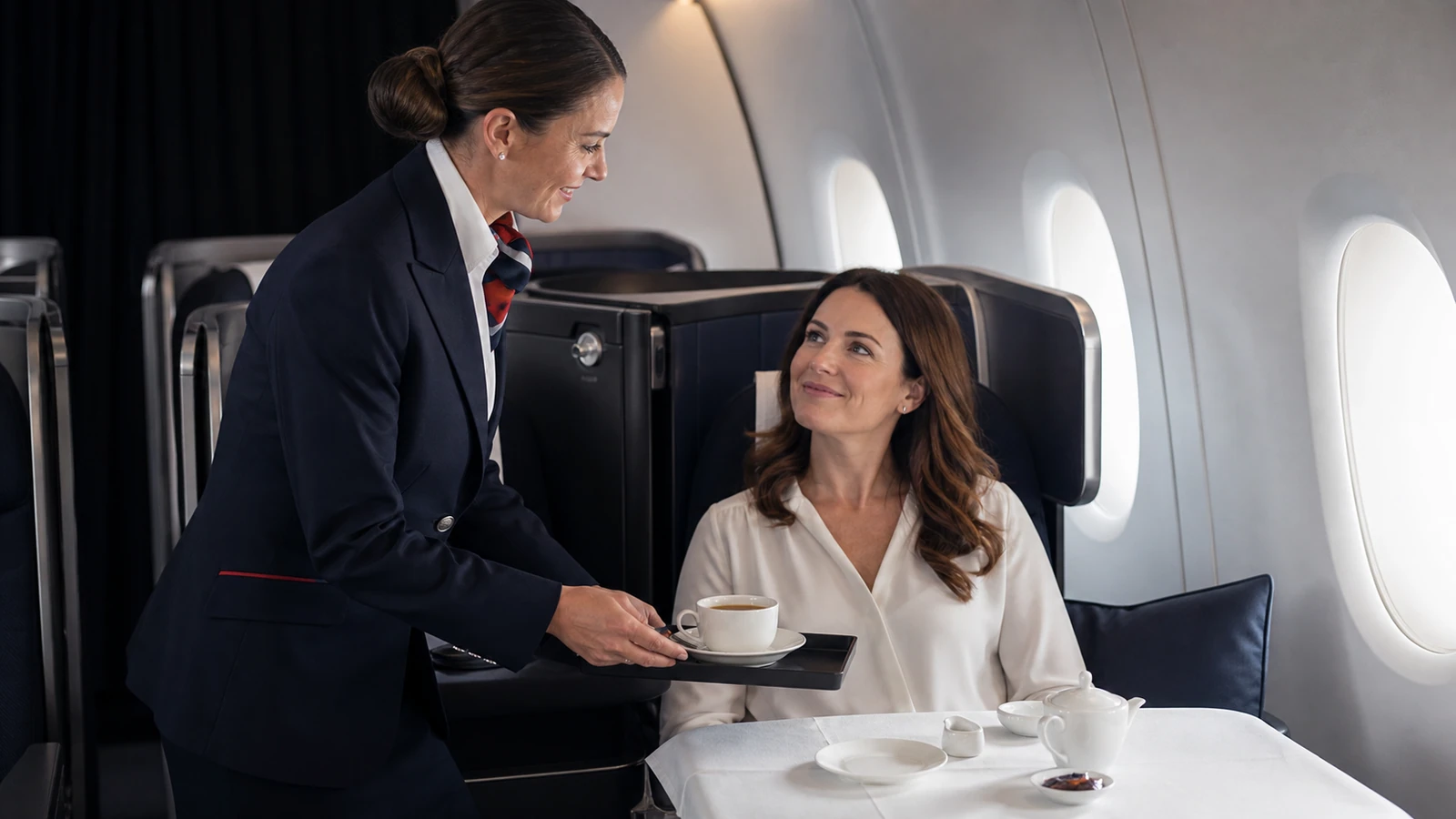
Cabin service
This scene makes an operating layer visible without generating a fake mark or interface.
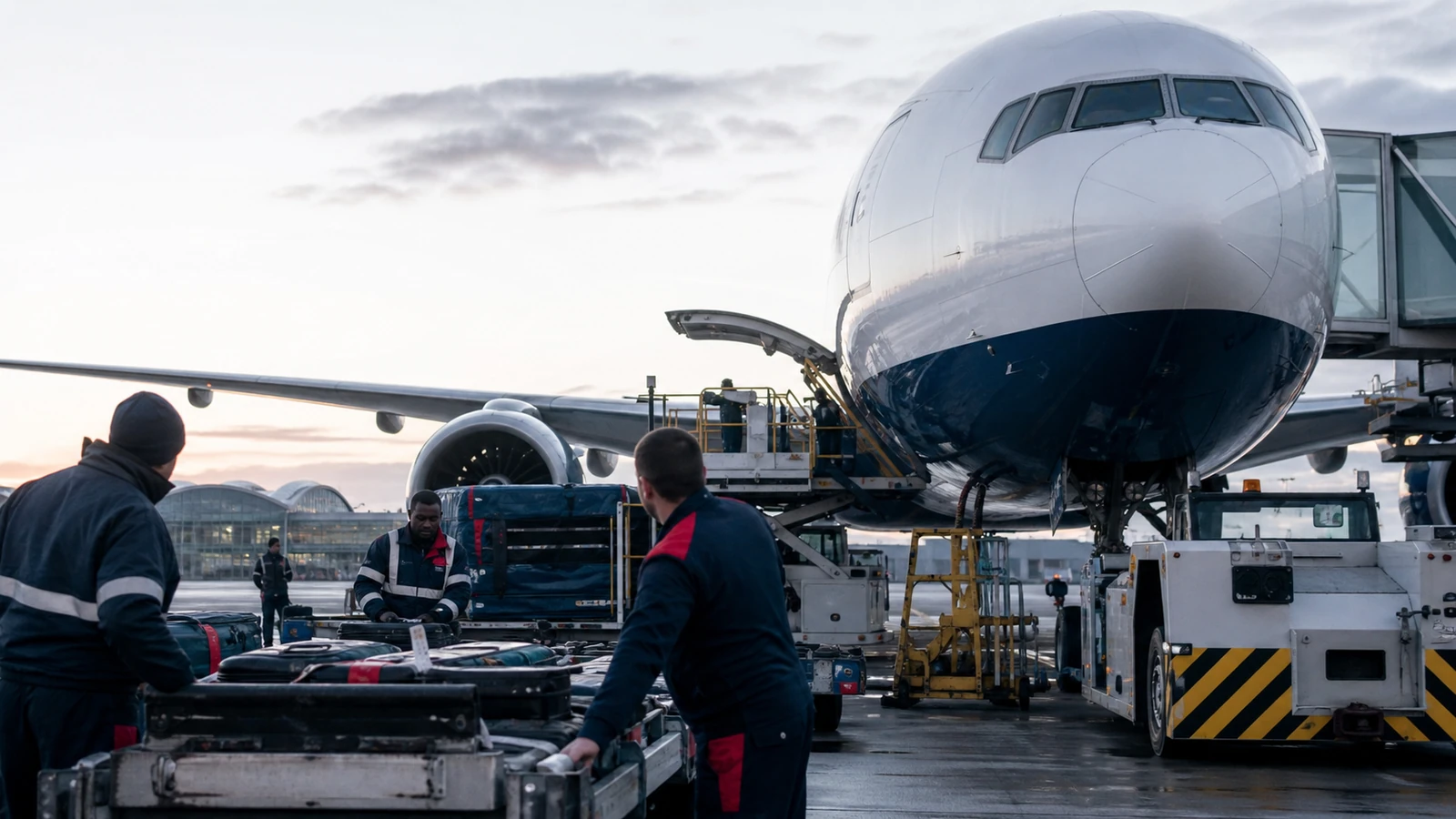
Turnaround precision
The proof sits in the physical handoff, not in decorative brand language.
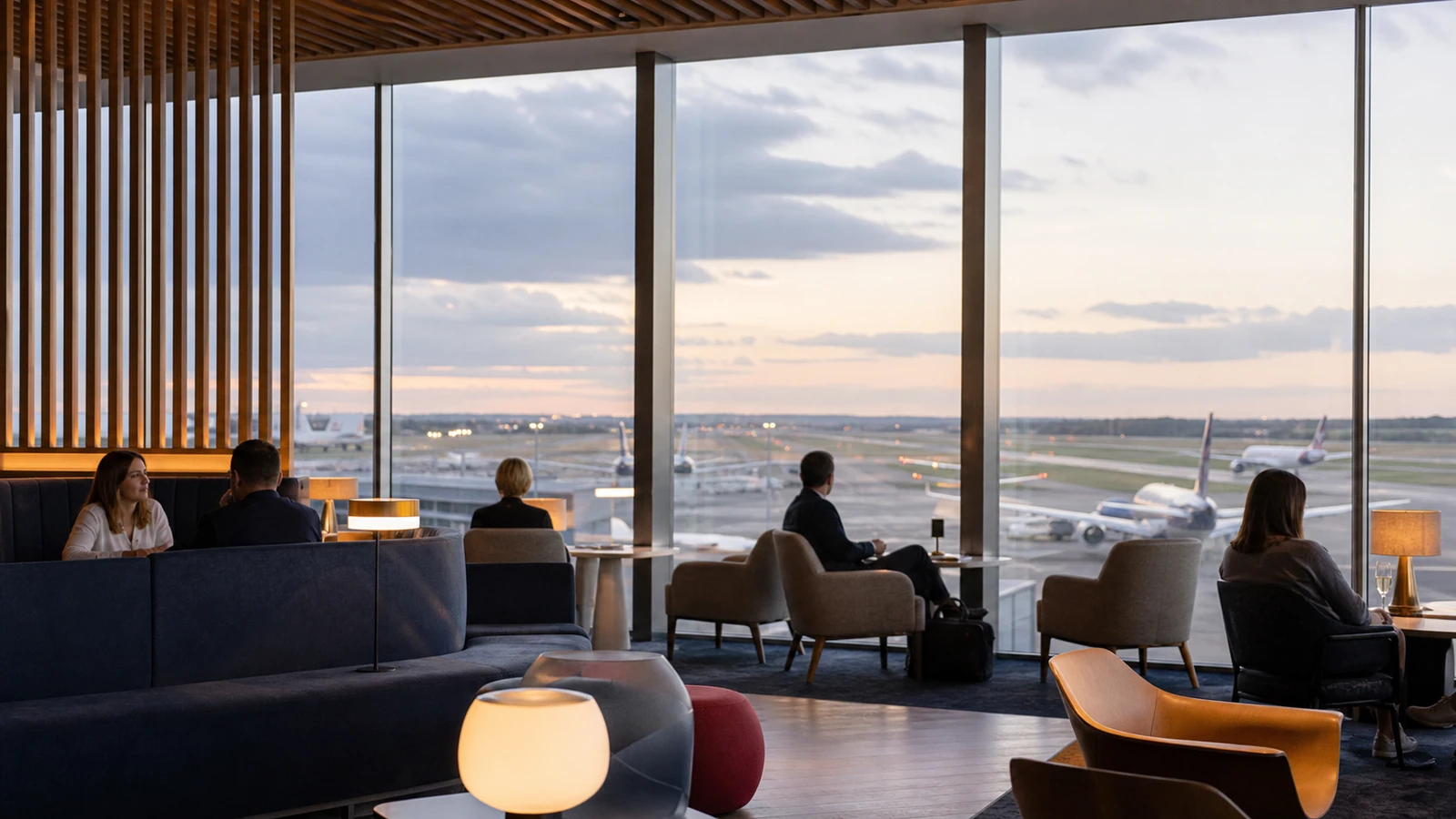
Lounge environment
A distinct scene keeps the page specific to the way this brand actually works.

Network resilience
The brand signal becomes useful when it survives a real operating context.
Product and service system
The wider British commercial-airline lineage begins.
BOAC and BEA combine into the current national airline masterbrand.
Speed and national engineering become visible proof.
A coherent premium corporate system arrives.
Fleet variation tests the limits of recognition.
Parent scale changes while the airline masterbrand stays customer-facing.
Turning points.
Six events show how corporate identity, fleet recognition, operations, and ownership interact.
A new masterbrand must unify predecessor operations.
The airline becomes a moving symbol of British aviation.
Premium coherence becomes the system.
Commercial accountability changes the operating context.
Tail variation expands expression and weakens the single repeated flag cue.
Ownership, digital systems, and reliability become current proof.
Public reaction.
The tailfin case is not a nostalgia contest. It is evidence that a fleet can carry too many visual messages to perform one recognition job.
World Images expanded cultural expression across the fleet.
Variation reduced the repeated national-carrier cue.
Chatham Dockyard restores one high-frequency fleet signal.
Reliability and digital service remain more consequential than livery alone.
Full timeline.
Airline created
Concorde enters service
Landor unveiled
Privatization
World Images
IAG becomes parent
Digital transformation
Steal / avoid.
- Design for distance and motion.
- Treat every fleet unit as repeated media.
- Let service architecture support the external identity.
- Separate airline results from parent-group totals.
- Adding variation that weakens the main wayfinding cue.
- Using famous reaction anecdotes without sources.
- Treating IAG finance as British Airways finance.
- Assuming a new livery fixes reliability.
Short answer.
British Airways is the UK flag carrier and an IAG operating airline. Its Negus, Landor, and current Speedmarque systems show how an aircraft fleet becomes a moving recognition network. The 1997 world-image tailfins tested that network by trading consistency for cultural variation; current proof comes from fleet scale, operating profit, service, reliability, and digital transformation.
Frequently asked questions
Why did British Airways use different tailfins?
The 1997 World Images identity used multiple cultural designs across the fleet; the programme is now a case in how variation can weaken one repeated carrier signal.
Is British Airways publicly traded?
British Airways Plc is not separately listed; it is a wholly owned IAG operating company.
What is the current British Airways logo?
The current masterbrand pairs the uppercase wordmark with the flowing red-blue Speedmarque and a coherent Chatham Dockyard fleet identity.
Need help with your own brand?
Use Private brand work when your name, identity, proof, or message needs a sharper branding decision.
Sources.
The current wordmark and Speedmarque come from British Airways' first-party Media Centre SVG and are centered on the fixed canvas without redrawing.
Use the education shelf for the concepts behind this brand page.
Private brand workIf your brand must make a complex promise legible across products and operating touchpoints, Private Brand Work can define the hierarchy, proof, and recognition system.
All brandsReturn to every brand page.