FIFA · Grow Your Brand · The rights-and-ritual machine behind world football · Switzerland / Active
FIFA
FIFA turns one tournament ritual into a global brand system. The FIFA masterbrand controls a four-year cycle of tournament marks, media rights, sponsor exclusivity, ticketing, member associations and fan rituals. The 2026 World Cup showed the system at full scale; the abandoned USD 4.2 billion commercial-rights proposal showed how quickly governance can weaken the unity promise.
Positioning, name, and architecture.
FIFA is both a governing association and a global rights owner. The permanent wordmark stays restrained while tournaments, trophies, host cities and media systems carry the emotion.
FIFA controls the World Cup calendar, Trophy, tournament marks, competition access and sponsor exclusivity across a 211-association network.
FIFA positions itself as the institution that gathers the world through football, then turns that gathering into a controlled media, sponsorship and tournament system.
FIFA is the acronym for the French name Fédération Internationale de Football Association, adopted when the organization was founded in Paris in 1904.
Football Unites the World
endorsed tournament masterbrand
The permanent FIFA wordmark identifies the institution. Tournament emblems, host-city brands and competition systems change by edition, while programs and media platforms carry the FIFA endorsement.
Creates the four-year attention and revenue peak.
flagship tournament brand: FIFA World Cup 2026 source
Extends the event system beyond the men's World Cup cycle.
tournament portfolio: FIFA Women's World Cup / FIFA Club World Cup source
Carries live matches, archive footage and football stories between major events.
media platform: FIFA+ streaming source
Connects the global masterbrand to funding and member-association development.
development program: Forward 3.0 source
Naming and tagline progression
For the Game. For the World.
Football Unites the World
Market and scale snapshot.
FIFA reports in U.S. dollars and plans around four-year World Cup cycles. A loss in an early cycle year is not comparable to the tournament year without the cycle context. FY2025 revenue reached USD 2.661 billion, while 93% of the USD 13 billion 2023-2026 revenue target was already contracted.
FY2025 audited total. Television rights were USD 1.044B and marketing rights were USD 964.975M.
FY2025 audited result. FIFA says the first three years of a World Cup cycle are structurally negative.
Audited balance-sheet total at 31 Dec 2025. Reserves were USD 2.699B.
No public ticker. FIFA is governed through its member-association Congress.
Color system.
Corporate blue carries institutional authority. Dark navy handles digital and broadcast depth. Tournament editions then add brighter host and event palettes without forcing the FIFA masterbrand to change.
How the palette behaves
Medium blue keeps the institutional mark separate from team colors.
Deep navy gives broadcast and digital systems a controlled global-stage backdrop.
White space keeps the short acronym readable beside crowded sponsor and tournament graphics.
Recognition assets.
FIFA does not rely on one logo. Recognition comes from a repeated combination of the World Cup Trophy, tournament emblems, blue authority cues, match ceremonies, sponsor clean zones and the four-year calendar.
The short wordmark works as an authority stamp while tournament imagery carries the emotion.
The World Cup Trophy and four-year cadence create anticipation before a host campaign begins.
Sponsor exclusivity, broadcast rights and protected marks convert recognition into contracted revenue.
Scores.
These scores separate the strength of the event system from the trust pressure carried by the institution behind it.
The acronym, Trophy and World Cup ritual are understood across languages.
The competition remains loved, but governance and access disputes weaken institutional trust.
Sponsor, hospitality and broadcast systems are tightly controlled at the event level.
Match delivery is visible; ticketing and host access shape the fan's judgment.
FIFA, the governing body, is distinct from tournament editions and the former EA game name.
FIFA owns the highest global football competition layer and the World Cup rights system.
A stable masterbrand supports changing event identities without losing ownership.
Premium ticket prices can conflict with the public unity promise.
How the logo changed.
The corporate mark moved from a detailed global football symbol to a simpler wordmark. Tournament emblems are separate architecture and do not belong in this masterbrand timeline.
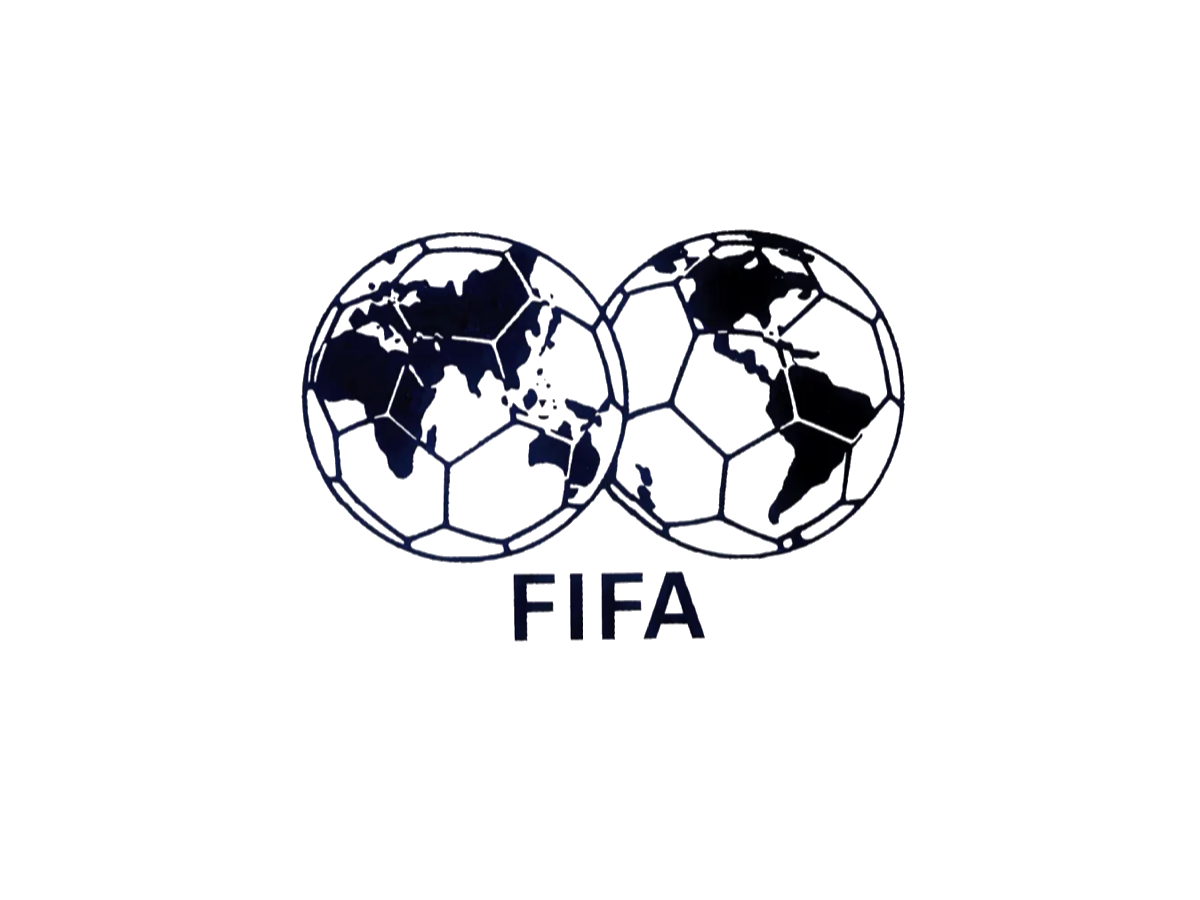
Two hemispheres became footballs above the short FIFA name, linking global reach directly to the sport. source
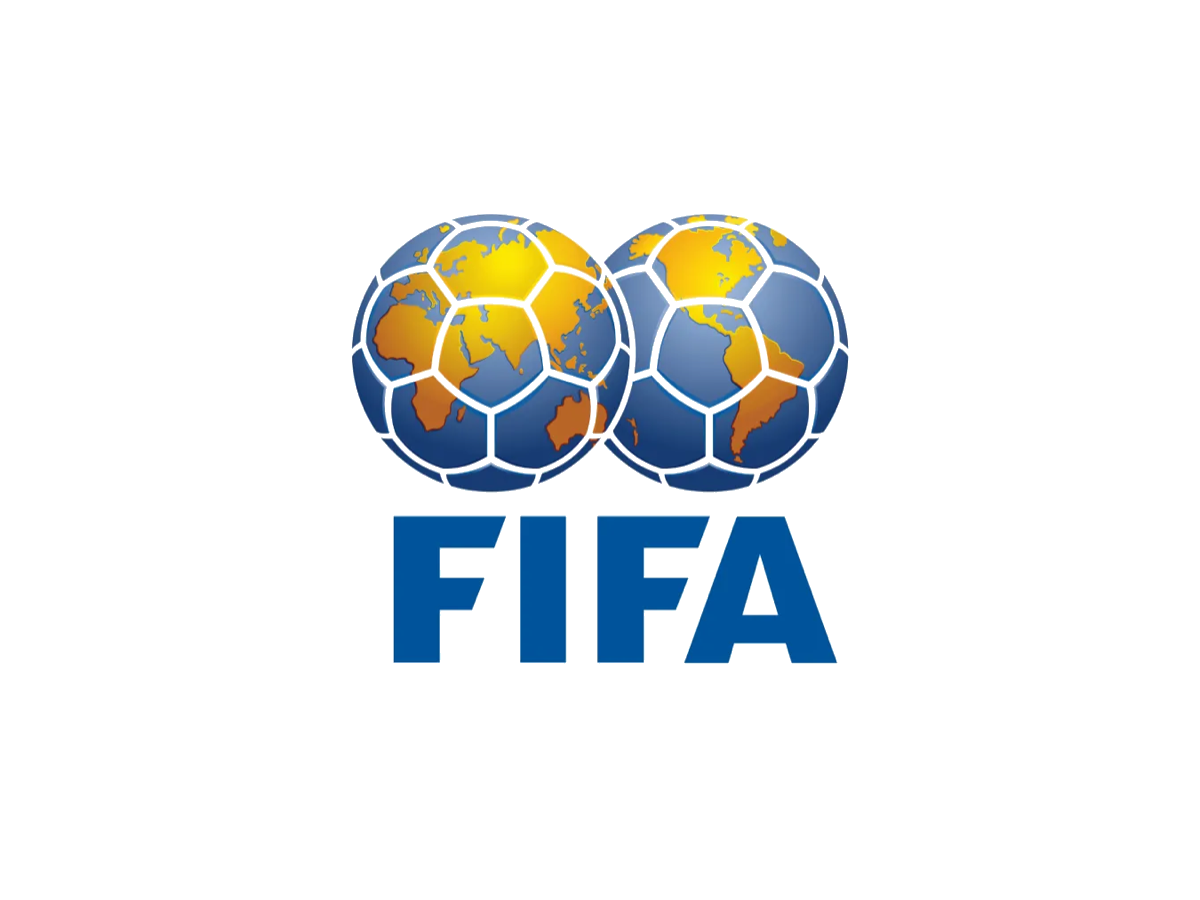
Blue and gold globe-footballs sat above a stronger custom wordmark as FIFA's commercial media system expanded. source
The four-letter wordmark became the primary institutional mark, leaving visual variation to tournament and program identities.
Product and service lineage.
The brand grows through four connected lanes: the flagship event, the media operation, the fan ritual and the member-association network. The access experience is where that system meets the unity promise.
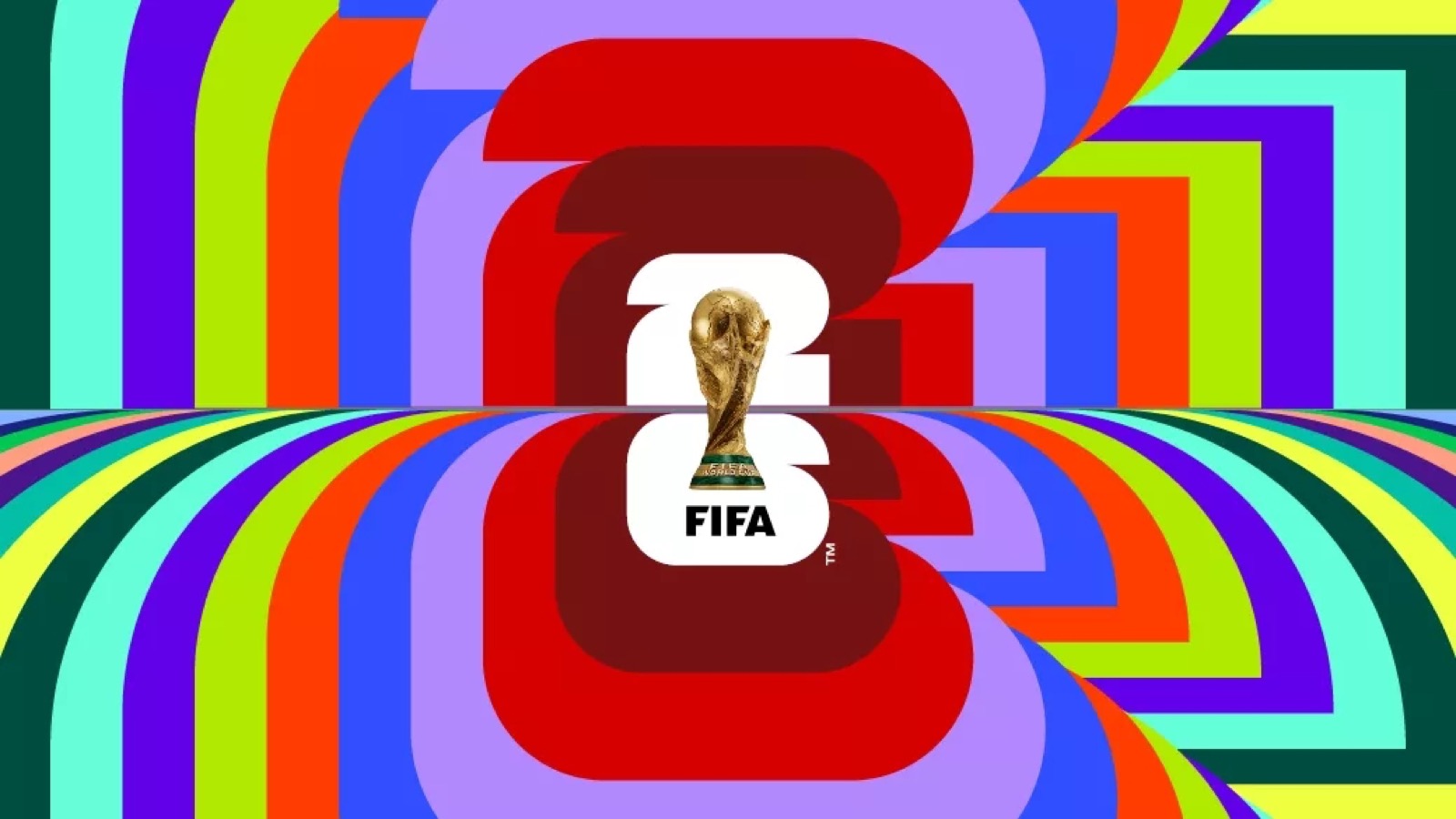
A flexible event identity
The 2026 system makes the real Trophy image the fixed center, then lets host cities and campaign colors change around it.
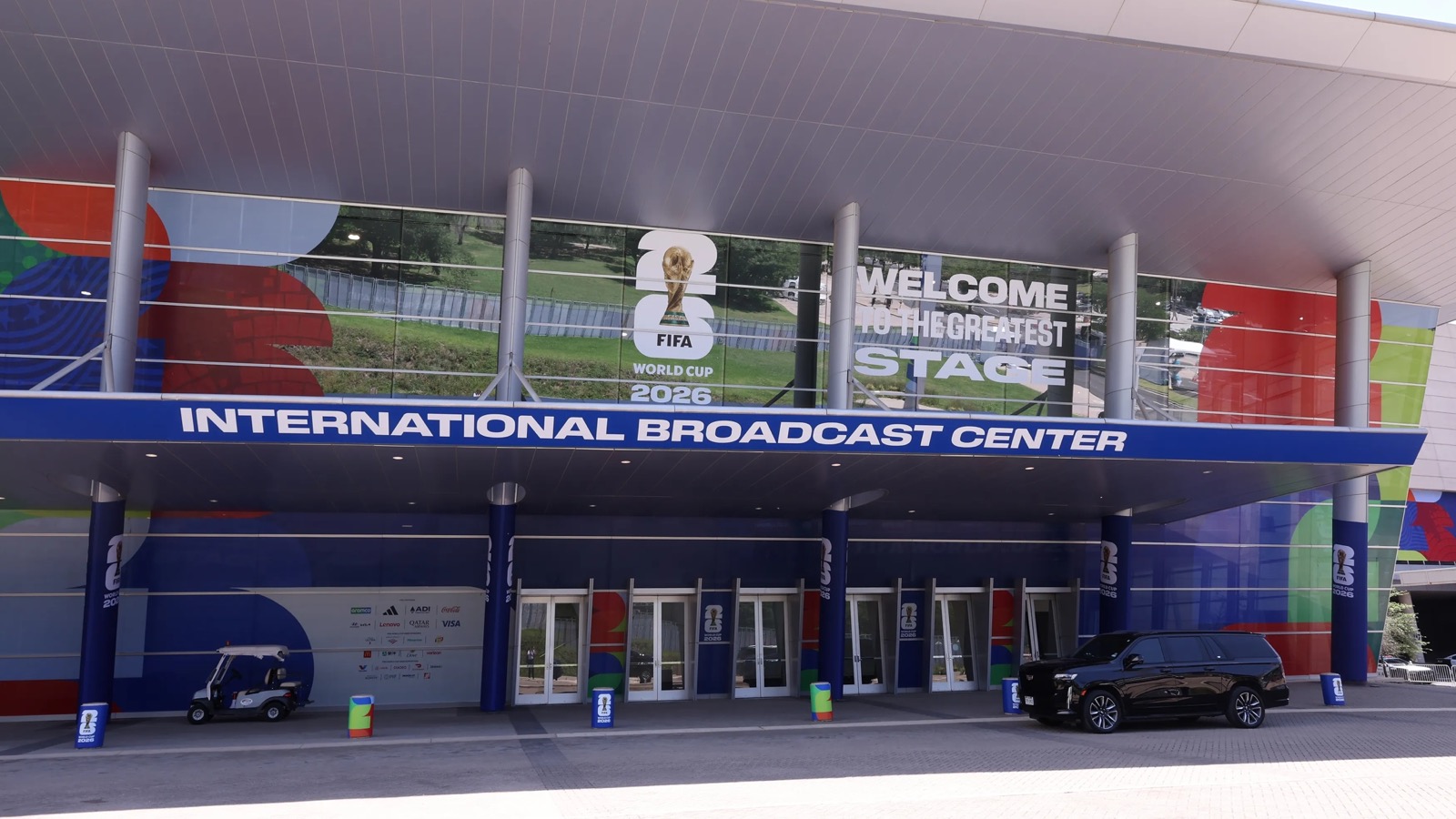
Broadcast is part of the brand
The competition becomes global through a physical media operation, not through the emblem alone.
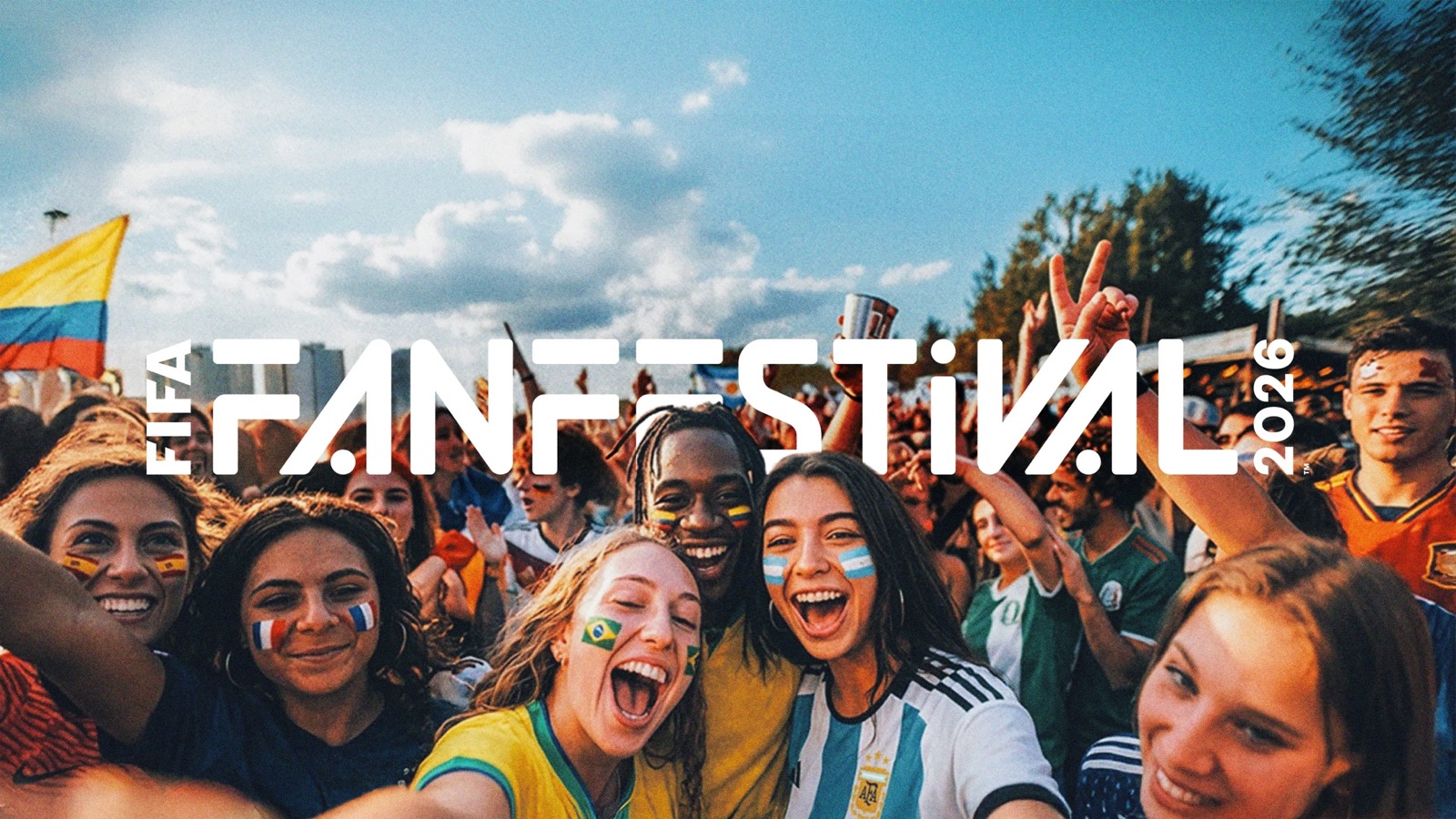
Fans perform the unity claim
National colors and shared celebration make the abstract promise visible, even when the institution is under criticism.
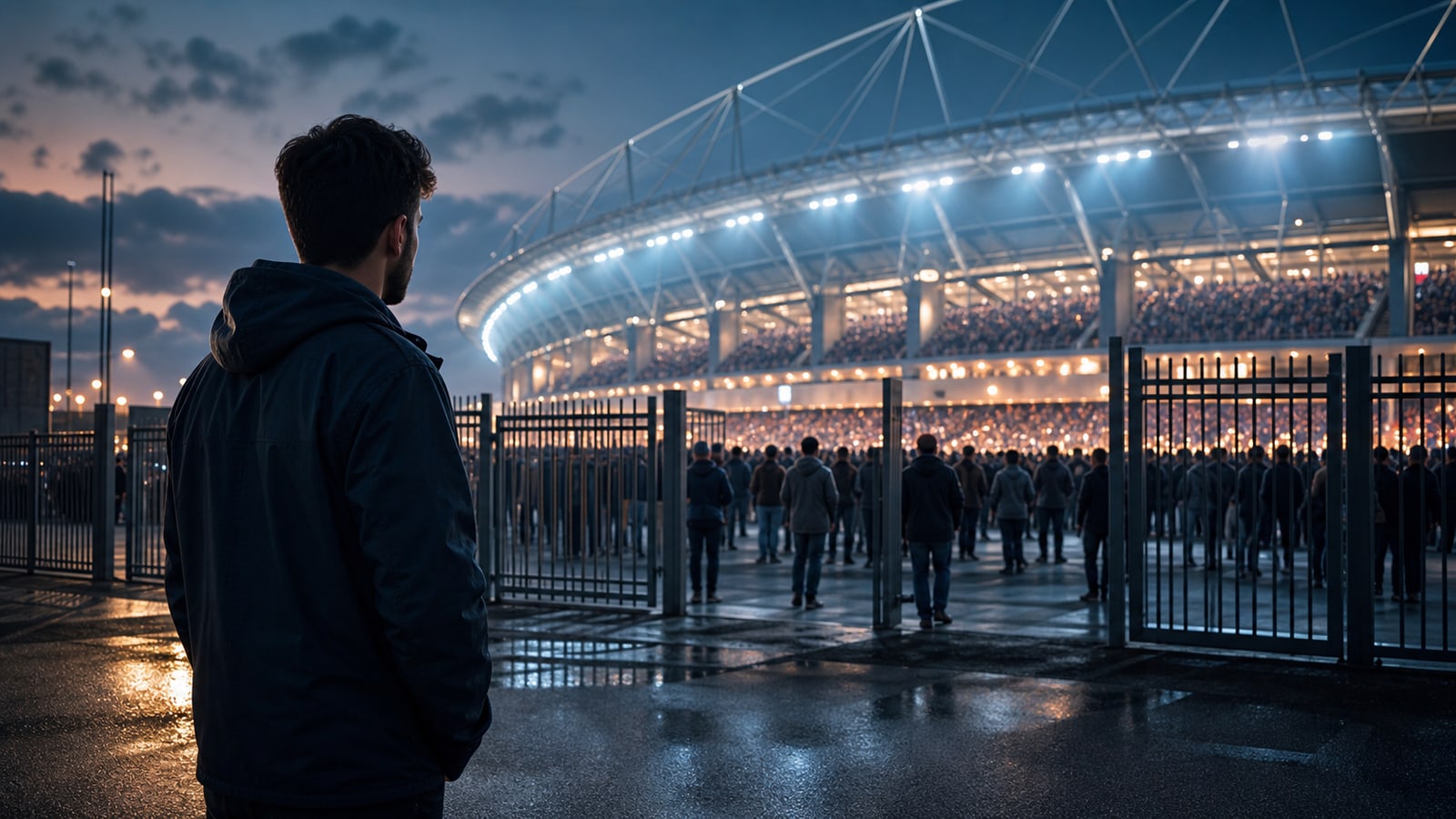
The promise meets the gate
This disclosed editorial concept makes the case-study tension visible: a global participation promise can be weakened by the price and access experience.
Product and service system
The World Cup concentrates global attention into a protected competition and brand system.
International media operations deliver the tournament as a synchronized global product.
Fan festivals, tickets, national colors and city activity extend the event beyond the stadium.
Development programs and 211 associations keep the FIFA name active between tournament peaks.
Turning points.
The 2026 World Cup made FIFA's brand mechanics unusually visible: sold-out sponsorship inventory and record-scale attendance were followed by a governance crisis over a proposed commercial-rights sale.
Revenue and other income reached USD 2.661B and 93% of the USD 13B cycle target was contracted.
FIFA said global sponsorship packages for the 2026 World Cup were sold out.
AP projected record attendance of about 6.7 million; Axios reported 17 July resale get-in prices of USD 3,560 for Argentina-England and USD 7,598 for the final.
FIFA abandoned a proposal to raise about USD 4.2B by selling a 20% stake in a new commercial-rights entity after opposition from UEFA, AFC and Concacaf.
Public reaction.
Fans can love the competition and question the organization at the same time. That split is central to the FIFA case.
Fans keep showing up because national identity, the Trophy and knockout drama have value beyond FIFA's corporate reputation.
The commercial-rights proposal was withdrawn, but the process led three continental confederations to challenge FIFA's leadership and demand independent scrutiny.
Full timeline.
FIFA is founded in Paris by seven national associations.
The first FIFA World Cup is played in Uruguay.
The current FIFA World Cup Trophy is first awarded.
The corporate identity shifts toward the stronger FIFA wordmark.
A global corruption investigation puts FIFA governance under severe pressure.
FIFA launches the World Cup 2026 identity using the real Trophy image and a modular host-city system.
The expanded 48-team World Cup approaches a projected record attendance of about 6.7 million in its final week.
FIFA withdraws a proposal to sell 20% of a new commercial-rights entity for about USD 4.2 billion after confederation opposition.
Steal / avoid.
- Keep the masterbrand stable and let event identities carry local variation.
- Build recognition around rituals, objects and calendar moments, not the logo alone.
- Protect sponsor exclusivity only when the audience experience can justify the price of access.
- Use one flagship event to organize a wider media and program portfolio.
- Do not assume event popularity equals trust in the institution.
- Do not make a unity promise while treating access as an afterthought.
- Do not mix tournament emblems into corporate logo history.
- Do not let sponsor control erase the fan behavior that gives the property value.
Short answer.
FIFA's brand strength comes from the World Cup Trophy, sponsor exclusivity, broadcast repetition and a four-year global ritual. Its central weakness is governance: the abandoned plan to raise about USD 4.2 billion by selling a 20% commercial-rights stake showed how institutional decisions can contradict Football Unites the World even while the tournament remains popular.
Frequently asked questions
What is FIFA's core brand signal?
Global football authority expressed through the World Cup Trophy, tournament rituals and a stable four-letter masterbrand.
Is the FIFA World Cup logo the same as the FIFA corporate logo?
No. FIFA uses a permanent corporate wordmark. Each tournament edition has its own emblem and host system under the FIFA endorsement.
Why is FIFA discussed now?
FIFA abandoned a plan to raise about USD 4.2 billion by selling a 20% stake in a new commercial-rights entity after opposition from UEFA, AFC and Concacaf.
How does FIFA make money?
Television rights and marketing rights were the two largest FY2025 sources. Hospitality rights and ticket sales came next, followed by other revenue, licensing rights and other income.
What should another brand learn from FIFA?
Keep the permanent identity stable, build repeatable rituals around a flagship product, and make sure the access experience supports the public promise.
Need help with your own brand?
Use Private brand work when your name, identity, proof, or message needs a sharper branding decision.
Sources.
Use the education shelf for the concepts behind this brand page.
Private brand workUse this when the decision belongs to your own brand.
All brandsReturn to every brand page.
- FIFA history and 1904 founding
- First FIFA World Cup in 1930
- Current FIFA World Cup Trophy introduced in 1974
- U.S. Department of Justice 2015 FIFA investigation
- United Nations record of FIFA's 2007 tagline
- Football Unites the World campaign and motto
- FIFA Annual Report 2025
- FIFA 2025 revenue
- FIFA 2025 comprehensive income
- FIFA nonprofit structure and accounting cycle
- FIFA brand protection
- FIFA World Cup 2026 brand launch
- 2026 global sponsorship packages sold out
- AP, FIFA commercial-rights proposal withdrawn
- Joint confederation challenge to FIFA leadership, 10 Aug 2026
- FIFA masterbrand logo history
- Current FIFA wordmark source
- 2026 World Cup final-week attendance and pressure
- 2026 ticket cost coverage
