L'Oréal · Grow Your Brand · French Beauty Portfolio System · France / Active / listed company
L'Oréal
L'Oréal: beauty scale works when science, divisions, and hero brands stay legible. A brand page for L'Oréal: the French beauty group, professional products, consumer beauty, luxe, dermatology, FY2025 finance, and the risk of turning every brand into one generic beauty story.
Positioning, name, and architecture.
Three evidence checks before the page talks about scale, color, or public reaction.
A French beauty parent with science, salon, consumer, luxe, and dermatology lanes under one portfolio.
L'Oréal is strongest when science and portfolio architecture make each beauty lane visible.
The name traces back to hair-color origins and the early product name L'Auréale.
Create the beauty that moves the world
beauty portfolio parent with professional, consumer, luxe, and dermatology lanes
L'Oréal should not flatten mass, luxe, professional, dermatology, and licensing into one beauty story.
Garnier, Maybelline, NYX, and retail scale proof
mass beauty lane: consumer beauty source
Lancôme, YSL Beauty, Prada Beauty, Armani Beauty, and fragrance proof
luxury beauty lane: luxury beauty source
salon authority and haircare system proof
salon lane: professional haircare source
CeraVe, La Roche-Posay, and pharmacy trust proof
science/skin lane: dermatological beauty source
Naming and tagline progression
Hair-color origin
Because I'm worth it
Because you're worth it
Create the beauty that moves the world
Market and scale snapshot.
L'Oréal reports in euros. The FY2025 cells show official EUR reporting bases as USD equivalents; market value is a separately dated USD observation.
Official FY2025 EUR 44.052 billion consolidated sales converted at 1.1396 USD per EUR.
Official FY2025 EUR 6.8064 billion adjusted net profit after non-controlling interests converted at the same rate.
CompaniesMarketCap USD market-cap observation captured 22 Sep 2026 (Pacific time); a dated stock-market measure, not brand value.
L'Oréal S.A. ordinary shares; ISIN FR0000120321. OR.PA is the market-data symbol.
Color system.
Black, burgundy, and warm neutral should keep beauty premium without making the page cosmetic decoration.
How the palette behaves
Burgundy supports beauty cues.
Black keeps parent authority.
Warm neutral prevents glare.
The palette needs product and science proof.
Recognition assets.
Memory pieces the brand can use before someone finishes a sentence.
Consumers often know the owned brands first.
Labs, formulas, and dermatology proof make beauty claims credible.
Mass, luxe, salon, and skin need separate jobs.
Scores.
Use these scores to compare recognition, trust, proof, pressure, and risk.
Beauty scale can blur unless products, divisions, science, retail, and licensing stay separated.
L'Oreal gains trust when formula, brand portfolio, and channel proof sit in the same frame.
The page works only when business lines are separated instead of flattened into one parent claim.
The mark and color help, but real product and service proof carry recognition.
Operating surfaces, source reports, products, service lanes, and public scale make the claim visible.
Parent, product, service, and regional lanes need clear labels.
Legal entity, ticker, source mark, and portfolio names must stay machine-readable.
The copy can become generic unless every claim is tied to a source-backed surface.
How the logo changed.
L'Oréal moved from a compact oval product mark to the oversized-O wordmark before settling on the current restrained group typography.
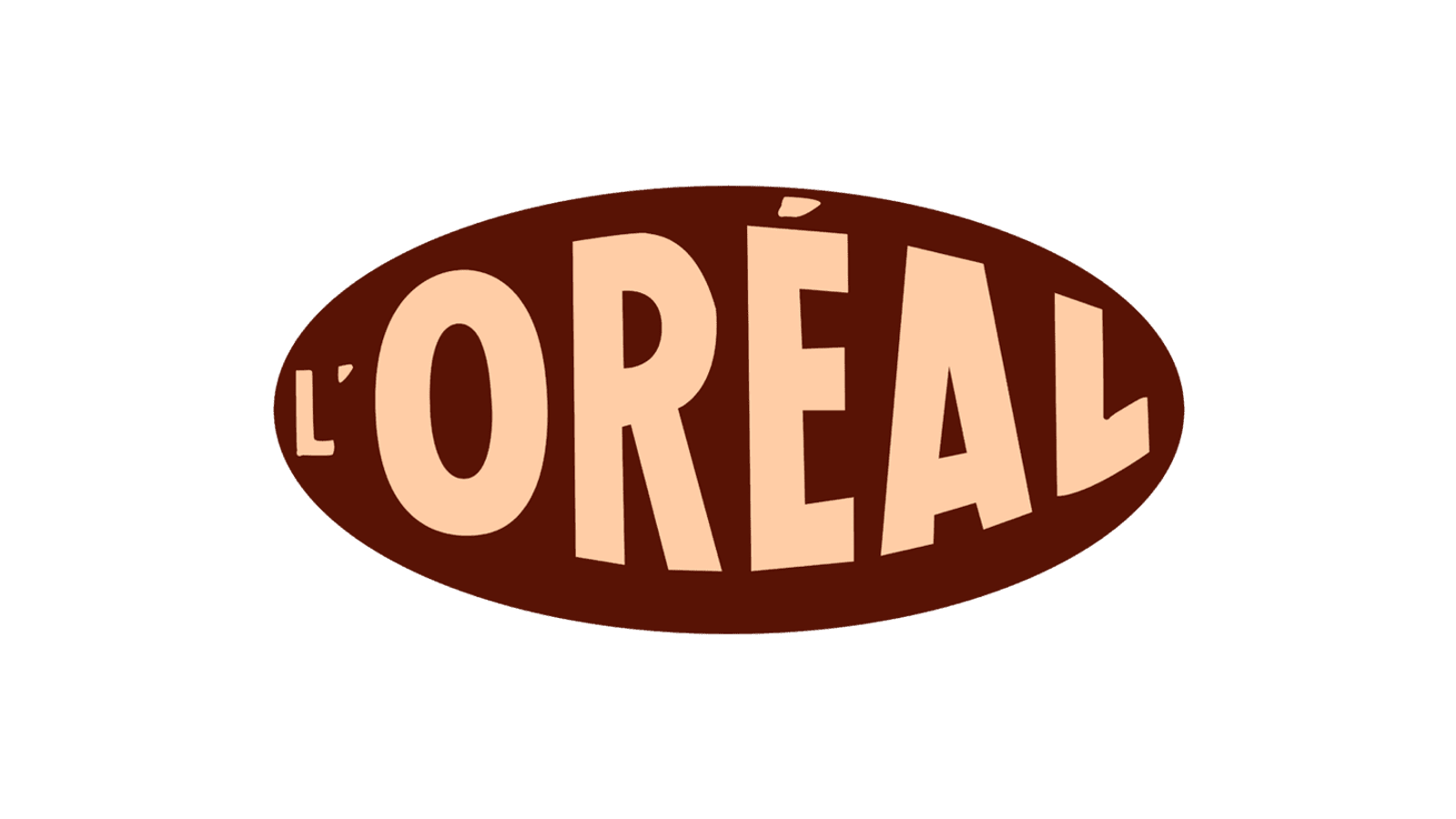
The first mark carries the L'Oréal name inside an oval; L'Oréal's official history confirms the 1909 origin and L'Auréale naming route. source
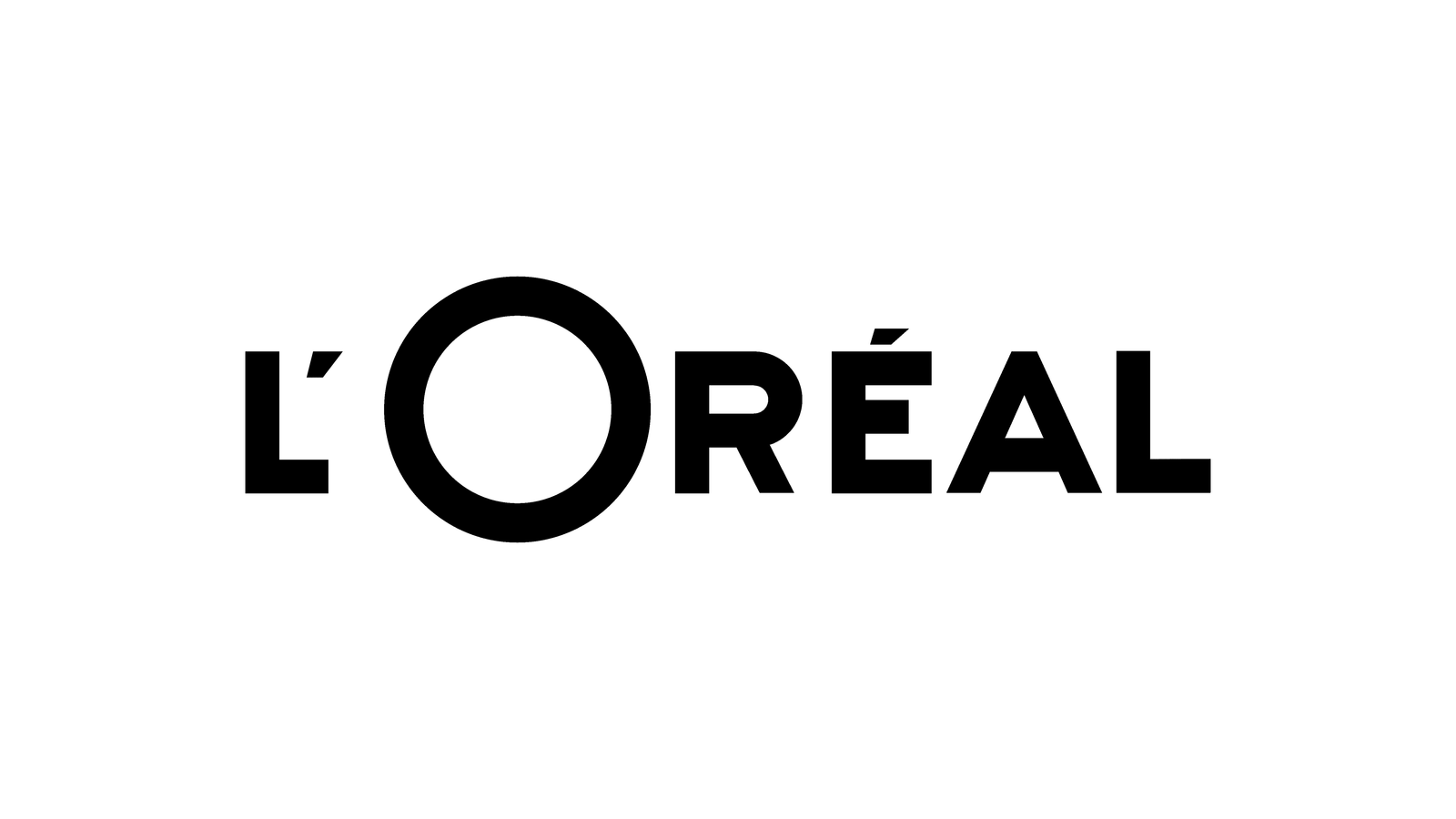
The pre-1962 wordmark makes the O the dominant recognition device and removes the enclosing oval. source
The current masterbrand uses the narrow sans-serif wordmark established in 1962.
Product and service lineage.
For L'Oreal, proof runs through hair color, salon systems, mass beauty, luxe, dermatological beauty, and research.
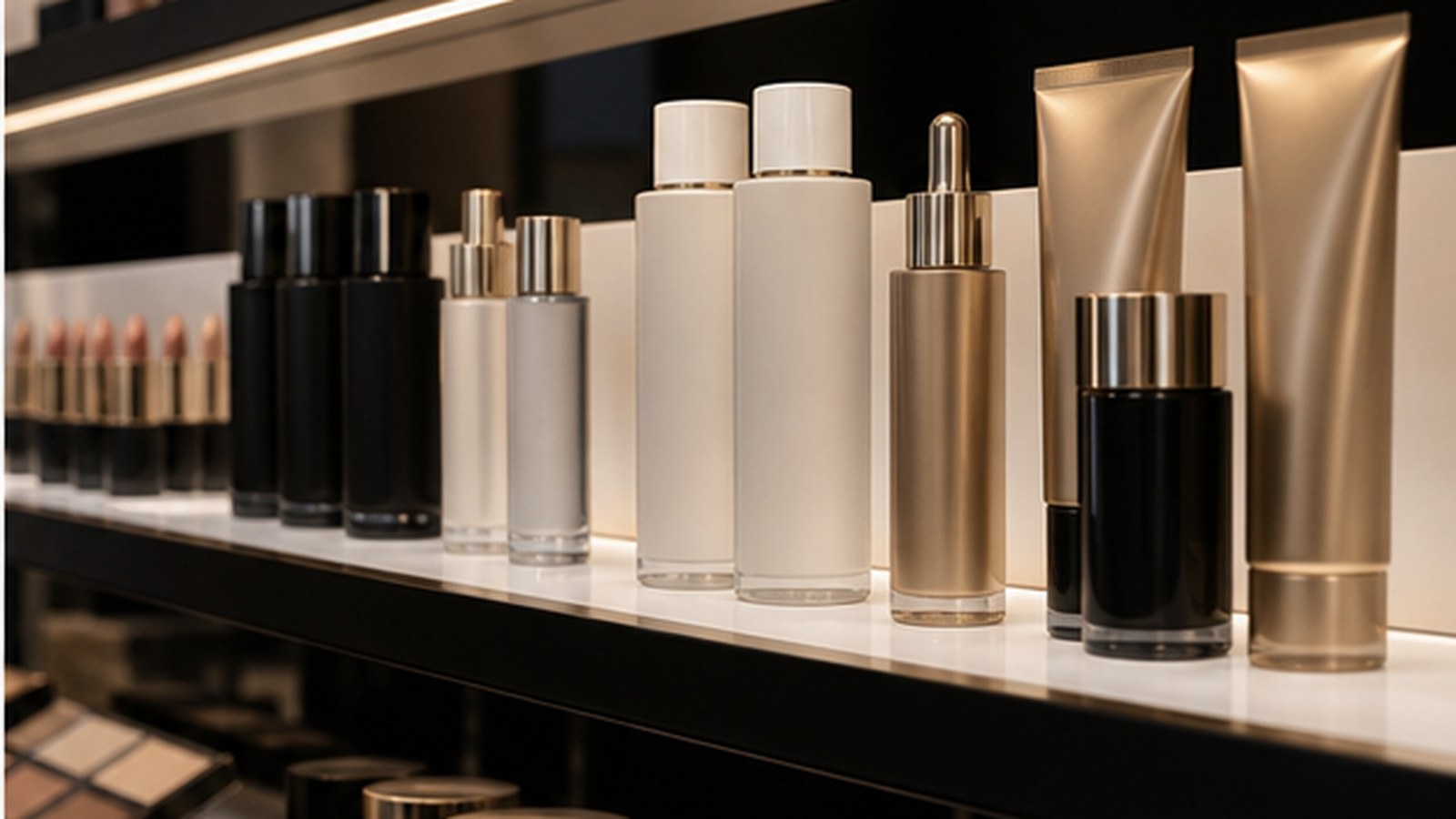
Retail systems carry the portfolio
Packaging hierarchy and shelf rhythm help shoppers navigate a large beauty portfolio.
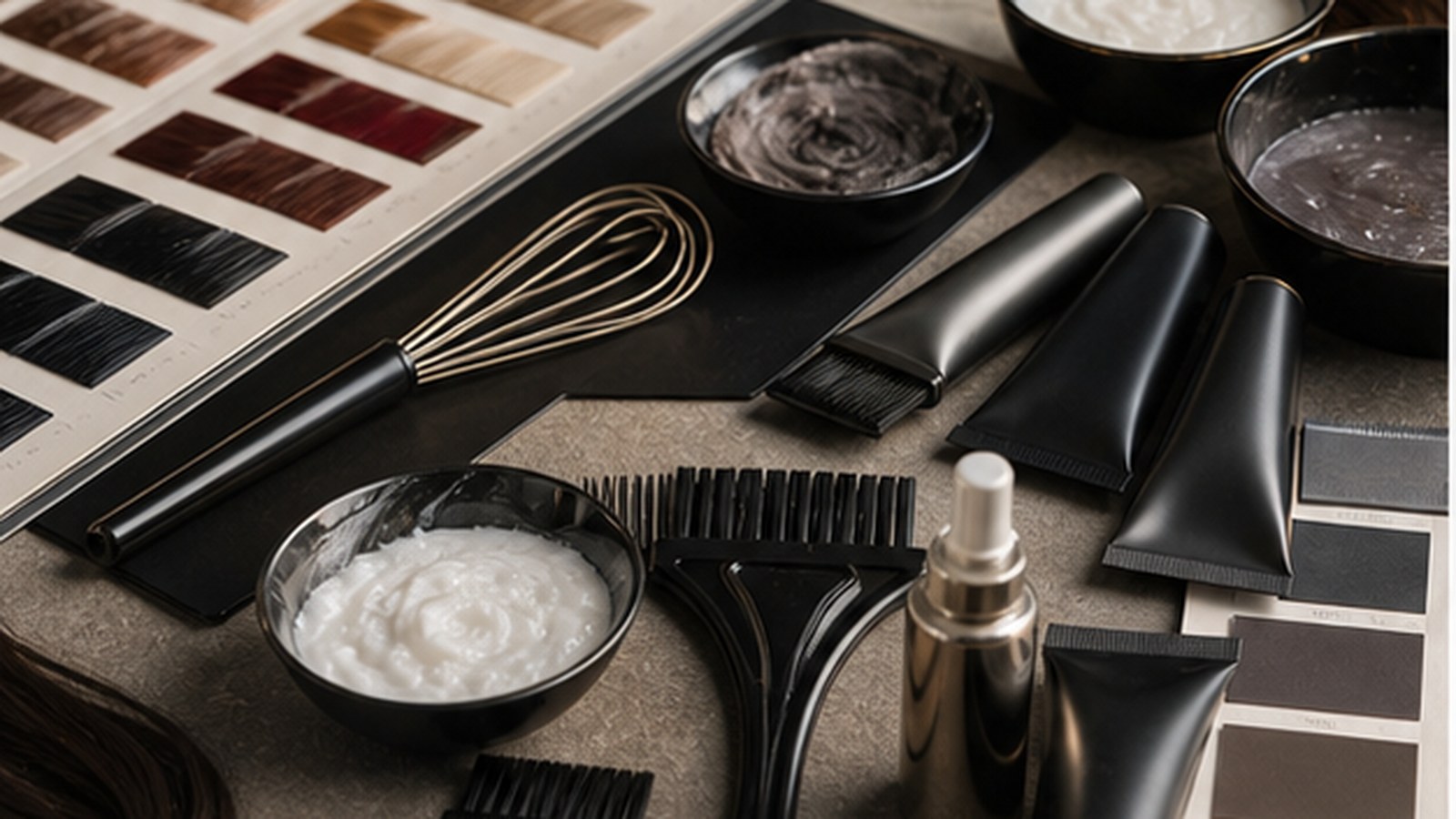
Hair color makes category memory tangible
Color swatches and care tools make category expertise tangible before purchase.
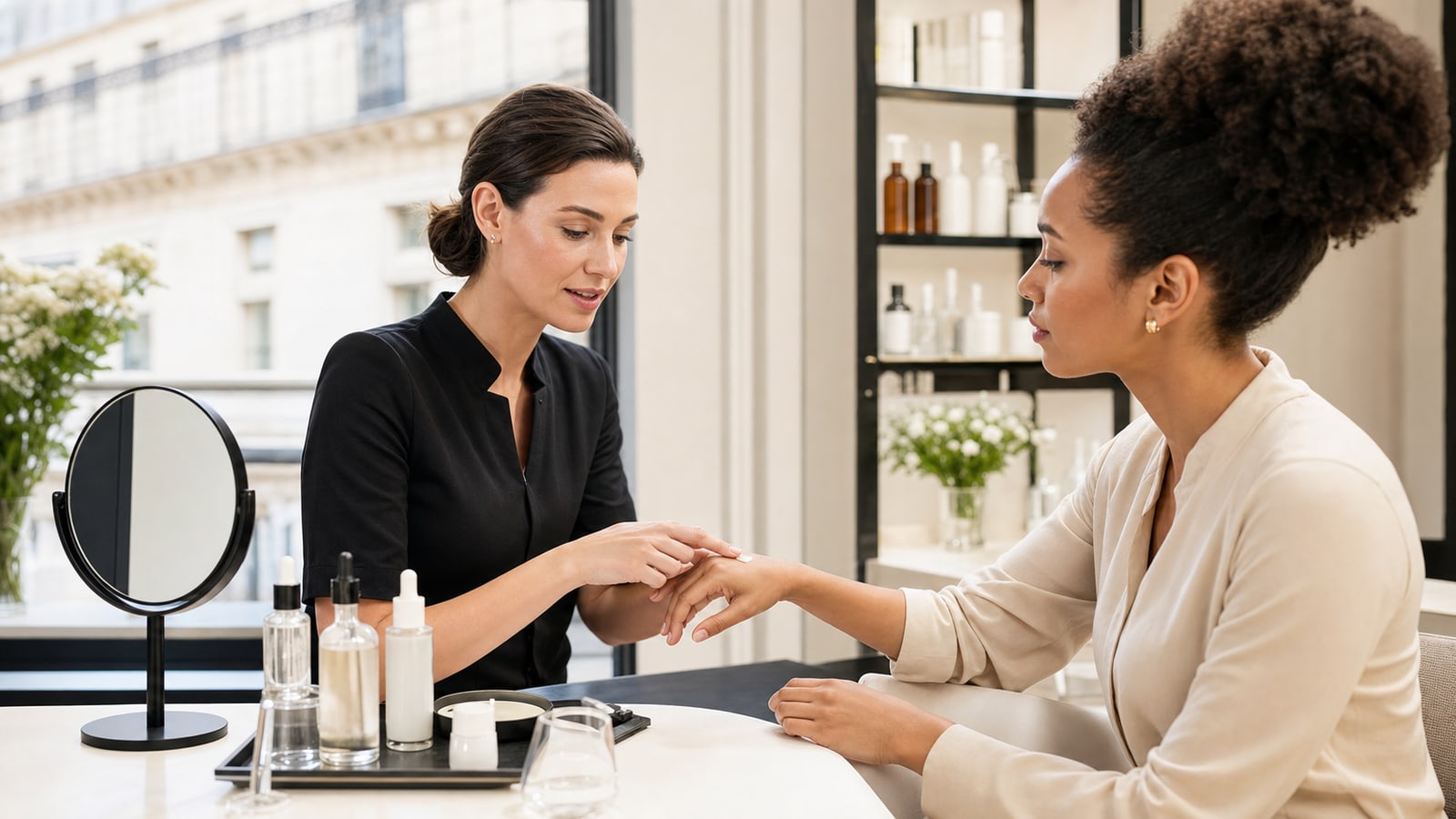
Consultation keeps skincare human
A skincare consultation turns product science into a human service moment.

Product development is the operating system
Hands-on formulation and testing connect science, speed, and portfolio renewal without turning the proof into a dashboard.
Product and service system
The company begins from hair-color chemistry.
The worth-it slogan creates public memory.
Portfolio expansion accelerates.
L'Oréal reports FY2025 global beauty sales and profit.
Turning points.
Events that changed what buyers could see, buy, repeat, or trust.
The company begins with a product and science problem.
The slogan turns beauty into personal value.
Owned brands need visible roles.
Dermatology and research make claims more credible.
Reuters reported that L’Oréal overtook LVMH as France’s most valuable listed company on 15 September 2026. Late-day values were about EUR 203 billion and EUR 201 billion respectively.
Public reaction.
The useful reaction is about trust and pressure, not sentiment counts.
People may know Maybelline or CeraVe before the parent.
Science and product evidence matter more than glamour copy.
Luxury beauty relationships need clean labels.
Full timeline.
Eugène Schueller founds the Société Française des Teintures Inoffensives pour Cheveux around hair-color chemistry.
The company officially becomes L'Oréal and moves to 14 Rue Royale in Paris.
L'Oréal lists in Paris.
Because I'm worth it launches as the original L'Oréal Paris recognition line.
Aesop acquisition becomes a modern portfolio marker.
L'Oréal reports FY2025 sales and profit.
Beauty overtakes luxury in a dated valuation snapshot
Steal / avoid.
- Make science visible.
- Let divisions do different jobs.
- Keep hero brands named.
- Do not flatten beauty brands.
- Do not confuse licensing and ownership.
- Do not let glamour replace proof.
Short answer.
L'Oréal is useful as a brand lesson because a parent beauty brand only works when the portfolio structure is clear. The page has to separate consumer, luxe, professional, dermatological, science, and licensing lanes so the parent name does not turn every brand into generic beauty language.
Frequently asked questions
What is L'Oréal's main brand signal?
Beauty backed by science, division architecture, and global portfolio scale.
What should another brand steal from L'Oreal?
Use proof and division labels to keep a large portfolio legible.
What should another brand avoid copying?
Do not make every product lane sound like the same beauty promise.
Need help with your own brand?
Use Private brand work when your name, identity, proof, or message needs a sharper branding decision.