Figma · Grow Your Brand · brand page · United States / Active
Figma
Figma is stretching one shared canvas across design, code and AI. Multiplayer made the product famous. The 2024 identity and 2026 agent push now have to keep a much wider creation platform feeling like one place.
Positioning, name, and architecture.
Three evidence checks before the page talks about scale, color, or public reaction.
A browser-native shared canvas makes collaboration the default behavior rather than a handoff stage.
Figma’s position depends on keeping collaboration more recognizable than any individual feature wave.
Figma was founded in 2012; the company’s public materials do not establish a separate official naming story used here.
Nothing great is made alone.
branded product platform with named workflow extensions
The company masterbrand and shared canvas connect products; Config and Friends of Figma are event and community identities, not masterbrand logo stages.
Holds interface design, prototyping and system work.
core design product: Shared design canvas source
Moves early thinking and workshops into the platform.
whiteboarding product: Collaborative whiteboard source
Turns prompts and designs into working prototypes.
AI creation product: Code-backed creation source
Automates and generates directly inside the canvas.
embedded agent: First-party canvas agent source
Naming and tagline progression
Nothing great is made alone.
The canvas for full-stack creation.
Market and scale snapshot.
Dated company reporting only. Entity boundaries stay explicit.
Up 48% year over year in company-reported Q2 2026 results.
Q2 2026 GAAP net loss; non-GAAP net income was USD 42.6 million.
Paid customers above USD 100,000 ARR, up 46% year over year.
Figma began trading on the NYSE on 31 July 2025.
Color system.
The five-color icon stays the anchor; the 2024 language expands the palette through flexible primitives instead of adding a second logo.
How the palette behaves
The five-color icon makes modular construction visible before any copy appears.
The 2024 expanded palette supports many product-builder roles without recoloring the masterbrand mark.
Black type and pale fields keep the multicolor language readable rather than noisy.
Recognition assets.
The useful cues are the ones that survive a channel change.
Live cursors and shared editing make collaboration observable rather than aspirational.
The five-part mark anchors a much broader 2024 visual language.
Design, FigJam, Slides, Make, Sites, code and agents should not collapse into a feature list.
Scores.
Eight operating signals, scored as editorial judgment rather than performance measurement.
The five-part icon is highly distinctive in design and product teams.
The collaborative behavior can be experienced immediately.
Rapid portfolio expansion creates product-role pressure.
Figma is embedded in the language and rituals of product building.
The exact five-part multicolor arrangement is a strong proprietary cue.
The compact icon works across app, community and event surfaces.
Workflow adoption is strong; AI governance and billing add new expectations.
A widening set of products and capabilities must remain easy to distinguish.
How the logo changed.
The 2017 product/masterbrand icon and 2024 Figma Sans lockup show continuity of the core symbol while the surrounding type and visual language expanded.
Figma’s March 2017 first-party article documents the product/masterbrand icon shortly after public launch; its stacked five-part construction remains a current component of the identity. source
The 2024 refresh adds Figma Sans, a refined wordmark and a wider visual language while retaining the core multicolor symbol. source
Product and service lineage.
The shared canvas is the stable behavior connecting design, whiteboarding, slides, sites, code and agents.
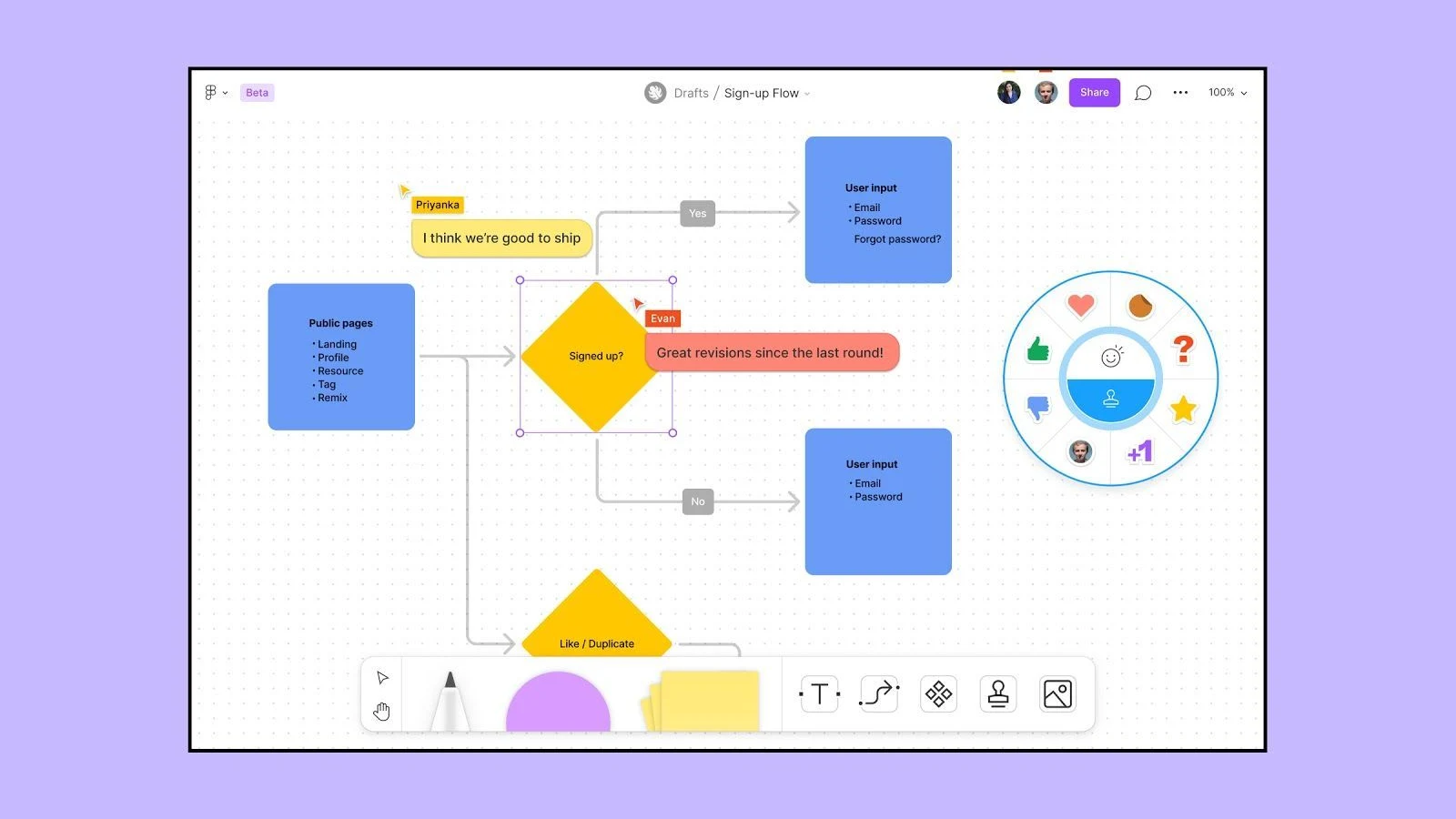
FigJam turns the canvas into a team room
Connectors, comments and stamps make collaboration visible before the work becomes a polished interface.
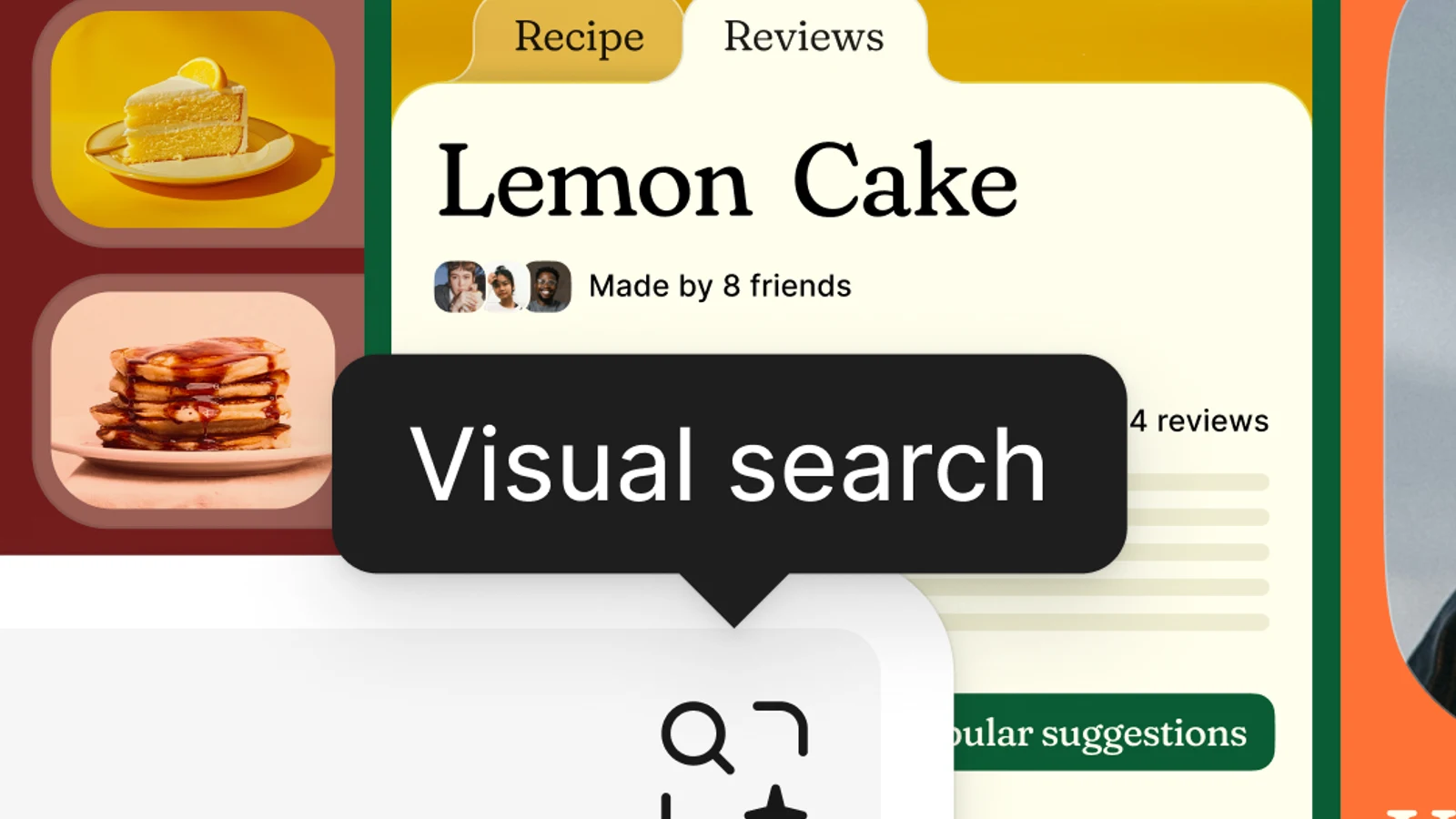
Visual Search turns existing work into context
Image and semantic search help teams find reusable designs and components across shared files.
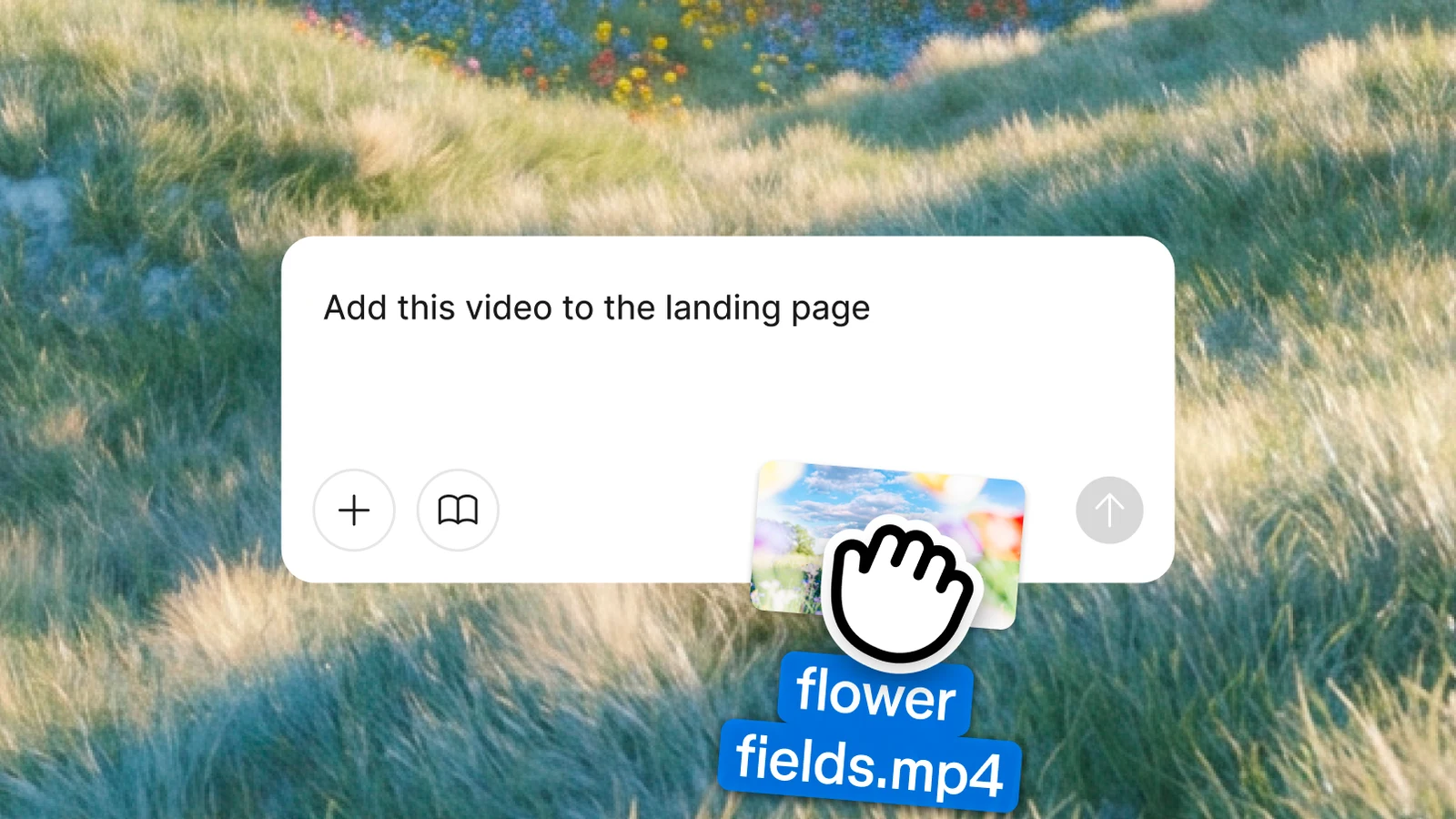
Make brings prompting into the product loop
Attachments and prompts connect source context to a working prototype inside the same platform.
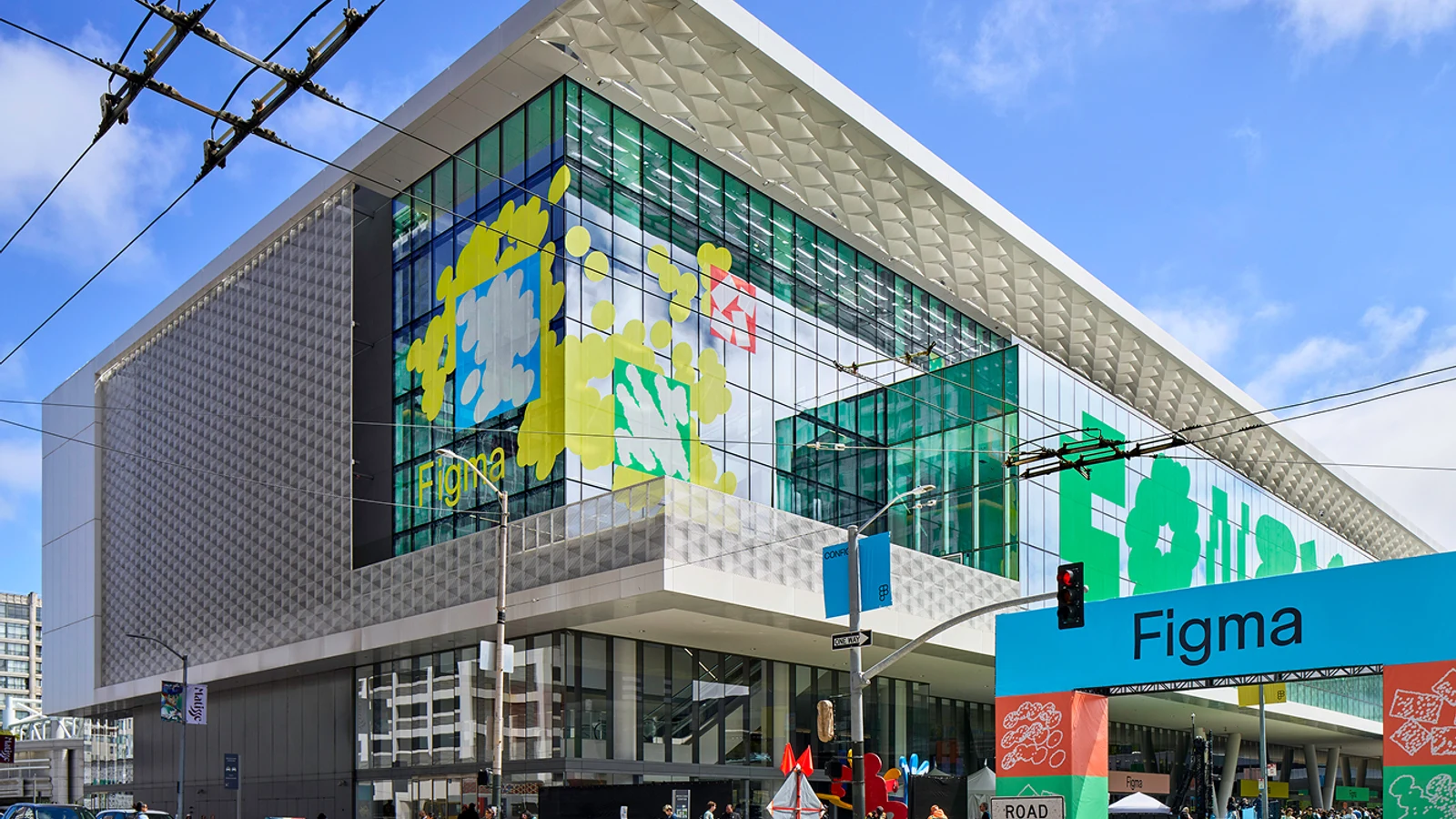
The platform becomes a public community signal
Config turns product expansion into a physical gathering with one recognizable Figma system.
Product and service system
Figma begins building a browser-native design platform.
Multiplayer interface design becomes broadly available.
Community, FigJam, Dev Mode and Slides broaden the team surface.
Sites, Make, Code Layers and the Figma agent expand creation into code and AI.
Turning points.
Turning points only: proof, recognition, pressure and operating consequence.
Live collaboration becomes a directly observable product behavior.
Figma Sans, primitives, motion and an expanded palette support a broader audience.
More than half of larger paid customers use the Figma agent weekly by July 31.
Public reaction.
Current attention is separated from durable brand facts.
Revenue, customer growth and weekly AI usage show teams adopting new roles inside the platform.
A growing set of creation, code and AI names asks customers to learn more architecture.
Full timeline.
Figma is founded.
Figma launches publicly.
Adobe agrees to acquire Figma.
Adobe and Figma terminate the acquisition agreement.
Figma launches a refreshed visual language and Figma Sans.
Figma becomes a public company.
Figma reports rapid growth and launches Code Layers and the Figma agent.
Steal / avoid.
- Make the product mechanism visible in the interface.
- Keep one recognition anchor while the visual language expands.
- Give every new product and AI capability one clear workflow role.
- Treating FigJam, Config or community marks as Figma masterbrand logo stages.
- Calling non-GAAP income the same thing as GAAP profitability.
- Adding product names faster than customers can understand their jobs.
Short answer.
Figma’s brand signal is multiplayer collaboration made visible. The five-part icon anchors recognition, while the shared canvas proves the promise across design, whiteboarding, code and AI. The lesson is to preserve one observable product behavior and give every extension a clear role.
Frequently asked questions
What makes Figma recognizable?
The five-part multicolor icon, multiplayer cursors and a shared browser-native canvas.
What changed in Figma’s 2024 identity?
Figma added a custom type family, flexible primitives, a broader palette and motion principles while retaining the core icon.
What is Figma’s current brand challenge?
Keeping design, whiteboarding, slides, sites, code and AI products understandable as one platform.
Need help with your own brand?
Use Private brand work when your name, identity, proof, or message needs a sharper branding decision.