Forever 21 · Grow Your Brand · Forever 21 failure case study · United States / Licensed ecommerce brand; former U.S. store operator liquidated
Forever 21
Forever 21 kept the name but lost the U.S. store machine behind it. This failure case separates F21 OpCo's 2025 liquidation from the name's licensed ecommerce return, then follows the leases, margin, assortment speed, and digital weakness behind the collapse.
Positioning, name, and architecture.
Forever 21 promised inexpensive trend access. The promise weakened when the retail operation could no longer move, price, and distribute fashion at the speed its name implied.
A vast, immediate trend assortment in high-traffic malls
Forever 21 made trend abundance feel immediate, but the store system stopped delivering the speed and economics needed to support that position.
The business began as Fashion 21 and later adopted Forever 21, turning youth into the permanent aspiration.
No current U.S. retail-chain tagline is used here because the former operator liquidated.
licensed masterbrand
The U.S. store company liquidated. A separate rights holder retains the intellectual property and licenses the name to new commerce partners.
Separates the failed operating entity from the surviving name or intellectual property.
failure-case boundary: Licensed U.S. ecommerce and wholesale network announced in 2025 source
Naming and tagline progression
Fashion 21
Forever 21
The name continues through licensed ecommerce and wholesale
Market and scale snapshot.
The court record and reported company figures show a recognizable name attached to an operation with recurring losses, debt, and a small domestic online share.
Reported 2015 peak before later restructuring.
Losses over the three fiscal years before filing; FY2024 alone was about USD 150M.
Reuters figure from court documents.
The intellectual property survived the former U.S. store operator's liquidation.
Color system.
Black carried the wordmark while yellow shopping bags created a high-visibility retail cue. Recognition stayed strong even when the operation weakened.
How the palette behaves
Black made the name direct and fashion-led.
Yellow made the carry bag visible across a mall.
Bright store light and dense racks signaled abundance, then became evidence of oversized floorplates.
Recognition assets.
The name, black wordmark, yellow bag, dense racks, and large mall stores remained recognizable even as the operation behind them deteriorated.
The narrow letters stayed legible across fascia and shopping bags.
The carry bag turned purchases into moving mall media.
Abundance first communicated choice, then exposed the cost of oversized stores and slow inventory.
Scores.
These scores judge what the operating evidence did to recognition, trust, consistency, and recovery potential.
The name and bag cue survived the store liquidation.
A second bankruptcy and mass closures damaged operating confidence.
The promise was access, not premium control, and execution became uneven.
The name still has awareness, but a license network must prove speed and relevance again.
The operating model grew faster than its ability to keep the trend promise current and profitable.
The court record and reported company figures show a recognizable name attached to an operation with recurring losses, debt, and a small domestic online share.
Operator liquidated; brand and intellectual property survived
Licensed U.S. ecommerce and wholesale network announced in 2025
How the logo changed.
The honest progression is short. The two cleared wordmarks show typographic change without turning a storefront photograph into a fabricated logo asset.
The earlier sourced wordmark used a wider, heavier custom treatment across the growth era.
The current official wordmark is taller and more condensed for digital and licensed use.
Product and service lineage.
The brand moved from a compact apparel store to global mall scale, then into bankruptcy, restructuring, liquidation, and a licensed digital return.
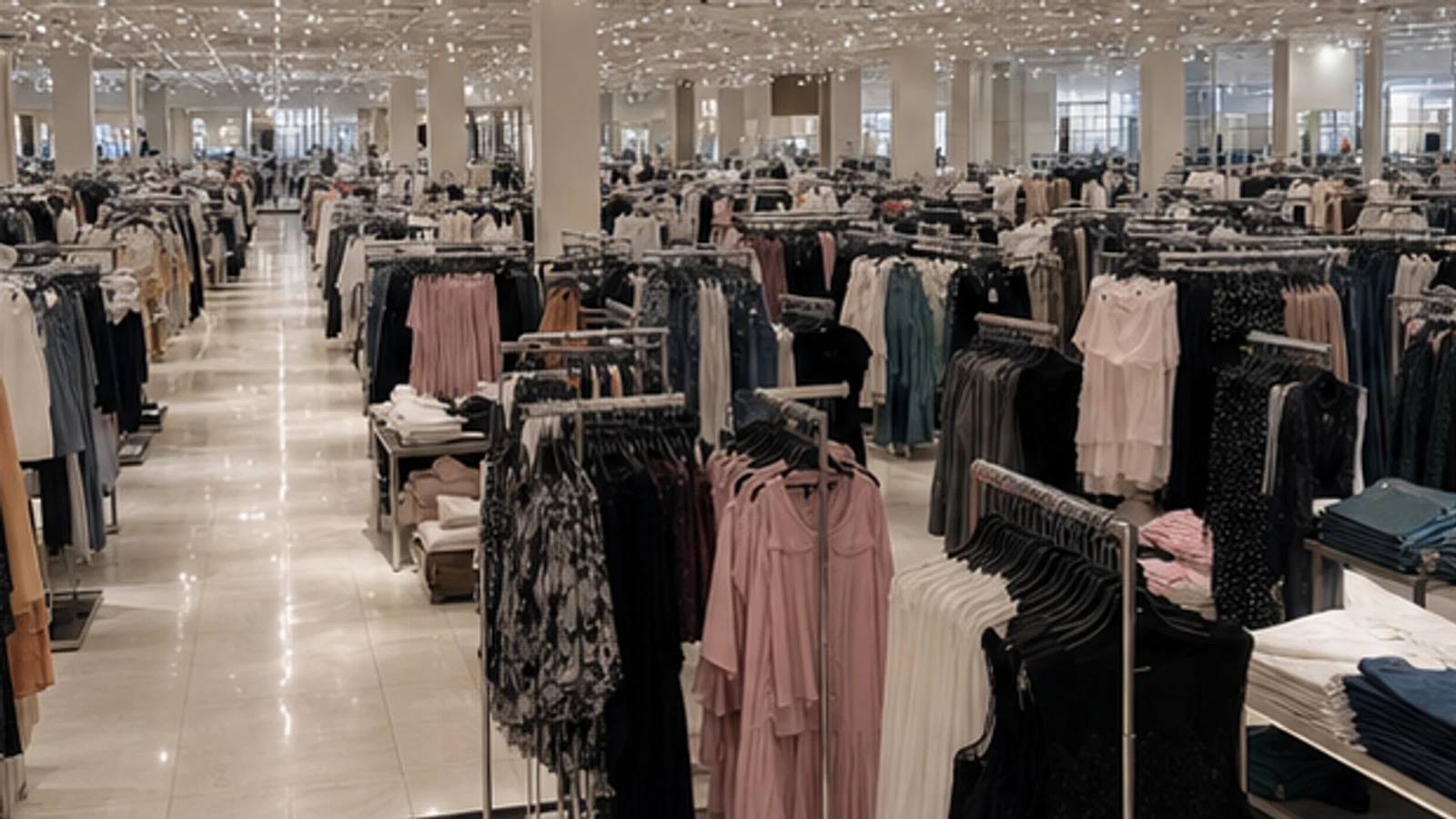
Scale became overhead
Large mall floorplates created visual abundance but carried fixed costs when traffic and margins weakened.
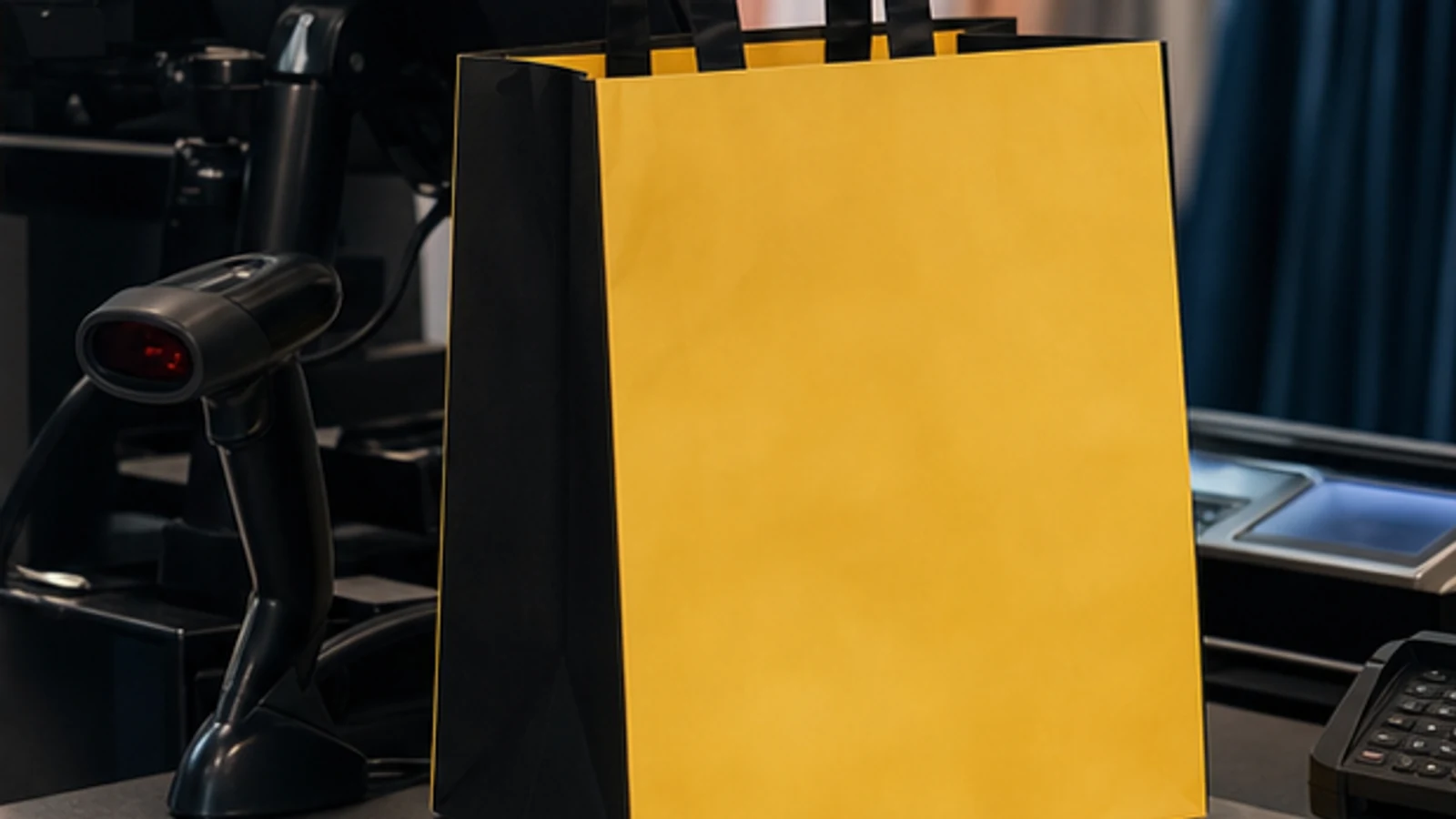
The bag outlived the store
A simple yellow carry cue retained recognition even when many physical locations disappeared.
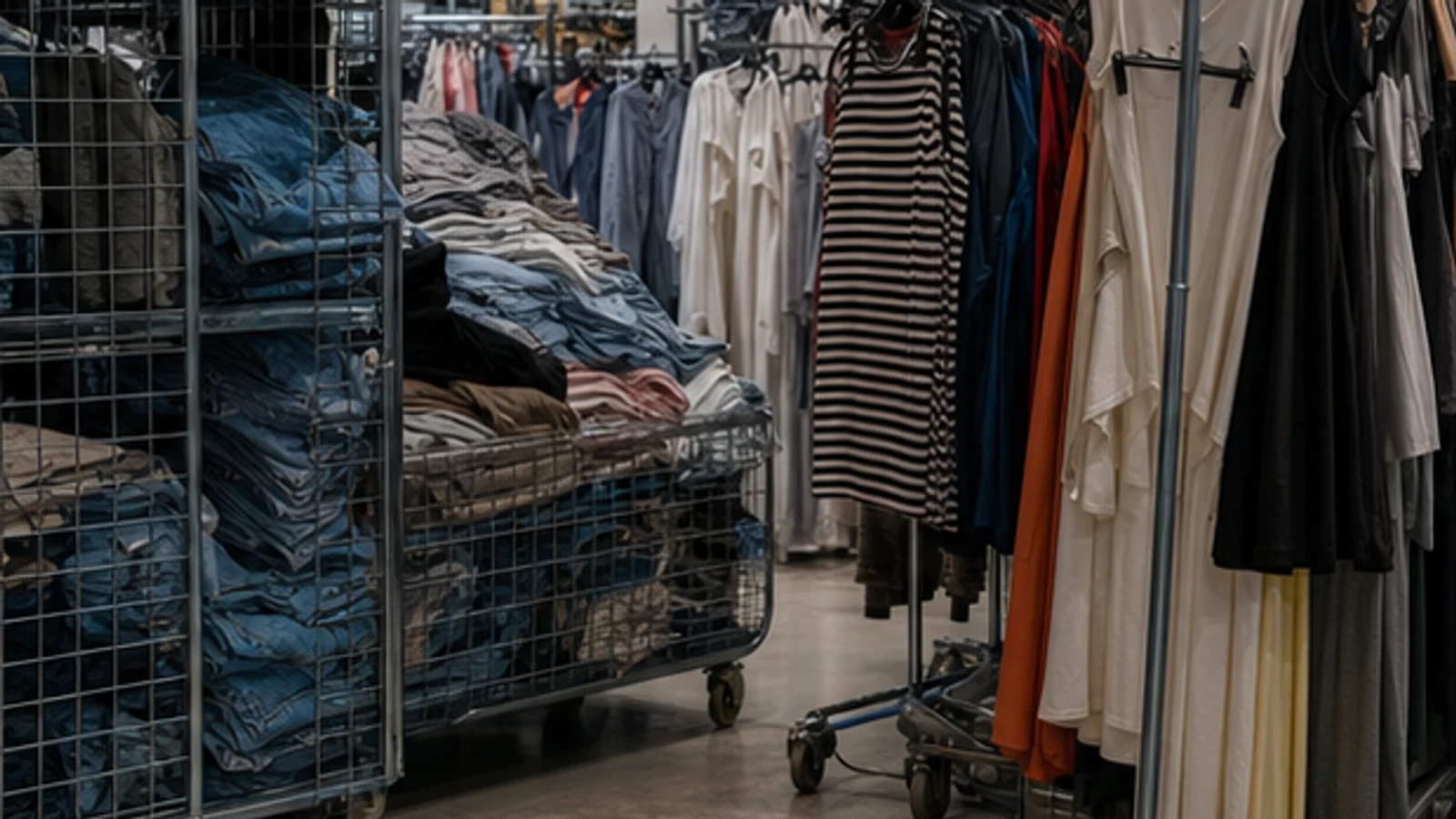
Trend speed is operational
A fast-fashion name loses meaning when replenishment and trend response lag digital competitors.
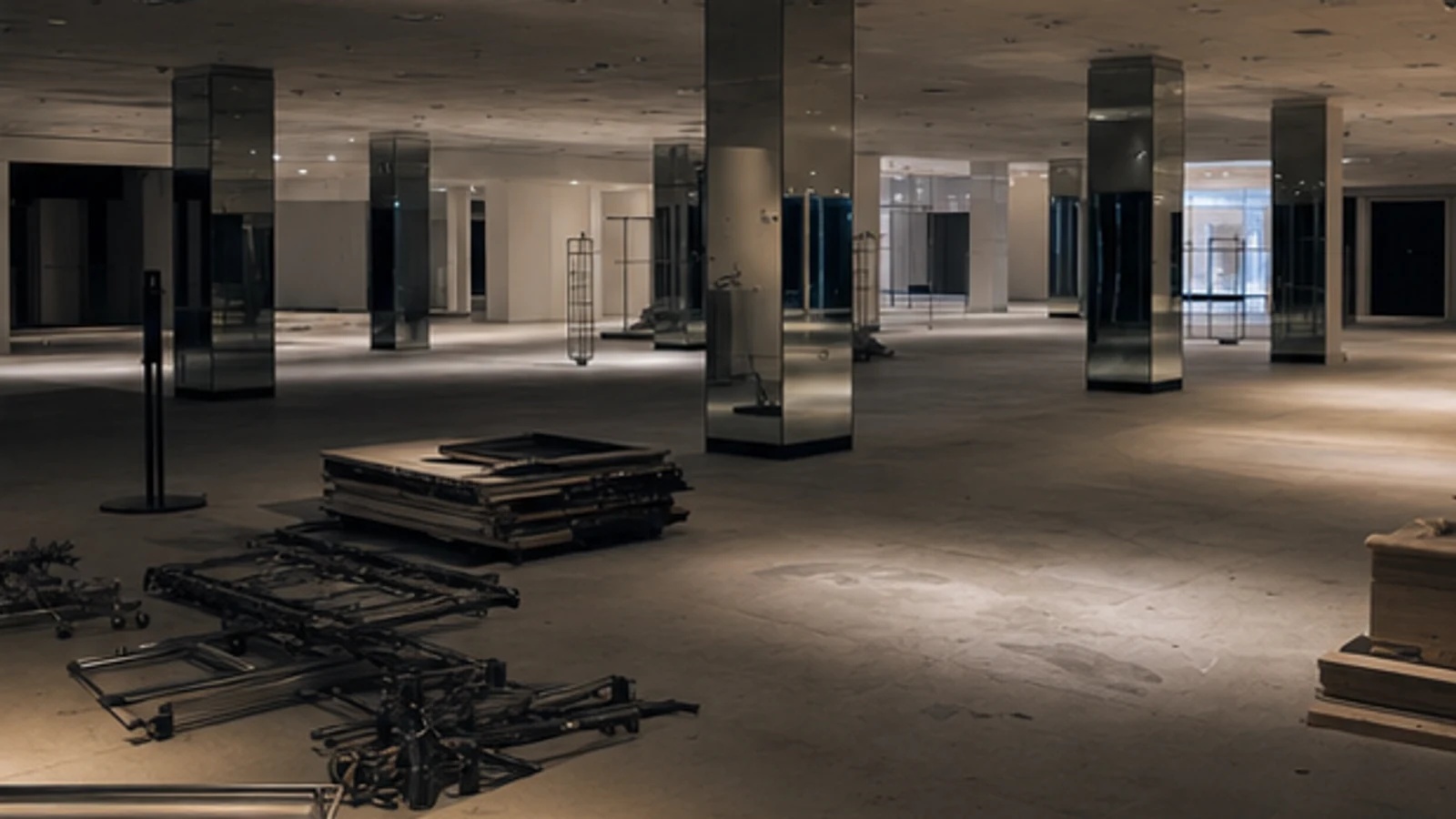
The floorplate after demand
The empty shell makes the fixed-cost problem visible without confusing the failed operator with the surviving name.
Product and service system
A focused 900-square-foot origin kept the proposition close to product and customer.
Hundreds of stores and large footprints turned abundance into the main experience.
The 2020 acquisition preserved the chain but did not remove the lease and margin problem.
The name continues through ecommerce and wholesale partners after F21 OpCo liquidated.
Turning points.
The failure becomes legible when the finances, operating decisions, and customer evidence are read together.
Why it failed
Forever 21 entered 2025 with 354 leased U.S. stores, while online represented only about 11% of 2024 domestic sales. Inflation, lower-priced duty-free competitors, contracting margins, and the store-heavy cost base produced more than USD 400 million of losses over three fiscal years.
The 2019 bankruptcy followed aggressive foreign expansion. The successor still operated 413 stores after acquisition and 354 at the second filing. SPARC's 2023 SHEIN partnership did not stop the losses, and more than USD 50 million of 2024 lease and license savings was not enough.
The operator lost about USD 150 million in FY2024 and projected another USD 180 million EBITDA loss through 2025. A sale process contacted 217 potential buyers but produced no buyer; closing sales began in February and F21 OpCo filed Chapter 11 on March 16, 2025.
Failure timeline
Annual sales reached about USD 4.4B.
International overexpansion and store economics forced a restructuring.
The 354-store U.S. operation entered Chapter 11 and closed remaining stores.
Authentic announced new U.S. ecommerce and wholesale partners.
Public reaction.
Public discussion often collapses the operator and the brand into one story. The useful distinction is what closed, what was sold, and what customers can still buy.
F21 OpCo liquidated and the remaining U.S. stores closed by May 2025.
A new partner network operates U.S. ecommerce and wholesale under the surviving Forever 21 name.
Full timeline.
Do Won and Jin Sook Chang open the original Fashion 21 store in California.
The Forever 21 name expands beyond the original Fashion 21 identity.
Annual sales reach about USD 4.4 billion.
The business operates about 800 stores across 57 countries.
Forever 21 files its first Chapter 11 case.
Authentic, Simon, and Brookfield acquire the business and intellectual property.
SPARC and SHEIN announce a distribution partnership involving Forever 21.
Domestic online sales account for only about 11% of sales.
F21 OpCo enters Chapter 11 again and liquidates the U.S. store operation.
Authentic announces a licensed U.S. ecommerce and wholesale partner network.
Steal / avoid.
- Treat brand speed as an operating metric, not a campaign word.
- Separate the solvency of the operator from the value of the name.
- Use one simple carry cue that customers repeat in public.
- Do not let store expansion outrun inventory and margin discipline.
- Do not mistake a distribution partnership for a repaired business model.
- Do not call a licensed brand dead when the failed entity was the operator.
Short answer.
Forever 21 is a failed-operator case, not a dead-brand case. F21 OpCo filed Chapter 11 in March 2025 and liquidated its 354-store U.S. operation. The Forever 21 intellectual property survived under an Authentic Brands Group subsidiary, and a new licensed partner network later resumed U.S. ecommerce and wholesale. The brand lesson is that awareness cannot compensate for slow trend response, expensive floorplates, weak digital share, and recurring losses.
Frequently asked questions
Did Forever 21 go out of business?
The former U.S. store operator liquidated in 2025, but the Forever 21 name and intellectual property survived and continue through licensed ecommerce and wholesale.
How much money was Forever 21 losing?
The company reported more than USD 400 million in losses across the three fiscal years before filing, including about USD 150 million in FY2024.
Why did the brand fail in U.S. stores?
The court record points to costly leases, weak margins, debt, inflation, supply pressure, shrinking discretionary spending, and a store-heavy model with only about 11% of 2024 domestic sales online.
What should another brand learn?
A promise of speed must be supported by fast product, pricing, inventory, and distribution decisions.
Why are only two logo stages shown?
Only two reusable, authenticated Forever 21 wordmark stages were cleared. The page documents the Fashion 21 predecessor in history without inventing a third logo asset.
Need help with your own brand?
Use Private brand work when your name, identity, proof, or message needs a sharper branding decision.
Sources.
Use the education shelf for the concepts behind this brand page.
Private brand workUse this when the decision belongs to your own brand.
All brandsReturn to every brand page.
- F21 OpCo first-day declaration
- Reuters report on the 2025 bankruptcy
- Associated Press report on the liquidation
- Authentic 2020 acquisition announcement
- Authentic and SHEIN partnership
- Authentic 2025 partner-network announcement
- Forever 21 current store FAQ
- Earlier Forever 21 wordmark
- Forever 21 final disclosure statement
