Instagram · Grow Your Brand · High-frequency visual culture platform · United States / Meta-owned product-platform masterbrand
Instagram: recognition rebuilt through a product people open every day. The 2016 icon change broke with a beloved camera illustration, triggered documented criticism, and then became familiar through relentless product use. The lesson is not that reaction does not matter - it is that a high-frequency product can rebuild recognition.
Positioning, name, and architecture.
Instagram is a Meta-owned visual social platform organized around Feed, Stories, Reels, Live, and messaging. Its brand is experienced inside a high-frequency product, so interface and icon decisions carry unusual weight.
Instagram connects a highly recognized visual identity with Feed, Stories, Reels, Live, messaging, and creator-business behavior inside one daily product.
Instagram is the visual culture platform where creation, discovery, entertainment, and messaging reinforce one high-frequency product identity.
Instagram has used this coined product name since launch; this page does not assert a specific etymology without a first-party source.
No verified current global masterbrand slogan is used as operating proof.
single-platform product ecosystem
Instagram is one product-platform masterbrand inside Meta’s Family of Apps. Its experiences should remain distinct from Meta parent finance and from separate Facebook, WhatsApp, Messenger, and Threads identities.
Carries durable posts, social context, and recommendation.
publishing and discovery surface: Instagram Feed source
Creates frequent low-friction sharing and visual grammar.
ephemeral format: Instagram Stories source
Carries entertainment, creator reach, and discovery.
short-form video: Instagram Reels source
Connects creators and audiences in the moment.
real-time video: Instagram Live source
Turns visual discovery into direct conversation.
private sharing: Instagram Direct source
Connects publishing, insights, community, and commerce activity.
professional system: Instagram for creators and businesses source
Naming and tagline progression
Capture and Share the World’s Moments
Product language around creators, Reels, sharing, and messaging carries the brand more than one slogan.
Market and scale snapshot.
Meta does not disclose Instagram-only revenue or profit. Family of Apps and parent results provide context, not Instagram financials.
Meta reports Instagram inside Family of Apps rather than as a standalone revenue line.
Instagram-only operating income is unavailable. Meta Q2 2026 operating income was USD 18.775B.
Meta Q2 2026 total revenue; parent context only.
NASDAQ: META. Instagram is not separately listed.
Color system.
The gradient is a controlled recognition asset, not permission to flood every surface. Deep violet and near-white give the color room to work.
How the palette behaves
Violet creates depth and a distinctive technology-culture field.
Magenta carries expression, energy, and creator visibility.
Orange and yellow add warmth and motion.
Near-white protects legibility and keeps the product system from becoming decorative noise.
Recognition assets.
The gradient glyph is only one signal. Vertical creation, Stories, Reels, messaging, creator language, and the product’s image-first behavior reinforce it.
The rounded-square glyph preserves camera memory while working at app-icon scale.
Violet, magenta, orange, and yellow make the icon recognizable even before details resolve.
Repeated behaviors teach the identity every time people create, discover, or share.
The 2022 system extends the brand beyond one icon into a proprietary typographic voice.
Scores.
Eight signals separate recognition from operating proof.
The gradient glyph is globally immediate.
Daily use rapidly teaches identity changes.
The system supports expressive visual content.
Feed, Stories, Reels, Live, and messaging need clear roles.
Safety, authenticity, attention, and recommendation quality shape the brand.
Creation, discovery, and messaging are visible behaviors.
The icon and type system adapt well across formats.
Instagram remains a defining visual social platform.
How the logo changed.
Instagram’s history moves from literal early identity to a compact app symbol, then expands that symbol into a broader gradient and type system.

The canvas extracts the opening classic-camera frame from Instagram’s official 2016 logo-transition GIF hosted by the Meta newsroom. It provides direct image provenance for the pre-2016 identity stage. source

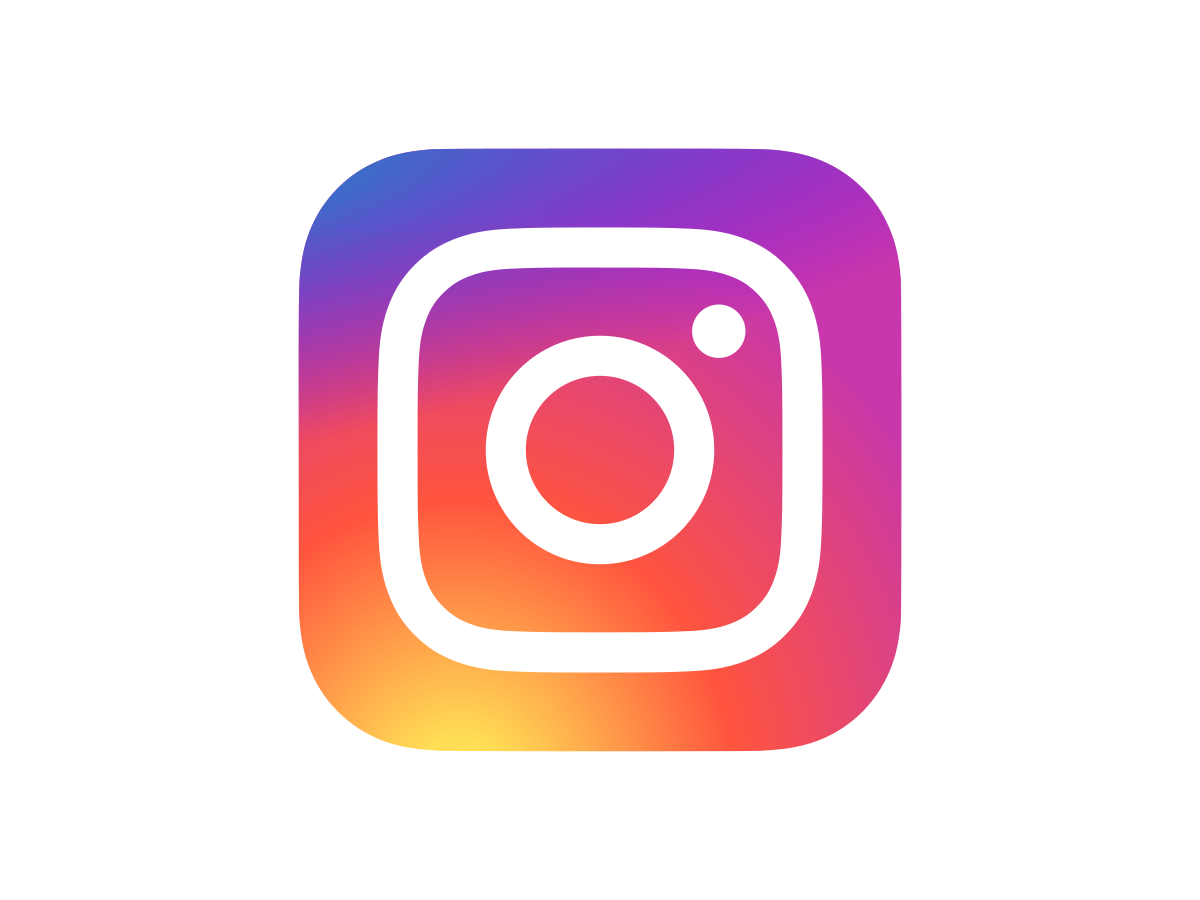
The 2016 redesign simplified the familiar camera and rainbow into a rounded-square gradient glyph built for the app era. source
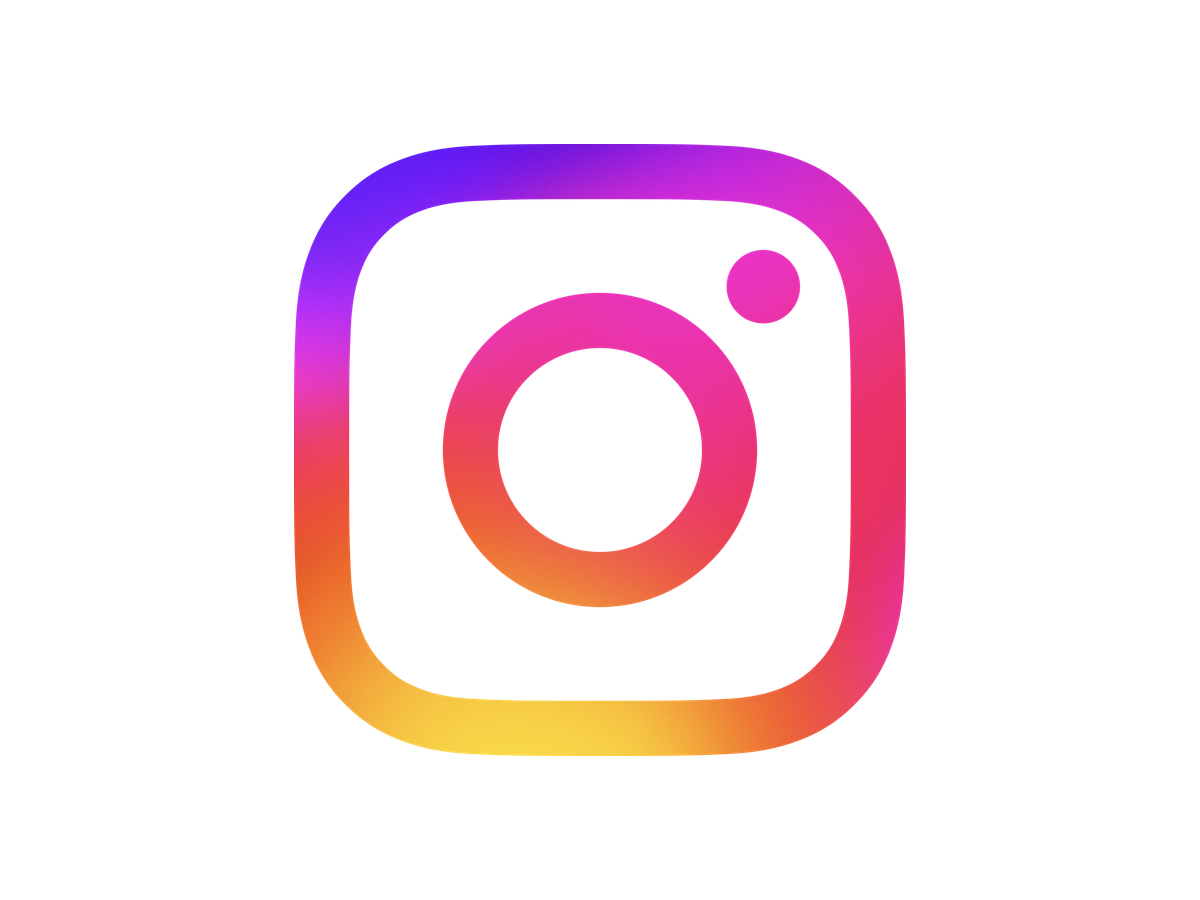
The current official Meta pack carries the brighter gradient glyph. The 2022 refresh is treated as a visual-system evolution, including Instagram Sans, not a wholly different camera symbol. source
Product and service lineage.
Each format answers a different user need, but creation, discovery, sharing, and messaging must still feel like one product.
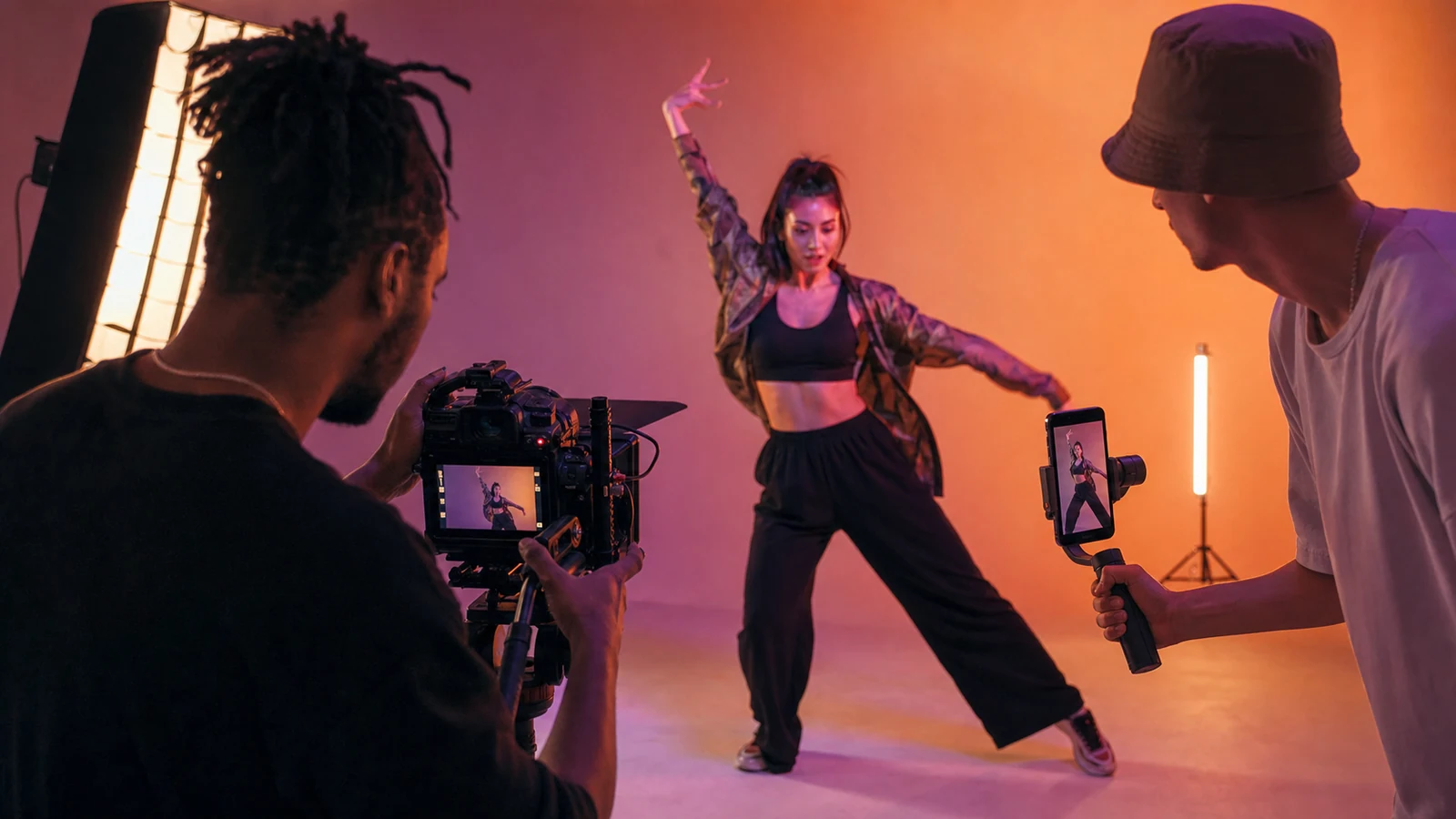
Reels creation
Short-form video turns the platform into both a production tool and an entertainment surface.

Small-business publishing
Visual product storytelling connects creation, discovery, and commercial intent.

Messaging as the sharing layer
Instagram says messaging is the most popular way people share photos and videos on the platform.

Safety as product work
A platform at this scale must make youth wellbeing, bullying controls, integrity, and community support part of the operating brand.
Product and service system
Durable visual publishing and recommendation create the base layer.
Ephemeral vertical sharing increases frequency and informality.
Short-form video turns creation into entertainment and reach.
Real-time broadcasting adds presence and participation.
Private sharing converts discovery into conversation.
Professional features connect audience, content, and commercial intent.
Turning points.
Instagram’s biggest brand events are product and identity changes experienced at massive frequency.
Instagram launches as an image-sharing app.
Facebook completes the Instagram acquisition.
A simplified gradient icon replaces the classic camera illustration.
Instagram’s tenth birthday reflects on creator culture, safety, Reels, shopping, and messaging.
A brighter gradient and Instagram Sans expand the visual system.
Instagram reports 3B monthly active users.
Public reaction.
The 2016 change drew documented criticism because it replaced a beloved literal camera. The current icon’s familiarity shows the power of repeated use, not proof that every redesign is automatically accepted.
The simplified camera and gradient remain legible across small screens, stories rings, and product entry points.
The 2022 gradient and Instagram Sans give creators and campaigns a broader visual language.
Documented 2016 criticism focused on the loss of the detailed classic icon and the intensity of the new gradient.
Safety, recommendation quality, attention, and authenticity can shape the brand more strongly than identity craft.
Full timeline.
Instagram launches.
Facebook completes the Instagram acquisition.
Instagram launches the simplified gradient camera and new interface.
Instagram’s tenth-birthday review records Reels, shopping, messaging improvements, creator commerce, and safety work.
The gradient brightens and Instagram Sans joins the visual system.
Instagram reports 3B monthly active users.
Steal / avoid.
- Design app marks for tiny, repeated contexts.
- Keep one memory structure while simplifying detail.
- Let product behavior teach the new identity.
- Measure redesign success separately from platform trust.
- Do not call Meta parent revenue Instagram revenue.
- Do not call Family DAP Instagram MAU.
- Do not say 4.5B Reels reshares are Instagram-only.
- Do not treat familiarity as proof that launch criticism was wrong.
Short answer.
Instagram is a Meta-owned visual social product-platform masterbrand spanning Feed, Stories, Reels, Live, and messaging. Instagram reported 3 billion monthly active users in September 2025. Messaging is the most popular way people share photos and videos on the platform, while Reels are reshared more than 4.5 billion times per day across Meta platforms - not Instagram alone. Meta does not disclose Instagram-only revenue or profit. The identity moved from launch-era branding to a simplified gradient camera in 2016 and a broader brighter-gradient and Instagram Sans system in 2022.
Frequently asked questions
Why did Instagram change its icon in 2016?
The new simplified camera was designed for a growing app family and small digital contexts while preserving camera and rainbow memory through a gradient.
Did people immediately like the redesign?
No. The launch drew documented criticism. Familiarity grew through repeated product use, but that does not make the reaction irrelevant.
Does Instagram report its own revenue?
No. Meta reports Instagram inside Family of Apps, so parent and segment figures are context only.
Need help with your own brand?
Use Private brand work when your name, identity, proof, or message needs a sharper branding decision.
Sources.
Use the education shelf for the concepts behind this brand page.
Private brand workIf your product icon is part of a daily habit, Private Brand Work can decide what may change, what must stay familiar, and how the product teaches the new system.
All brandsReturn to every brand page.
- Instagram official brand resources and asset pack
- Instagram 2016 new look
- The Guardian report on the mixed 2016 launch reaction
- Instagram 10th birthday
- Instagram 2022 brand system
- Instagram 3B monthly users and sharing behavior
- Meta 2025 Form 10-K
- Meta Q2 2026 results
- Instagram, LLC listed subsidiary
- Instagram acquisition accounting
- Instagram safety center