JOANN · Grow Your Brand · JOANN failure case study · United States / Standalone retailer closed; intellectual property acquired by Michaels
JOANN
JOANN lost the project basket when stockouts broke the one-trip craft promise. This failure case follows two bankruptcies, supplier pressure, inventory gaps, and liquidation, then separates the closed JOANN chain from the trademarks and private labels Michaels acquired.
Positioning, name, and architecture.
JOANN promised that makers could find the fabric, notions, tools, and help required to complete a project in one trip. One missing component could erase the entire basket.
A deep project assortment with cutting service and category knowledge
JOANN's specialist position depended on completing the project basket, and stockouts removed the proof that made the position useful.
The chain grew from the Cleveland Fabric Shop, later used Jo-Ann Fabrics, and shortened its public name to JOANN in 2018.
No standalone-retailer tagline is presented as current because JOANN stores closed.
standalone specialist retailer
The standalone retail chain closed. Michaels acquired trademarks, intellectual property, and private-label brands without reopening JOANN stores.
Separates the failed operating entity from the surviving name or intellectual property.
failure-case boundary: JOANN.com redirects to Michaels; no standalone JOANN chain reopened source
Naming and tagline progression
Cleveland Fabric Shop
Jo-Ann Fabrics
JOANN
Market and scale snapshot.
The financial record shows a category with customers but a retailer that could not finance dependable inventory after its first restructuring.
JOANN FY2023 results.
Public-company loss before the first bankruptcy.
The first restructuring reduced debt but did not stabilize inventory.
Funded debt at the second filing; Michaels did not disclose the IP purchase price.
Color system.
Bright green made JOANN easy to identify in a beige big-box landscape. Purple and the color of fabric, yarn, and craft materials carried the creative category.
How the palette behaves
Green signaled making, growth, and approachability.
Purple added creativity without losing specialist authority.
The product wall supplied the real color system, so empty shelves removed both inventory and identity.
Recognition assets.
The green wordmark, fabric wall, cutting counter, yarn aisles, and specialist assistance made the brand legible. Stock gaps turned those same surfaces into evidence of failure.
The simple mark made the specialist store easy to find.
Measurement and cutting turned product into expert help.
Assortment depth mattered because makers needed several related components at once.
Scores.
These scores judge what the operating evidence did to recognition, trust, consistency, and recovery potential.
The green name and craft-store environment retained strong category memory.
Stockouts and staffing pressure weakened specialist authority.
The brand competed on access and expertise, but execution varied.
The intellectual property and private labels have value, but the standalone store experience is gone.
The customer still wanted to make, but JOANN could no longer complete the project basket reliably.
The financial record shows a category with customers but a retailer that could not finance dependable inventory after its first restructuring.
Retailer liquidated; intellectual property and private labels acquired
JOANN.com redirects to Michaels; no standalone JOANN chain reopened
How the logo changed.
The identity progressively shortened as the retailer expanded from fabric shops into a broader maker destination.
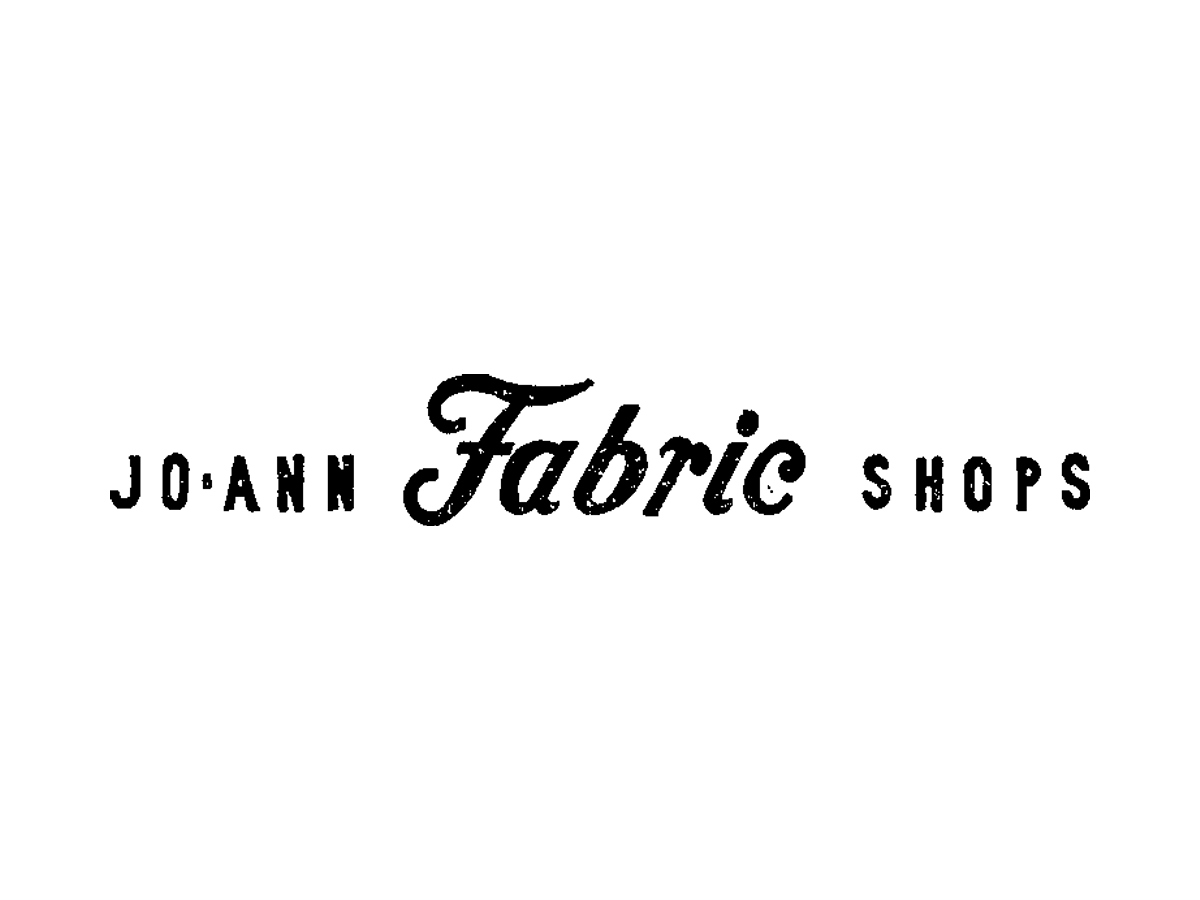
The early mark named the fabric-shop category directly and retained the hyphenated Jo-Ann name. source

The middle identity made the expansion from fabric into crafts explicit. source

The final green wordmark shortened the name and let the store experience carry the category meaning.
Product and service lineage.
JOANN expanded from fabric into a broad project destination, went private, returned to public markets, restructured, and then liquidated when inventory financing failed.

The cutting counter was expertise
Measurement, advice, and cutting made JOANN more than a warehouse of materials.
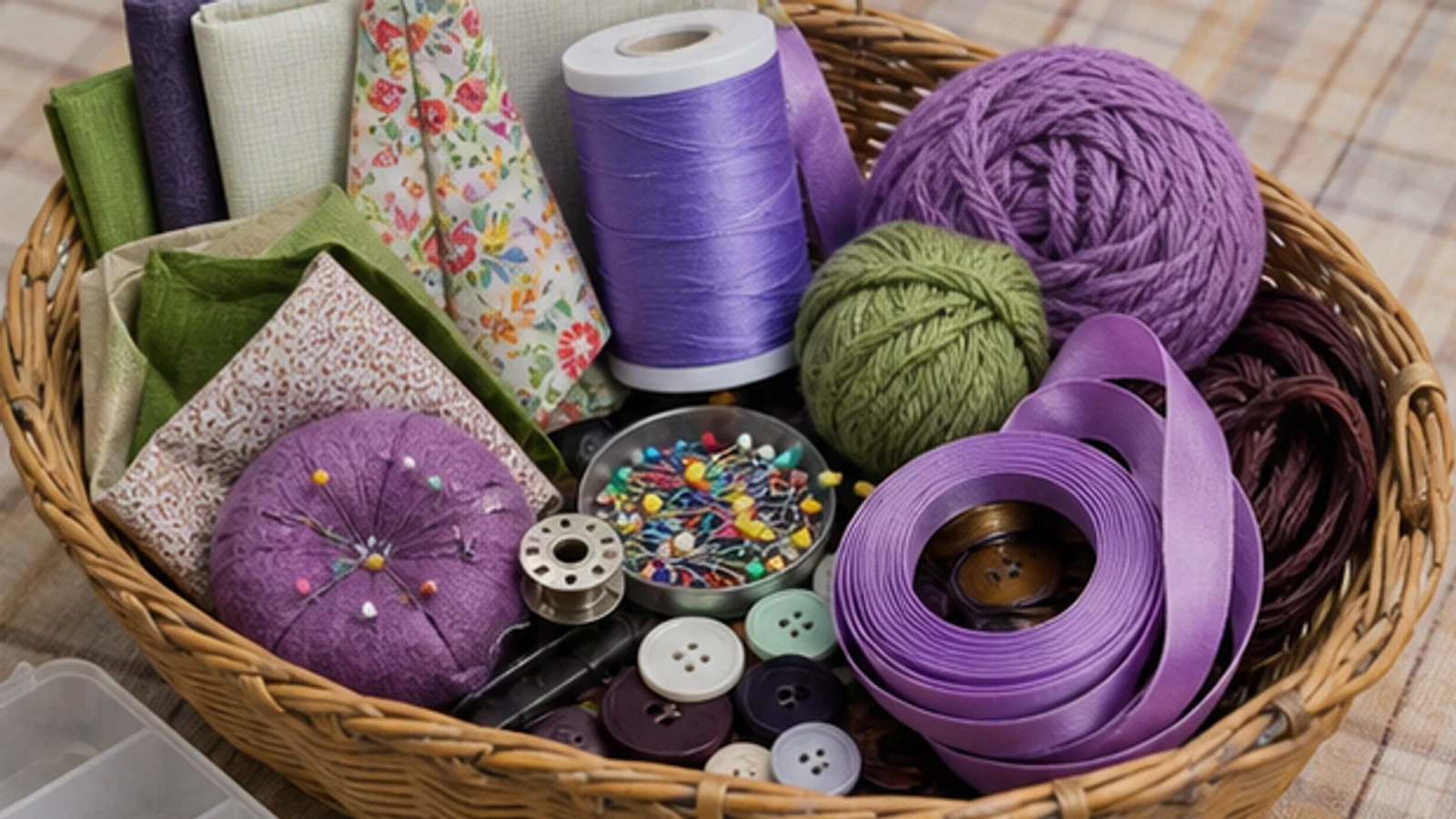
Five or six items made one project
Court materials explained why one unavailable component could eliminate the full basket.
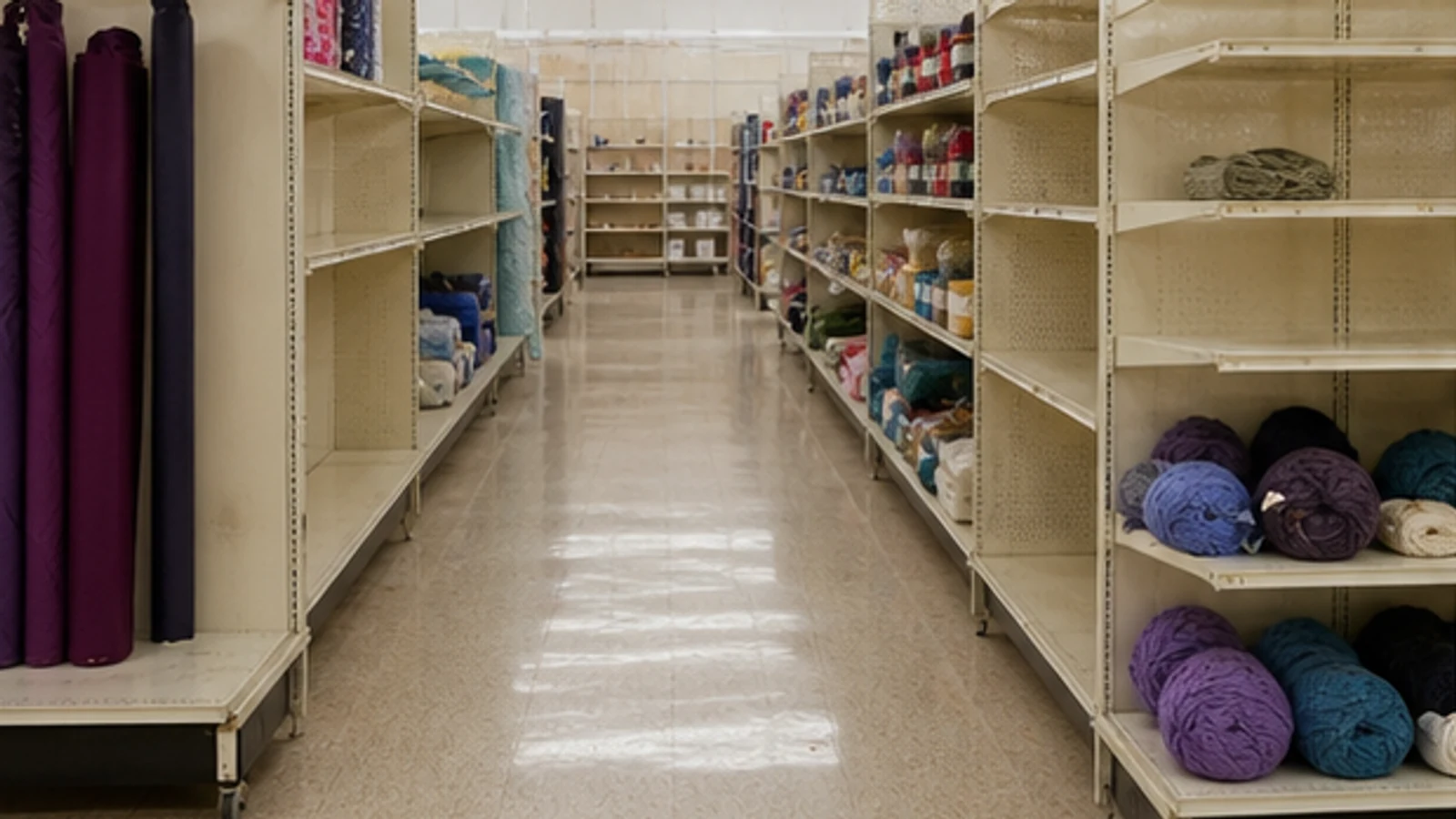
Stockouts broke the promise
Record-low in-stock levels made the specialist destination unreliable.

The store closed; the intellectual property moved
Michaels acquired the trademarks and private labels after the physical chain liquidated.
Product and service system
Deep fabric assortment and cutting service built authority.
Yarn, notions, tools, and seasonal craft broadened the basket.
At-home making lifted FY2021 sales before demand normalized.
Trademarks and private labels moved to a competitor after liquidation.
Turning points.
The failure becomes legible when the finances, operating decisions, and customer evidence are read together.
Why it failed
JOANN's specialist trip depended on a complete project basket. Its disclosure says customers typically bought five or six related items, but one missing input could cause the entire basket to be abandoned. In-stock levels fell to their lowest point in more than a decade, and revenue and profitability fell with them.
The 2024 exit plan assumed vendors would resume terms near pre-bankruptcy levels. Suppliers instead stopped key production, tightened credit, shortened payment terms, sent partial shipments, and raised prices. JOANN began a supply-chain audit only after in-stock levels had already fallen sharply.
By the time in-stock levels began to recover, JOANN lacked the liquidity to service its restructured debt and operate responsibly. It filed again on January 15, 2025, and an auction with two bidders ended in a liquidation transaction rather than a going-concern rescue.
Failure timeline
Net sales were about USD 2.217B and net loss was USD 200.6M.
The first restructuring cut about USD 505M of debt and added USD 153M of exit financing.
The second filing listed USD 615.7M of funded debt and about USD 538.3M of inventory.
Michaels acquired JOANN intellectual property and private-label brands.
Public reaction.
JOANN's closure was visible in liquidation aisles, but the category demand did not vanish. Michaels reported rising fabric and sewing searches on its own site after the closure.
The second bankruptcy moved from a partial closure plan to liquidation of the full store base.
Michaels reported higher fabric and sewing search activity on its own site, which suggests customers moved rather than stopped making.
Full timeline.
The Cleveland Fabric Shop opens.
The 18-store company adopts the Jo-Ann Fabrics name.
The chain opens its 500th store.
The company becomes the largest U.S. fabric and crafts retailer.
Leonard Green takes the company private in a transaction valued around USD 1.6 billion.
The consumer-facing name shortens to JOANN.
JOANN returns to public markets at USD 12 per share after pandemic-era sales growth.
FY2023 net sales reach about USD 2.217 billion and net loss reaches USD 200.6 million.
JOANN completes its first Chapter 11 restructuring.
JOANN files Chapter 11 again and moves to full liquidation.
Michaels acquires JOANN intellectual property and private-label brands.
Bankruptcy-related vendor litigation continues after the store wind-down.
Steal / avoid.
- Measure the completion rate of the customer's whole project, not only item availability.
- Protect specialist service when category confidence depends on advice.
- Separate surviving intellectual property from the closed retail experience.
- Do not call debt reduction a turnaround when inventory remains unreliable.
- Do not interpret category migration as category disappearance.
- Do not imply Michaels reopened JOANN stores.
Short answer.
JOANN is a liquidated-retailer and acquired-intellectual-property case. The company completed one restructuring in 2024, filed Chapter 11 again in January 2025, and closed about 800 stores by the end of May. Michaels acquired JOANN trademarks, intellectual property, and private-label brands in June 2025 but did not reopen JOANN as a standalone chain. The brand lesson is that a specialist retailer fails when stockouts prevent customers from completing the full project basket.
Frequently asked questions
Is JOANN still in business?
No standalone JOANN retail chain remains. The stores closed in 2025, and JOANN.com now routes customers to Michaels.
Did Michaels buy JOANN?
Michaels acquired JOANN trademarks, intellectual property, and private-label brands. It did not acquire and reopen the JOANN store chain.
Why did JOANN fail?
The record points to leverage, post-pandemic demand normalization, insufficient liquidity, supplier restrictions, and stockouts that broke the project-shopping experience.
How much did Michaels pay for JOANN's intellectual property?
The financial terms were not disclosed.
What should another brand learn?
In project retail, one missing component can eliminate the whole basket and damage the specialist promise.
Need help with your own brand?
Use Private brand work when your name, identity, proof, or message needs a sharper branding decision.
Sources.
Use the education shelf for the concepts behind this brand page.
Private brand workUse this when the decision belongs to your own brand.
All brandsReturn to every brand page.
- JOANN 2025 disclosure statement
- Delaware Bankruptcy Court 2026 JOANN opinion
- JOANN FY2023 Form 10-K
- JOANN FY2023 results
- Associated Press first-bankruptcy report
- JOANN April 2024 emergence release
- Reuters liquidation report
- Current JOANN redirect to Michaels
- Michaels intellectual-property acquisition
- Final JOANN wordmark file
