Kodak · Grow Your Brand · Kodak transition case study · United States / active after Chapter 11 reorganization
Kodak
Kodak invented the future and protected the old profit pool. The yellow box made photography easy to buy. Digital cameras and smartphones removed the film-and-processing loop that made that recognition so valuable.
Positioning, name, and architecture.
Kodak's promise was simple: make photography accessible. The company built an entire system around cameras, film, chemicals, processing, paper, labs, and retail distribution.
A century of imaging science, color memory, coating expertise, and one of the category's strongest names
Kodak now positions imaging heritage as technical proof for print, film, and materials rather than as ownership of the consumer camera habit.
George Eastman coined Kodak as a short, distinctive invented word with a strong K sound.
Print that pays (commercial-print language)
Masterbrand across print, film, materials, chemicals, and licensing
The Kodak name survived while the center of gravity moved away from mass consumer photography.
Carries Kodak into high-speed production inkjet.
digital print platform: PROSPER Press source
Links chemistry and print efficiency.
printing plate: process-free plates source
Coordinates commercial print production.
workflow software: PRINERGY Platform source
Preserves the analog and motion-picture heritage.
imaging material: motion-picture and still film source
Naming and tagline progression
You press the button, we do the rest.
Kodak moment
Print that pays
Market and scale snapshot.
The surviving Kodak is much smaller and more industrial. FY2025 results show an active company centered on print and materials, not a restored consumer-camera giant.
Reported consolidated revenue for 2025.
Reported net loss for 2025.
Company non-GAAP operating measure for 2025.
Eastman Kodak Company is the listed owner; cash at year-end 2025.
Color system.
Kodak yellow behaves like a category shelf. Red makes the K symbol and wordmark feel urgent, mechanical, and proprietary.
How the palette behaves
Kodak yellow: warmth and instant category memory. film boxes, signs, and current identity.
Kodak red: action and ownership. K symbol and wordmark.
Black: technical contrast. cameras, print systems, and type.
Recognition assets.
Yellow, red, and the K symbol made Kodak one of the most recognizable imaging systems in the world. The problem was not memory. It was where the profit lived.
Film boxes and processing signs turned color into a buying shortcut.
Capture led to film, processing, paper, prints, albums, and repeat purchase.
The image survived while Kodak lost control of the recurring transaction.
Scores.
Recognition survived the bankruptcy. Consumer habit, platform control, and recurring film economics did not.
Kodak yellow and red remain category memory.
Easy photography was one of the clearest consumer promises ever built.
The company invented digital capture but did not replace film economics in time.
The surviving industrial portfolio is coherent but distant from consumer memory.
The name survives because imaging and color science remain credible, but the old mass-market habit belongs to phones and digital platforms.
The surviving Kodak is much smaller and more industrial. FY2025 results show an active company centered on print and materials, not a restored consumer-camera giant.
2012 Chapter 11 and consumer-imaging transition
Kodak emerged from Chapter 11 in 2013 and remains active. It is not the same operating portfolio that dominated consumer photography.
How the logo changed.
Kodak moved away from its most distinctive symbol during the digital transition, then returned to that visual equity after reorganization.
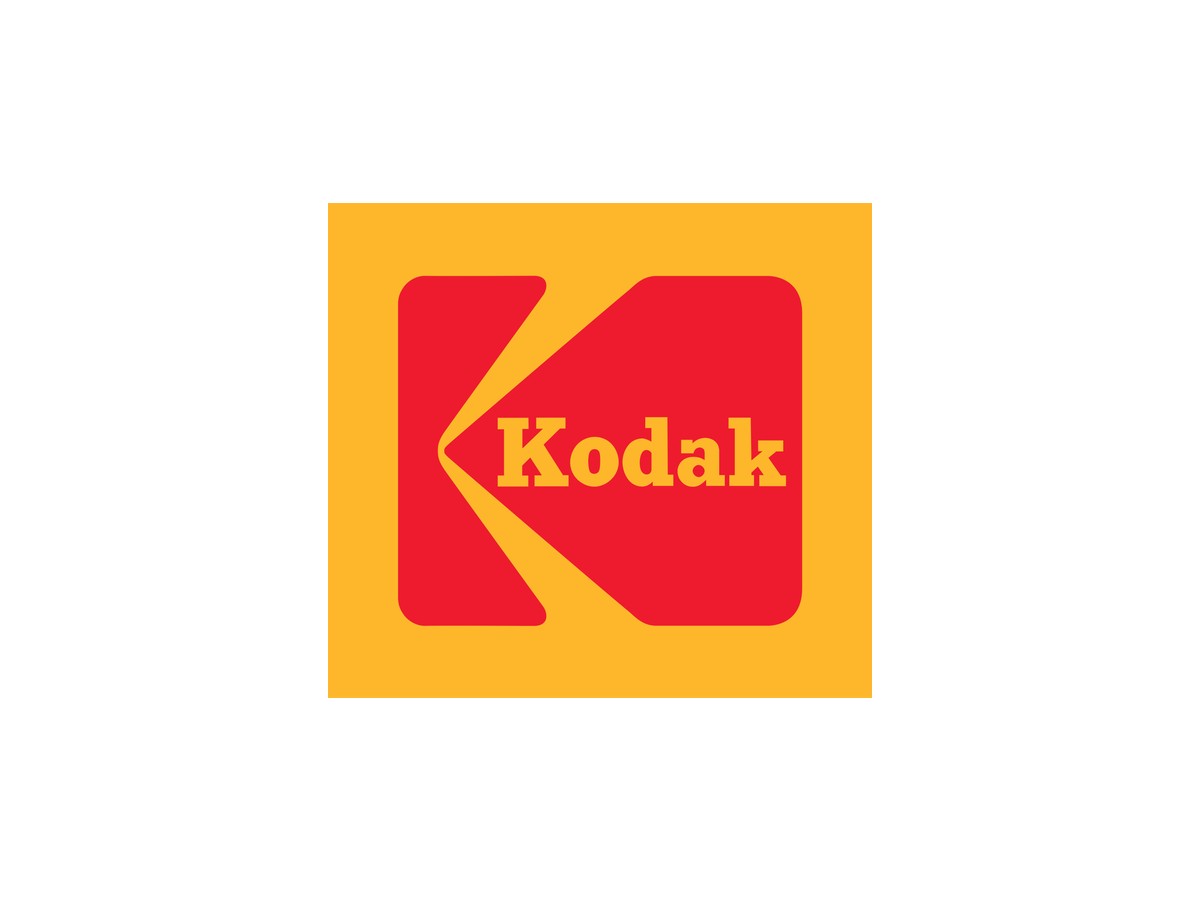
The red K aperture inside a yellow block became a compact package and sign system.
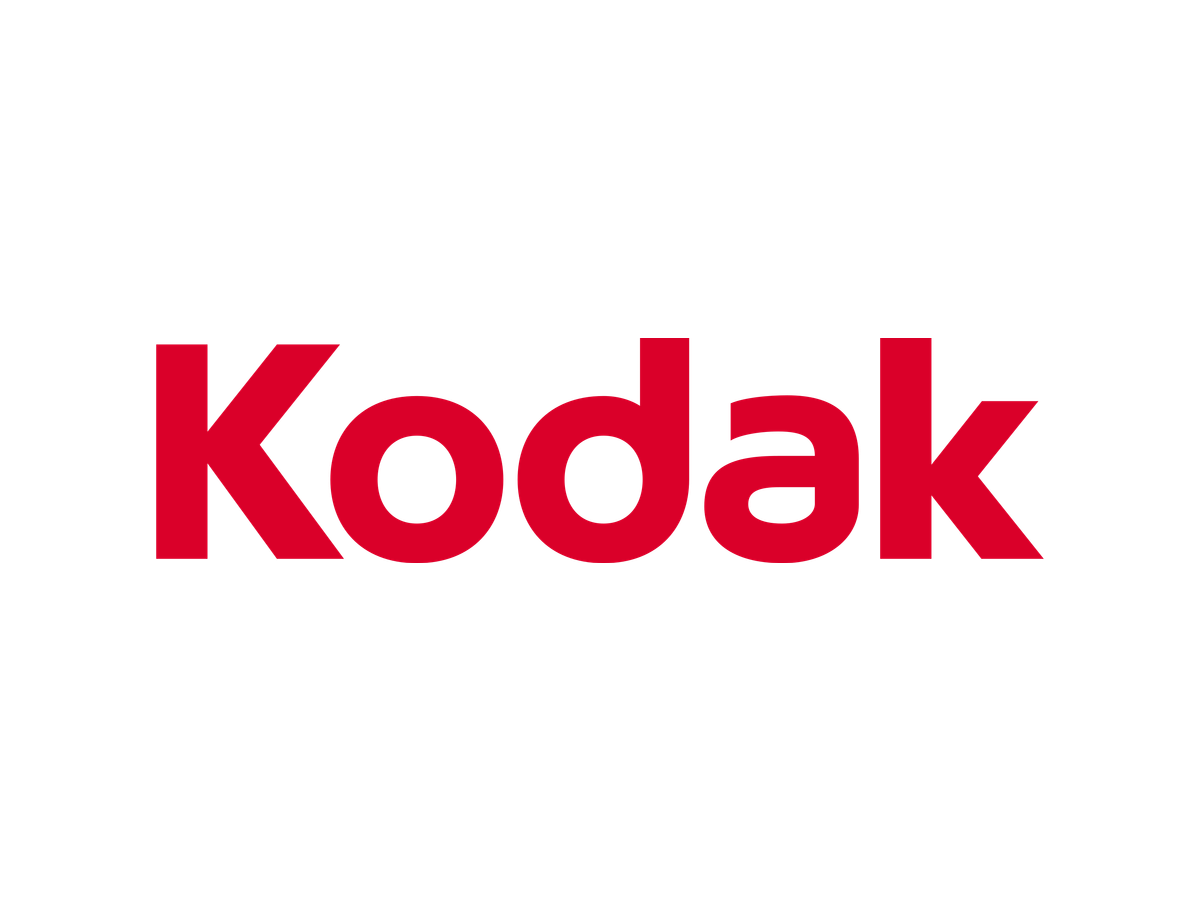
The K symbol disappears while a softer red wordmark carries the name through restructuring.
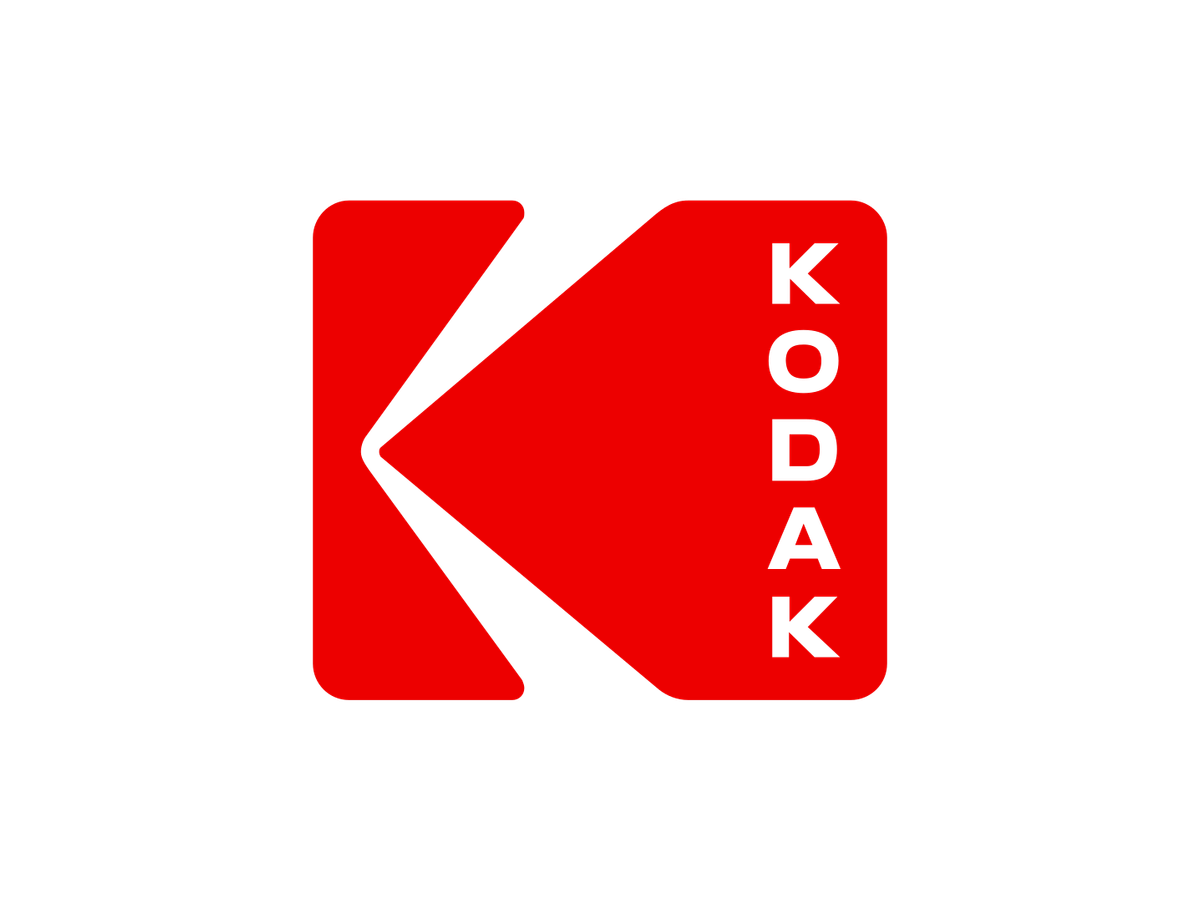
Kodak restores the vertical K symbol and its strongest yellow-red memory. source
Product and service lineage.
Kodak's product system moved from a closed consumer loop to a smaller industrial and materials portfolio.

Film created a profitable ritual
Capture, processing, chemicals, paper, and prints formed a repeat-purchase system.
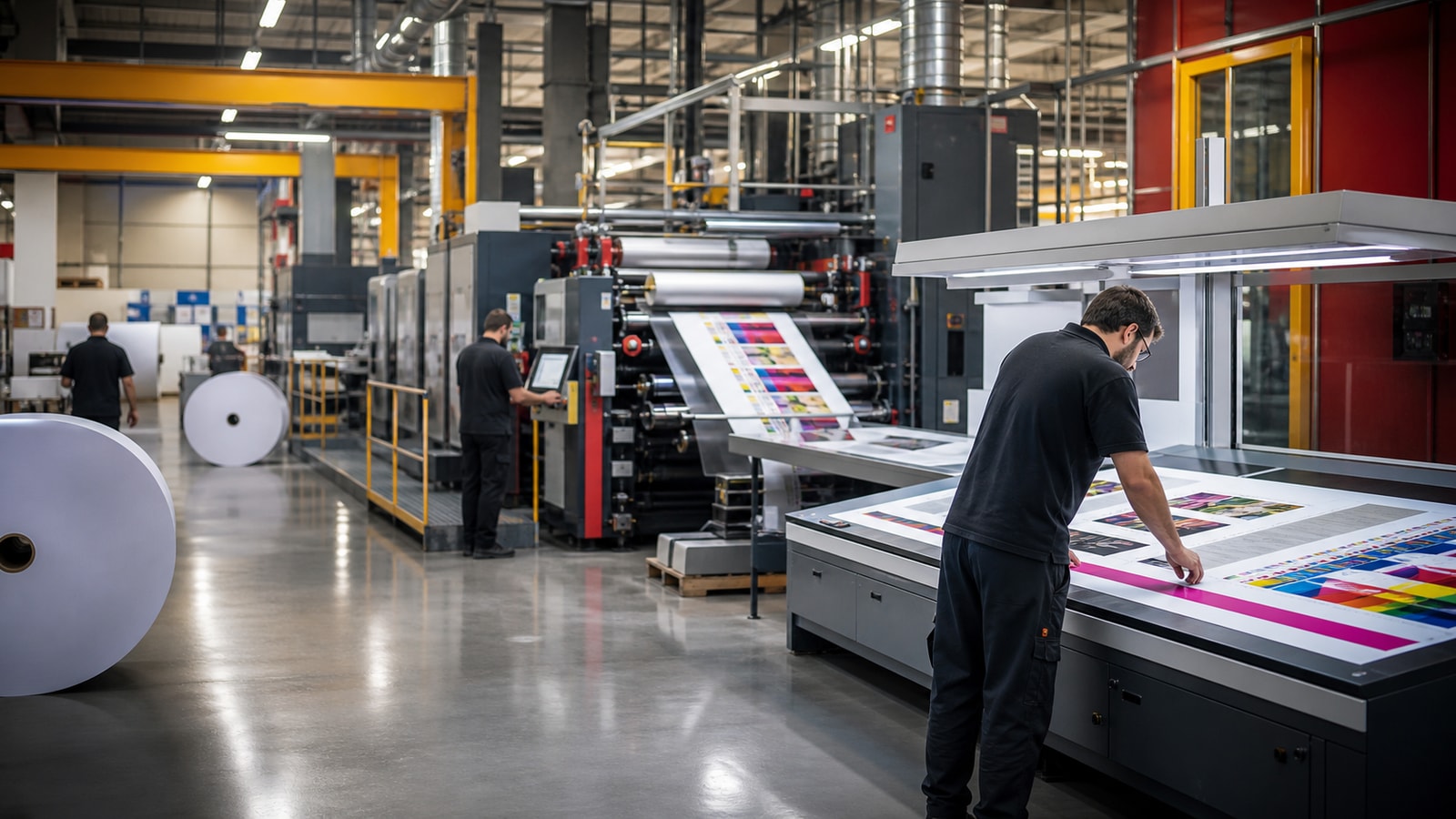
Commercial print is the surviving center
The company now sells production systems and materials rather than owning mass consumer capture.

Imaging science still transfers
Color, coating, workflow, and film expertise remain usable after the old consumer loop disappeared.

Coating science outlived the consumer loop
Materials expertise gives the surviving company industrial applications beyond mass-market cameras.
Product and service system
Low-friction capture drove recurring film and processing purchases.
Labs, paper, chemistry, and retail made the system hard to avoid.
Kodak entered digital without owning its recurring economics.
The reorganized company concentrates on industrial imaging capability.
Turning points.
The decisive events show a company that saw digital early but could not replace its own recurring economics.
Why it failed
Digital capture removed film consumption, processing, and printing from the default customer journey.
Management invested in digital products while continuing to protect and depend on the high-margin film system.
Smartphones and digital sharing accelerated the volume decline; liquidity and legacy obligations culminated in a 2012 Chapter 11 filing.
Failure timeline
Kodak builds a self-contained digital camera prototype.
Kodak exits most consumer film-camera production.
Eastman Kodak files Chapter 11.
Kodak emerges focused on commercial imaging.
Public reaction.
Kodak became shorthand for disruption failure because the company possessed the invention but not the replacement business model.
Knowing the technology early did not replace the economics before bankruptcy.
The Kodak name, color system, film, print, and materials business continue.
Full timeline.
George Eastman introduces the Kodak camera and the name Kodak.
Kodak adopts the K symbol.
Engineer Steven Sasson builds Kodak's first digital camera prototype.
Kodak ends most consumer film-camera production.
Kodak replaces the K symbol with a wordmark-only identity.
Eastman Kodak Company files for Chapter 11 protection.
Kodak emerges from Chapter 11 as a commercial imaging company.
Kodak restores the K symbol.
Kodak reports USD 1.069 billion in revenue.
Steal / avoid.
- Turn technical complexity into a simple customer ritual.
- Protect distinctive color and symbol equity across category shifts.
- Model how a new technology replaces recurring profit, not only the product.
- Do not confuse inventing a future with owning its economics.
- Do not protect an old margin until customer habit has already moved.
- Do not describe the company as dead when the reorganized entity is active.
Short answer.
Kodak is an active U.S. imaging and materials company that emerged from Chapter 11 in 2013. Its famous failure was the collapse of the consumer film-and-processing system during the shift to digital photography. Kodak invented an early digital camera, but it did not replace film's recurring economics before smartphones and digital sharing changed the habit.
Frequently asked questions
Did Kodak invent the digital camera?
Kodak engineer Steven Sasson built a self-contained digital camera prototype in 1975.
Why did Kodak fail if it invented digital photography?
Digital capture removed the film, processing, and printing loop that generated recurring profit. Kodak invested in digital products but did not replace those economics in time.
Is Kodak still in business?
Yes. Eastman Kodak Company emerged from Chapter 11 in 2013 and remains active in commercial print, film, materials, chemicals, and licensing.
Need help with your own brand?
Use Private brand work when your name, identity, proof, or message needs a sharper branding decision.