MADE.com · Grow Your Brand · MADE.com failure case study · United Kingdom / Original operator entered administration in 2022; MADE continues as a Next Retail trading brand
MADE.com
MADE.com failed when the design promise met inventory reality. The failed operator reported GBP 371.9 million of 2021 revenue and a GBP 31.4 million pretax loss. Next later paid GBP 3.4 million for the brand, domains, and intellectual property, then relaunched MADE on its own platform.
Positioning, name, and architecture.
MADE connected contemporary furniture design, outsourced factories, small-batch testing, showrooms, and ecommerce under one direct-to-consumer promise.
Designer-led products presented through a direct digital collection
MADE made contemporary design easier to buy. The failed operator could not keep freight, inventory, delivery, and working capital aligned with that promise.
No primary founder explanation was found. The literal word MADE reinforces product creation and design without requiring a category suffix.
Never ordinary
Current trading brand inside Next Retail; failed standalone operator preserved as a separate legal history
The original ecommerce company, its creditors, Next's brand/IP purchase, and the current MADE trading brand are separate operating states.
Built the direct furniture model and entered administration in 2022.
failed company: Made.com Design Ltd. source
Brand, domains, and intellectual property bought for GBP 3.4 million.
acquired asset: MADE identity source
Supports the relaunched website, fulfillment, payment, and retail reach.
current operating layer: Next platform source
Made the direct design point of view tangible before and after purchase.
product and retail proof: furniture, homeware, and room sets source
Naming and tagline progression
Designer furniture without the designer price
Great design, direct to you
Never ordinary
Market and scale snapshot.
The 2021 revenue and loss belong to the failed standalone operator. Current MADE revenue is not separately disclosed by Next.
Last audited full-year revenue for the failed operator, converted at the Bank of England 2021 annual-average rate of USD 1.3757 per GBP; not current Next-era MADE revenue.
Converted at the same 2021 annual-average rate. The reported loss widened from GBP 14.6 million in 2020.
GBP 775 million IPO value and GBP 3.4 million Next purchase converted at USD 1.3757 per GBP. Neither is a current standalone brand value.
MADE now runs as a Next trading brand on Total Platform; standalone current finances are not disclosed.
Color system.
Black and coral-red kept the wordmark direct while warm interiors carried the product promise.
How the palette behaves
Charcoal: editorial restraint. wordmark and digital presentation.
MADE red: design signal. identity accents and retail calls to action.
Warm neutral: home materiality. furniture and interior photography.
Recognition assets.
A spare red wordmark, editorial interiors, named designers, and attainable contemporary furniture made the brand easy to spot before the delivery model came under pressure.
MADE sold a coherent design point of view instead of an endless furniture warehouse.
Testing demand helped, but long lead times and freight still created inventory exposure.
When stock, freight, and customer timing broke, the design promise broke with them.
Scores.
Design recognition survived. Inventory timing, freight, working capital, and customer continuity did not.
The red wordmark and interiors were easy to place.
Collections carried a clear contemporary point of view.
Long supply lines weakened the customer promise.
The current Next boundary is clear once the failed operator is separated.
The name and design system survived because another operator could carry them on a different commerce and fulfillment base.
The 2021 revenue and loss belong to the failed standalone operator. Current MADE revenue is not separately disclosed by Next.
Online furniture operator entered administration; brand, domains, and IP survived under Next
MADE is operated by Next Retail Limited. Next did not buy the failed company as a going concern or assume its customer and supplier liabilities.
How the logo changed.
The identity simplified as MADE moved from startup launch to a broader European design retailer and then into its current Next-owned form.
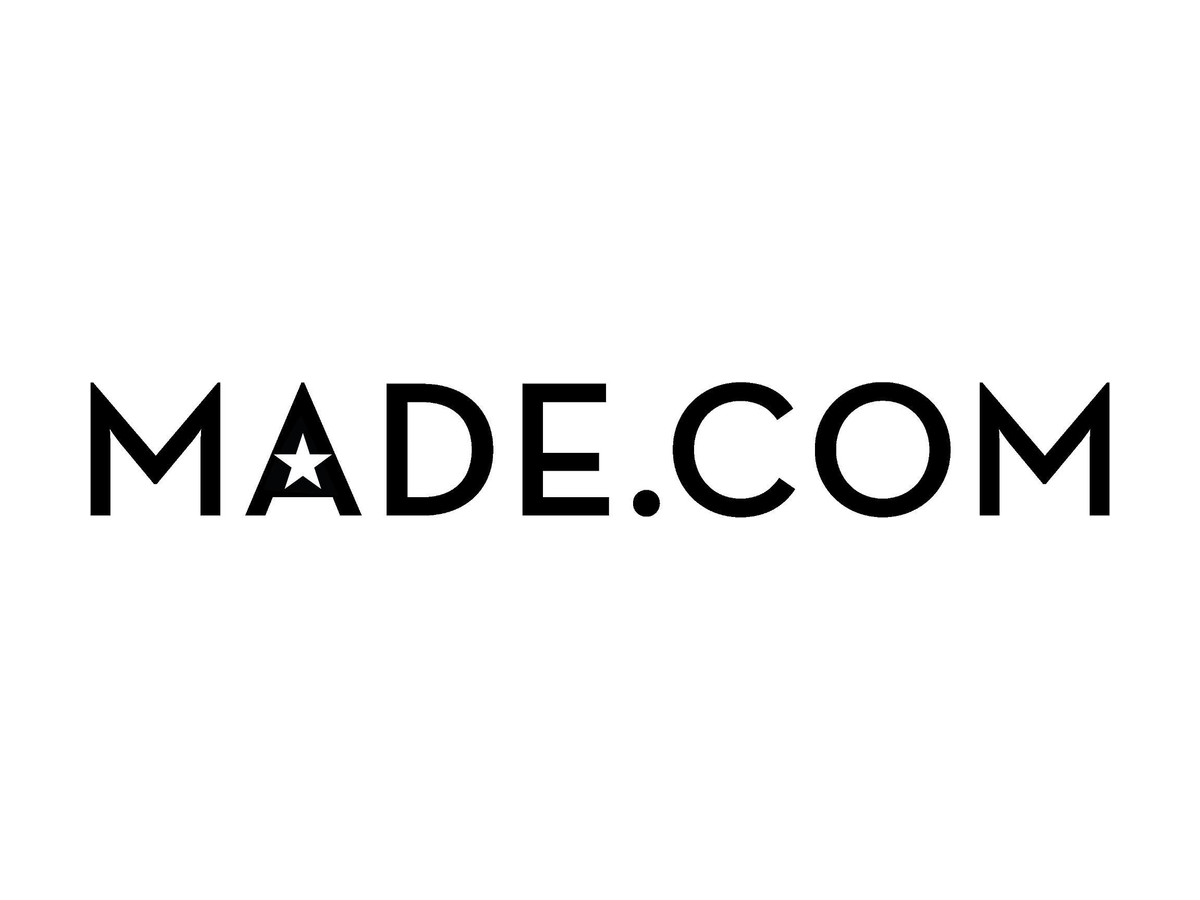
The launch identity used a lighter, extended wordmark. source
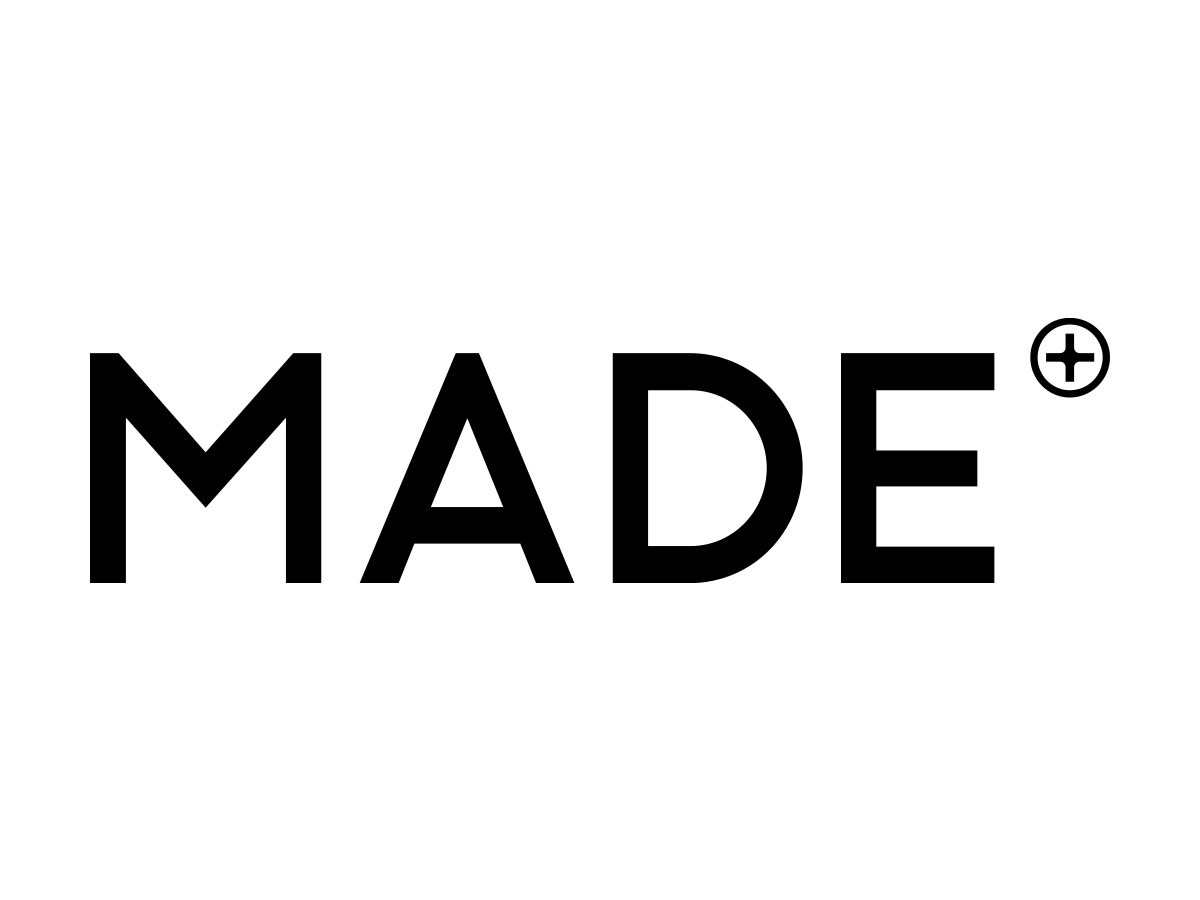
The second stage tightened the name into a heavier ecommerce mark.
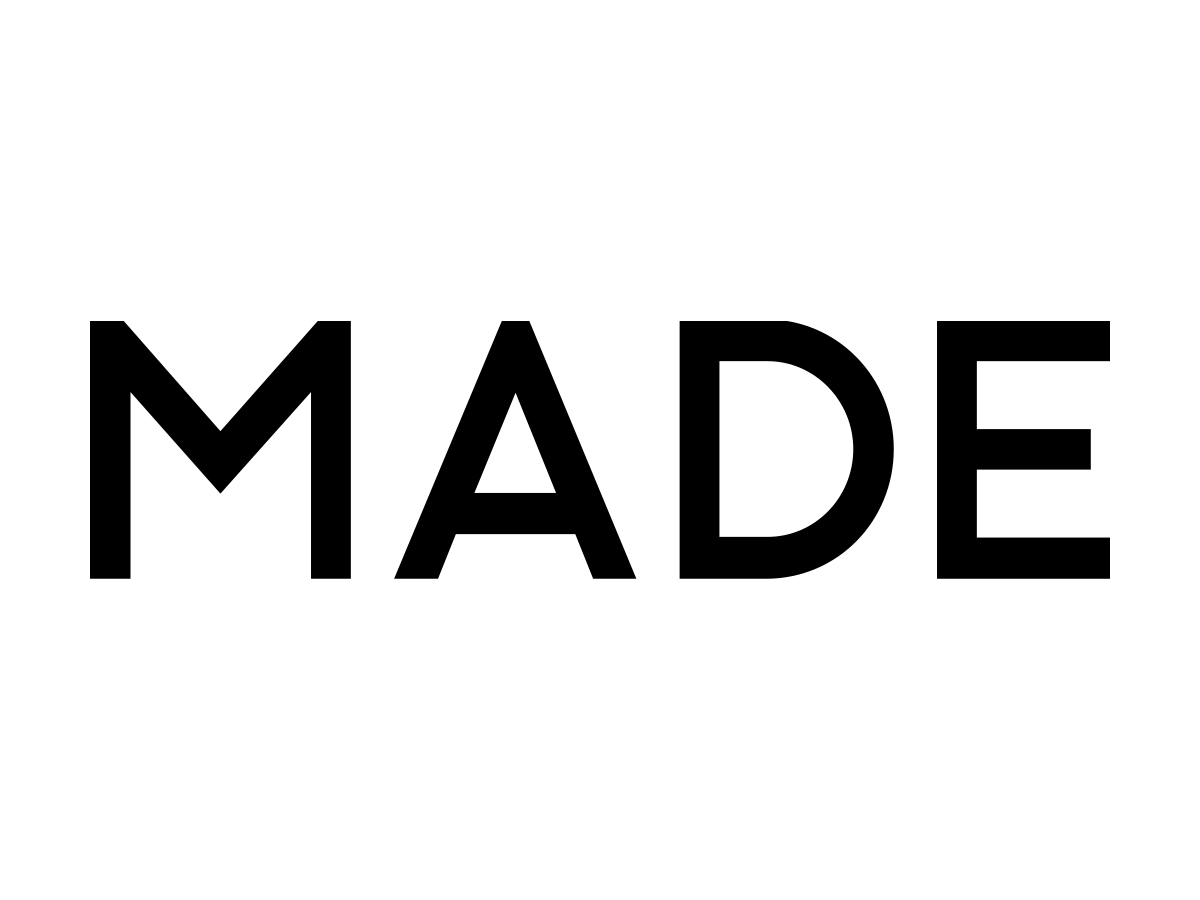
The current stage remains in use by the Next-operated MADE trading brand.
Product and service lineage.
MADE grew from a direct design proposition into a European retailer, then collapsed as a standalone operator and returned as a Next trading brand.
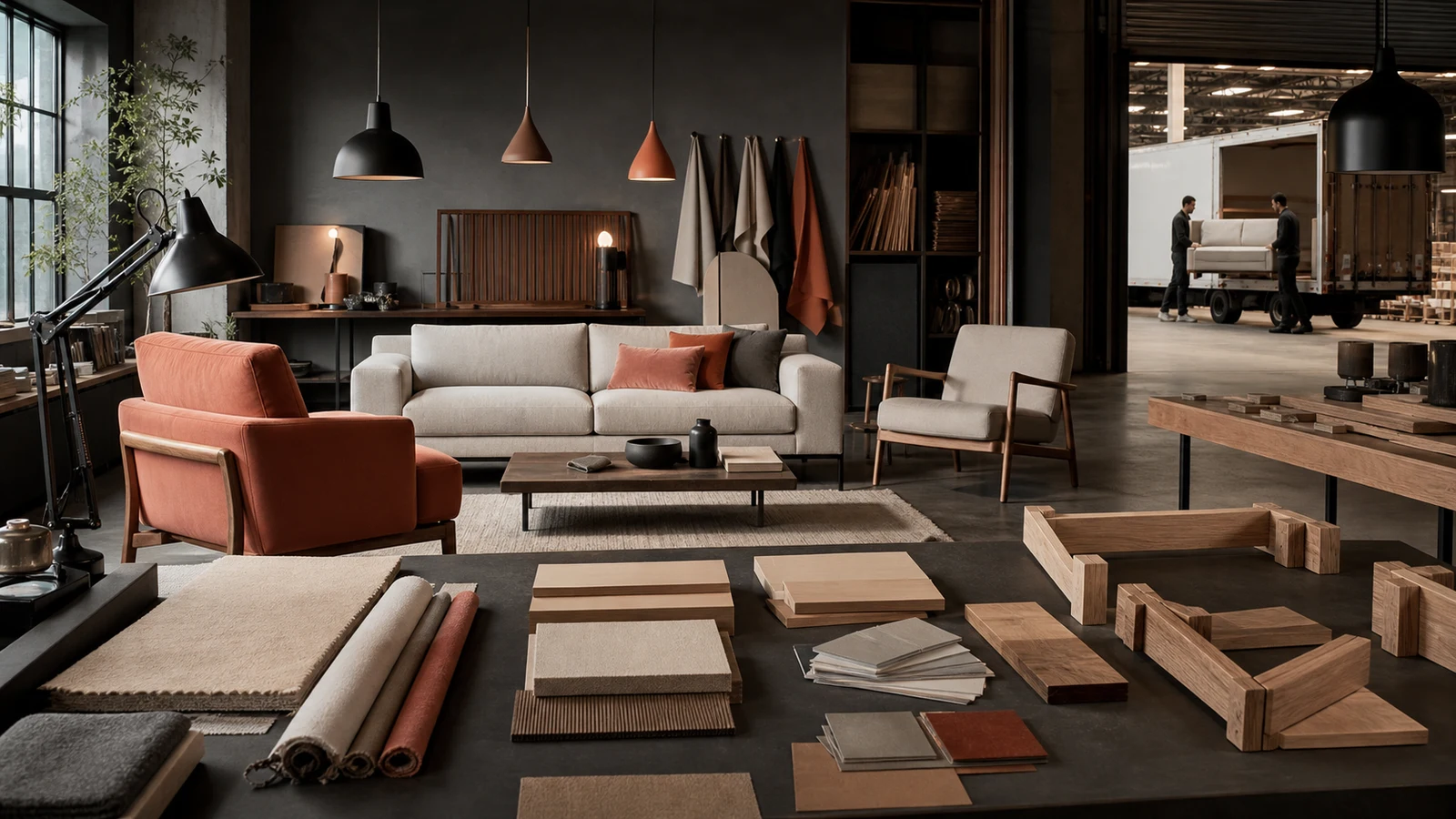
Design selection built the promise
Named designers and curated collections made the brand feel edited rather than endless.
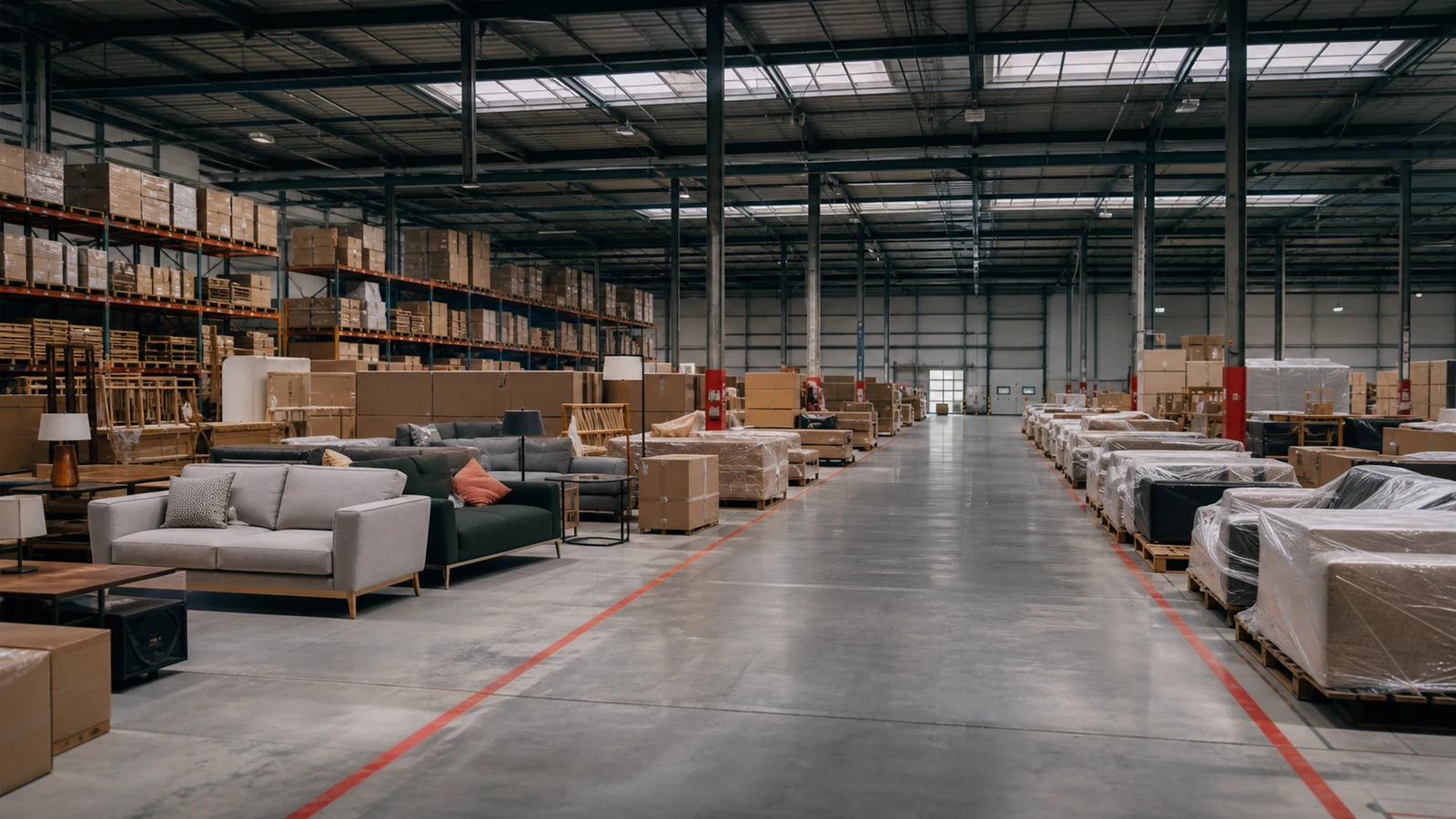
Inventory timing carried the risk
Furniture, freight, and delivery dates turned a digital promise into a physical obligation.
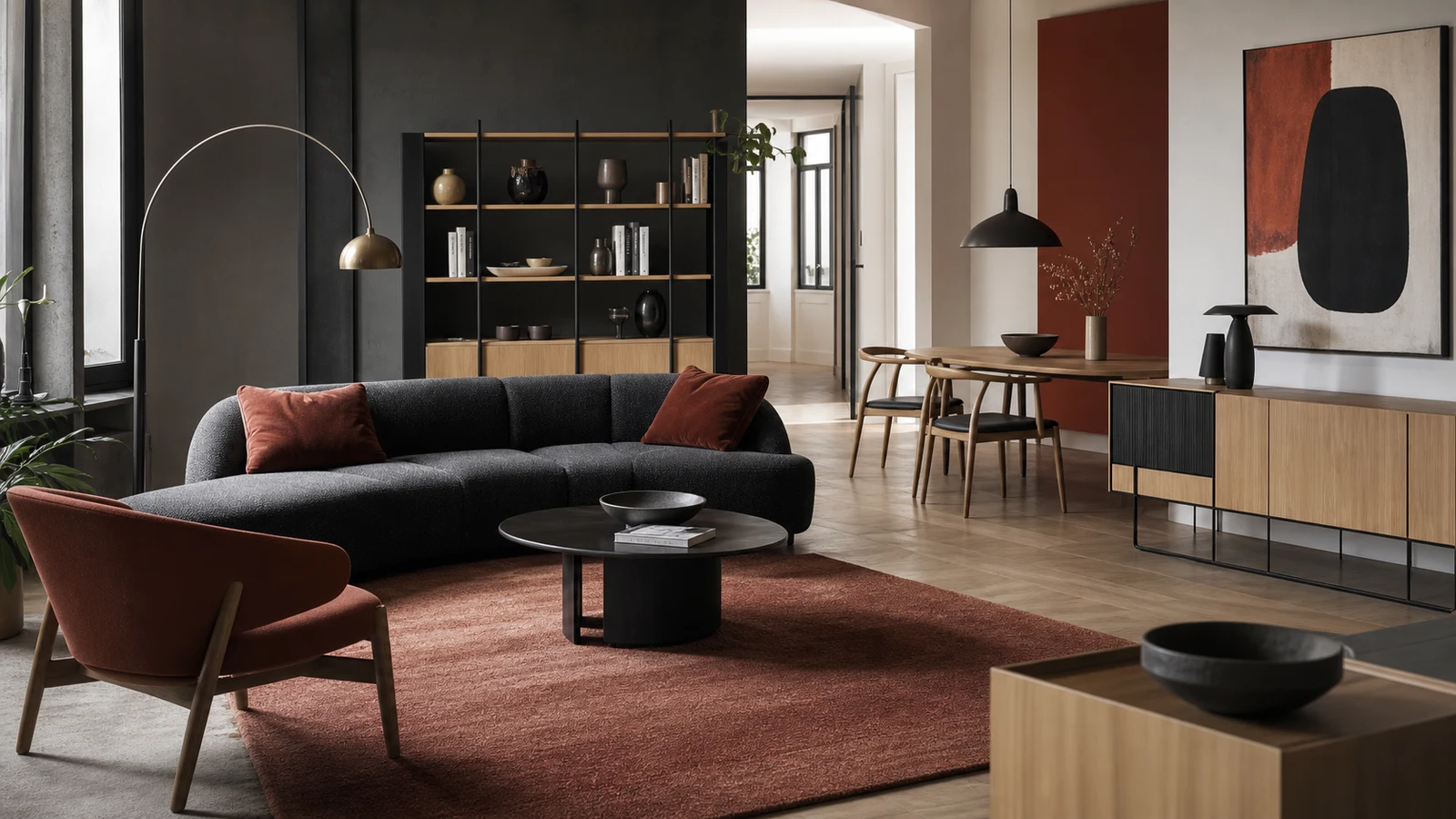
The collection made the brand visible
A coherent room system was more memorable than one hero product.
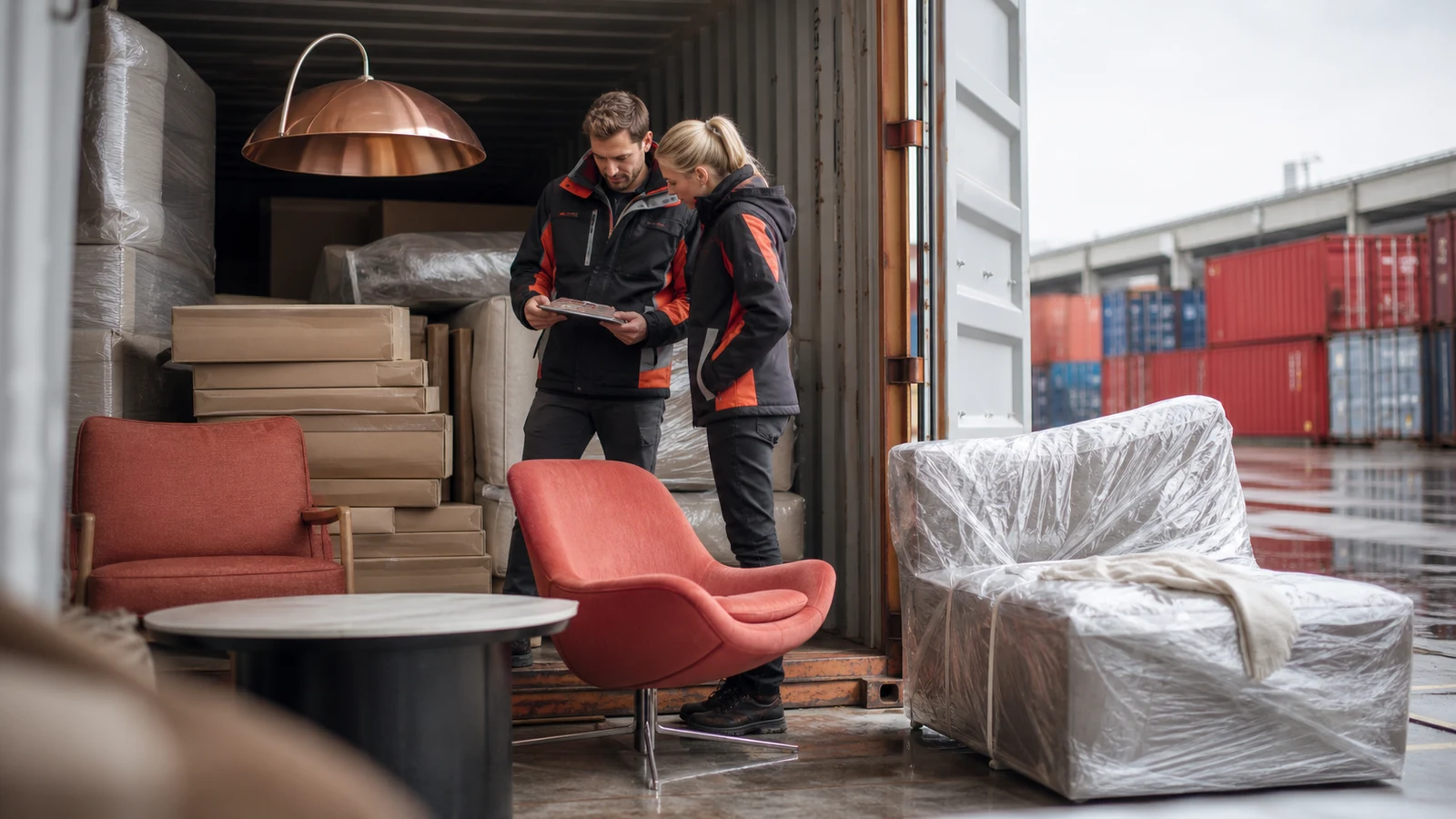
Freight pressure reached the customer
Long supply lines made cost, delay, and stock mistakes part of the brand experience.
Product and service system
The launch removed much of the traditional showroom layer.
Collections, showrooms, and markets widened the inventory system.
Lead times and falling demand exposed working capital.
The brand returned on a larger platform without the old company.
Turning points.
The turning points show a good design signal becoming exposed to the economics of furniture movement.
Why it failed
Freight inflation, long supply lines, excess inventory, falling demand, and working-capital pressure broke the standalone model.
Management expanded markets and inventory while the low-stock story became harder to maintain through pandemic supply disruption and a demand reversal.
A 2022 sale process failed to secure a going-concern rescue, and administrators sold the brand, domains, and IP to Next.
Failure timeline
MADE lists in London near a GBP 775 million market capitalization.
Revenue falls while losses and excess inventory rise.
Administrators sell the brand, domains, and IP to Next.
Next relaunches MADE on Total Platform.
Public reaction.
Customers saw a design-led retailer disappear while unfinished orders, suppliers, and creditors stayed with the failed company.
The old company could not fund the inventory and customer obligations behind the design promise.
Next bought the brand, domains, and IP, then rebuilt the route on its own platform.
Full timeline.
MADE.com launches in London as a digitally native designer-furniture retailer.
MADE expands into France and Italy after opening a physical showroom.
A brand refresh sharpens the wordmark and screwhead marque.
MADE lists in London after reporting rapid revenue growth.
Freight, excess inventory, and falling demand deepen losses.
Made.com Design Ltd enters administration and Next buys the brand, domains, and IP.
Next relaunches MADE on Total Platform.
Made.com Design Ltd moves from administration to liquidation.
Current terms identify Next Retail Limited trading as MADE.
Steal / avoid.
- Make the product point of view visible.
- Treat delivery as a brand proof point.
- Separate an acquired identity from the failed company.
- Do not call inventory risk asset-light.
- Do not present IPO value as current value.
- Do not imply an IP buyer assumed old customer and supplier liabilities.
Short answer.
MADE.com failed as a standalone furniture operator because freight costs, long supply lines, excess inventory, falling demand, and working-capital pressure broke the economics behind its design promise. Next Retail bought the brand, domains, and IP for GBP 3.4 million and now operates MADE on a different platform.
Frequently asked questions
Why did MADE.com fail?
The standalone operator could not absorb freight inflation, long furniture lead times, excess stock, weaker demand, and working-capital pressure.
Did Next buy the whole MADE.com company?
No. Next bought the brand, domains, and intellectual property. The failed operator and its liabilities remained separate.
Is MADE.com still operating?
Yes, as a trading brand operated by Next Retail Limited, not as the original Made.com Design Ltd.
Need help with your own brand?
Use Private brand work when your name, identity, proof, or message needs a sharper branding decision.