Mastercard · Grow Your Brand · Payment Recognition System · United States / Active / public company
Mastercard
Mastercard could let the name step back because the interlocking circles had already earned payment memory at the moment of use. Mastercard turned two interlocking circles into a portable trust signal by repeating them across cards, merchant doors, terminals, wallets, transit gates, and payment confirmations.
Positioning, name, and architecture.
Mastercard's identity is credible because the visual cue, network architecture, commercial model, and transaction behavior reinforce the same promise: payment acceptance with less doubt.
Mastercard ties a simple symbol to a vast acceptance network where the mark appears at the exact moment the customer needs payment confidence.
Mastercard positions trust at checkout: the mark is valuable because it has been repeatedly seen where money, merchant acceptance, and transaction confidence meet.
Mastercard traces its operating-company origin to the bank-card network formed in 1966 before the name became a global payments signal.
The current signal is carried by acceptance, circles, cards, terminals, wallets, and payment confidence more than one universal line.
payments network with consumer-facing acceptance symbol
The architecture works when issuers, merchants, wallets, and acceptance points all reinforce the same circles at the payment moment.
Connects issuers, acquirers, merchants, governments, and consumers through switching and acceptance infrastructure.
Network and acceptance: Mastercard / Maestro / Cirrus source
Credit, debit, prepaid, tokenized credentials, and wallet participation turn the network into everyday payment behavior.
Cards and digital credentials: Credit / debit / prepaid / tokenization source
Commercial payments, disbursements, cross-border movement, ACH, and real-time rails extend beyond consumer card purchases.
B2B and money movement: Commercial payments / Mastercard Move source
Cybersecurity, fraud controls, authentication, data insights, and consulting reinforce trust around the transaction network.
Security, data, and advisory: Security / authentication / insights source
Payment gateway, open-banking, and account-to-account capabilities connect Mastercard to commerce beyond the physical card.
Digital infrastructure: Gateway / open banking / account-to-account source
The long-running campaign and experience system gives emotional meaning to a network whose operational job is payment acceptance.
Consumer experience platform: Priceless source
Naming and tagline progression
The name made card payment and acceptance easier to understand.
The brand linked payment utility to emotional life moments.
The circles carry recognition after years of repeated payment use.
Market and scale snapshot.
Mastercard's Q2 2026 update shows that the network is also a security and data business: gross dollar volume reached USD 2.9 trillion, net revenue reached USD 9.3 billion, and value-added services grew 20%.
FY2025 net revenue reported in Mastercard Incorporated Form 10-K.
FY2025 net income reported in Mastercard Incorporated Form 10-K.
Dated 2 Aug 2026 end-of-day market-cap observation.
NYSE / Mastercard Incorporated
Color system.
Mastercard's palette works because red and yellow are attached to payment confidence, with orange as the overlap cue rather than the secondary color. Black and warm ground keep the checkout context serious and visible.
How the palette behaves
Red gives urgency, energy, and instant mark recognition.
Yellow gives the second circle warmth and keeps the mark visible in payment contexts.
Orange belongs to the overlap: distinctive, but not the secondary cue by itself.
Black keeps the payment surface serious and legible.
Warm ground keeps the page close to retail and checkout instead of a sterile finance chart.
Recognition assets.
Recognition comes from repeated use at high-consequence moments, not from the circles in isolation.
The mark is simple enough to survive small payment surfaces.
The cue appears where merchants and customers need payment trust.
Cards, transactions, wallets, and acceptance surfaces train recognition through use.
Scores.
These scores separate the strength of Mastercard's trained payment memory from the risks created by outages, fraud, merchant friction, and premature imitation.
The circles are globally legible across payment surfaces.
Network scale, transaction volume, cards, and acceptance surfaces support the cue.
The mark works at tiny sizes on cards, terminals, wallets, and merchant doors.
The symbol appears at the customer's highest-friction moment: paying.
Dropping words works only because the circles were already heavily trained.
A wordless mark is dangerous to copy before the market has learned it.
Pages must distinguish Mastercard the brand, company, network, issuer programs, and payment products.
Recognition comes from repeated use at high-consequence moments, not from the circles in isolation.
How the logo changed.
The progression tracks only the Mastercard masterbrand: Master Charge, the renamed two-circle system, the 2016 digital simplification, and the wordless symbol introduced in 2019.
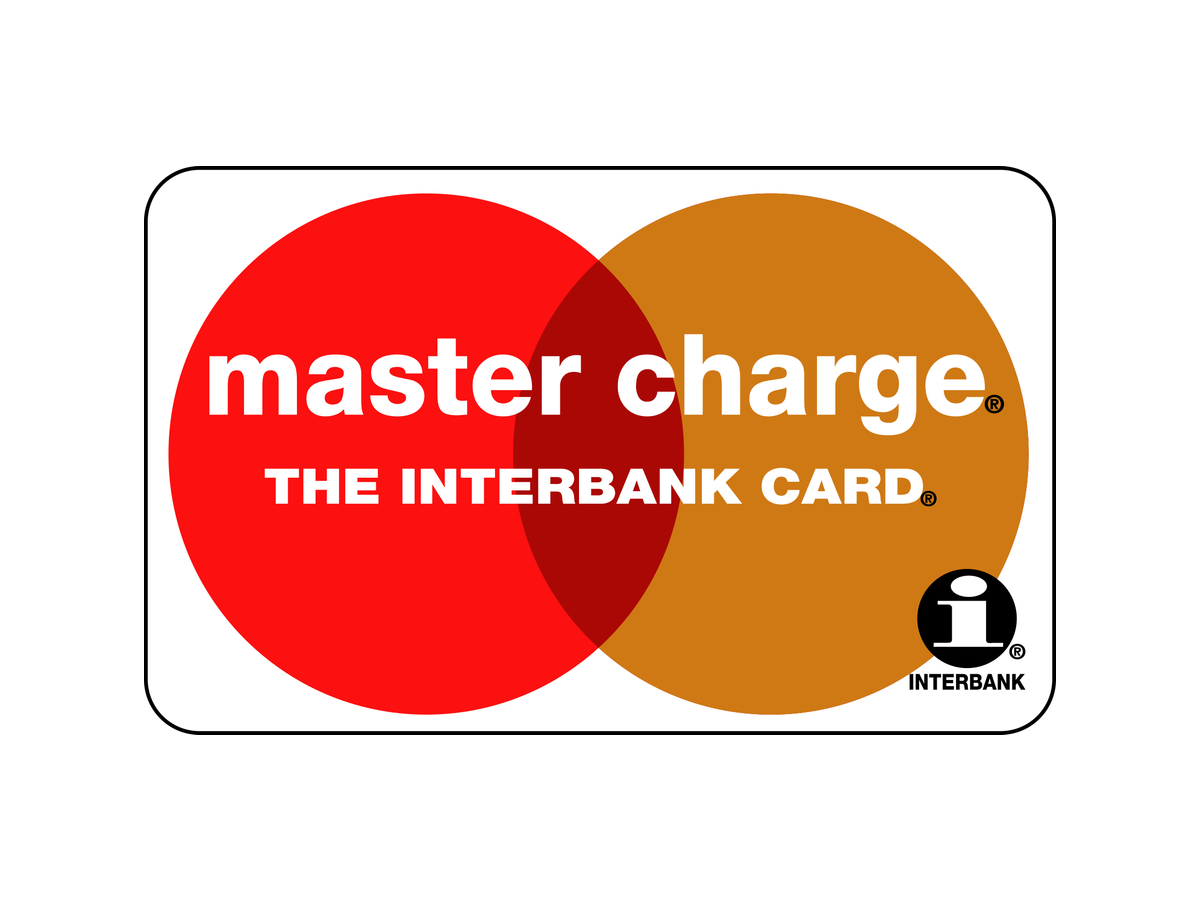
The early Master Charge mark shows the Interbank Card origin before the Mastercard name became the durable payment cue.
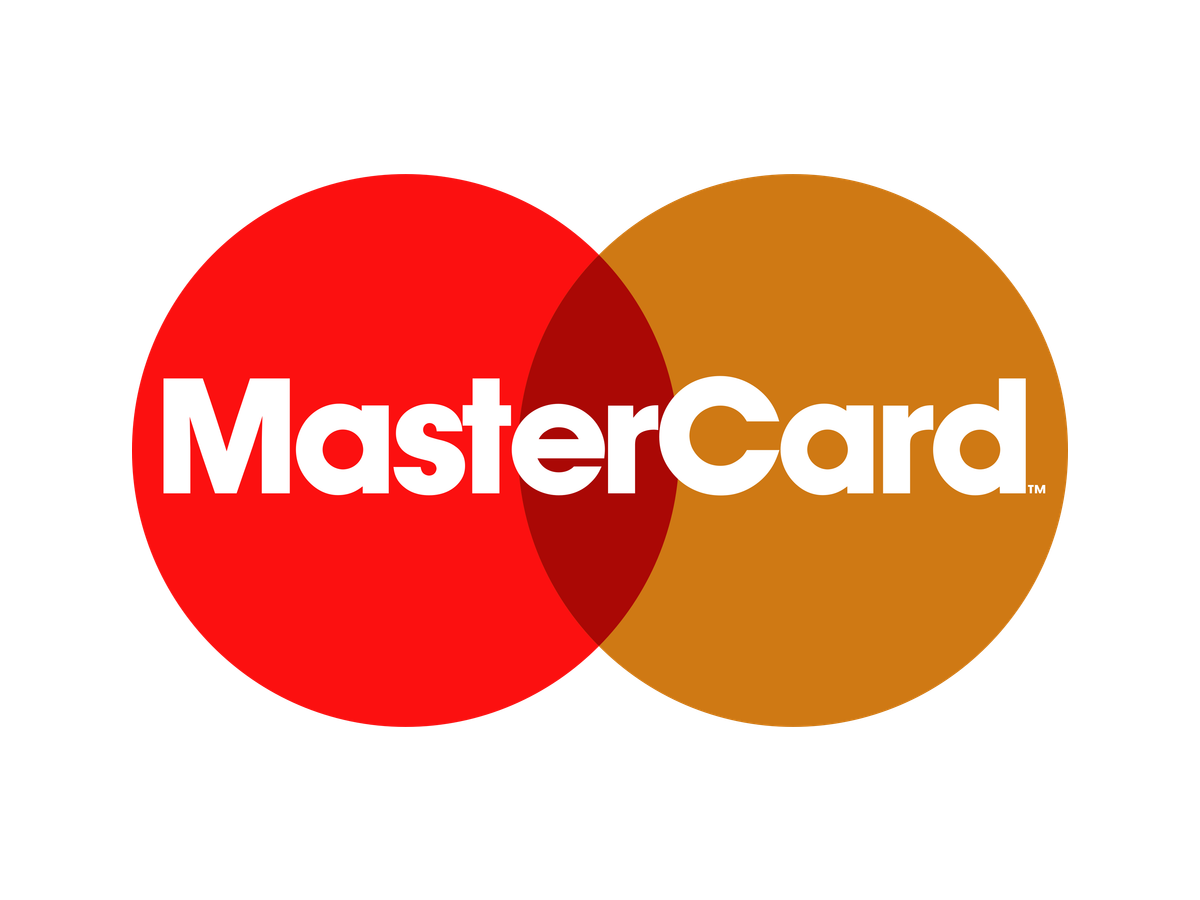
The two-circle system keeps the name inside the payment mark while card and merchant use build recognition.
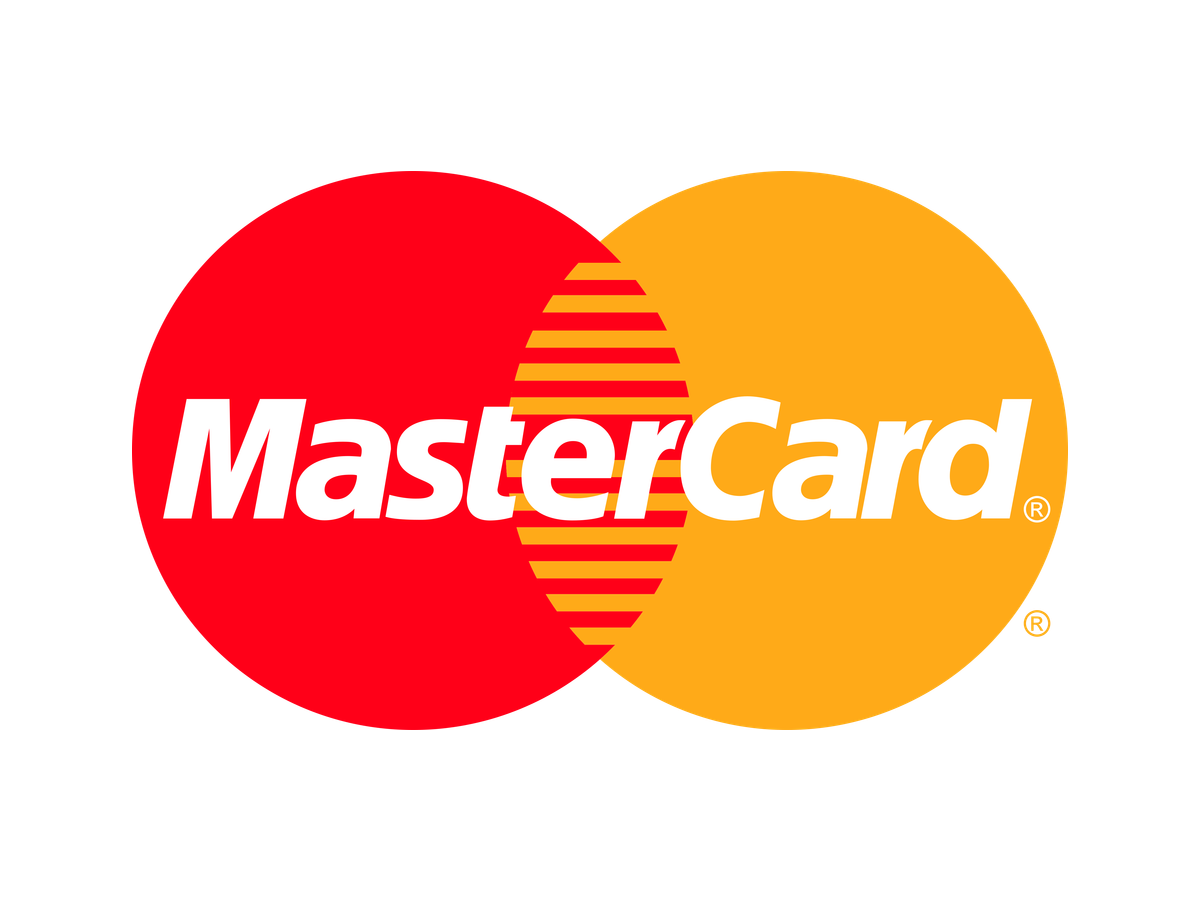
The striped overlap and italic wordmark make the checkout cue more energetic while preserving the two-circle memory.
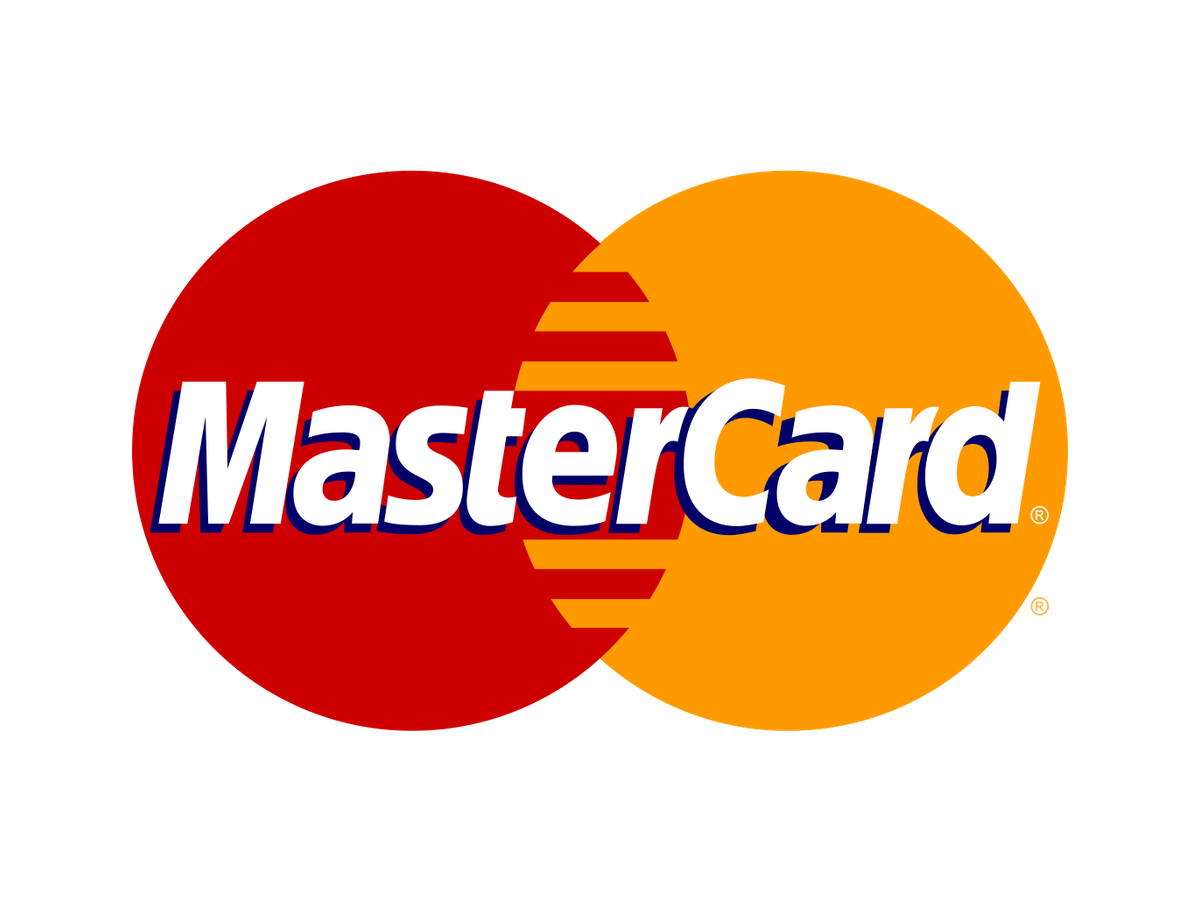
The later wordmark version tightens the payment symbol before the brand eventually becomes confident enough to drop the name.
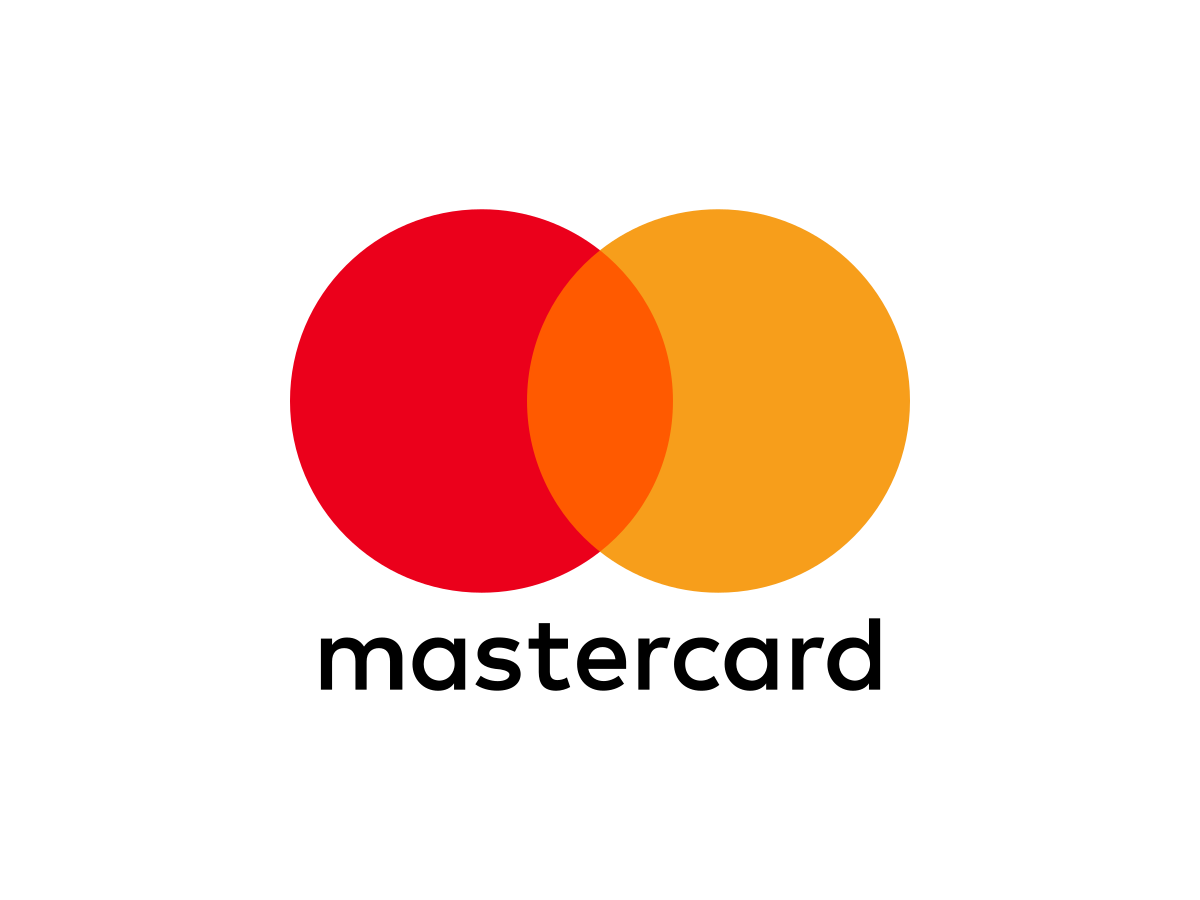
The 2016 system simplifies the overlap and moves the lowercase wordmark beneath the circles, preparing the symbol for digital interfaces.
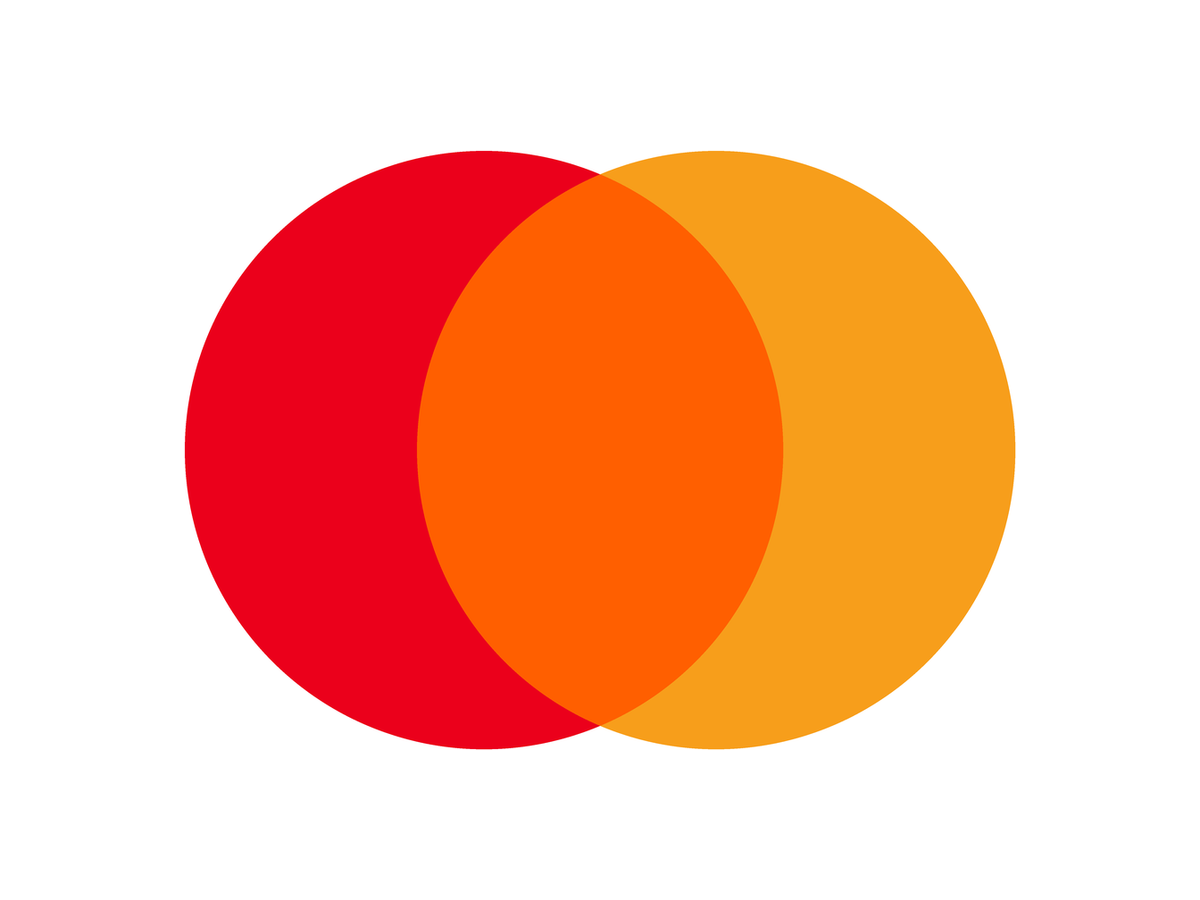
The circles can work without the name because years of checkout use taught the public what they mean. source
Product and service lineage.
Mastercard's signal moves from a named payment network to a wordless symbol that works because the mark keeps appearing at the moment of transaction trust.

Checkout moves across devices
Acceptance is no longer tied to one countertop terminal; credentials and commerce now meet across phones, tablets, gateways, and wallets.
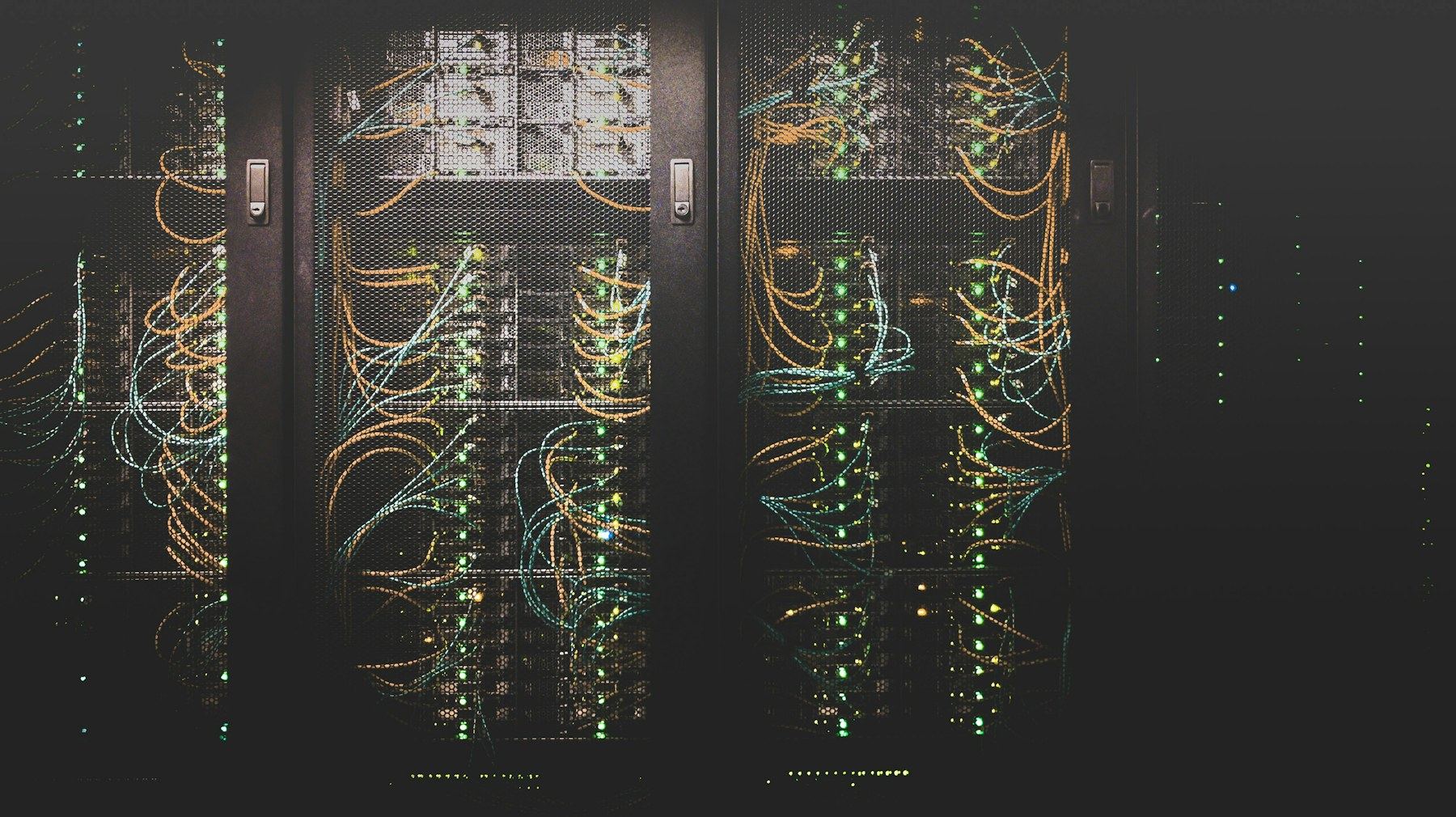
Trust depends on infrastructure
The consumer sees two circles; the operating promise depends on switching, authentication, cyber defense, and resilient data networks.

Tap on Phone expands acceptance
A merchant phone can become the payment terminal without adding dedicated checkout hardware.

Transit turns payment into habit
Repeated tap-to-ride use makes the payment network part of everyday movement.
Product and service system
The operating-company origin gives the network a bank-card foundation.
Cards, issuers, merchants, and acceptance surfaces train the mark through daily use.
The brand connects payment utility to emotional life moments while the network keeps doing the practical job.
Mastercard drops the name from the brand mark and lets the circles carry recognition.
Cards, terminals, wallets, merchants, fraud controls, and digital checkout keep retraining the cue.
Turning points.
The decisive moves are sourced and dated: association formation, international expansion, architecture growth, public-company conversion, digital simplification, and wordless recognition.
Banks could expand reciprocal card acceptance only if merchants and cardholders recognized a common system.
Cirrus, Maestro, commercial flows, security, data services, gateways, and open finance widened the company beyond consumer credit cards.
The campaign gave a utility network a human story without replacing the acceptance proof underneath it.
The 2016 simplification and 2019 wordless move worked because the circles were already trained across physical and digital payment contexts.
Gross dollar volume rose 8% to USD 2.9 trillion, net revenue rose 14% to USD 9.3 billion, cross-border volume rose 12%, and value-added services grew 20%.
Public reaction.
The clearest reaction signal is behavioral: customers and merchants continue to recognize the circles across cards, checkout, wallets, transit, and acceptance signage, while failures in fraud control or uptime can quickly tax that trust.
Customers did not need a long explanation because the mark had been trained by cards, merchants, and checkout repetition.
At checkout, confusion, declines, outages, fraud, or merchant friction can tax the confidence the mark is meant to provide.
Full timeline.
Seventeen banks form the Interbank Card Association and establish rules for authorization, clearing, and settlement.
The Master Charge name and two interlocking circles are adopted.
Master Charge becomes MasterCard.
MasterCard acquires Cirrus and later launches Maestro, an online point-of-sale debit network.
The Priceless campaign begins linking payment utility to experiences and emotional memory.
MasterCard merges with Europay, converts to a private share corporation, and completes its NYSE initial public offering.
A simplified identity is introduced for digital contexts.
Mastercard drops its name from the Brand Mark for many uses.
Mastercard reports USD 32.791 billion in net revenue, USD 10.6 trillion in gross dollar volume, and 175.5 billion switched transactions.
Steal / avoid.
- Make a symbol show up at the customer's highest-trust moment.
- Train recognition through repeated use before removing words.
- Keep the mark portable across the smallest and most practical surfaces.
- Tie emotional brand meaning to the operational job the brand actually performs.
- Do not go wordless before the market has learned the symbol.
- Do not mistake minimalism for earned recognition.
- Do not separate the mark from the payment moments that give it meaning.
- Do not let network friction undermine a trust cue.
Short answer.
Mastercard's brand signal is payment trust made portable. The red and yellow circles can work without the name because cards, terminals, wallets, merchants, and checkout moments trained the symbol for years. The lesson is that simplification works only after the mark has earned enough memory in real use.
Frequently asked questions
Why can Mastercard use a wordless mark?
Mastercard can use a wordless mark because the interlocking circles were trained across cards, terminals, wallets, merchant acceptance, and checkout moments before the name stepped back.
What should another brand steal from Mastercard?
Steal the discipline of making the mark appear at the exact moment where the customer needs trust.
What should another brand avoid copying from Mastercard?
Do not remove the name from a mark before the market can identify the symbol without help.
Need help with your own brand?
Use Private brand work when your name, identity, proof, or message needs a sharper branding decision.
Sources.
Use the education shelf for the concepts behind this brand page.
Private brand workUse this when the decision belongs to your own brand.
All brandsReturn to every brand page.
- Mastercard 2025 Form 10-K
- SEC company facts, Mastercard CIK 0001141391
- Mastercard Brand Center, brand history
- Mastercard Newsroom, 25 years of Priceless
- Mastercard, brand mark announcement
- Mastercard, investor annual reports
- Mastercard, company overview
- Wikimedia Commons, Mastercard logo file
- Mastercard Q2 2026 earnings release
- Mastercard market capitalization
