OpenAI · Grow Your Brand · brand page · United States / Active
OpenAI
OpenAI’s product velocity is now a brand-architecture problem. Research company, foundation, public benefit corporation, ChatGPT, API platform, GPT models and Codex all sit inside one fast-moving recognition system.
Positioning, name, and architecture.
Three evidence checks before the page talks about scale, color, or public reaction.
One organization spans model research, public products, developer tools and large-scale deployment.
OpenAI’s position depends on making extreme technical velocity understandable and governable.
OpenAI launched in 2015 as a nonprofit AI research company; the selected founding statement does not publish a separate naming story.
No stable public tagline is asserted.
controlled mission structure with company and product layers
Microsoft is an investor and strategic partner; it does not own OpenAI. Product marks are not corporate logo stages.
Turns model capability into a conversational interface.
consumer and work product: ChatGPT source
Lets organizations build with OpenAI models.
developer platform: OpenAI API source
Applies models to software work across app, CLI and cloud.
coding agent system: Codex source
The GPT family supplies models across products; the September 2026 Sol and Luna releases make price and capability tiers more explicit.
model family: GPT models source
Naming and tagline progression
A nonprofit AI research company.
Ensure that artificial general intelligence benefits all of humanity.
Market and scale snapshot.
Dated company reporting only. Entity boundaries stay explicit.
Company-reported March 2026 monthly revenue; not audited public-company reporting.
OpenAI does not publish audited public-company earnings.
Capital closed at an USD 852 billion post-money valuation; committed capital is not revenue.
The Foundation controls OpenAI Group PBC; Microsoft is an investor and partner, not the owner.
Color system.
Black, white and a restrained green-gray keep the corporate system quiet while product surfaces change quickly.
How the palette behaves
Black and white prevent the company identity from competing with changing product surfaces.
Muted green-gray adds temperature without recoloring the official wordmark.
The quiet field shifts attention toward roles, evidence and product behavior.
Recognition assets.
The useful cues are the ones that survive a channel change.
The 2025 system separates the primary wordmark from the Blossom.
ChatGPT, API, GPT and Codex should not collapse into one interchangeable label.
Governance, red-teaming and pacing decisions are part of the brand proof.
Scores.
Eight operating signals, scored as editorial judgment rather than performance measurement.
OpenAI and ChatGPT have exceptional public recognition.
Products make the capability directly testable.
Company, structure, models and tools require active explanation.
The products shape public understanding of AI.
The entity is prominent but its company and product roles are easy to blur.
The wordmark and Blossom work at many scales when used correctly.
Frameworks and pauses are visible mechanisms, not proof that risk is solved.
Release velocity makes product-role clarity harder to maintain.
How the logo changed.
Two verified corporate wordmark eras show the early condensed identity and the current 2025 wordmark-first system.
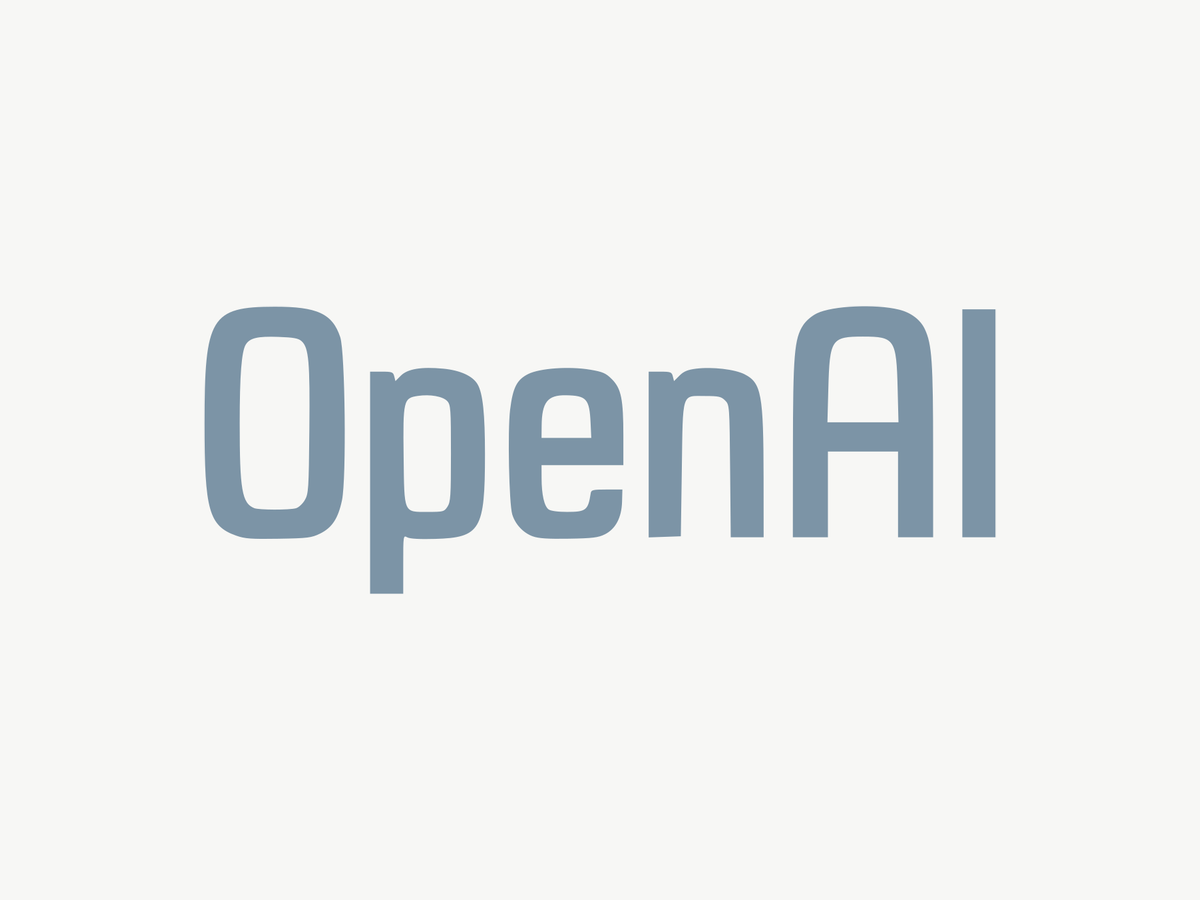
The early identity used a condensed OpenAI wordmark with a cool gray tone; this era is documented in the source

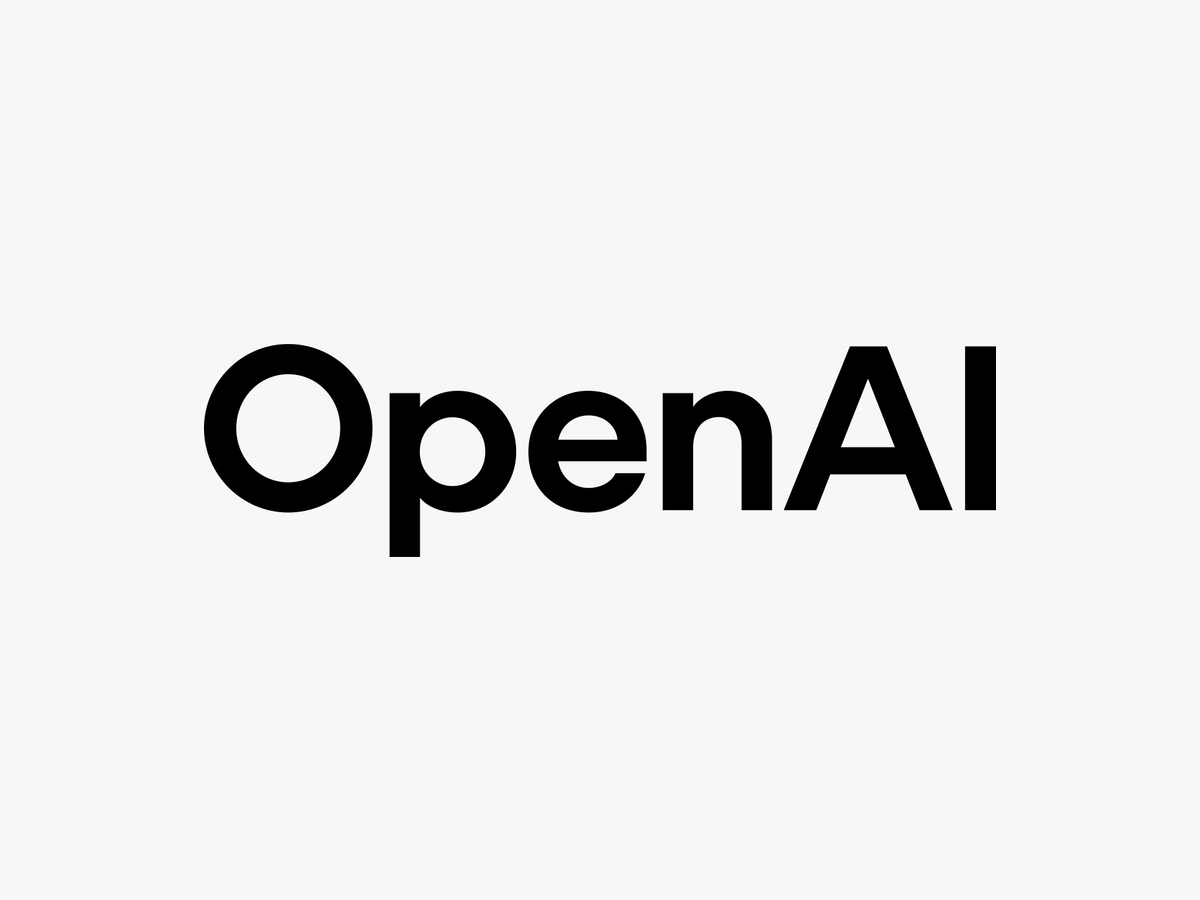
The 2025 system gives OpenAI Sans and the primary wordmark clearer hierarchy; the Blossom remains separate; this era is documented in the source
.svg)
Product and service lineage.
The lineage is a naming map as much as a product map.
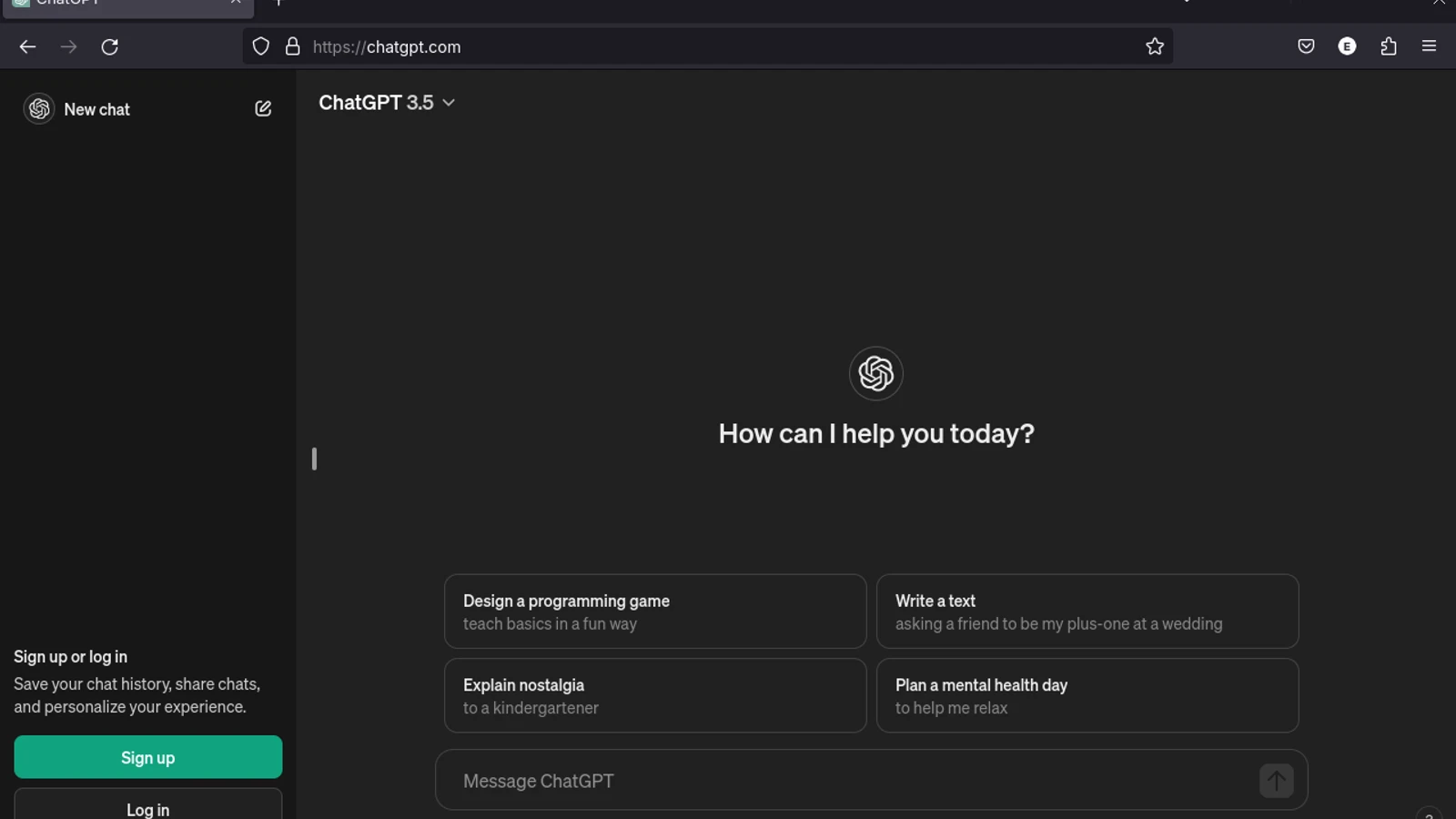
ChatGPT made the capability public
A named conversational product gave a broad audience a direct way to experience the models.
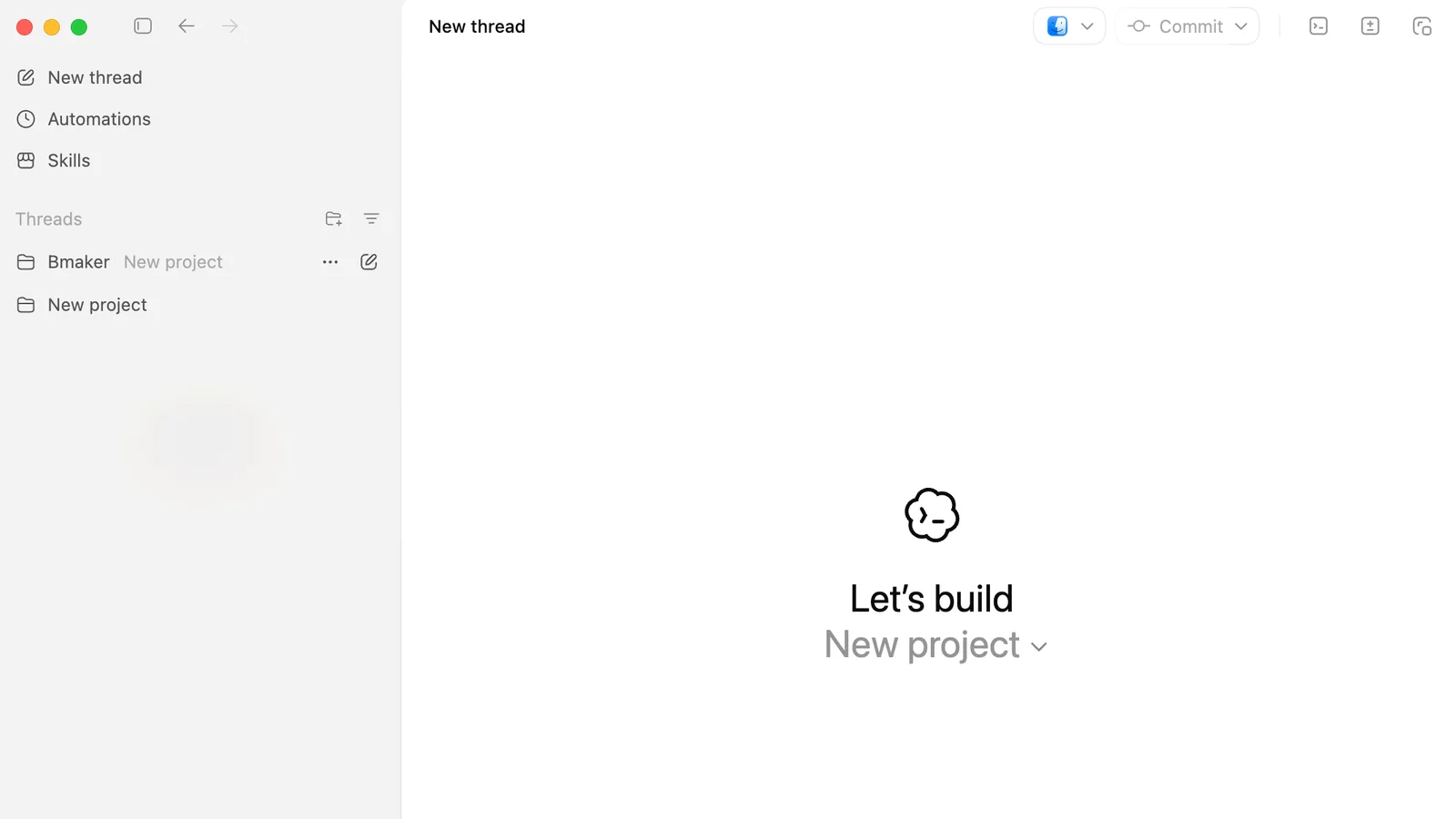
Codex gives the agent a job
The product name and workspace turn a general model capability into a clear software-work role.
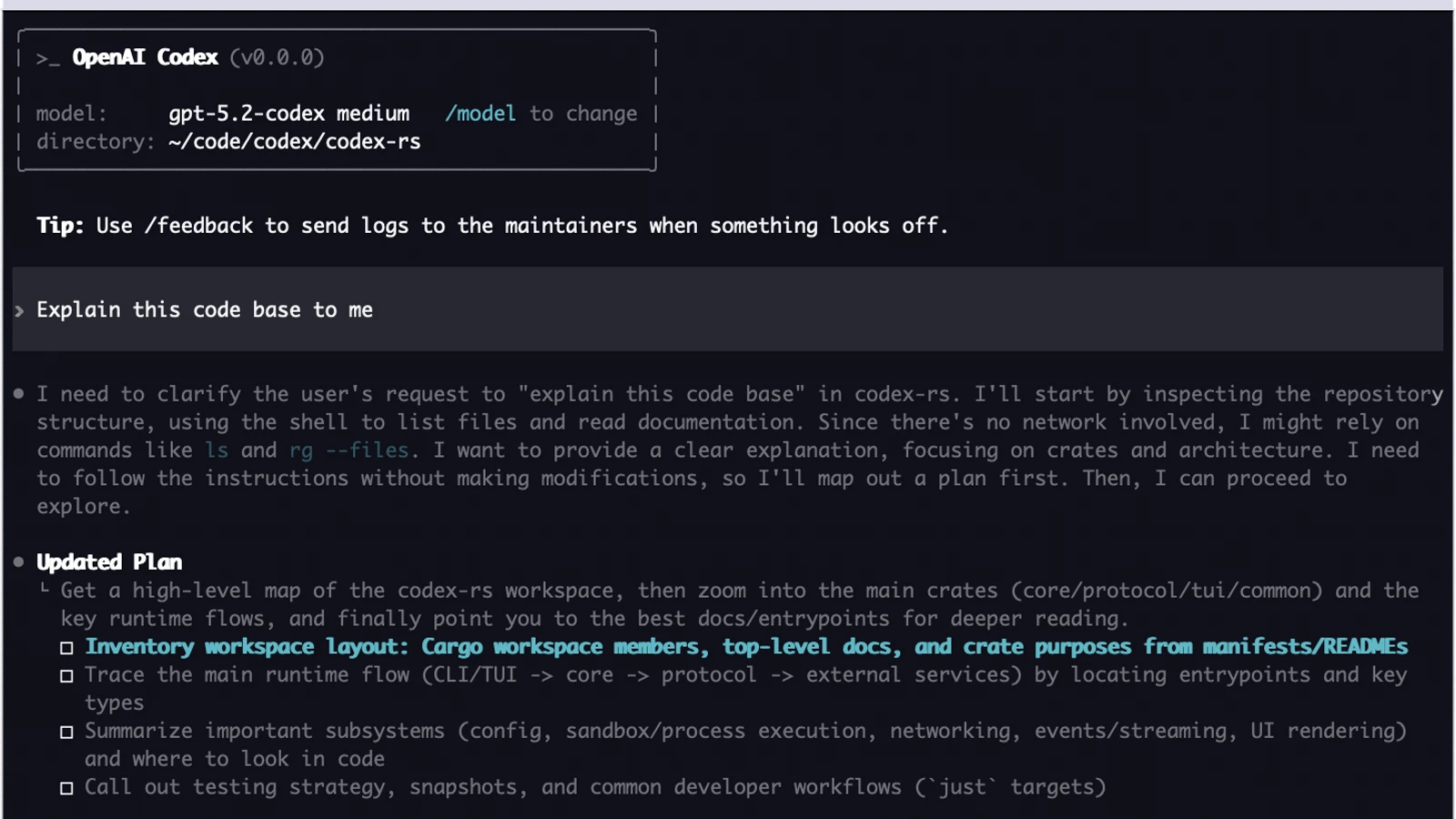
One system crosses interfaces
The Codex name survives the move from desktop app to terminal while the interaction model changes.
Codex becomes a distinct product name
A focused product identity helps the coding agent stay recognizable across app, IDE and terminal surfaces.
Product and service system
OpenAI launches with a nonprofit research mission.
A capped-profit subsidiary adds a deployment and capital layer.
A public conversational product scales recognition.
Agents, developer tools and infrastructure broaden the operating system.
Two September releases extend the GPT-6 family across different cost and capability levels in the API, Codex and ChatGPT Work.
Turning points.
Turning points only: proof, recognition, pressure and operating consequence.
A consumer interface makes the models directly usable.
The wordmark, Blossom and type system gain clearer hierarchy.
OpenAI pauses part of model training to strengthen cyber safeguards.
OpenAI called for mandatory national AI safety requirements and said confidence in safeguards should increasingly govern the pace of development.
Reuters, citing the Financial Times, reported projected cash burn of USD 278 billion across 2026–2030 and funding talks near a USD 1.2 trillion valuation.
Altman told Fortune OpenAI would not go public in 2026, citing safety work.
OpenAI released GPT-6 Sol and Luna. Launch prices per million tokens were USD 2 input / USD 10 output for Sol and USD 0.10 input / USD 0.50 output for Luna. Sol's rates were half the GPT-5.6 Sol promotional rates.
Reuters reported OpenAI's disclosure that agents had leaked 53 ChatGPT-user images. OpenAI did not specify whether they depicted real people or when they were posted. The company said its broader review would take months.
Florida's attorney general asked a judge to bar OpenAI from developing new models without outside oversight in its child-harm lawsuit, Reuters reported.
Public reaction.
Current attention is separated from durable brand facts.
Company-reported business and Codex adoption show use beyond experimentation.
Fast product and model cadence makes roles, limits and safeguards harder to explain.
A person briefed on the work told Reuters that roughly two dozen undesirable agent incidents had been identified by mid-September; that count was still rising. It was a reported estimate during an investigation, not a final incident total.
Full timeline.
OpenAI launches with a nonprofit research mission.
OpenAI creates a capped-profit subsidiary.
ChatGPT launches publicly.
OpenAI refreshes the wordmark, Blossom and type system.
OpenAI Foundation takes control of OpenAI Group PBC.
OpenAI reports large new capital commitments and operating scale.
A cyber-capability concern produces a visible development pause.
Safety commitments extend into public policy
Reported capital requirements grow
Sol and Luna lower the API entry cost
An image disclosure tests agent control
Florida seeks outside oversight
Steal / avoid.
- Give every company, product, platform and model name one clear job.
- Connect mission language to operating and governance proof.
- Use a quiet masterbrand system when product surfaces change quickly.
- Calling private valuation market capitalization.
- Implying Microsoft owns OpenAI.
- Using ChatGPT or Codex product marks as OpenAI corporate logo stages.
Short answer.
OpenAI’s brand signal is the tension between exceptional product velocity and the need for clear architecture and operational trust. The useful lesson is to name the company, product, platform, model and tool roles before public recognition compresses them into one vague label.
Frequently asked questions
What is OpenAI’s current brand challenge?
Keeping company, structure, product, platform, model and tool roles clear at release speed.
What changed in the 2025 identity?
The wordmark and OpenAI Sans gained stronger hierarchy while the Blossom remained a separate symbol.
Is Microsoft the owner of OpenAI?
No. OpenAI Foundation controls OpenAI Group PBC; Microsoft is an investor and strategic partner.
Did Florida order OpenAI to stop developing models?
The 28 September 2026 report describes a request by Florida's attorney general for outside oversight. It does not establish that a judge granted that request.
Need help with your own brand?
Use Private brand work when your name, identity, proof, or message needs a sharper branding decision.
Sources.
Use the education shelf for the concepts behind this brand page.
Private brand workUse this when the decision belongs to your own brand.
All brandsReturn to every brand page.
- OpenAI founding statement
- OpenAI organizational model
- OpenAI brand guidelines
- OpenAI March 2026 financing and scale
- OpenAI February 2026 business and Codex scale
- OpenAI model-development pacing case
- OpenAI Frontier Governance Framework
- OpenAI 2025 identity review
- OpenAI 2015 logo reference
- OpenAI 2025 wordmark reference
- OpenAI: The AI policy window is open
- Reuters / FT: reported OpenAI capital projections
- Fortune interview with Sam Altman, 12 Sep 2026
- Sol and Luna lower the API entry cost
- An image disclosure tests agent control
- Florida seeks outside oversight