Pat McGrath Labs · Grow Your Brand · Pat McGrath Labs failure case study · United States / Filed Chapter 11 in January 2026 and emerged in April 2026 with GDA Luma financing and control economics
Pat McGrath Labs
Did Pat McGrath Labs close, and who controls it now? Pat McGrath Labs emerged from restructuring in April 2026 with GDA Luma holding a controlling interest. Pat McGrath remained Chief Creative Officer. The founder's name continued while the ownership and financing changed.
Positioning, name, and architecture.
Pat McGrath Labs built a rare beauty position: runway authority, editorial color, gold-and-black packaging, and makeup as couture object. Bankruptcy exposed the less glamorous operating layer behind that promise.
A founder with runway authority translating editorial looks into product.
For prestige beauty buyers, Pat McGrath Labs turns editorial makeup authority into collectible product, but the brand has to keep inventory and financing as polished as the creative world.
The name uses the founder's authority directly: Pat McGrath is the proof, and Labs implies pigment experimentation.
No single restructuring-era tagline used as failure proof.
Founder-led prestige beauty house
The founder identity remains the front-end brand asset while financing and control changed behind it.
Named palettes organize eye color into collectible product families.
Eye makeup: Mothership I: Subliminal source
Foundation and finishing products carry the backstage complexion approach into daily use.
Complexion makeup: Sublime Perfection Foundation source
The lipstick range translates the house color language into a single portable product.
Lip makeup: MatteTrance Lipstick source
The skincare line extends the house beyond color cosmetics.
Skincare: Rose 001 The Essence source
Naming and tagline progression
Pat McGrath Labs A limited-drop prestige name built around founder authority.
Mothership Palette language turned color systems into collectible rituals.
Divine Skin Expansion stretched the brand into broader beauty categories.
Founder-led reset The restructuring asked the brand to prove demand beyond hype cycles.
Market and scale snapshot.
The available public finance signal is restructuring finance, not a public-company revenue stack.
The reorganized private company does not publish audited revenue.
The reorganized private company does not publish audited profit or loss.
GDA Luma said it provided more than USD 65M of financing and support through the restructuring.
The confirmed plan reset control and financing while Pat McGrath retained the founder creative role.
Pat McGrath Cosmetics LLC filed Chapter 11 in the Southern District of Florida.
Hilco marketed pledged brand assets before the Chapter 11 path repositioned the case.
The bankruptcy court confirmed the reorganization plan in April 2026.
Color system.
Black and gold make the product feel like luxury theater. Burgundy and deep pigment colors connect the mark to makeup payoff.
How the palette behaves
Black: luxury, night, backstage authority. packaging and brand surfaces.
Gold: collectible prestige. primary packaging and product detail.
Burgundy: pigment and drama. lip and palette color world.
Recognition assets.
The black-and-gold system, Mothership palettes, pigment language, and founder name remained powerful. The failure question was whether product availability, vendor confidence, and financing could keep up with demand.
The name carries fashion authority before a buyer reads a claim.
The visual system turns makeup into an object with status.
Creative desire collapses if inventory and retail execution fail.
Scores.
Creative recognition stayed strong, but capital structure and operating execution weakened the brand system.
Founder authority and packaging remain strong.
The case raised vendor, lender, and continuity questions.
The runway-to-product idea is clear.
The lender dispute and liquidity pressure weakened the system.
The makeup signal remained powerful, but prestige positioning depends on delivery, stock, and partner trust.
The available public finance signal is restructuring finance, not a public-company revenue stack.
Prestige beauty brand reorganized after liquidity, lender, inventory, and capital-structure pressure
GDA Luma led the restructuring with more than USD 65 million of financing and support; the brand emerged from Chapter 11
How the logo changed.
Pat McGrath Labs logo assets use a USPTO trademark drawing and the brand-owned ecommerce logo file normalized to the page canvas.


Product and service lineage.
The business moved from artist-led launches into global retail and ecommerce. The restructuring centered on funding the back end without diluting the front-end creative signal.
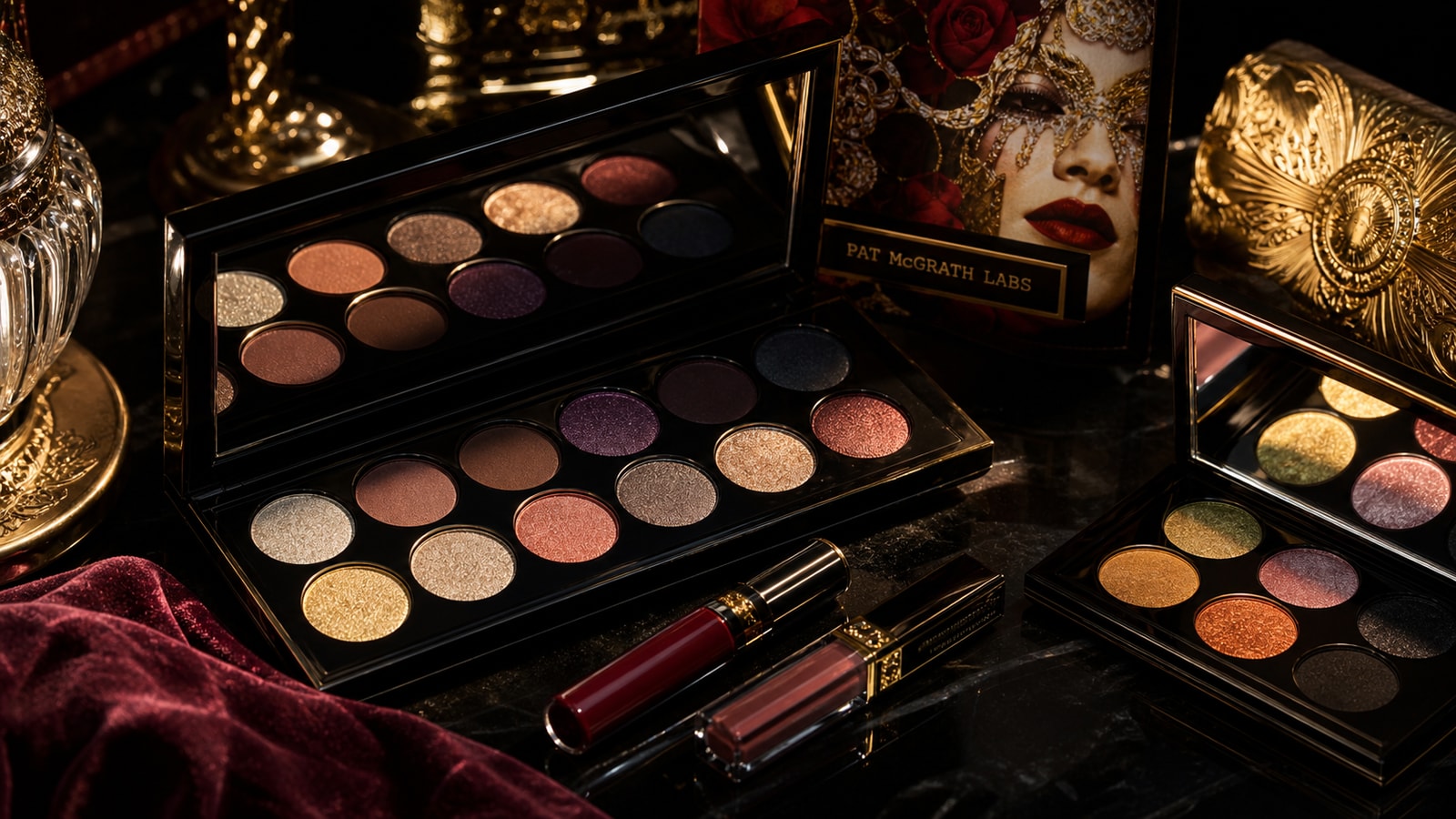
The product signal was still hot
The brand's strongest proof remained pigment, packaging, and founder authority.
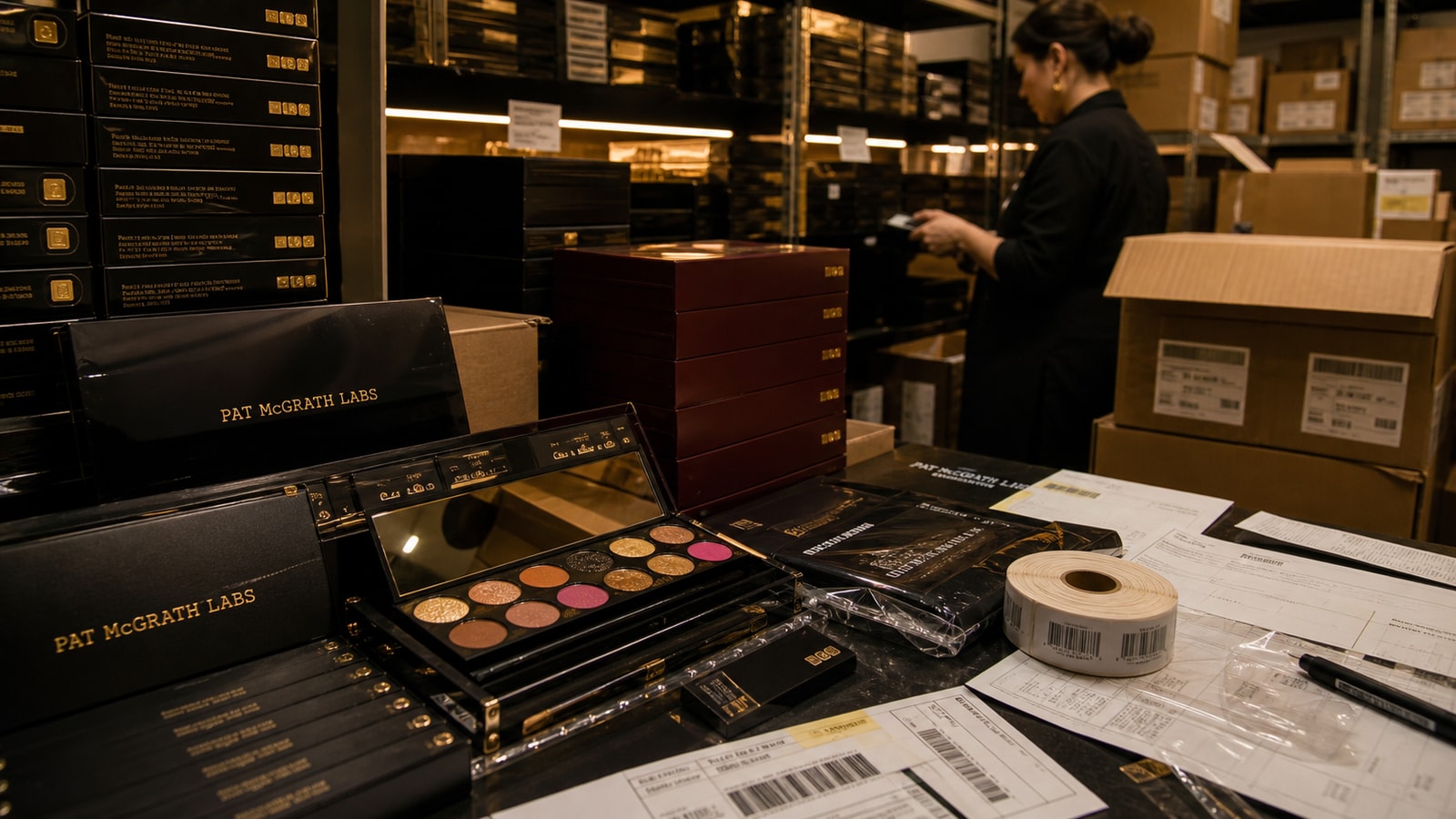
Inventory is part of the brand
A prestige launch fails in public when customers and retail partners cannot get the product cleanly.
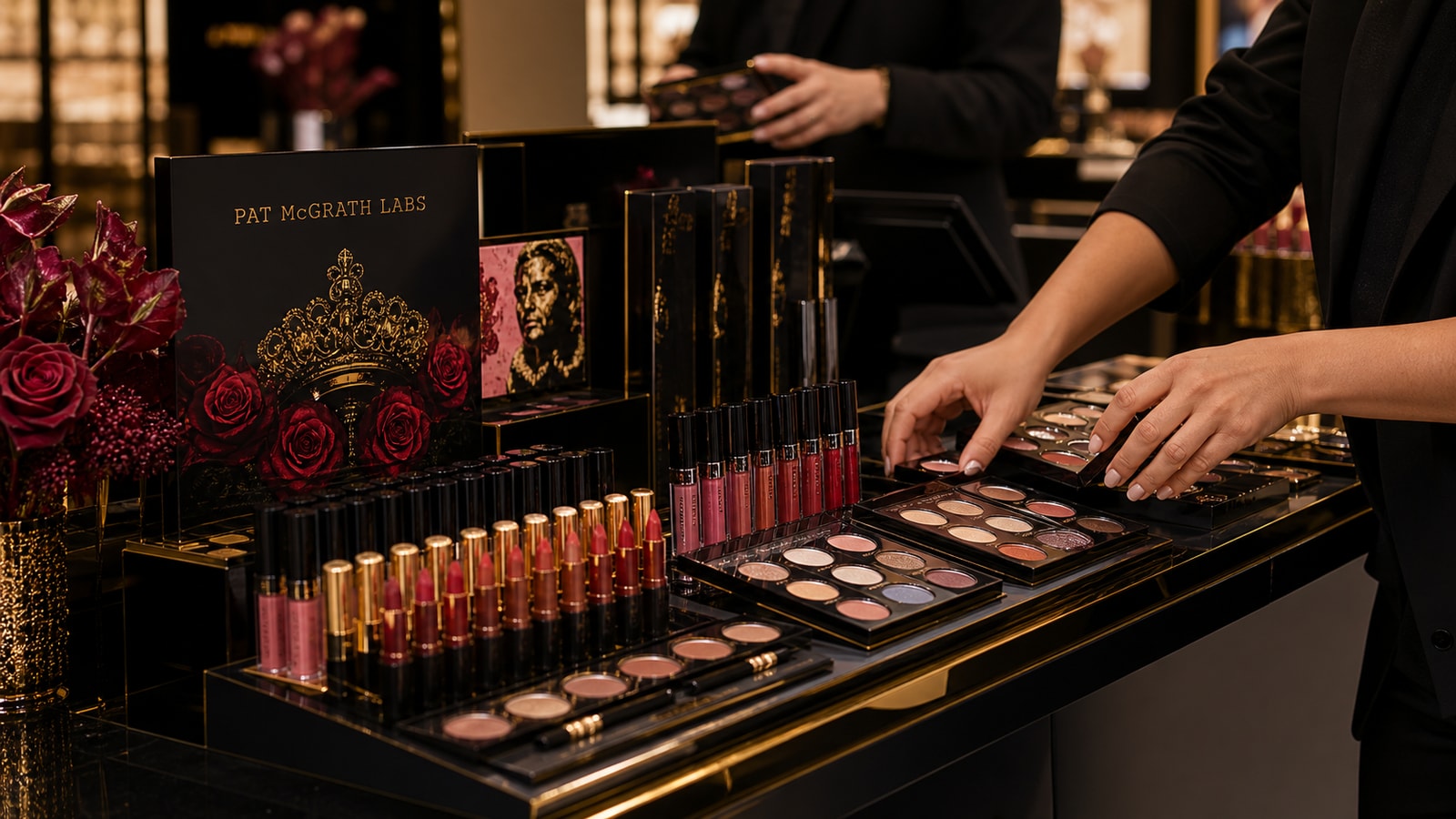
The reset has to prove execution
The brand survived because product desire remained, but the new system must earn vendor and retail confidence.
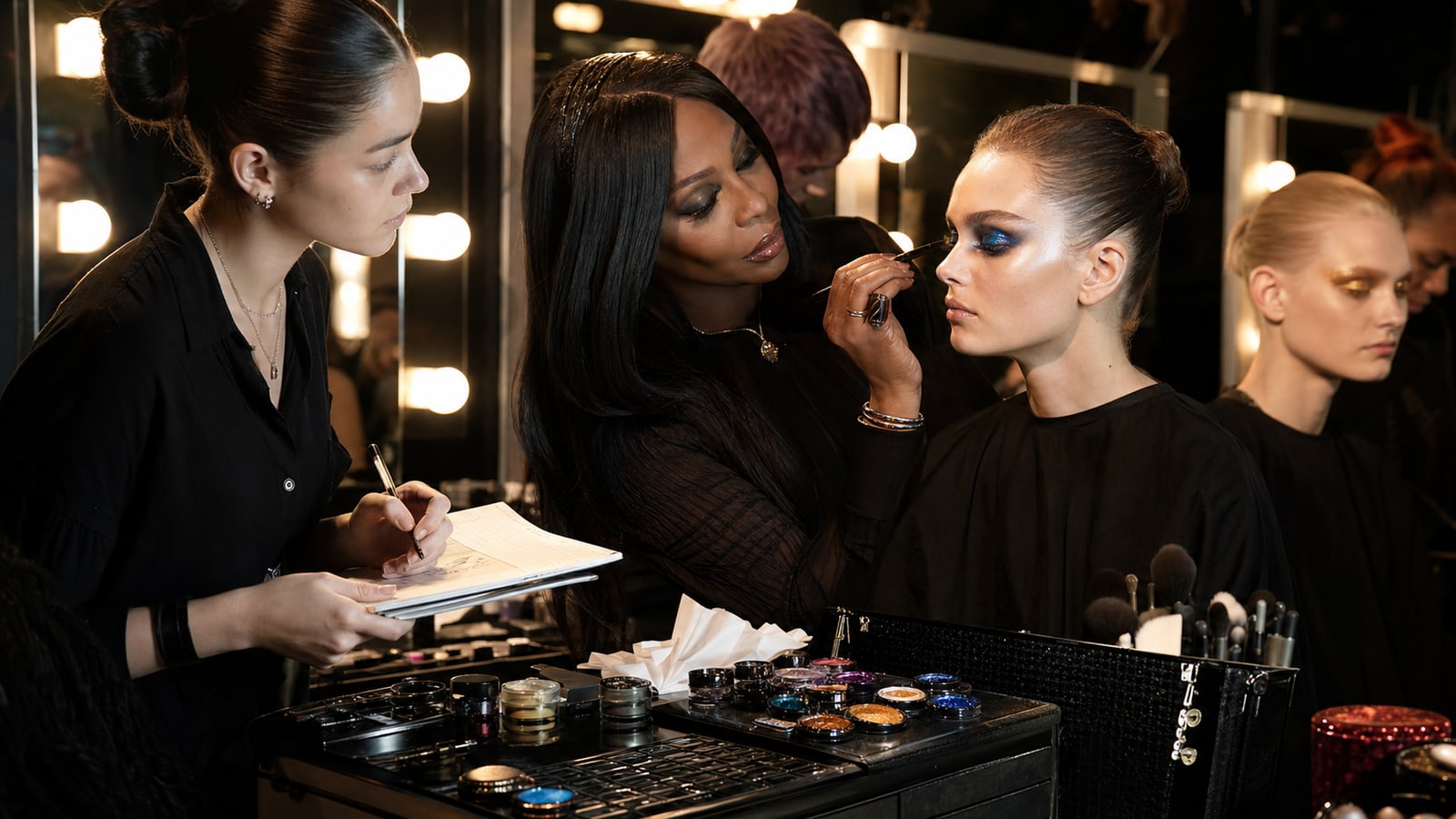
Artist knowledge is a service surface
The founder signal becomes durable when professional technique, hygiene, and color authority can be taught and repeated.
Product and service system
Fashion and editorial makeup create the initial trust.
Palettes and pigments convert authority into repeat purchase.
Distribution makes availability and working capital harder.
The reorganized company has to prove execution without losing the founder signal.
Turning points.
The case is useful because demand and failure coexisted. The front-end brand remained attractive while the back-end finance stack broke.
Why it failed
Liquidity constraints, supply-chain disruption, inventory execution issues, lender pressure, and legacy capital obligations strained the business behind a still-desired prestige brand.
Management fought to preserve the brand, canceled an asset-auction path, entered Chapter 11, and used a confirmed plan and new financing to stabilize the company.
A lender-driven auction and tightening liquidity forced a January 2026 Chapter 11 case; the April 2026 plan reset control and financing.
Failure timeline
Pat McGrath Labs launches as an artist-led beauty house.
Hilco markets pledged brand assets for sale.
Pat McGrath Cosmetics files Chapter 11.
The company emerges with GDA Luma financing and support.
Public reaction.
Fans did not read the case as a loss of beauty relevance. The reaction was sharper: how can a brand this desired still need court protection?
The company needed court protection despite a still-recognizable creative brand.
The brand kept its founder-led signal and secured financing for the next operating phase.
Steal / avoid.
- Let creative authority stay specific and founder-led.
- Treat inventory and vendor trust as visible brand proof.
- Use restructuring to clarify what customers still value.
- Do not confuse prestige demand with financial resilience.
- Do not hide operating weakness behind luxury packaging.
- Do not let lenders define the public story before the brand does.
Short answer.
Pat McGrath Labs filed Chapter 11 in January 2026 because prestige-brand demand could not offset liquidity constraints, lender pressure, supply-chain disruption, inventory issues, and legacy capital obligations. The brand emerged in April 2026 with more than USD 65 million of financing and support from GDA Luma. The failure lesson is that a founder-led beauty brand can have strong recognition and still need a financing and operations reset.
Frequently asked questions
Did Pat McGrath Labs go out of business?
No. Pat McGrath Cosmetics filed Chapter 11 and Pat McGrath Labs emerged from restructuring in April 2026.
Who controls Pat McGrath Labs after its restructuring?
GDA Luma's April 20, 2026 announcement said it would hold a controlling equity interest after the court-approved restructuring. That is an ownership and financing change, separate from the continued use of the founder's name on the makeup brand.
Is Pat McGrath still involved in Pat McGrath Labs?
Yes. The April 2026 emergence announcement said founder Dame Pat McGrath would continue as Chief Creative Officer. Keeping a creative role does not mean the founder retained sole ownership or that the company's prior financial problems disappeared without a restructuring.
Why did Pat McGrath Labs fail financially?
Public restructuring sources point to liquidity constraints, lender pressure, supply-chain disruption, inventory issues, and legacy capital obligations.
What continued after Pat McGrath Labs restructured?
The Pat McGrath Labs brand, founder creative role, product line, retail partnerships, and reorganized operating company survived the case.
Need help with your own brand?
Use Private brand work when your name, identity, proof, or message needs a sharper branding decision.
Sources.
Use the education shelf for the concepts behind this brand page.
Private brand workUse this when the decision belongs to your own brand.
All brandsReturn to every brand page.
- GDA Luma Pat McGrath Labs emergence announcement
- Pat McGrath Cosmetics bankruptcy case record
- Hilco Pat McGrath Labs asset-offer announcement
- U.S. Courts Pat McGrath confirmation opinion record
- Pat McGrath Labs current ecommerce mark
- Pat McGrath Labs: Mothership
- Pat McGrath Labs: Skin Fetish
- Pat McGrath Labs: MatteTrance
- Pat McGrath Labs: Divine Skin