Peugeot · Grow Your Brand · Long-memory mobility identity · France / Stellantis automotive brand
Peugeot
Peugeot: a lion that moved from tools to electric mobility. Peugeot's strongest signal is not nostalgia. The lion connects material strength, vehicle design, a driver-focused cockpit, and a current electric product system.
Positioning, name, and architecture.
Peugeot is a French automotive brand and operating company within Stellantis. Its lineage reaches back to industrial tools and bicycles; its current proof comes from vehicles, commercial mobility, cockpit design, and electrification.
A long industrial lineage, a resilient lion signal, and a driver-focused cabin system expressed across passenger cars and vans.
Peugeot is the French mobility brand whose lion, driver-focused cockpit, and broad vehicle range turn industrial continuity into a current electric product system.
The Peugeot family name became the industrial and later automotive masterbrand.
The power of allure.
Stellantis-owned product masterbrand
Peugeot is the customer-facing vehicle masterbrand. Stellantis supplies parent scale; models and technologies remain subordinate proof, not separate corporate identities.
Carries daily recognition across hatchbacks, fastbacks, and SUVs.
core range: Peugeot 208 source
Moves the brand promise into current mobility requirements.
powertrain system: E-3008 and E-5008 source
Extends the lion into fleet and small-business use.
work mobility: Partner and Expert source
Creates a repeatable driver-position signal across models.
experience system: Panoramic i-Cockpit source
Naming and tagline progression
Motion & Emotion.
The power of allure.
Market and scale snapshot.
Peugeot does not publish current standalone revenue or profit. Stellantis results are shown only as explicitly labeled parent context.
Stellantis does not publish current Peugeot-only revenue.
Peugeot-only profit is unavailable.
Peugeot reported the 208 led the French market in first-half 2026.
Current parent-backed manufacturing proof tied to future Peugeot production.
Color system.
Deep blue and white hold the modern system together. Electric lime is a supporting signal; the lion and product face do the recognition work.
How the palette behaves
Deep navy adds technical authority.
White supports clarity and premium restraint.
Electric lime signals current mobility without becoming the whole identity.
Metallic neutrals keep product surfaces central.
Recognition assets.
The lion works because it has changed shape without losing the mechanism behind it: strength, motion, and a distinctive front-of-vehicle signal.
Strength and motion connect the tool-making origin to current vehicles.
The 2021 identity turned a familiar animal into a bolder grille and digital badge.
Vertical light graphics move recognition from badge to vehicle face.
A small steering wheel and raised display make the driving position part of the brand.
Scores.
Eight signals separate recognition from operating proof.
The lion is durable across generations.
Parent and product roles are clear when finance boundaries are explicit.
Cockpit and light signatures carry the identity into use.
Industrial and mobility lineage is unusually long.
The range is broad, though market pressure remains.
The brand promise is concrete and product-led.
The 2021 system works across physical and digital contexts.
Strong European presence and current model breadth.
How the logo changed.
The lion stays recognizable because the mechanism survives even when dimensionality, framing, and product application change.
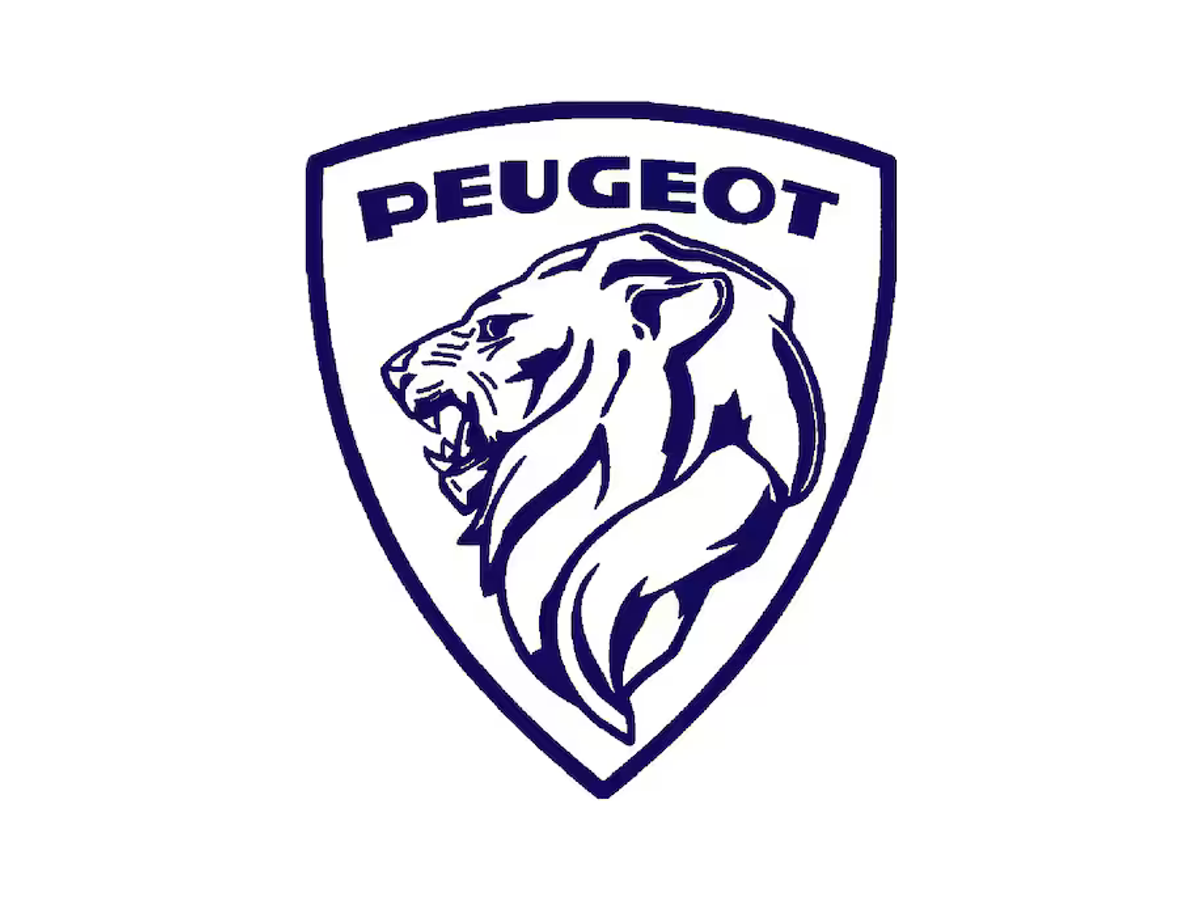
The 1960 shield focused recognition on the lion's head and name. source
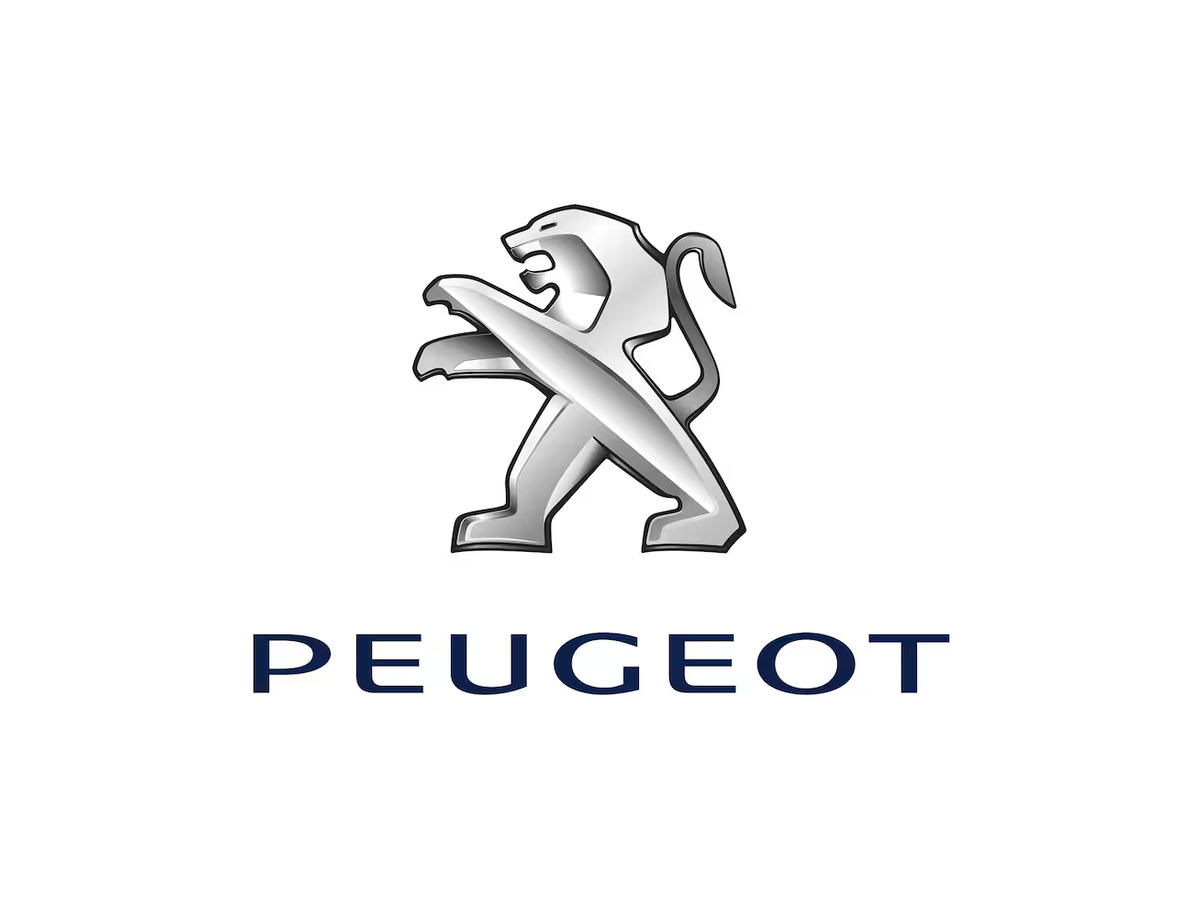
The 2010 identity used a dimensional standing lion suited to vehicle badges of the period. source
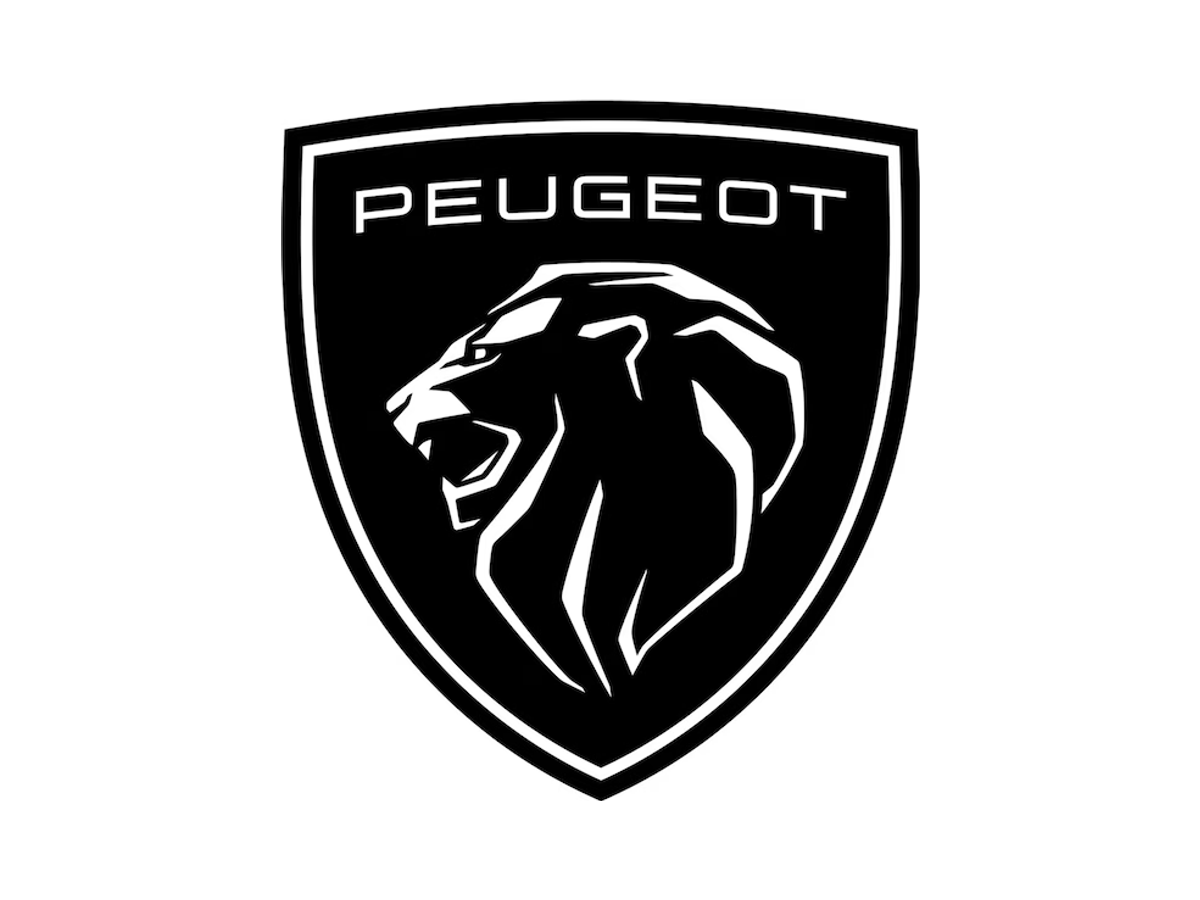
The 2021 system returned to a shield and lion head for stronger grille, digital, and merchandise use. source
Product and service lineage.
Tools, bicycles, cars, vans, and electric systems make the lineage useful rather than decorative.
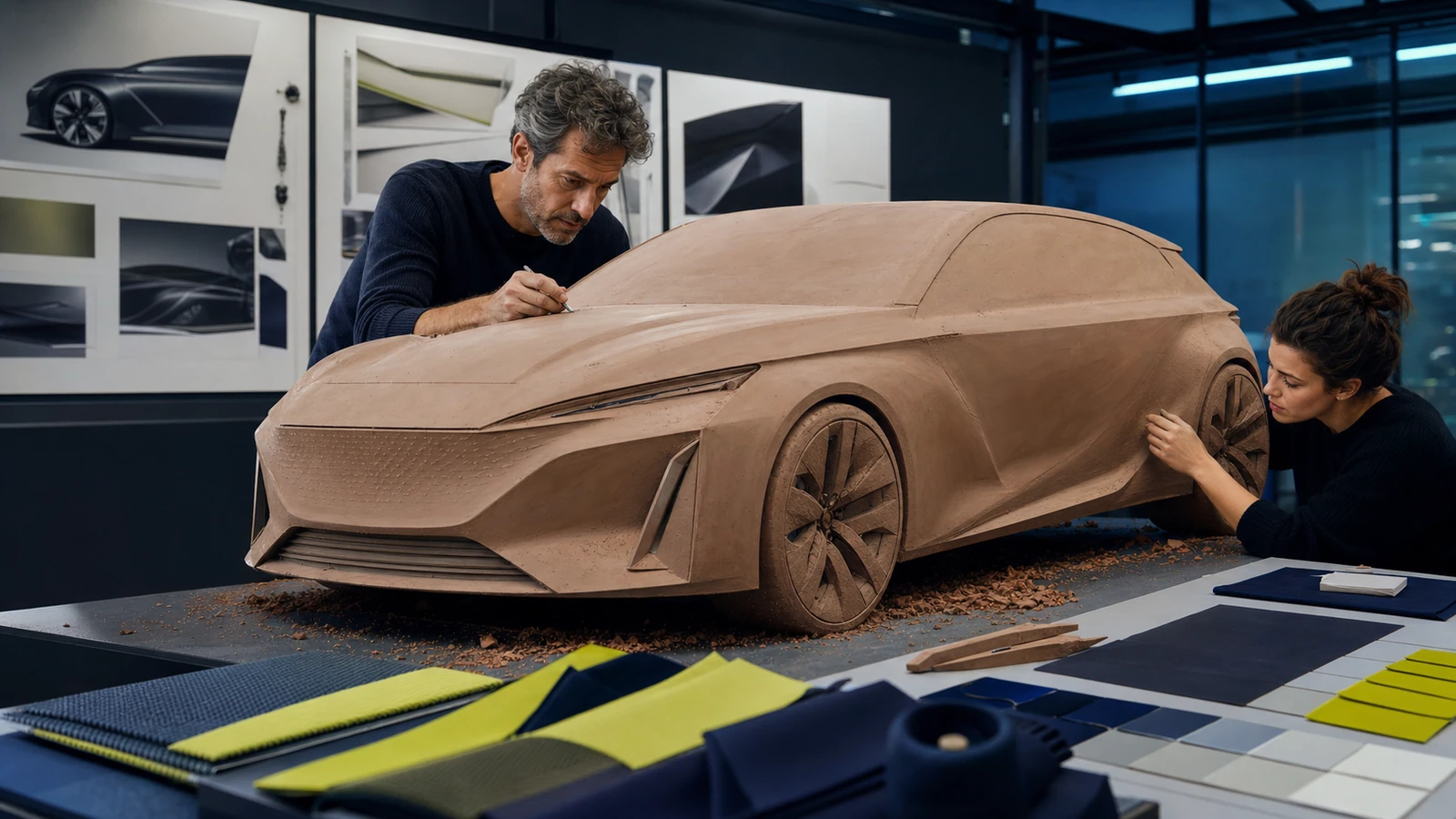
Feline product design
This scene makes an operating layer visible without generating a fake mark or interface.
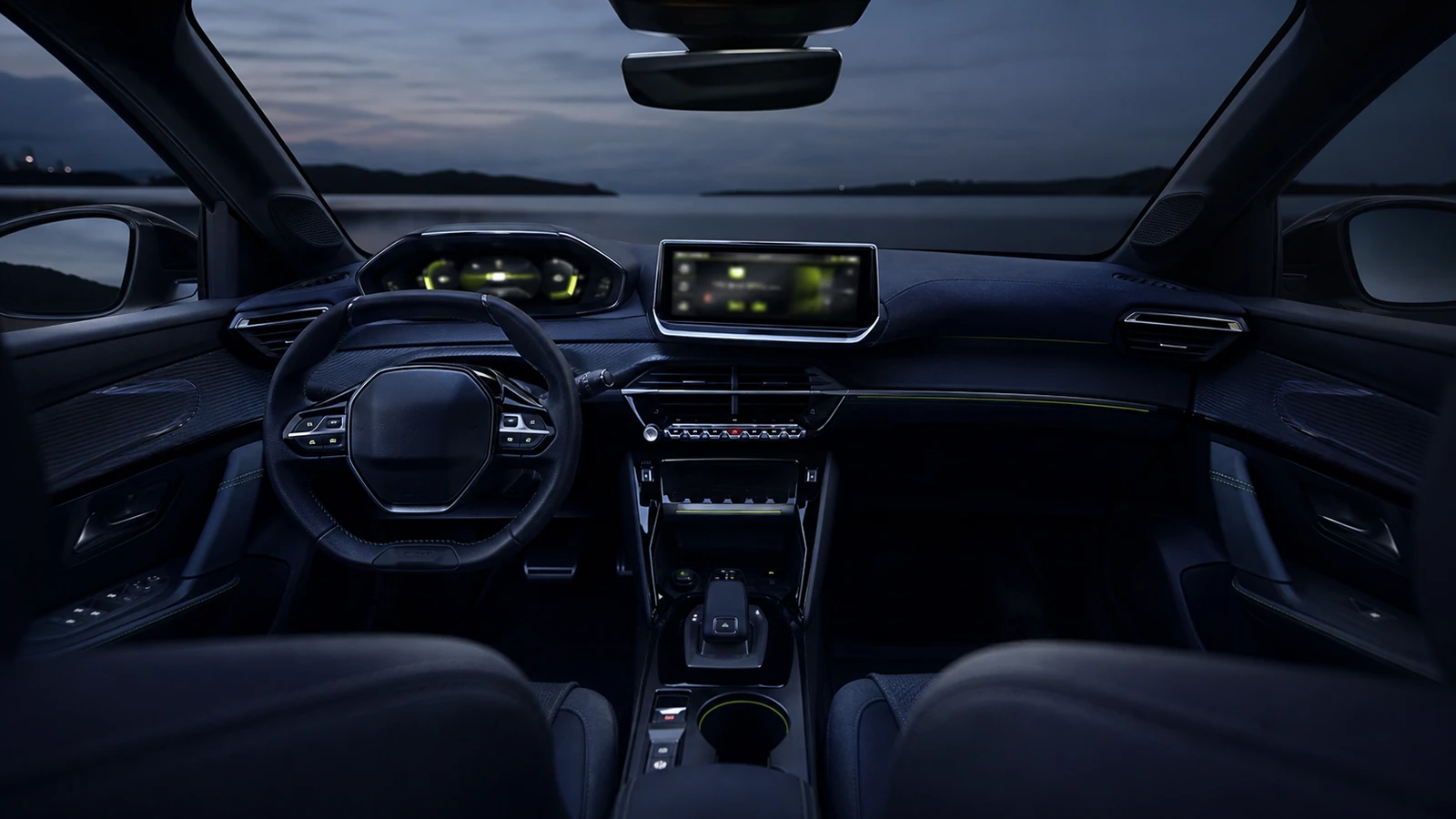
i-Cockpit signal
The proof sits in the physical handoff, not in decorative brand language.
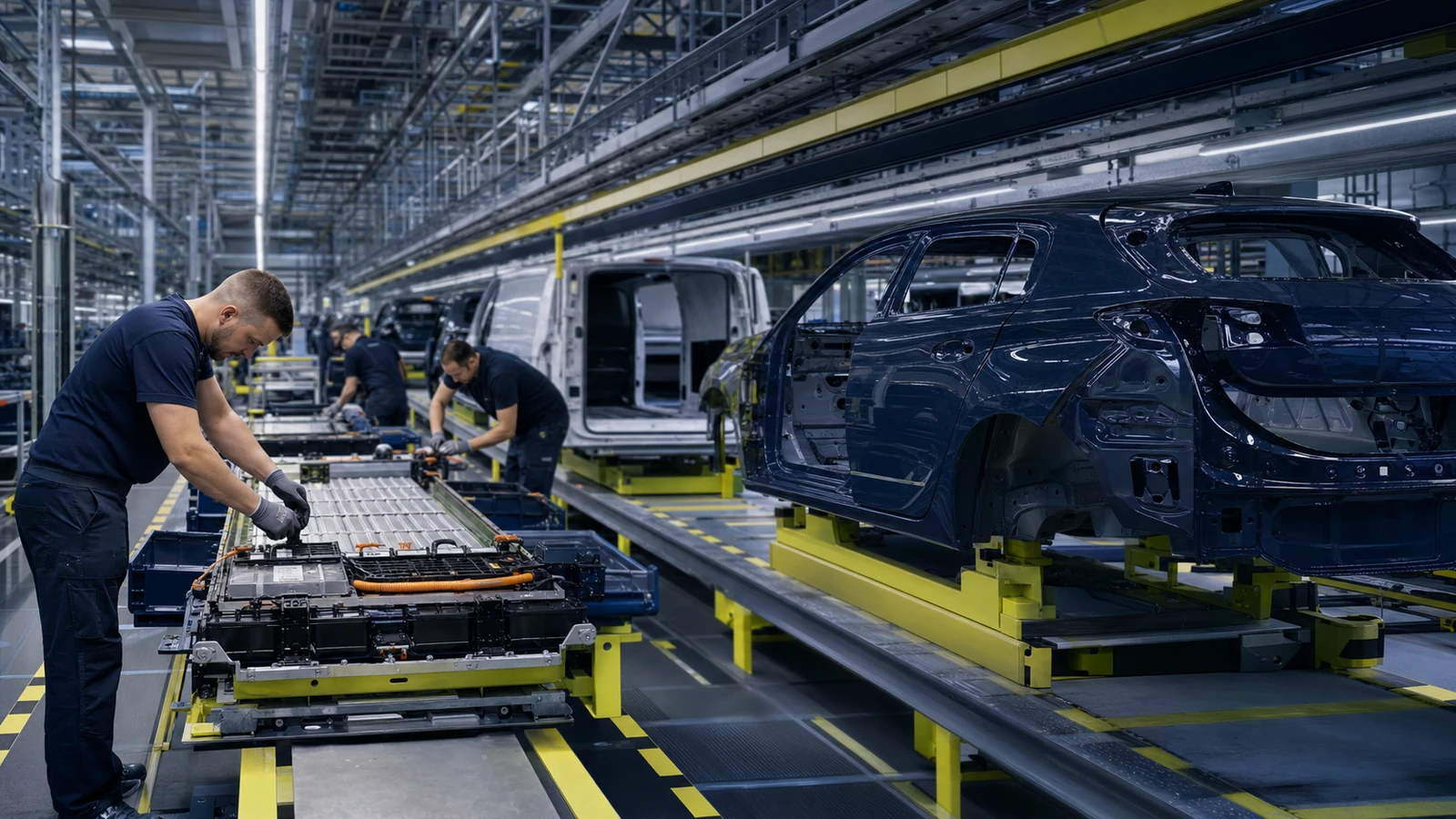
Flexible manufacturing
A distinct scene keeps the page specific to the way this brand actually works.
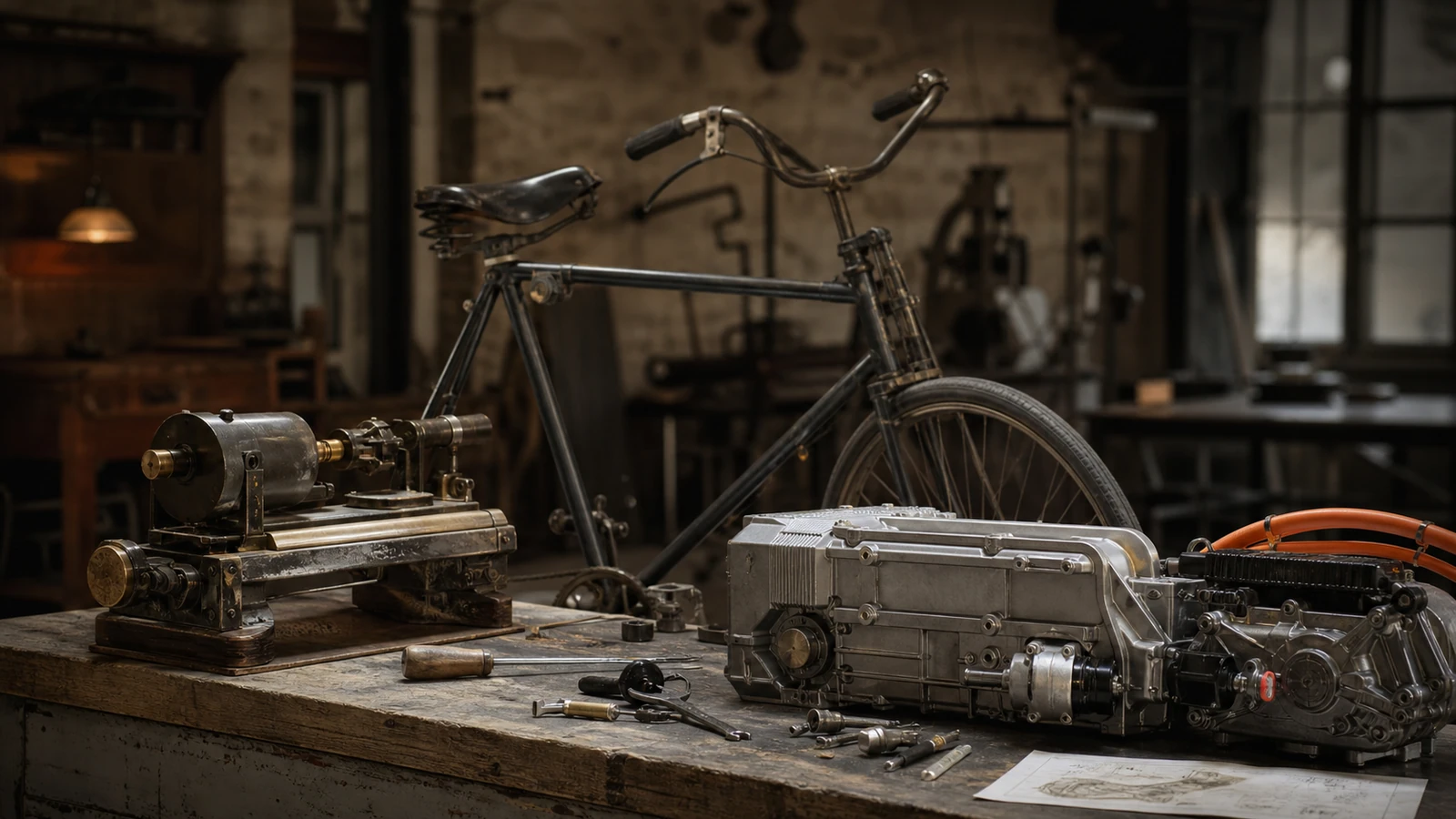
Industrial continuity
The brand signal becomes useful when it survives a real operating context.
Product and service system
The family business begins with material and manufacturing capability.
Strength and cutting quality become the recognition mechanism.
The brand moves from tools into personal mobility.
The lion enters powered mobility.
A modern vehicle-badge system refreshes the symbol.
The identity becomes bolder and more digital.
Turning points.
Six moments connect industrial skill, symbol evolution, product experience, and current electrification.
Manufacturing comes before the automobile.
The core recognition asset becomes durable.
The portfolio enters transport.
The family name becomes a vehicle brand.
Dimensional vehicle application leads the system.
Identity and product transition move together.
Public reaction.
Peugeot's current case is a product-system question: can heritage, design, and electrification reinforce one another under a large parent portfolio?
The 2021 shield made the lion larger and easier to deploy.
The shield revival is grounded in the 1960 system, not invented nostalgia.
Regional performance varies and parent economics cannot be assigned to Peugeot.
Cockpit, lighting, and electric range give the identity operating support.
Full timeline.
Industrial origin
Lion registered
Bicycle mobility
First automobile
Franche-Comte lion shield
Wire lion
Dimensional lion
New standing lion
Shield identity
Electric and hybrid investment
Steal / avoid.
- Keep the recognition mechanism, not every old detail.
- Let product experience reinforce the badge.
- Use heritage only where it explains current behavior.
- Separate parent finance from brand proof.
- Treating Stellantis revenue as Peugeot revenue.
- Using the lion as decoration without product cues.
- Collapsing bicycles, cars, and legal-company history into one date.
- Calling electrification complete because the logo changed.
Short answer.
Peugeot is a French automotive brand within Stellantis. Its lion identity began in the industrial era, moved through bicycles and cars, and returned to a shield in 2021. Current proof comes from vehicle design, i-Cockpit, electric models, commercial vehicles, and manufacturing investment; standalone Peugeot finance is not disclosed.
Frequently asked questions
Why does Peugeot use a lion?
Peugeot registered the lion in 1858 to signal qualities associated with its saw blades, including strength and cutting action.
Is Peugeot a public company?
Automobiles Peugeot is a Stellantis subsidiary; Stellantis is the listed parent.
Did Peugeot copy its 2021 logo from the past?
The 2021 shield deliberately reconnects with the 1960 lion-head shield while adapting the system for current physical and digital use.
Need help with your own brand?
Use Private brand work when your name, identity, proof, or message needs a sharper branding decision.
Sources.
The current 2021 lion-head shield is captured from Peugeot's first-party history article and centered on the fixed canvas without redrawing.
Use the education shelf for the concepts behind this brand page.
Private brand workIf your brand must make a complex promise legible across products and operating touchpoints, Private Brand Work can define the hierarchy, proof, and recognition system.
All brandsReturn to every brand page.