Puma · Grow Your Brand · High recognition / reset under pressure · Germany / Active / public company
Puma
Puma has to make speed feel desirable again. The leaping cat and Formstrip give Puma a fast read; FY2025 shows the harder job: cleaning up distribution, rebuilding desirability, and making product stories sharper.
Positioning, name, and architecture.
Three evidence checks before the page talks about scale, color, or public reaction.
A fast animal mark with real sport history, visible shoe details, football memory, running technology, Speedcat sportstyle heat, and a public reset aimed at better brand desirability.
Puma positions speed as a sport-and-style signal, but FY2025 shows the mark now has to prove desirability through cleaner product focus and cleaner distribution.
Puma's official history says Rudolf Dassler founded Schuhfabrik Rudolf Dassler in 1948 and later named the company PUMA Schuhfabrik Rudolf Dassler.
Forever Faster
branded house with related group brands
The Puma name leads the sportswear signal; Cobra Golf and stichd sit inside the wider group while Puma product categories carry the public mark.
The core footwear, apparel, football, running, training, basketball, motorsport, and sportstyle system.
Masterbrand: Puma source
Golf equipment extends the group beyond Puma-branded footwear and apparel.
Group brand: Cobra Golf source
Licensed fanwear, legwear, bodywear, and accessories add an adjacent operating lane.
Group company: stichd source
Football, running, training, basketball, motorsport, golf, and sportstyle organize the public Puma offer.
Product system: Football and running source
Naming and tagline progression
Puma becomes the company name after Rudolf Dassler's post-Dassler business split.
The Formstrip becomes a shoe-stability detail and a public product cue.
The leaping No. 1 Logo enters the identity system.
Forever Faster
Market and scale snapshot.
FY2025 shows the financial pressure behind Puma's reset, with reported results and a dated year-end market-capitalization observation.
FY2025 sales converted to USD using the exchange-rate observation recorded for this card.
FY2025 adjusted EBIT converted to USD; Puma also reported a larger consolidated net loss.
Puma's official year-end 2025 market capitalization converted from the company's reporting currency to USD at the observed 27 Jun 2026 exchange rate.
Puma Annual Report 2025 and Puma investor relations
Color system.
The verified Puma mark is black or white in official source surfaces. Red is used as a sharp speed accent, not as a full-page flood.
How the palette behaves
Black gives the leaping cat control and keeps the mark sharp on footwear, apparel, retail, and digital surfaces.
White creates the clean contrast Puma needs when the cat appears over black fields or product backgrounds.
Red adds speed and pressure, useful for a challenger sportswear brand, but it should stay controlled because the reset story is already loud.
Warm editorial ground keeps the page from becoming a fake sport ad while the official mark does the recognition work.
Recognition assets.
Memory pieces the brand can use before someone finishes a sentence.
The animal mark gives Puma a compact speed cue that can move across shoes, jerseys, stores, apps, and sponsor surfaces.
A shoe-stability detail became a side-view recognition asset, especially useful when the product is moving.
Puma's own report says the brand became too commercial. The fix has to show up in product, storytelling, and channels.
Scores.
Use these scores to compare recognition, trust, proof, pressure, and risk.
The cat mark, Formstrip, football, running, sportstyle, and Speedcat give Puma a fast public read.
Puma has real football, track, running, motorsport, basketball, and golf history, but the reset has to reconnect it.
NITRO running, football boots, Speedcat, Suede, and training products create evidence points.
The FY2025 report says muted brand heat, low distribution quality, and product range problems weakened the brand.
FY2025 sales declined and Puma posted a large net loss after one-time effects and reset costs.
PUMA SE, ticker, country, official report, and official logo source trail are clear.
DTC gained share, but wholesale remains the largest channel and carried much of the reset pressure.
The reset asks buyers, retailers, athletes, and investors to believe the brand can become sharper after a loss year.
How the logo changed.
Three sourced Puma identity stages show how the founding emblem became a compact global sports mark.
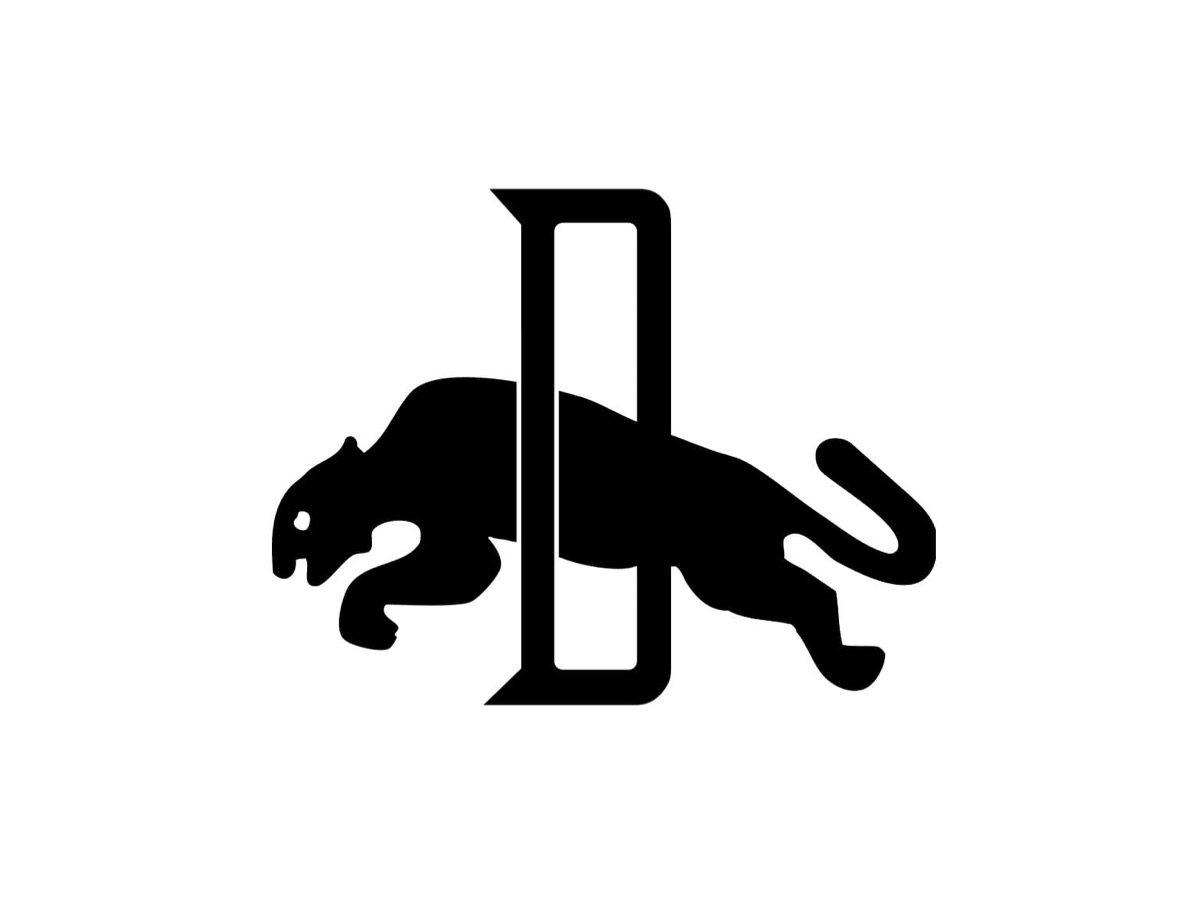
The first Puma emblem places the cat through Rudolf Dassler's initial before the name becomes the dominant public cue. source
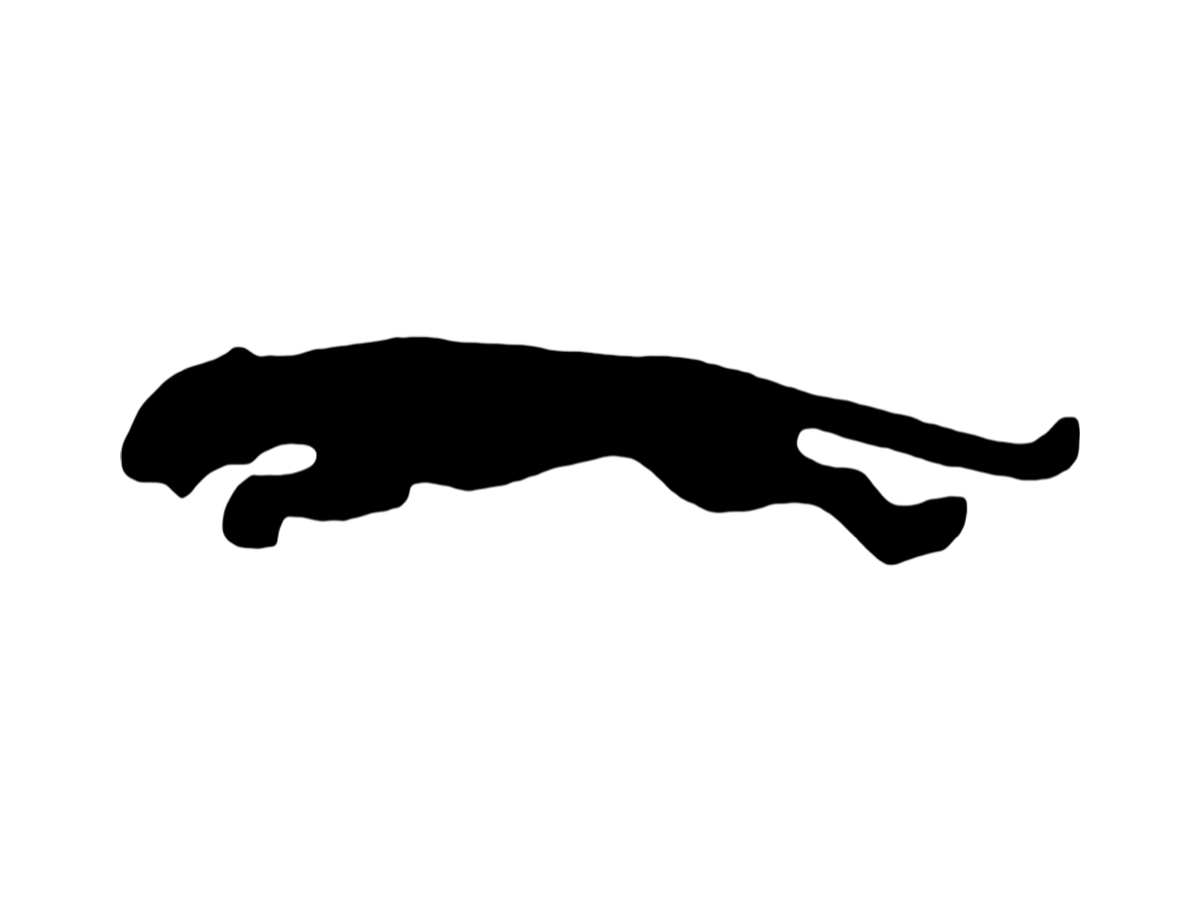
The refined standalone cat turns speed into a compact mark that can travel across footwear and apparel. source
The current cat keeps the fast silhouette as a standalone recognition mark across footwear, apparel, and sponsor surfaces.
Product and service lineage.
The asset at stake is desirability under pressure: Formstrip recognition, footwear proof, football and running credibility, sportstyle demand, wholesale discipline, and whether buyers stop waiting for discounts.
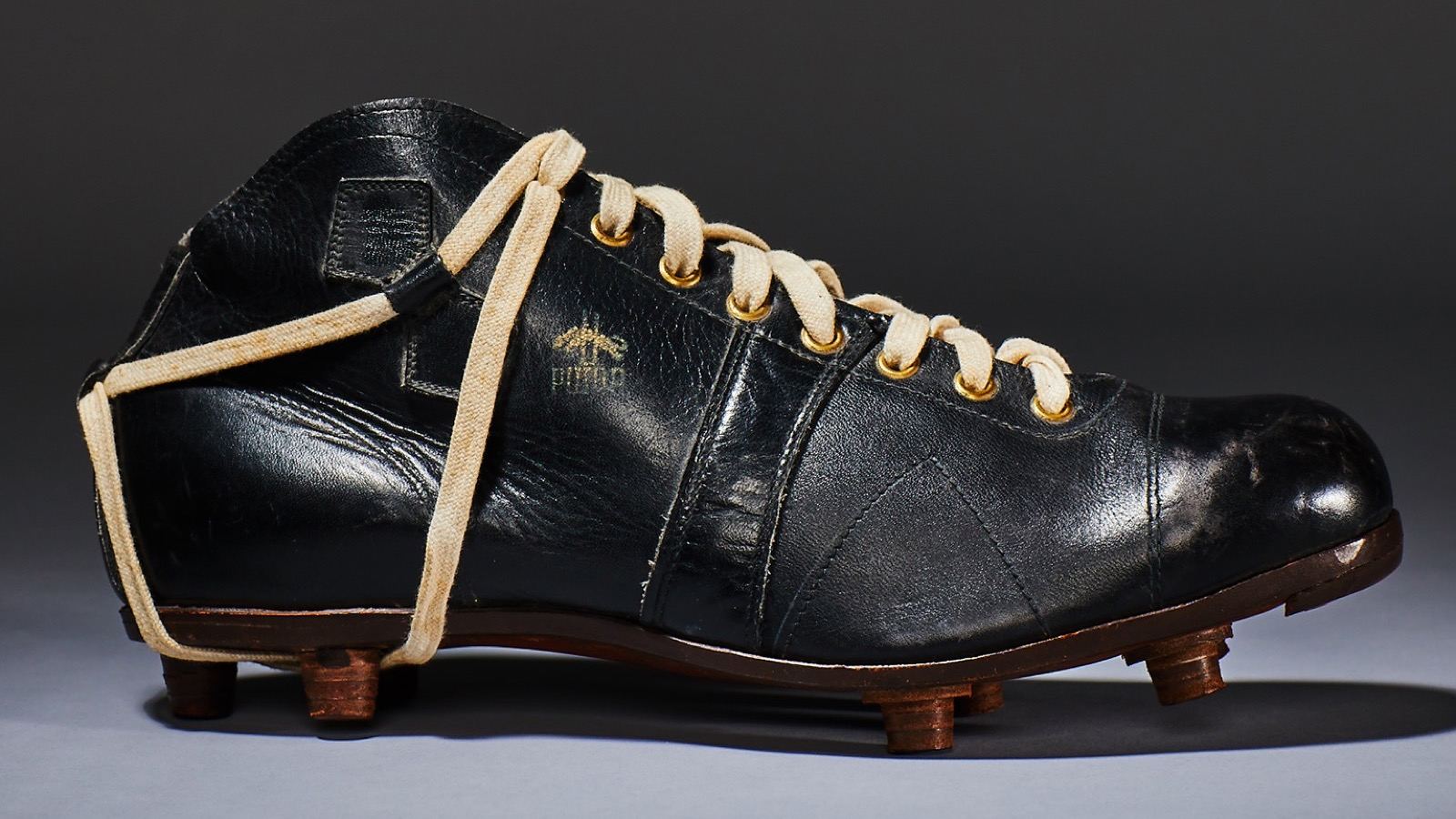
Atom starts the footwear proof
The early Atom boot anchors Puma's speed promise in a real product rather than an abstract attitude.
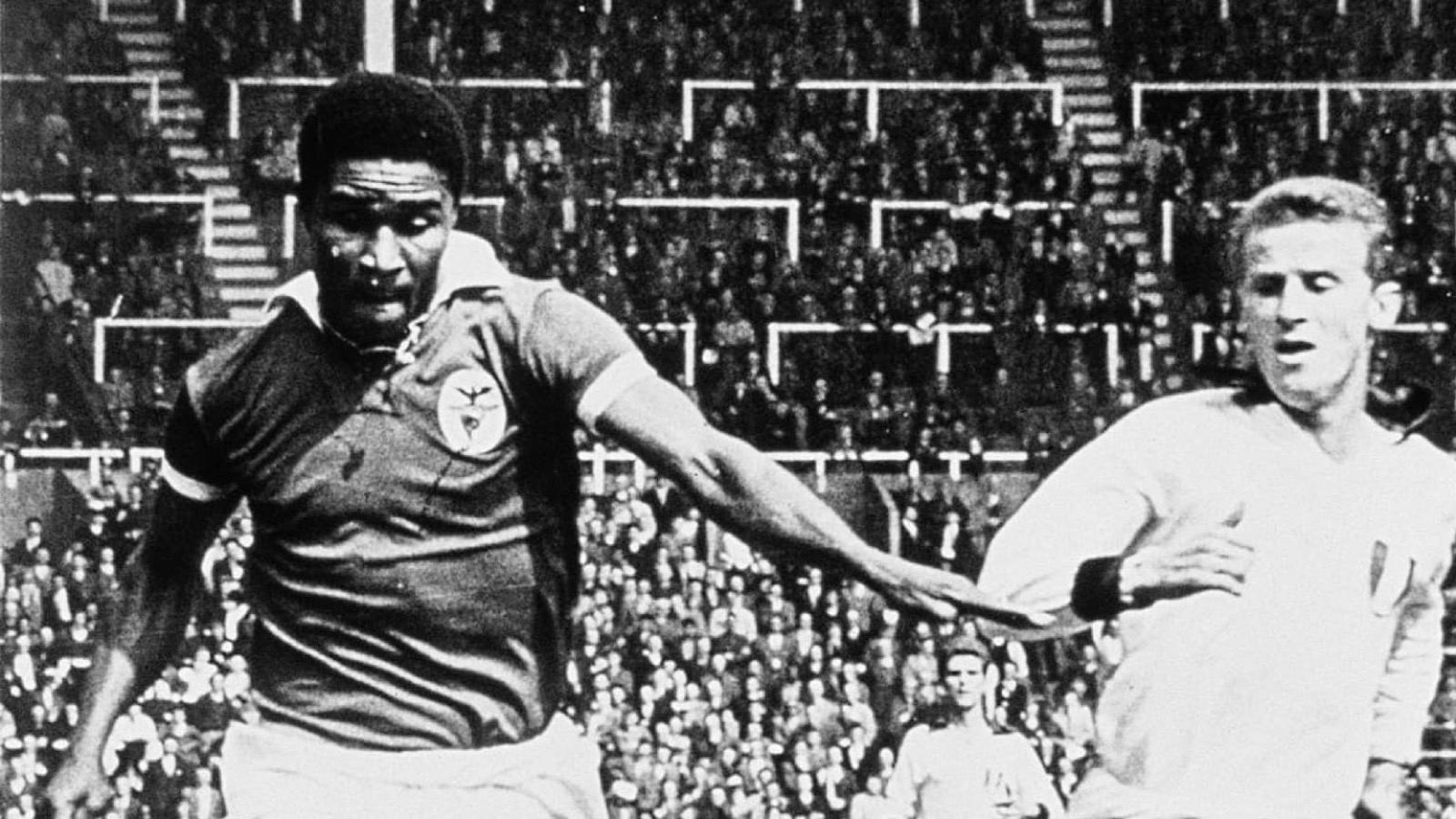
Football makes performance public
Eusebio's Puma-era football proof connects the brand to visible elite performance.
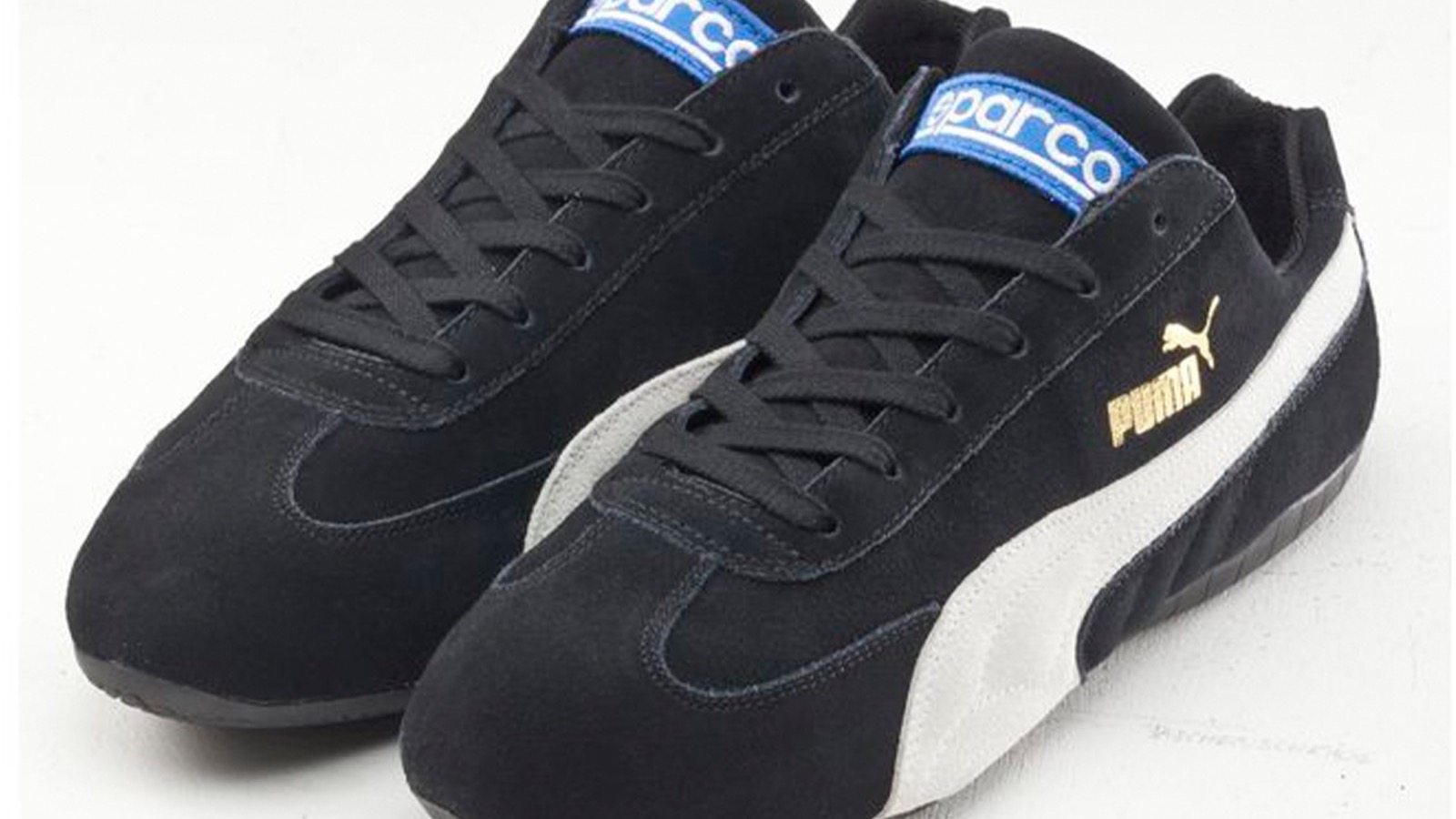
Speedcat moves from racing to style
The low-profile motorsport shoe turns technical racing origins into a recognizable sportstyle product.
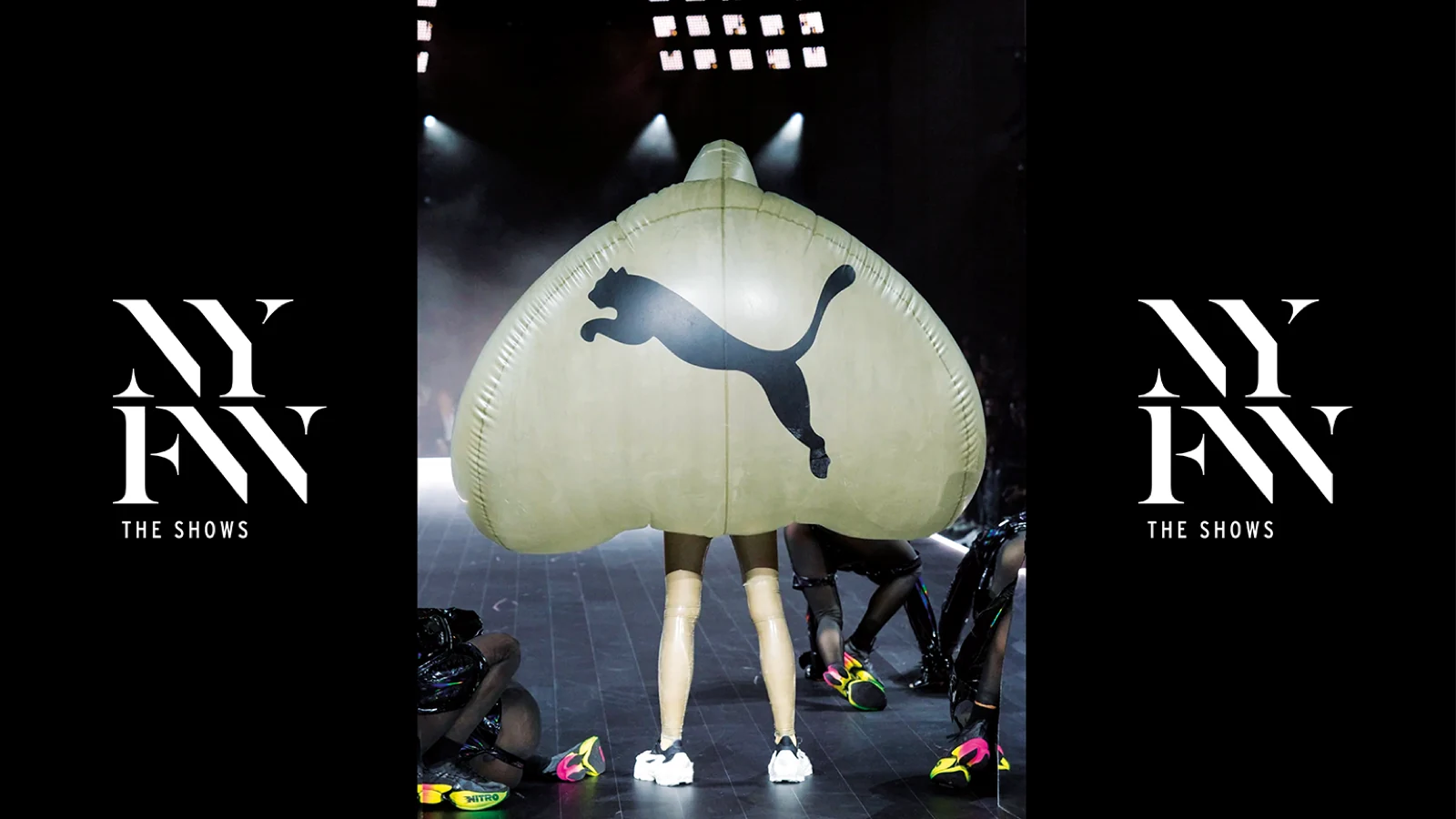
Sportstyle reaches the runway
Fashion presentation shows how Puma stretches sport recognition into culture without abandoning product cues.
Product and service system
Rudolf Dassler starts the company that becomes Puma.
Puma's official timeline says the Super Atom helped begin the company's football boot heritage.
The Formstrip is patented as a foot-stability detail and becomes a footwear recognition cue.
The leaping cat enters the word logo as the No. 1 Logo.
Puma KING and Puma Clyde help carry football and basketball memory into product recognition.
Puma develops Running System and the RS-Computer, tying speed to product experimentation.
Puma's annual report names NITRO running, Football, Training, and Sportstyle Prime & Select as focus areas.
Puma says it started a reset after the brand became too commercial and distribution quality weakened.
Turning points.
Turning points only: logo recognition, product proof, sportstyle heat, wholesale pressure, net loss, and the 2025 reset.
The side stripe started as a stability detail and became a brand asset visible on shoes in motion.
Speedcat and Suede help Puma avoid becoming a generic lifestyle shelf because they are tied to recognizable shoe shapes.
Puma says reset measures reduced sales with large-scale retailers and addressed inventory and discount pressure.
The FY2025 card has to include negative EBIT and net loss because the reset is part of what the market now sees.
Public reaction.
No invented sentiment count. This card reads public pressure through product desirability, sport proof, discount exposure, share-price decline, and whether the reset makes Puma feel sharper.
Puma has a mark people can read quickly and product surfaces where speed can become real: boots, running shoes, jerseys, training gear, and sportstyle shoes.
The 2025 reset is a warning: broad commercial distribution can teach the market to see a fast brand as cheap before it sees it as desirable.
Full timeline.
Rudolf Dassler founds the company that becomes Puma.
The Formstrip is patented and becomes a footwear recognition asset.
The leaping cat enters the Puma identity as the No. 1 Logo.
Puma KING and Puma Clyde help connect football, basketball, athlete use, and product memory.
Puma develops Running System and the RS-Computer.
Puma starts a reset after saying the brand became too commercial and distribution quality weakened.
Puma reports USD 8.31 billion in sales, USD -406.92 million EBIT, and USD -735.34 million consolidated net income after USD conversion.
Puma describes 2026 as a transition year and says the reset aims to return the company to growth from 2027 onward.
Steal / avoid.
- Make the mark fast enough to work before copy explains it.
- Turn product details, like the Formstrip, into recognition assets customers see in motion.
- Use heritage products only when their shape, use, and category still make sense to current buyers.
- Name the reset honestly when the market already knows the problem.
- Do not let discount channels teach buyers that the brand is worth less than the mark suggests.
- Do not make speed language louder than product proof.
- Do not stretch sportstyle so far that football, running, training, and performance credibility disappear.
- Do not hide a loss year when the reset itself is the lesson.
Short answer.
Puma's signal is the leaping cat plus product cues like the Formstrip, football boots, running tech, Speedcat, Suede, and sportstyle. FY2025 makes the lesson sharper: a famous mark loses heat when discounting, inventory, and weak focus teach buyers to wait.
Frequently asked questions
What is Puma's core brand signal?
Puma's signal is the leaping cat plus product cues like the Formstrip, football boots, running tech, Speedcat, Suede, and sportstyle. FY2025 makes the lesson sharper: a famous mark loses heat when discounting, inventory, and weak focus teach buyers to wait.
Why does the Puma card mention the FY2025 loss?
Because the FY2025 reset and loss are now part of the brand read. Puma's own annual report says the brand became too commercial and needed a reset.
What should another brand steal from Puma?
Build a mark that moves quickly, then attach it to product details and real use cases customers can recognize.
Need help with your own brand?
Use Private brand work when your name, identity, proof, or message needs a sharper branding decision.
Sources.
Use the education shelf for the concepts behind this brand page.
Private brand workUse this when the decision belongs to your own brand.
All brandsReturn to every brand page.
- Puma Annual Report 2025, main report
- Puma Annual Report 2025, Strategic priorities
- Puma Annual Report 2025, Sales development
- Puma Annual Report 2025, Results of operations
- Puma Annual Report 2025, Product development and design
- Puma Annual Report 2025, Puma group development
- Puma company overview
- Puma official timeline
- Puma official sports overview
- Puma official annual-report logo SVG
- ExchangeRate-API conversion feed
