Revlon · Grow Your Brand · Revlon failure case study · United States / Revlon emerged from Chapter 11 in May 2023 as a private lender-owned group and continues selling in more than 100 countries
Revlon
Revlon began with nail polish. Its products continued after bankruptcy. The brand dates to a pigmented nail polish developed in 1932. Lipstick, Super Lustrous and ColorStay followed in separate chapters. The 2023 reorganization changed the company’s ownership while the consumer brand remained on sale.
Positioning, name, and architecture.
Revlon built mass beauty fame by making color, glamour, and professional-looking results available through ordinary retail. That promise still moved product in 2022, but debt and working-capital strain made it harder to pay vendors, fill orders, and fund the speed expected in beauty.
Nine decades of color authority and celebrity-scale fame carried through mass retail
Revlon makes expressive beauty feel famous and attainable, but the rebuilt company must turn heritage into faster innovation, reliable supply, and retail relevance.
Charles and Joseph Revson joined their surname with chemist Charles Lachman's initial to form Revlon in 1932.
Be Unforgettable
Consumer masterbrand inside a private multi-brand beauty group
Revlon, Revlon Professional, Elizabeth Arden, Almay, Mitchum, CND, Cutex, and the holding company are related but not interchangeable identities.
Carries the brand's most visible color and shine cues.
lip color franchise: Super Lustrous Lipstick and Glass Shine Balm source
Turns durability into a repeatable proof across face, lip, and eye products.
long-wear franchise: ColorStay foundation source
Connects camera-ready finish to current creator and social behavior.
complexion franchise: PhotoReady Face source
Extends accessible color authority from cosmetics into at-home hair color.
hair color franchise: ColorSilk Beautiful Color source
Naming and tagline progression
Fire and Ice makes product drama into a cultural event
The Most Unforgettable Women in the World turns celebrity into memory
Be Unforgettable revives the equity through a newstalgia frame
Market and scale snapshot.
Revlon is private after emergence, so current audited revenue and earnings are not public. The last audited group results and the confirmed emergence balance show a selling brand inside a failed capital structure.
The consumer segment grew from USD 731M in 2021; consolidated group net sales were USD 1.980B.
The consolidated loss included USD 416M of reorganization-related expense; Revlon segment profit was USD 89M.
The reorganized group retained about USD 1.5B of debt and reported about USD 236M of liquidity on May 2, 2023.
Old NYSE and OTC equity was canceled; former lenders received a majority of the reorganized equity.
Color system.
Black gives the wordmark authority while lacquer red carries color, appetite, and beauty memory. Soft skin and neutral fields keep the product shades from becoming visual noise.
How the palette behaves
Lacquer red: confidence and beauty memory. Lip color, campaign accents, and long-running glamour codes.
Black: authority and contrast. Current wordmark and core packaging.
Rose neutral: human warmth and shade context. Complexion, lip, and campaign photography.
Recognition assets.
The joined L and O wordmark, vivid lip and nail color, black packaging, shade walls, celebrity faces, and the Unforgettable Women memory system keep Revlon legible across generations.
The connected L and O make an otherwise simple wordmark proprietary at a glance.
Shade, finish, and packaging are the immediate proof behind the masterbrand.
Celebrity and glamour gave product launches a repeatable cultural frame.
Scores.
Recognition and name survival remain high. Financial resilience and retail execution carry the penalty because a famous beauty brand cannot win if supply and innovation fail at the shelf.
The name and joined-letter wordmark retain broad mass-beauty memory.
Product familiarity helps, while the reset still has to prove availability and innovation.
A wide mass portfolio and uneven retail execution can blur the current reason to choose.
Lender ownership, lower debt, current campaign activity, and live distribution create room for a real reset.
The consumer brand kept generating sales and segment profit before the filing; the failure came from the parent capital structure and the working-capital system required to convert demand into stocked product.
Revlon is private after emergence, so current audited revenue and earnings are not public. The last audited group results and the confirmed emergence balance show a selling brand inside a failed capital structure.
Public parent completed Chapter 11 and emerged private; consumer masterbrand continued
Revlon Consumer Products LLC operates inside private Revlon Group Holdings LLC; no public ticker remains
How the logo changed.
Revlon moved from a handwritten beauty signature to a dramatic fashion serif, then simplified into the joined-letter sans-serif mark that now carries the comeback.
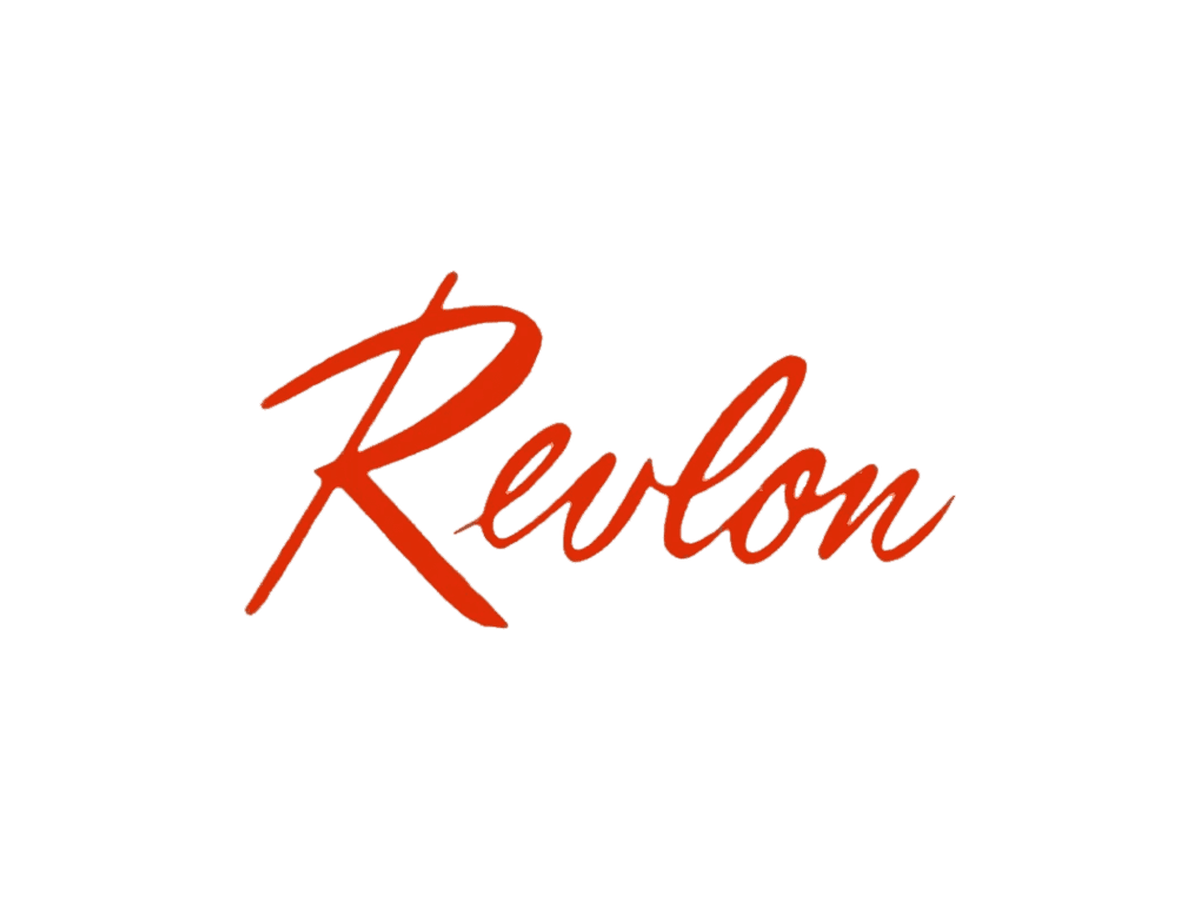
The historic signature makes beauty feel personal and authored. source
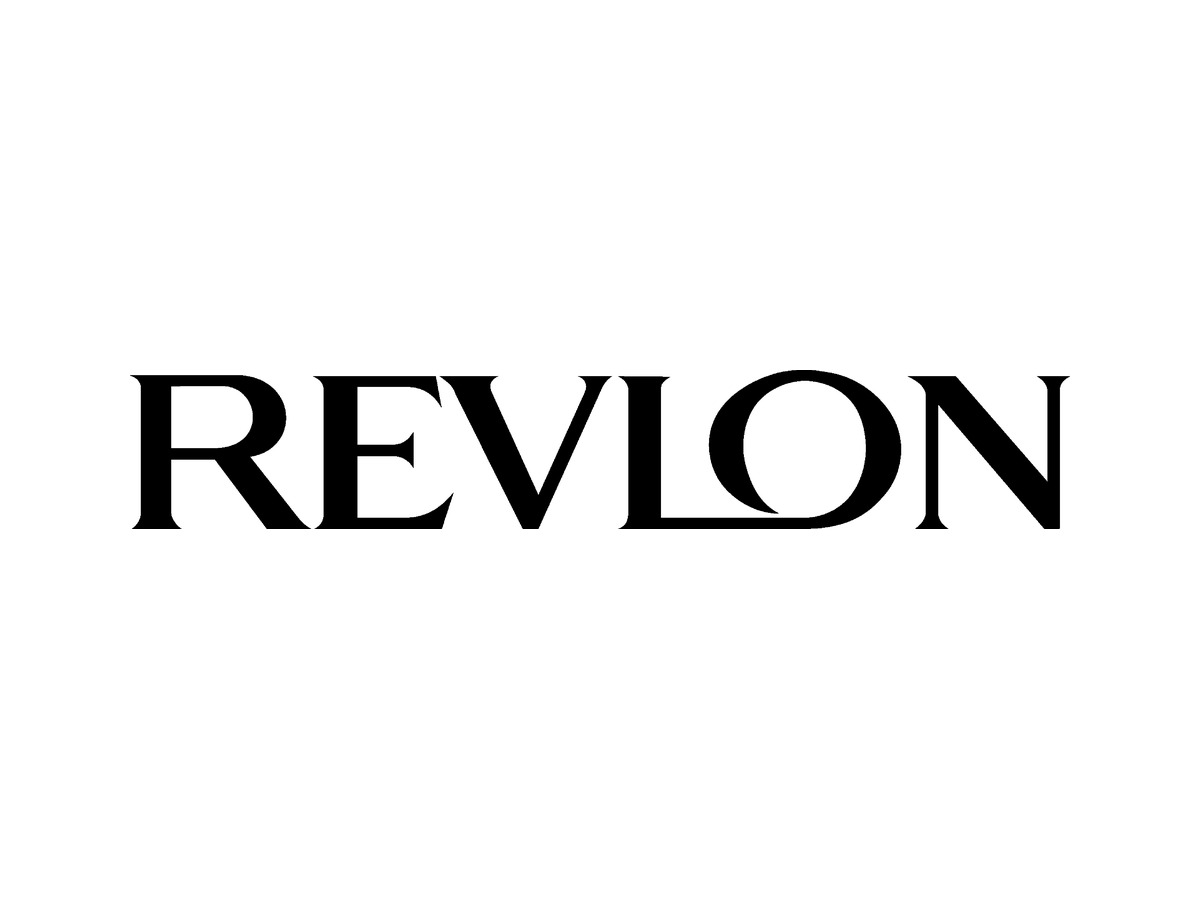
The high-contrast serif treatment turns the name into a stronger fashion and prestige signal. source
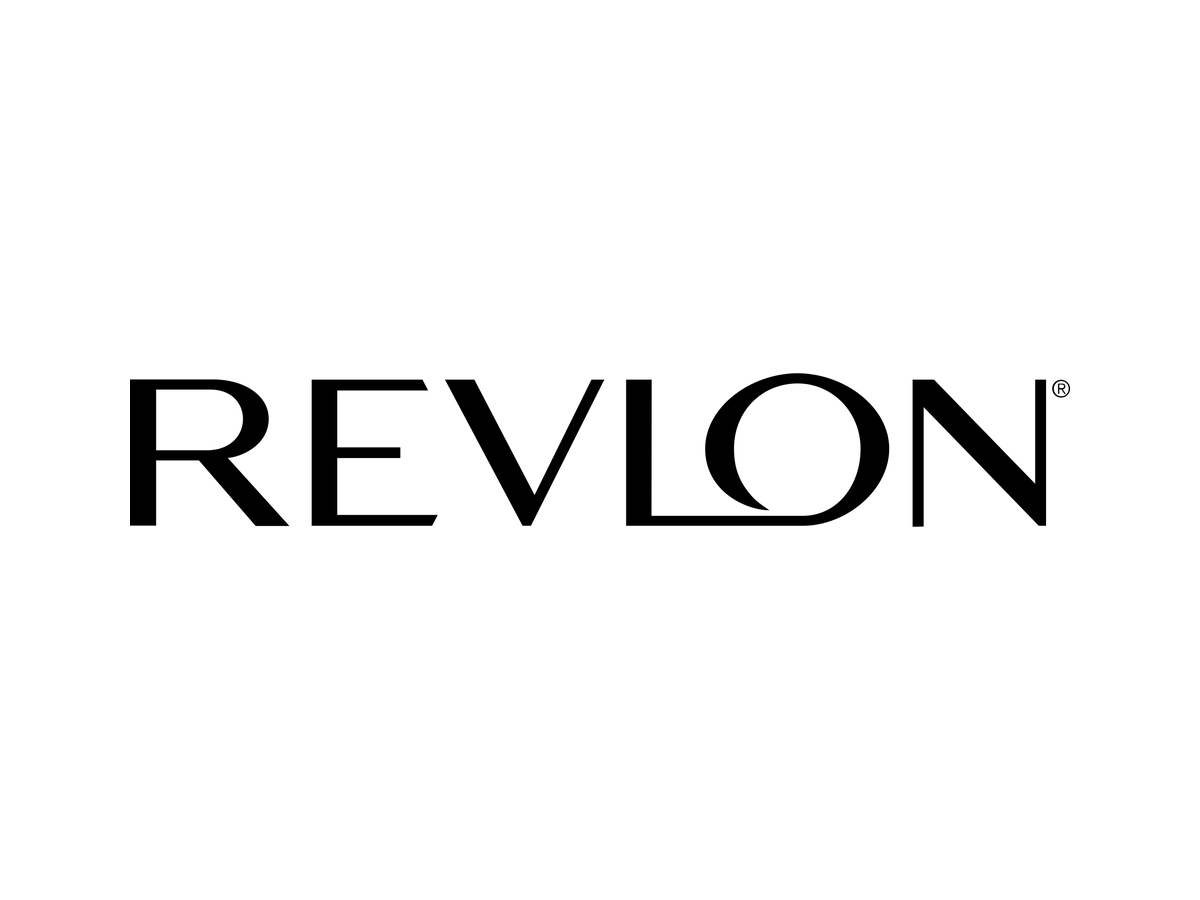
The current sans-serif mark keeps the distinctive joined L and O while becoming cleaner across packaging and digital surfaces. source
Product and service lineage.
Revlon grew from opaque nail enamel into lip color, complexion, eye products, hair color, fragrance, and acquired beauty brands. The portfolio increased reach, but debt and complexity reduced room to keep every retail promise current.
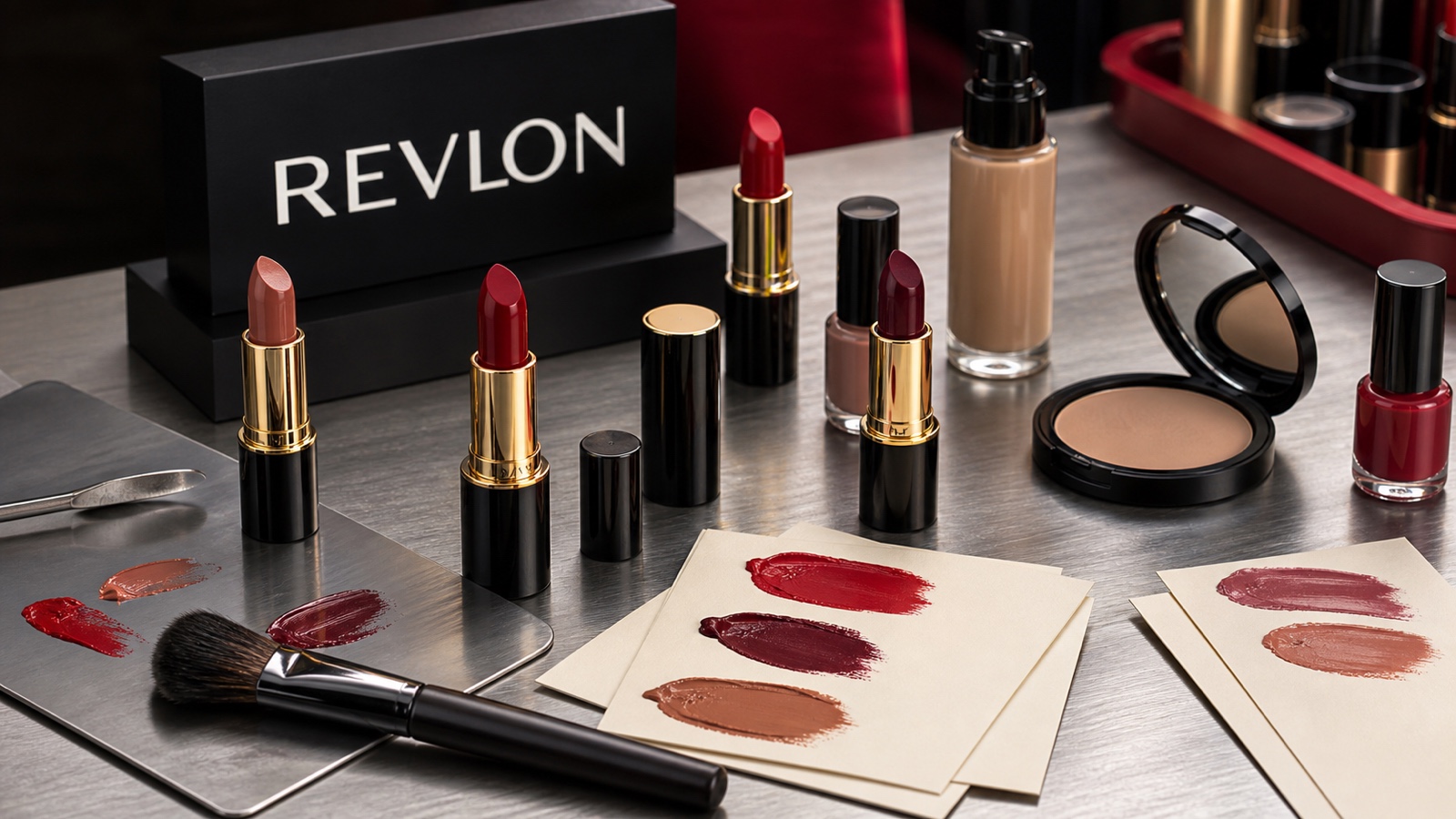
Color is the operating proof
Fame only matters when formula, finish, shade range, and stock give the buyer a current reason to choose.
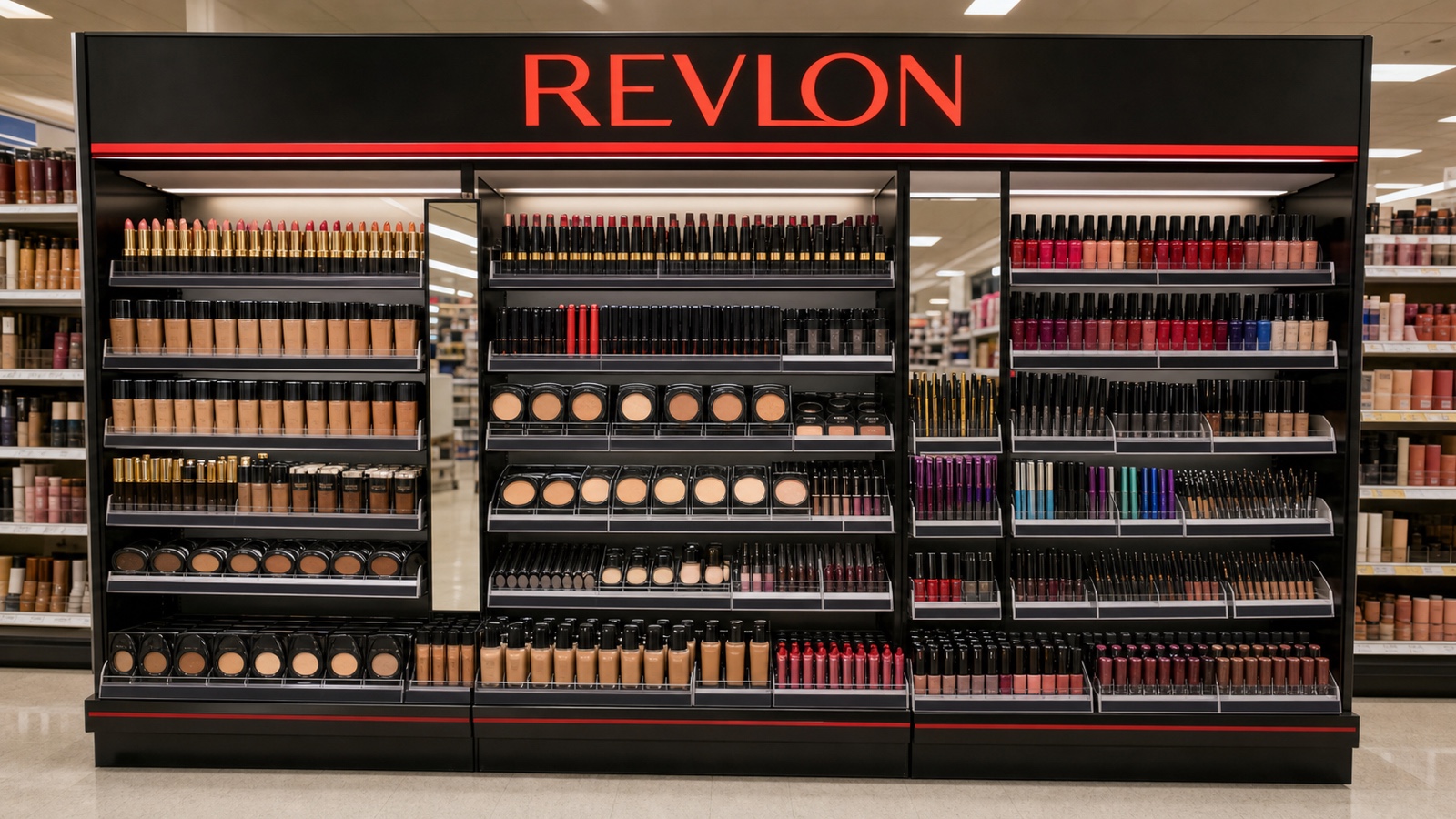
The shelf is the balance sheet made visible
Vendor liquidity and supply decisions become empty hooks or available shades at the buyer's moment of truth.
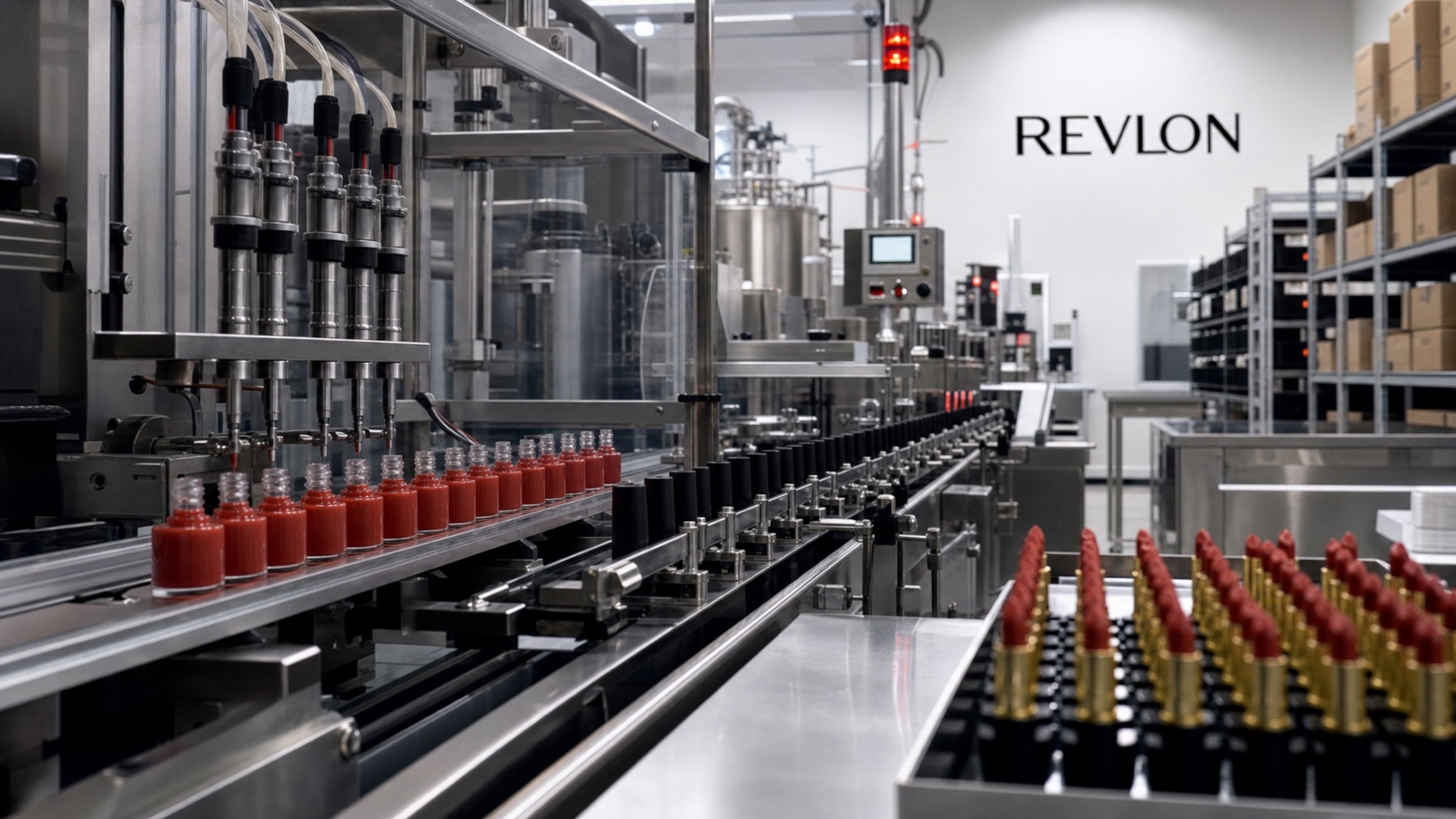
Innovation needs working capital
Fast beauty cycles require ingredients, tooling, quality control, packaging, and launch inventory before a campaign can earn demand.
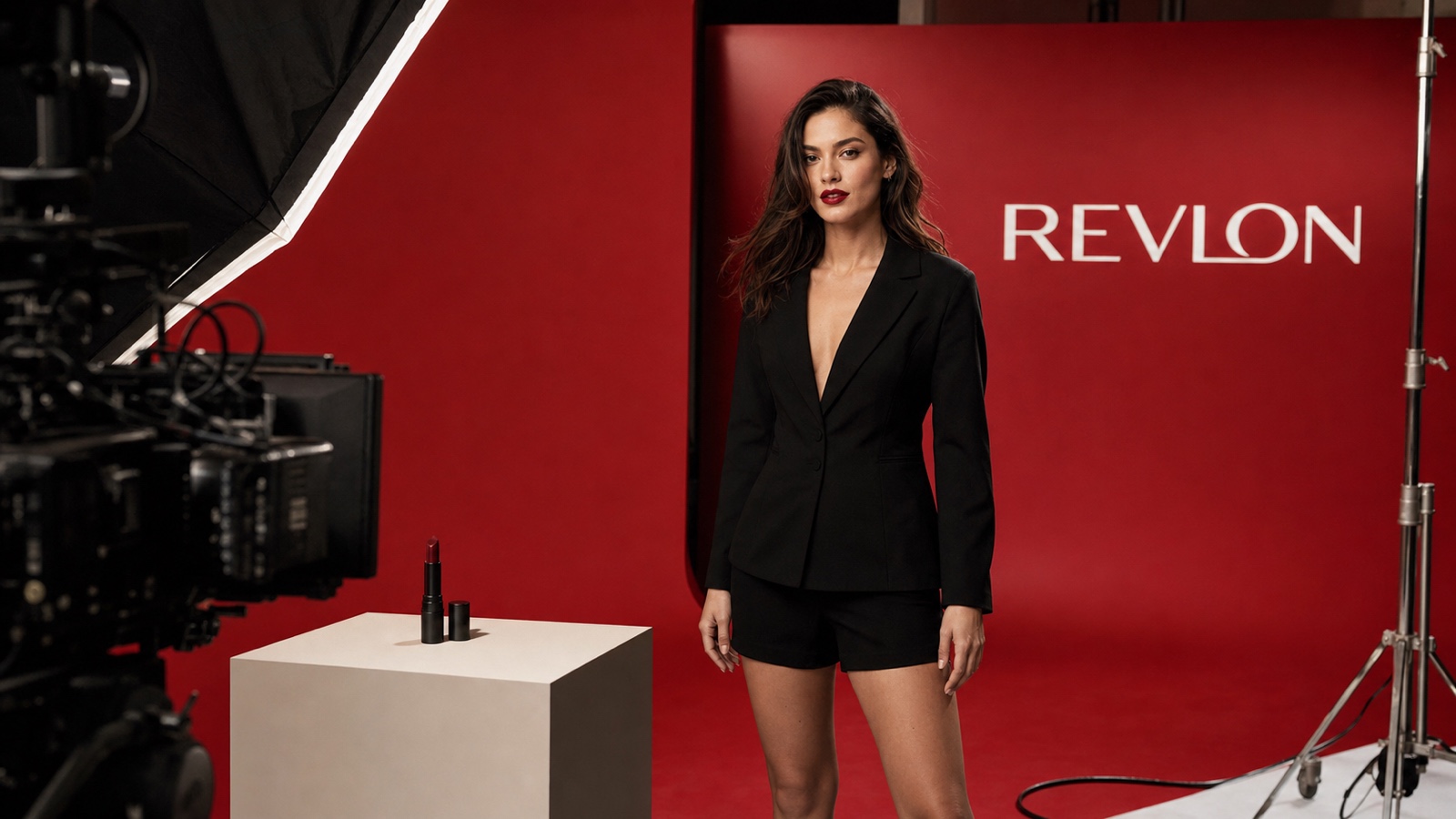
Newstalgia has to lead to new behavior
The current reset works only if revived fame makes new products easier to notice, try, find, and repurchase.
Product and service system
Opaque coordinated color establishes the original product difference.
Celebrity campaigns turn shade and finish into mass cultural desire.
The name extends into repeat household routines.
Lower debt and renewed product investment must restore availability and speed.
Turning points.
A leveraged beauty group met pandemic disruption, supplier constraints, inflation, and a faster innovation cycle with too little liquidity. Chapter 11 reduced debt, but private ownership did not automatically repair relevance.
Why it failed
Revlon still had consumer demand, but its leveraged parent lacked enough working capital to buy components, manufacture inventory, and keep retailer shelves supplied.
The 2016 Elizabeth Arden acquisition was funded through new term-loan, ABL, and note facilities while refinancing more than USD 570 million of Arden obligations. In 2020 Revlon added about USD 1.88 billion of BrandCo financing, contributing to roughly USD 3.54 billion of debt when the supply shock arrived.
Raw-material shortages reduced inventory, revenue, and the ABL borrowing base. Vendors pulled trade credit or demanded cash in advance, retailers imposed delivery fines, and Revlon faced dwindling liquidity and interest payments. Chapter 11 supplied USD 575 million of emergency financing.
Failure timeline
Revlon acquires Elizabeth Arden for about USD 1.03B in cash and enters a USD 1.8B term loan facility.
Revlon and certain subsidiaries file Chapter 11.
The group emerges private after eliminating more than USD 2.7B of debt.
Be Unforgettable relaunches a famous campaign equity around new products and newstalgia.
Public reaction.
The bankruptcy headline suggested a beauty name had died. The FY2022 segment result showed that people were still buying Revlon. Both facts matter because a brand can survive demand while its financing system fails.
The consolidated group entered court with restricted liquidity, large debt facilities, and reorganization expense.
Revlon segment sales and profit grew in 2022, showing demand survived the capital failure.
Full timeline.
Charles Revson, Joseph Revson, and Charles Lachman found Revlon. Source
The historic script mark enters documented commercial use. Source
A sharp all-caps serif identity replaces the script. Source
The masterbrand shifts to the current lighter sans-serif joined-letter wordmark. Source
Revlon, Inc. and certain subsidiaries file Chapter 11 on June 15. Source
The plan becomes effective May 2 and the group emerges private. Source
Be Unforgettable revives the brand's famous campaign memory. Source
Steal / avoid.
- Separate consumer demand from the capital structure that funds delivery.
- Treat shelf availability as a brand promise, not an operations footnote.
- Use heritage to accelerate a current product idea rather than to avoid innovation.
- Keep corporate, portfolio, professional, and consumer identities distinct.
- Saying Revlon went out of business.
- Using the USD 674M consolidated net loss as a result for the consumer Revlon segment.
- Naming one former lender as sole owner.
- Calling a nostalgia campaign a turnaround before retail and financial proof arrives.
Short answer.
Revlon began in 1932 with pigment-based nail polish and expanded into lipstick in 1939. Its consumer products continued through bankruptcy: the group emerged private in May 2023 after eliminating more than USD 2.7 billion of debt. The old public shares were canceled.
Frequently asked questions
Did Revlon go out of business?
No. The old public company reorganized and emerged private while the consumer Revlon brand continued selling.
What was Revlon’s first product?
Revlon began in 1932 with opaque nail polish formulated with pigments. Charles Revson, Joseph Revson and Charles Lachman developed the product and introduced new colors with seasonal fashion. A company history filed with the SEC dates its expansion into lipstick to 1939.
When did Revlon launch Super Lustrous and ColorStay?
Revlon’s company history dates Super Lustrous to 1961 and ColorStay to 1991. It describes ColorStay’s origin in long-wearing lip color. These are product families within Revlon, which helps separate a question about a particular discontinued shade from the survival of the entire brand.
When did Revlon file Chapter 11?
Revlon, Inc. and certain subsidiaries filed voluntary petitions on June 15, 2022.
When did Revlon emerge?
The confirmed plan became effective on May 2, 2023.
How much debt did Revlon eliminate?
The reorganized group said it eliminated more than USD 2.7 billion and retained about USD 1.5 billion of debt at emergence.
Who owns Revlon now?
Revlon Group Holdings LLC is private. Former lenders, including several investment firms and their affiliates, received a majority of the reorganized equity.
Is Revlon publicly traded?
No. Old public equity was canceled during the 2023 emergence and the reorganized group is private.
Need help with your own brand?
Use Private brand work when your name, identity, proof, or message needs a sharper branding decision.
Sources.
Use the education shelf for the concepts behind this brand page.
Private brand workUse this when the decision belongs to your own brand.
All brandsReturn to every brand page.
- Revlon FY2022 Form 10-K
- Revlon Chapter 11 announcement
- Revlon Third Amended Joint Plan
- Revlon May 2023 effective-date SEC filing
- Revlon emergence announcement
- Revlon 2026 Be Unforgettable release
- Revlon official history
- USPTO 1953-use Revlon mark
- USPTO 2003 Revlon mark
- Revlon first-day declaration
- Revlon official source