The Body Shop · Grow Your Brand · The Body Shop failure case study · United States / The former U.S. operator ceased operations and entered Chapter 7 liquidation in 2024; U.S. ecommerce is active again through Cart.com while the global brand continues under Auréa-led ownership
The Body Shop
Is The Body Shop still in business in the United States? The former U.S. operator closed its stores and filed Chapter 7 in March 2024. The global brand survived, and Cart.com now operates the U.S. online storefront.
Positioning, name, and architecture.
The Body Shop built recognition through a direct category name, green pod identity, refill behavior, body butter, ingredient stories, and ethical-business activism. The 2024 U.S. failure belongs to a cash- and product-dependent regional operator, not to the global identity.
A long-running ethical beauty identity built from product ritual, refill behavior, ingredient stories, and a distinct green pod
The Body Shop joins body-care ritual to ethical meaning, but each market and operator must prove that mission through product, availability, service, and commercial durability.
Anita Roddick opened The Body Shop in Brighton in 1976, using a direct category name that made the shop itself the brand.
We are the changemaking beauty brand.
Global private masterbrand with country operators, ecommerce partners, trademarks, and product ranges
The Body Shop International Limited, The Body Shop Brand Limited, Cart.com, former U.S. debtor Buth-Na-Bodhaige Inc., country businesses, stores, and ecommerce channels are separate roles.
Body butter, shower, and moisturization build the tactile ritual.
product range: Body Butter source
Ingredient-led routines extend trust beyond body care.
product range: Tea Tree and facial care source
Cart.com now carries the customer contract after the old U.S. store operator failed.
regional channel: us.thebodyshop.com source
Naming and tagline progression
The Body Shop names the retail category directly
Trade not aid and activism expand the meaning
We are the changemaking beauty brand
Market and scale snapshot.
The current global group and U.S. ecommerce operator are private. Current U.S. revenue, earnings, and the 2024 Auréa acquisition price are not publicly disclosed, so the page keeps unavailable fields visible instead of borrowing Natura or Canadian figures.
Cart.com's current U.S. ecommerce revenue for The Body Shop is not publicly reported.
No current audited U.S. profit or loss figure was found for the private operation.
FRP confirms the global sale to an Auréa-led consortium without publishing consideration.
Auréa-led ownership applies globally; Cart.com operates current U.S. sales. They are separate roles.
Color system.
Deep green turns nature, ethics, and retail memory into one signal; lighter botanical tones and kraft material support refill and product ritual without becoming generic wellness decoration.
How the palette behaves
Pod green: ethical beauty recognition. Current pod symbol and ecommerce packaging.
Botanical green: ingredient and nature association. Product and store system.
Kraft neutral: refill and practical sustainability. Current online fulfillment.
Recognition assets.
The green pod, full-name roundel, product tubs, dark-green shops, refill behavior, ingredient-led ranges, and activist heritage create a system stronger than any one operator.
The circular leaf-like device makes the retailer recognizable beyond a storefront.
Texture, tub, scent, and routine make the brand tactile rather than abstract.
A physical action is stronger proof than an ethical slogan.
Scores.
Global recognition and product memory remain strong. The 2024 U.S. store shutdown shows how easily mission memory can outrun regional retail economics.
The green pod and product rituals remain highly legible.
Heritage is strong, but each new owner and operator has to re-earn it.
Body Butter, ingredient stories, and refill behavior keep the proposition tangible.
The current U.S. ecommerce operator is identifiable, but the global and regional roles still require explanation.
The old U.S. operating company ceased operations and entered Chapter 7; the global masterbrand and current U.S. online channel continue under different entities.
The current global group and U.S. ecommerce operator are private. Current U.S. revenue, earnings, and the 2024 Auréa acquisition price are not publicly disclosed, so the page keeps unavailable fields visible instead of borrowing Natura or Canadian figures.
Former U.S. operator ceased operations and filed Chapter 7; the global masterbrand and new U.S. ecommerce operation continue
Cart.com, Inc. dba The Body Shop US operates current U.S. sales; The Body Shop International Limited and The Body Shop Brand Limited retain the global content and trademark roles under Auréa-led ownership
How the logo changed.
The identity moved from a serif-filled heritage pod to a tighter modern roundel and then to a simplified current symbol designed for smaller digital and packaging surfaces.
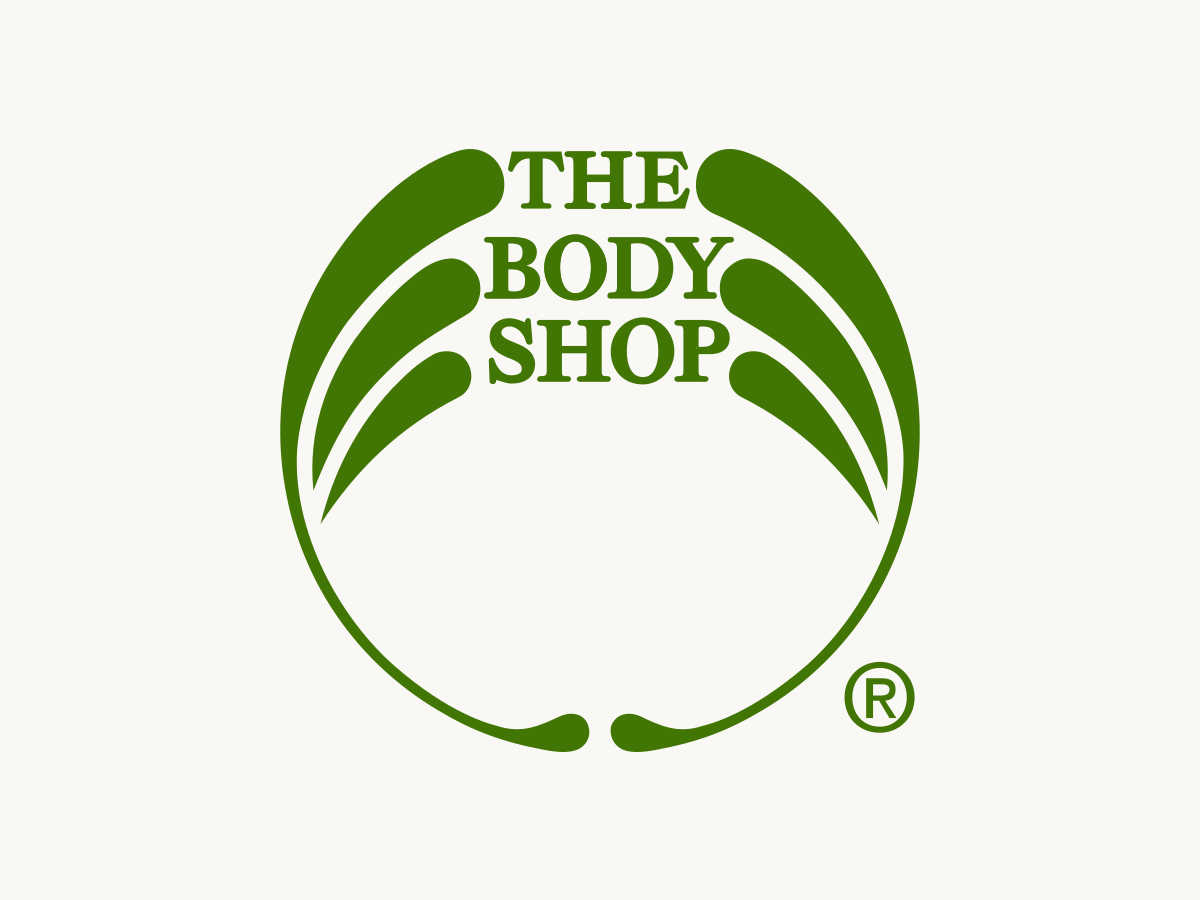
The serif name sits inside a leaf-like pod that became the enduring recognition device. source
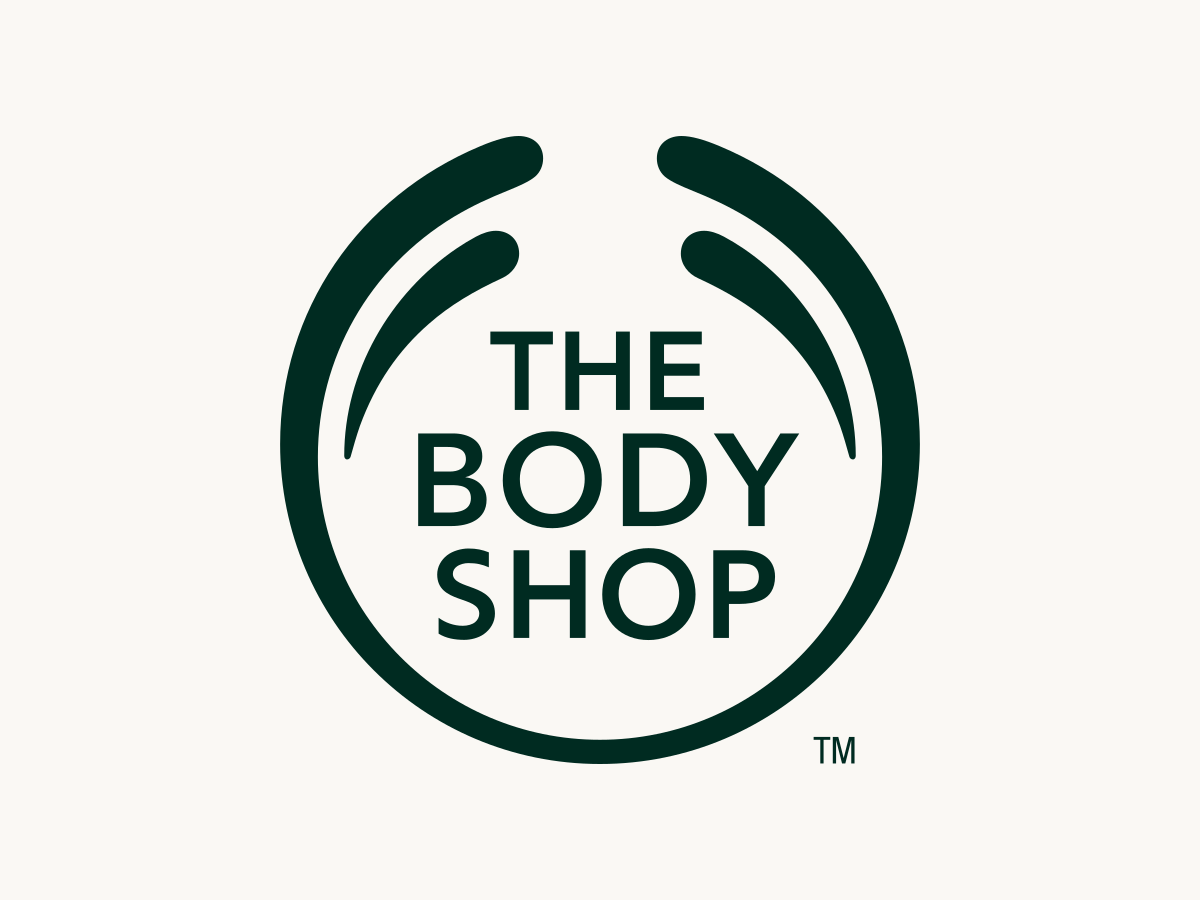
A cleaner sans-serif wordmark and tighter pod improve retail and packaging application. source
The current official pod symbol strips the identity to its most portable recognition shape. source

Product and service lineage.
The Body Shop expanded from one Brighton store into product ranges, international shops, franchising, refill behavior, activism, and ecommerce. The name survived repeated owners because product and purpose memory were stronger than one regional operator.
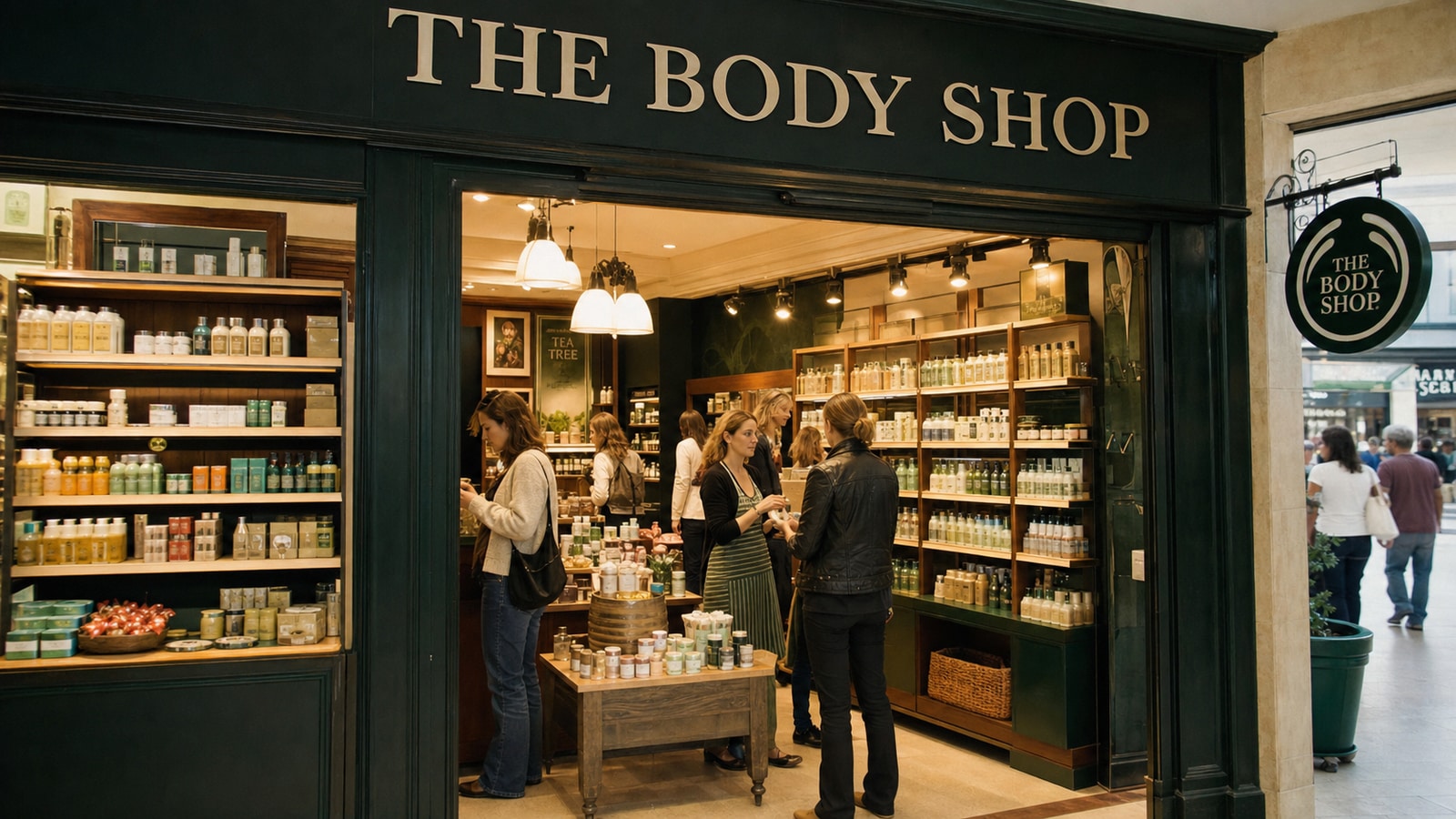
The store made the mission tangible
Dark green retail, product density, staff conversation, and ingredient stories turned purpose into a physical visit.
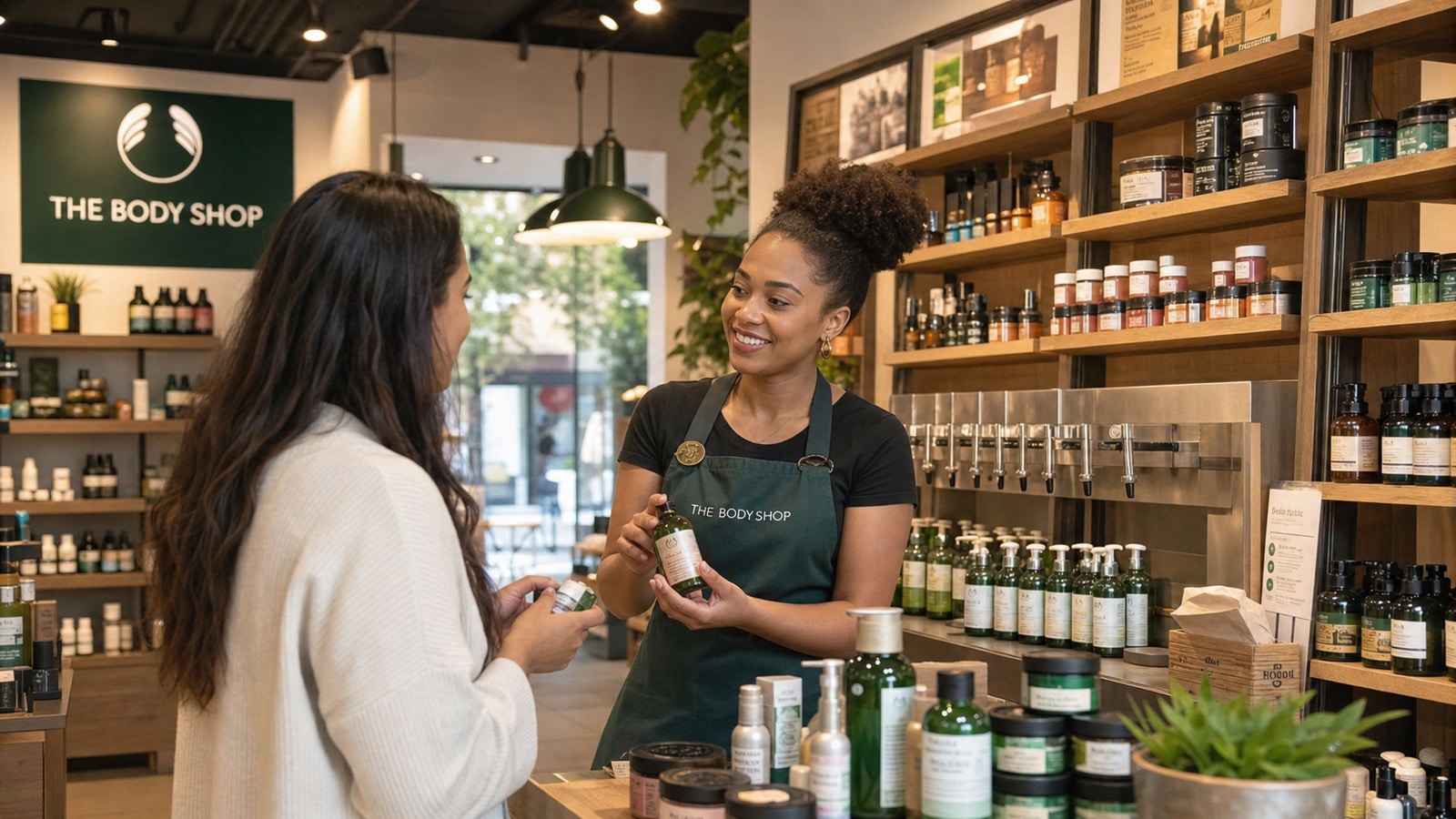
U.S. stores once carried the ritual
This is historical operating proof, not a claim that physical U.S. stores are open now.
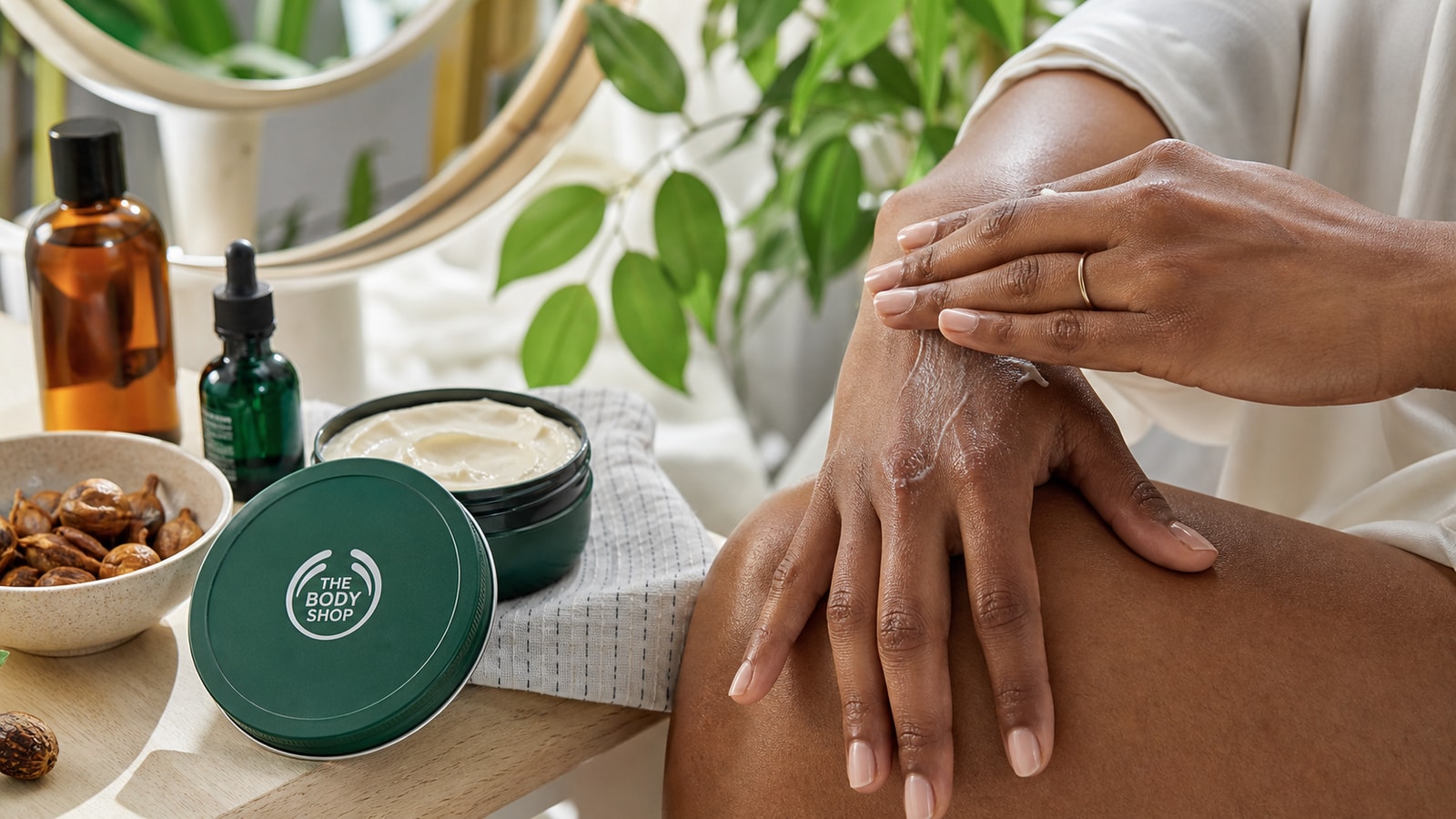
The product ritual outlived the operator
Texture, scent, tub, and routine keep the brand present even when a regional channel changes.
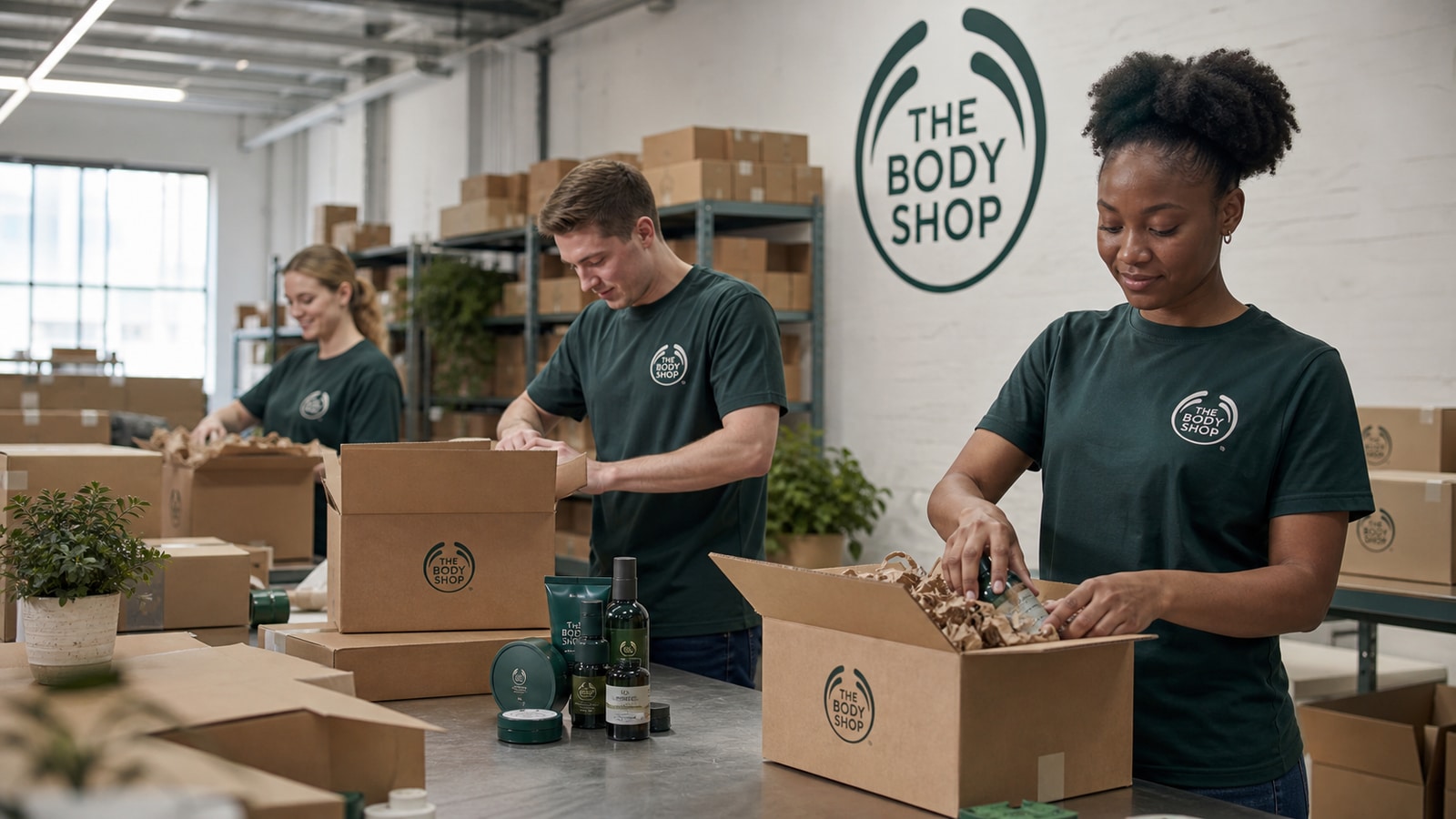
The U.S. return is online
Cart.com now carries the sales and fulfillment contract; the comeback should not be presented as a physical-store reopening.
Product and service system
Dense product walls and consultation made ingredients and ritual easy to explore.
A tactile hero product gives the mission a repeatable consumer proof point.
Return and refill behavior turns purpose into action.
A new operator restores online access without recreating the old store network.
Turning points.
The U.S. collapse must be read as a regional operator failure inside a global ownership crisis, followed by a different online operating model.
Why it failed
The U.S. operator depended on the UK parent for accounting, cash management, and product flow. That structure left the U.S. business without control of the liquidity needed to pay suppliers and keep inventory moving.
Court materials say the UK parent continued sweeping North American cash but failed or refused to make enough cash available or pay suppliers as it had historically done.
After the UK parent entered administration, the cash and supplier-payment support stopped. Buth-Na-Bodhaige Inc. ceased operations on March 1, 2024 and filed Chapter 7 on March 8.
Failure timeline
L'Oréal acquires The Body Shop.
Natura acquires the global business.
The former U.S. company stops operations and files Chapter 7.
An Auréa-led consortium acquires the global business; Cart.com later operates current U.S. online sales.
Public reaction.
Headlines saying The Body Shop closed in the U.S. were accurate for the old operator and physical stores in March 2024, but became incomplete once a different company reopened U.S. ecommerce.
Buth-Na-Bodhaige Inc. ceased operations and entered liquidation.
Cart.com operates online sales under the continuing The Body Shop brand.
Full timeline.
Anita Roddick opens The Body Shop in Brighton. Source
The brand expands internationally and links beauty to activism and community trade. Source
L'Oréal acquires The Body Shop. Source
Natura acquires The Body Shop. Source
The former U.S. company ceases operations and enters Chapter 7; an Auréa-led consortium later acquires the global business. Source
Cart.com operates the live U.S. online storefront. Source
Steal / avoid.
- Make purpose visible through product and behavior.
- Preserve a recognition shape that works without a store.
- Date every regional closure and comeback claim.
- Do not say the global brand filed Chapter 7.
- Do not call Cart.com the former bankrupt operator.
- Do not use global, Canadian, or Natura figures as current U.S. finances.
Short answer.
The Body Shop began with Anita Roddick's Brighton shop in 1976. The former U.S. operator closed stores and entered Chapter 7 in 2024, while the global brand continued. The current U.S. website names Cart.com, Inc., doing business as The Body Shop US, as its operator; the old shutdown and today's storefront describe different operations.
Frequently asked questions
Did The Body Shop close permanently in the United States?
The former operator closed its U.S. stores and filed Chapter 7 in March 2024. A different company, Cart.com, now operates the current U.S. ecommerce storefront.
Where did The Body Shop originally come from?
Anita Roddick opened The Body Shop in Brighton, England, in 1976. Its early shop used simple packaging that customers could refill. That British origin remains part of the global brand's history, separate from the later ownership changes and the former U.S. operating company's closure.
Who operates The Body Shop's current U.S. website?
The current U.S. site's terms identify Cart.com, Inc., doing business as The Body Shop US, as the website operator. The same terms distinguish site operations from ownership of the brand's materials and trademarks. An active U.S. storefront therefore needs to be read alongside its current operator details, not only the former company's bankruptcy record.
Did the global The Body Shop brand file Chapter 7?
No. The Chapter 7 debtor was the former U.S. operating company. The global brand continued and was acquired by an Auréa-led consortium.
Need help with your own brand?
Use Private brand work when your name, identity, proof, or message needs a sharper branding decision.