Toyota · Grow Your Brand · Iconic / Reliability Production System · Japan / Active / public company
Toyota
Toyota made reliability feel like a managed system, not a loose quality claim. A brand page for Toyota: Toyota Production System, just-in-time, jidoka, kaizen, supplier learning, dealer service, recall response, quality governance, and the way operating discipline turns reliability into public trust.
Positioning, name, and architecture.
Toyota links the consumer marque to a production and ownership system: product families create reach, while jidoka, just-in-time, dealer service, and quality response carry the trust claim.
Reliability made credible by a production philosophy, quality-governance behavior, service memory, and long-term ownership confidence.
Toyota positions reliability as managed proof: process discipline that buyers eventually feel as long-term ownership confidence.
The company name evolved from the Toyoda family name to Toyota; the eight-stroke katakana rendering supported a cleaner, more auspicious public mark.
Let's Go Places / United States
Toyota Motor Corporation house of marques with a Toyota masterbrand product system
Toyota is the core marque; Lexus and Daihatsu are separate group marques. Inside Toyota, model families cover Corolla, Camry, Prius, RAV4, Land Cruiser, Hilux, and GR, while hybrid, plug-in hybrid, battery-electric, and fuel-cell systems organize powertrain choices. Hino left consolidated TMC ownership on 1 Apr 2026 after the FY2026 reporting period.
Mass-market and utility vehicles across cars, SUVs, trucks, vans, and electrified powertrains.
Core marque: Corolla, Camry, Prius, RAV4, Land Cruiser, Hilux source
Motorsport and performance products inside Toyota; not a later Toyota corporate logo.
Performance lane: GR Corolla, GR86, GR Supra source
Separate marques inside the wider group, not Toyota subbrands.
Sister group marques: Toyota group source
Naming and tagline progression
Toyota Production System
Jidoka and just-in-time
Let's Go Places
Market and scale snapshot.
FY2026 company scale shows the reach behind Toyota's consumer promise across vehicles, manufacturing, financial services, and long-term ownership support.
JPY 50.684952T converted at JPY/USD 0.00618.
JPY 3.848098T attributable to Toyota Motor Corporation converted at JPY/USD 0.00618.
Dated Toyota Motor Corporation equity value through the TM ADS.
Tokyo and Nagoya ordinary shares; NYSE American depositary receipt.
JPY 105.522331T converted at JPY/USD 0.00618.
Color system.
Toyota red gives the page a clear manufacturing signal, black keeps process discipline visible, warm ground prevents the page from becoming cold, and grey supports the engineering proof layer.
How the palette behaves
Toyota red carries energy, manufacturing clarity, and public recognition.
Black gives the process language discipline and avoids turning reliability into cheerleading.
Warm ground keeps the card readable and editorial rather than industrially flat.
Grey supports metal, blueprint, inspection, and service cues.
Recognition assets.
Toyota recognition is layered across the oval mark, durable nameplates, hybrid memory, dealer presence, motorsport, and a reputation buyers test over years of ownership.
Reliability becomes more believable when quality has a named operating method.
Quality and flow are made visible through problem detection, timing, and disciplined coordination.
The promise is tested in service, resale, recalls, repeat ownership, and the years after launch.
Scores.
These scores test whether Toyota keeps reliability, product range, production discipline, and quality response aligned across a global vehicle portfolio.
Toyota is a fast shortcut for reliability, automotive scale, and long-term ownership.
TPS, jidoka, just-in-time, and kaizen give the promise a real operating vocabulary.
Reliability matters because customers feel it across years, service visits, and resale.
The brand can point to a production philosophy behind the product claims.
The 2009-2010 recalls show how hard reliability brands are judged when quality response is questioned.
The company, production system, official FY2026 financials, and observed ADR market-value method are clear.
Toyota is one of the clearest mental shortcuts for practical reliability.
Reliability language is easy to copy and hard to prove without process.
How the logo changed.
Toyota’s official emblem history separates the name wordmark, the 1989 three-oval symbol, and the current global lockup.
The all-caps name established a consistent global identity before the oval symbol became the vehicle cue. source
The three-oval emblem created a compact badge designed to travel across vehicles, dealers, and markets. source
The current lockup pairs the enduring oval with the Toyota name for corporate and communication use. source
Product and service lineage.
Toyota is a company system: Corolla, Land Cruiser, Prius, Camry, RAV4, pickups, Lexus, GR, production discipline, service, and ownership memory all carry the reliability signal.
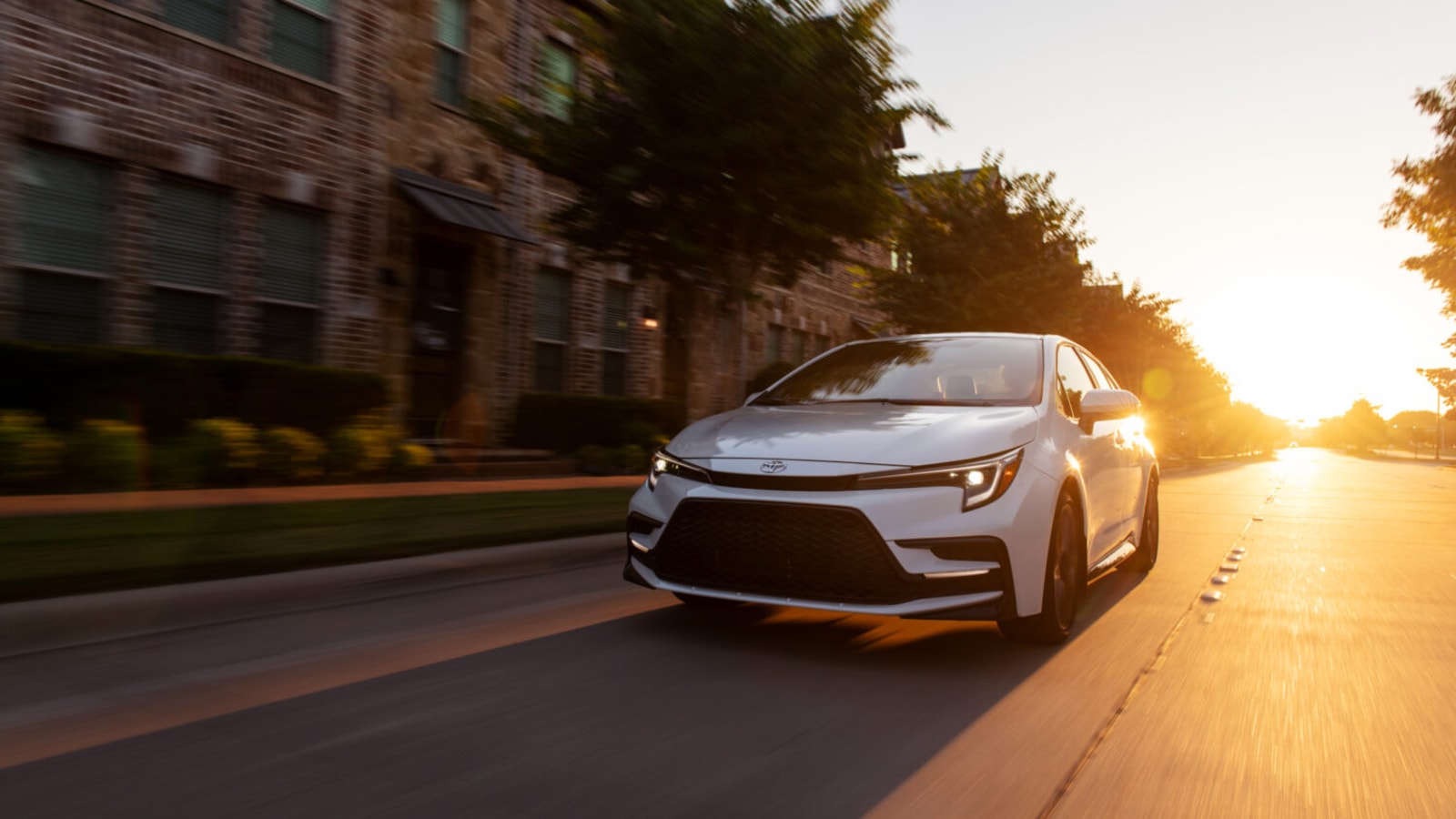
Corolla carries the volume promise
The Corolla name makes mainstream reliability and ownership tangible across generations and markets.
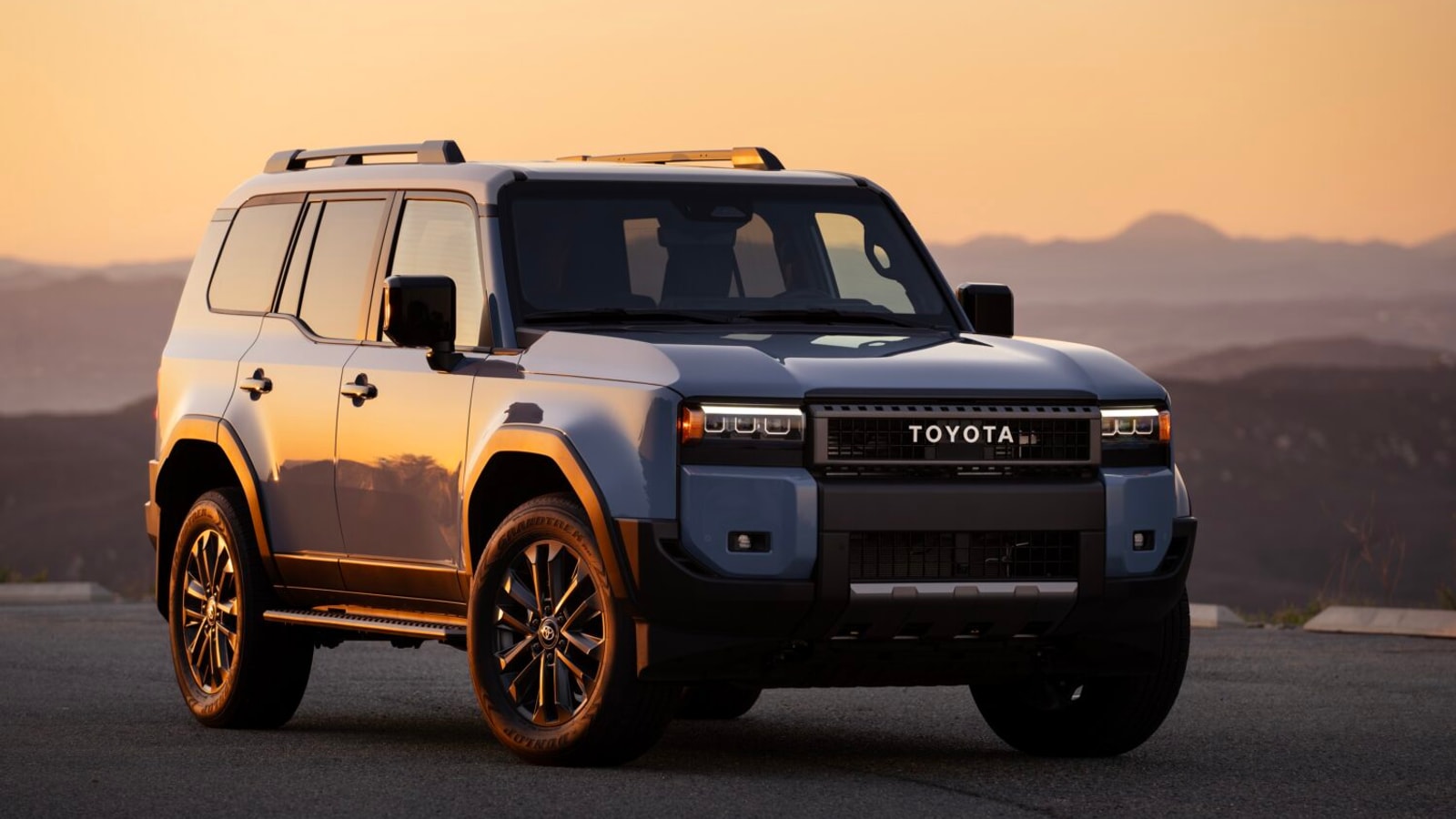
Land Cruiser carries durability memory
Utility, long service life, and off-road identity give Toyota a different trust signal from Corolla or Prius.
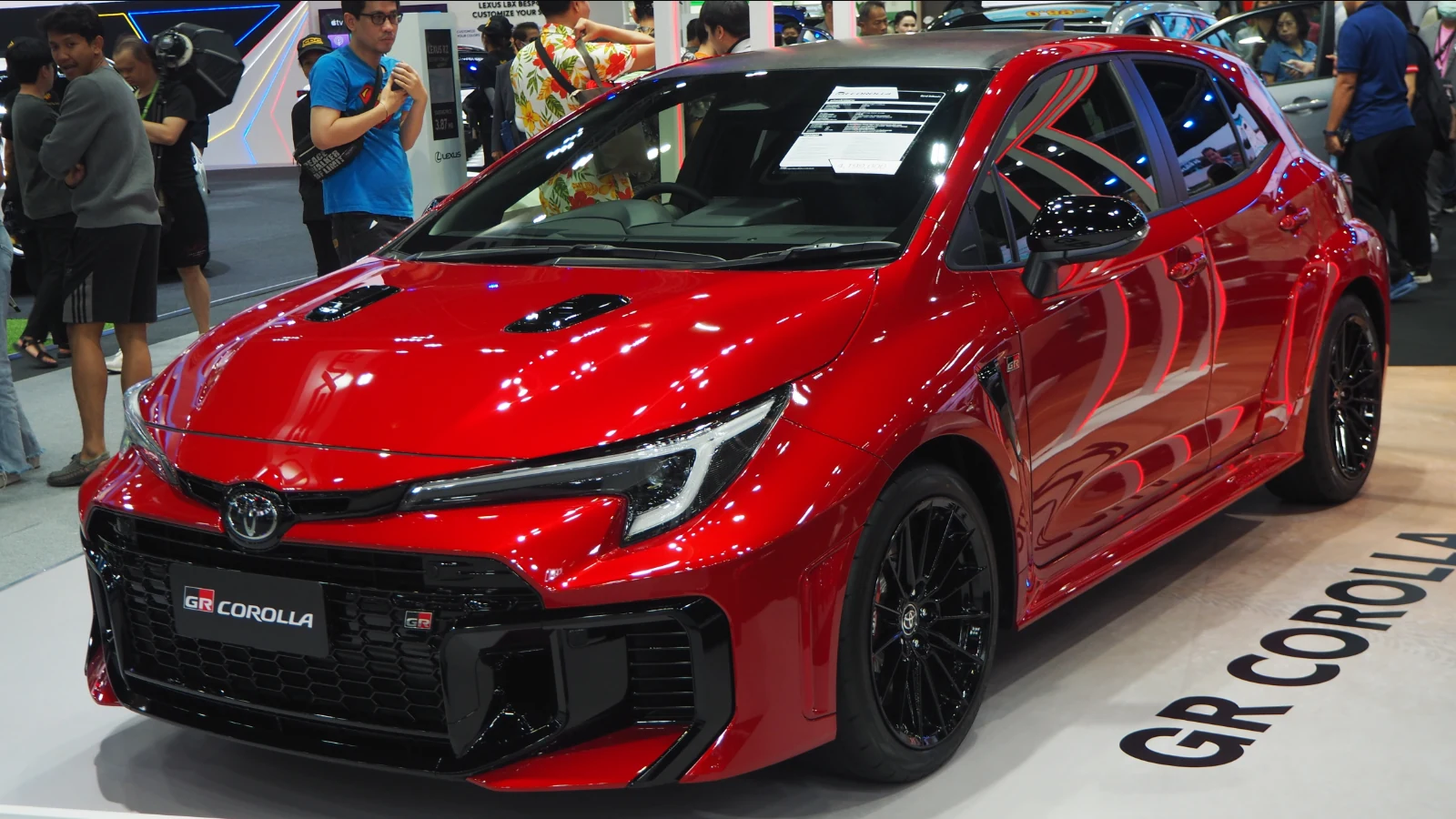
GR adds performance without replacing Toyota
GAZOO Racing widens emotional range while the Toyota parent carries manufacturing and ownership trust.
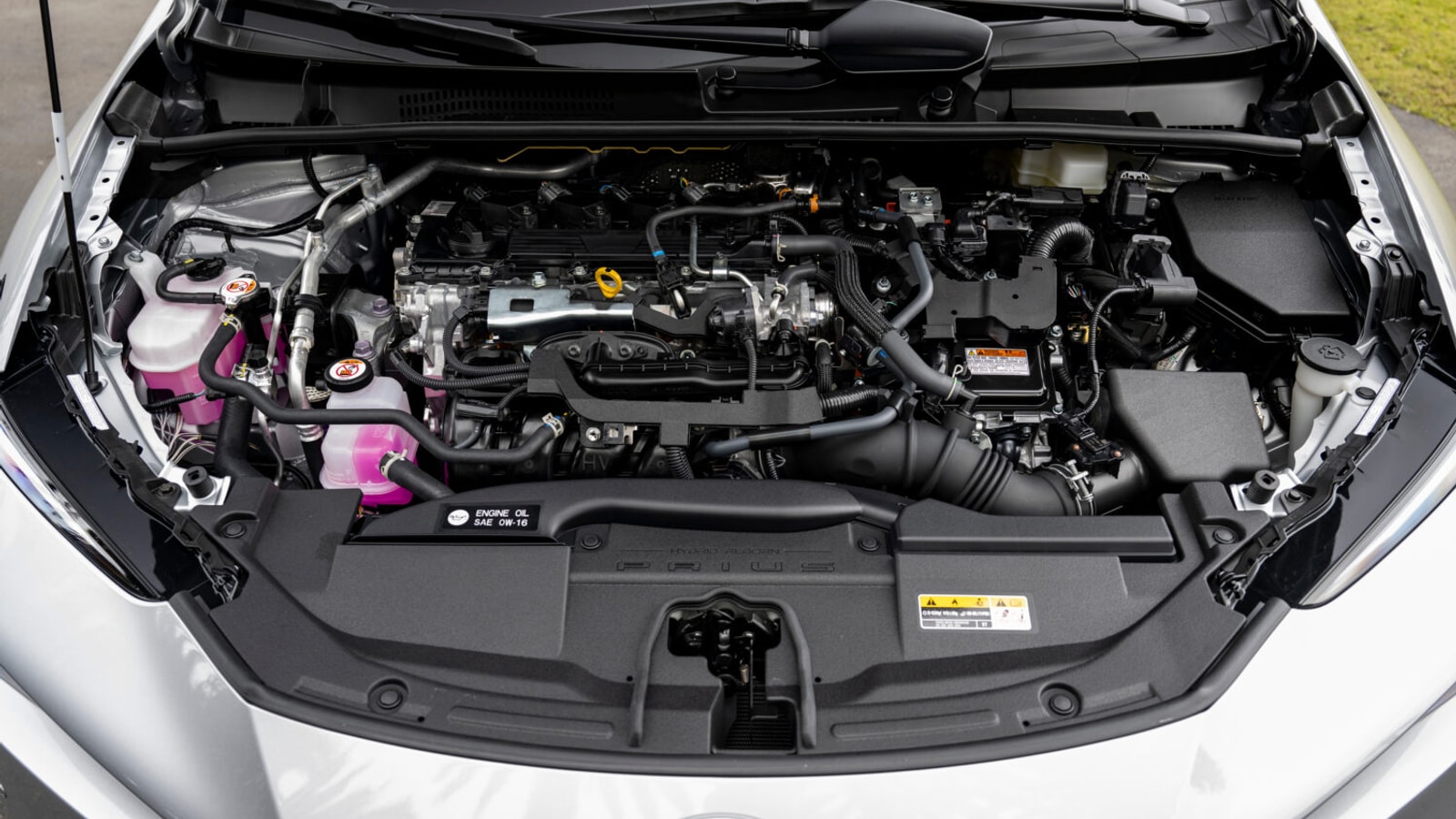
Hybrid engineering is an operating cue
Toyota’s electrification credibility is carried by the system beneath the vehicle, not only by a campaign claim.
Product and service system
Corolla makes Toyota reliability visible at mass-market scale: practical, repeatable, affordable, and easy to understand.
Land Cruiser and pickup cues make durability feel physical: rough roads, work use, utility, and long service life.
Camry and RAV4 carry the family, commuter, and crossover memory that makes Toyota feel normal, useful, and low-risk.
Prius gives Toyota a clear hybrid-technology memory instead of leaving efficiency as a generic claim.
Lexus and GR stretch the system into luxury, refinement, motorsport, and performance without removing Toyota's reliability base.
Toyota's production discipline turns quality, flow, jidoka, just-in-time, and kaizen into a management system.
Accelerator and floor-mat recalls test the reliability promise in public.
Toyota forms a Special Committee for Global Quality and makes response behavior part of trust repair.
Toyota announces an agreement with the U.S. Attorney's Office and describes quality, regional autonomy, field response, and development-timing changes.
Turning points.
Turning points only: production method, reliability memory, recall pressure, and quality governance.
Toyota Production System gave reliability a named process rather than leaving it as an adjective.
Quality is stronger when abnormalities can stop the process instead of being hidden until the end.
The 2009-2010 recalls challenged the reliability association in public.
Special quality committees, regional response, and process changes made repair behavior part of the brand record.
Toyota continues governance continuity while advancing AI, robotics, and hybrid durability themes, alongside ongoing quality-response discipline.
Public reaction.
No invented sentiment count. This card reads public trust through ownership memory and the response record around reliability pressure.
Toyota gives buyers a simple belief: the company has a process for making ownership less risky.
When quality issues become public, the brand has to show how the system learns and corrects.
Full timeline.
Toyota production discipline develops around quality, flow, jidoka, just-in-time, and kaizen.
Reliability becomes a public ownership association across markets, dealer service, and repeat use.
Accelerator and floor-mat recalls test the reliability promise.
Toyota convenes a Special Committee for Global Quality.
Toyota announces an agreement with the U.S. Attorney's Office and describes changes to field quality, regional autonomy, and development timing.
The useful brand question is whether reliability is still visible in process, service, and correction behavior.
Toyota is balancing leadership continuity and quality governance with a broad AI, robotics, and hybrid roadmap.
Steal / avoid.
- Make reliability visible in the process that prevents failure.
- Give quality a method people can teach, inspect, and repeat.
- Treat correction behavior as part of the brand promise.
- Connect production discipline to the ownership experience buyers actually feel.
- Do not use reliability as a loose adjective.
- Do not hide the process when buyers need evidence of how failure is prevented.
- Do not let crisis response become slower or less visible than the promise.
- Do not copy Toyota's trust language without a system behind it.
Short answer.
Toyota's brand signal is reliability made systematic. The Toyota Production System, jidoka, just-in-time, kaizen, supplier coordination, service memory, and quality response turn reliability from a marketing adjective into an operating proof system. The lesson is that trust gets stronger when the buyer can understand how the company prevents, exposes, and corrects failure.
Frequently asked questions
What is Toyota's core brand signal?
Toyota's core brand signal is reliability made visible through production discipline, quality control, supplier coordination, service memory, and correction behavior.
What should another brand steal from Toyota?
Make the proof system visible. Reliability is strongest when customers can understand the process that prevents failure.
What should another brand avoid copying from Toyota?
Do not copy reliability language if there is no inspectable system behind it.
Need help with your own brand?
Use Private brand work when your name, identity, proof, or message needs a sharper branding decision.
Sources.
Use the education shelf for the concepts behind this brand page.
Private brand workUse this when the decision belongs to your own brand.
All brandsReturn to every brand page.
- Toyota Motor Corporation FY2026 financial summary
- SEC company facts, Toyota Motor Corporation CIK 0001094517
- Nasdaq quote data, TM ADR last sale observed June 24, 2026
- Toyota Motor Corporation, Toyota Production System
- Toyota Motor Corporation, Toyota Way 2020 / Toyota Code of Conduct
- Toyota Motor Corporation, TMC Announces Remedy for U.S. Accelerator-pedal Recall
- Toyota Motor Corporation, Toyota Begins Radically Reshaping Operations to Meet Customer Expectations
- Toyota Motor Corporation, Toyota Enters Agreement with U.S. Attorney's Office related to 2009-2010 Recalls
- Toyota Motor Corporation, Company Overview
- Toyota Motor Corporation, Global site