Tupperware · Grow Your Brand · Tupperware failure case study · United States / Former public issuer sold core brand assets in Chapter 11; a private successor continues the brand
Tupperware
Earl Tupper developed the containers. Brownie Wise made the demonstration famous. The home-party format let customers handle the plastic and learn its seal. Wise adapted that method for Tupperware and became a vice president in 1951. The product and selling method help explain a brand that outlived its former public company.
Positioning, name, and architecture.
Tupperware did not begin as a container alone. The airtight seal, live demonstration, host-led gathering, and seller explanation formed a repeatable trust system. The weakness appeared when that route to market aged faster than the household job.
A demonstrable seal supported by a social selling ritual
Tupperware made freshness visible through a lid, a sound, and a host, but tied too much of that proof to an aging distribution system.
The name joins inventor Earl Tupper's surname with the product category suffix used for household goods.
No single current tagline is used as proof here; current ownership and product availability matter more.
Successor-owned masterbrand with market-specific operations
The failed operator and any current successor or estate are separate legal and operating boundaries.
Carries the seal and organization promise into the successor catalog.
current product line: Reusable storage containers source
Extends the household name beyond the original container system.
current product line: Current kitchen catalog source
Keeps live demonstration and seller explanation available under the successor.
distribution channel: Current U.S. seller program source
Connects the current operator to documented product and demonstration history.
heritage activation: 80 Years of Fresh source
Naming and tagline progression
Tupper's name becomes the container category cue
Home demonstration makes the promise repeatable
The acquired name continues under a new operator
Market and scale snapshot.
The last audited public-company year shows a large consumer name paired with shrinking sales, a USD 232.5 million loss, and USD 709.3 million of borrowings before the 2024 Chapter 11 asset sale.
Last audited annual filing available before the Chapter 11 case.
The former public issuer remained deeply loss-making.
Borrowings outstanding under the former company's credit agreement.
The current private operation is not the former listed corporation.
Color system.
Purple and pink made the later masterbrand warmer and more social than ordinary kitchen utility. The palette could not fix channel economics, but it still gives the successor a portable recognition layer.
How the palette behaves
Purple: distinctive household expertise. Current lid-lift T and wordmark.
Pink: social warmth and demonstration. Seller and consumer presentation.
Soft neutrals: food and home compatibility. Container and kitchen surfaces.
Recognition assets.
The lid-lift T, rounded containers, pastel color families, audible seal, stackability, and home-party ritual built recognition through handling. These cues could transfer to a new operator even after the public issuer failed.
The lifted crossbar turns a letter into a container-opening cue.
A closing sound made an invisible freshness claim demonstrable.
A host converted explanation, handling, and social proof into one event.
Scores.
Tupperware still has rare category memory and a tangible product ritual. The score penalty belongs to operating and financial proof, not to the name's ability to travel.
The name still functions as a category shorthand in many households.
Product memory remains strong, but bankruptcy and seller uncertainty weakened continuity.
The seal can justify a premium when material and availability proof remain visible.
The name and ritual can travel into new materials, ecommerce, retail, and selective seller channels.
The brand remained recognizable, but product relevance could not offset sales decline, loss, debt, and an aging route to market.
The last audited public-company year shows a large consumer name paired with shrinking sales, a USD 232.5 million loss, and USD 709.3 million of borrowings before the 2024 Chapter 11 asset sale.
Public issuer entered Chapter 11; brand and selected operations survived an asset sale
Party Products LLC acquired the core brand rights and operations; current U.S. terms name Party US Operations LLC as operator and Party IP Holdings LLC as trademark holder
How the logo changed.
The wordmark moved from hard-edged postwar utility to a softer outlined household name, then to a lid-lift symbol that can work across digital, product, and seller surfaces.
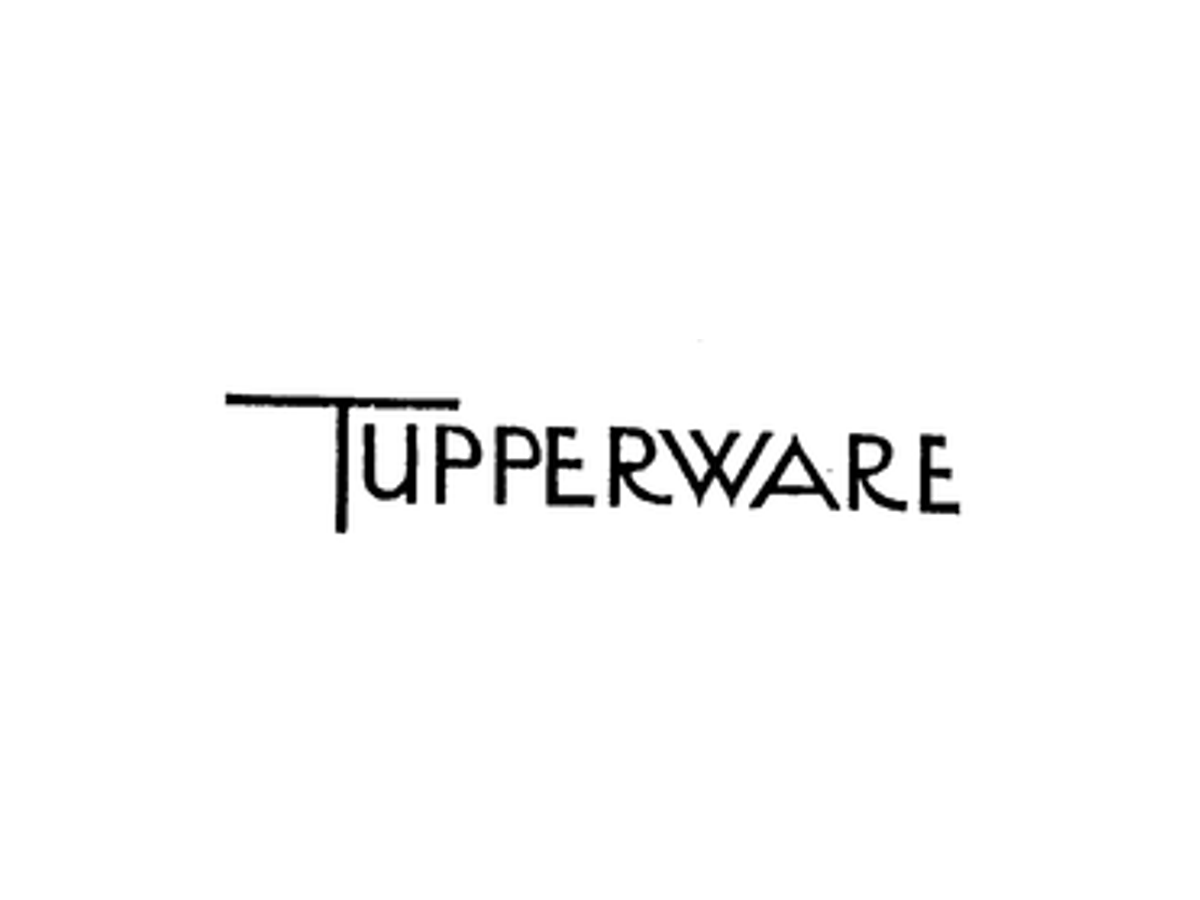
The angular filed wordmark made the founder name feel engineered and proprietary. source
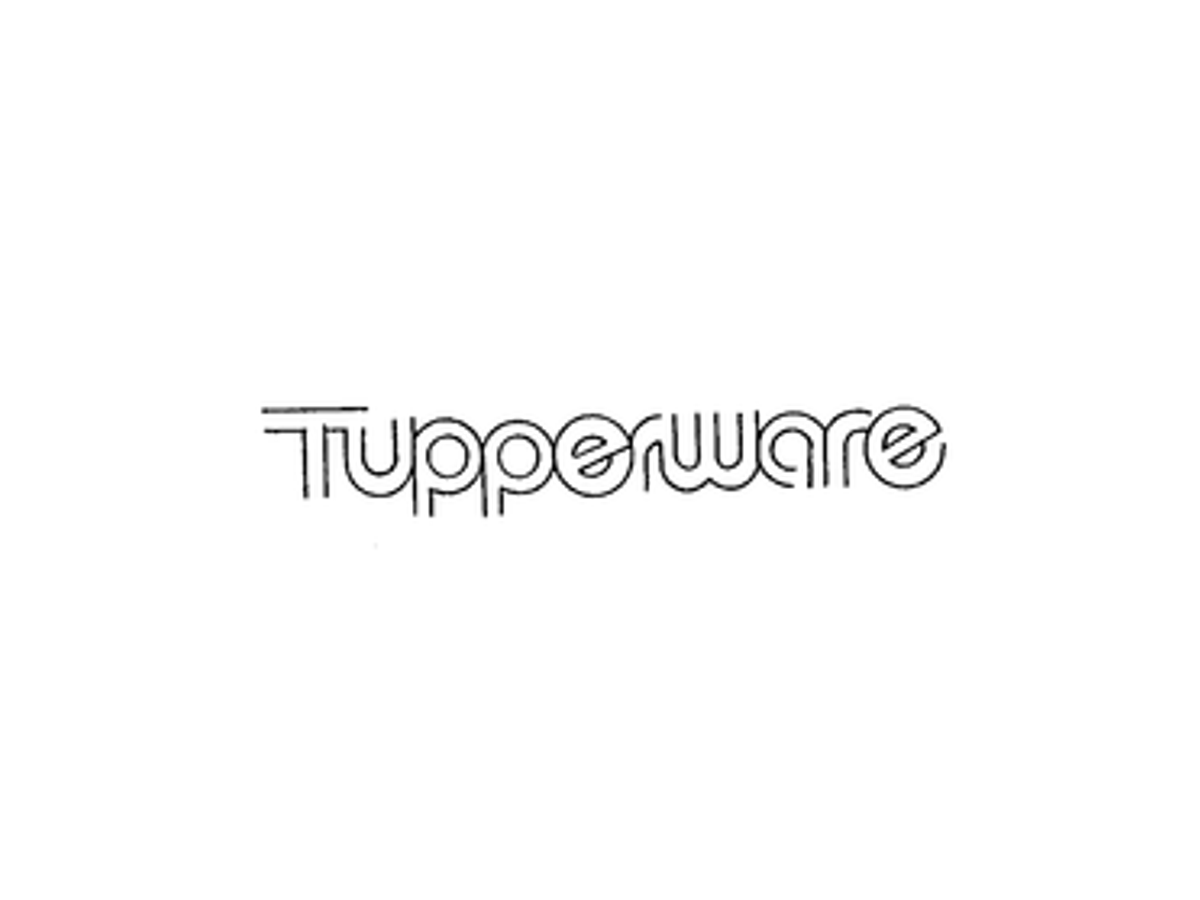
Rounded outlined lettering made the identity friendlier and closer to molded household forms. source
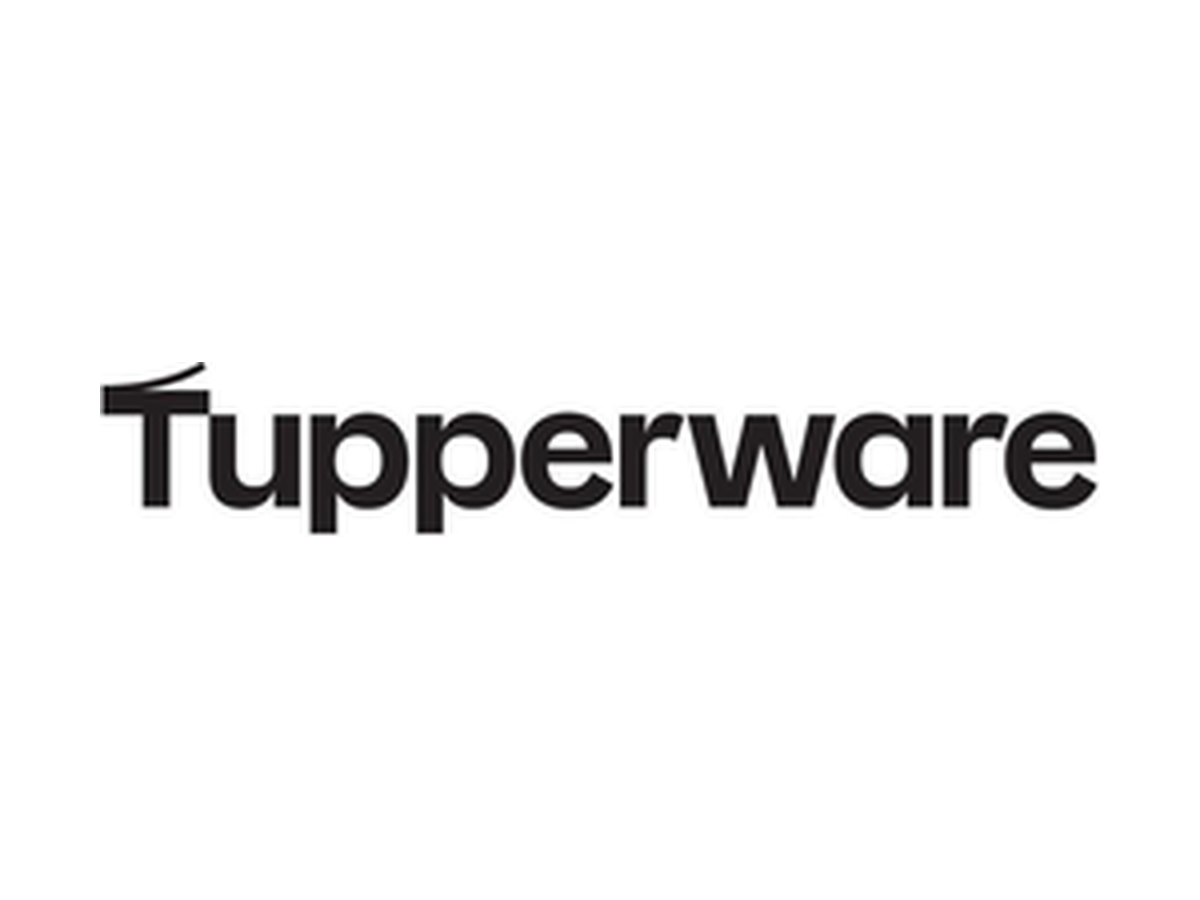
The current mark turns the T into an opening lid and gives the successor a compact digital symbol. source
Product and service lineage.
The product proof stayed coherent while the selling system lost reach and the balance sheet lost room. The successor opportunity is to keep the seal and remove the channel constraint.
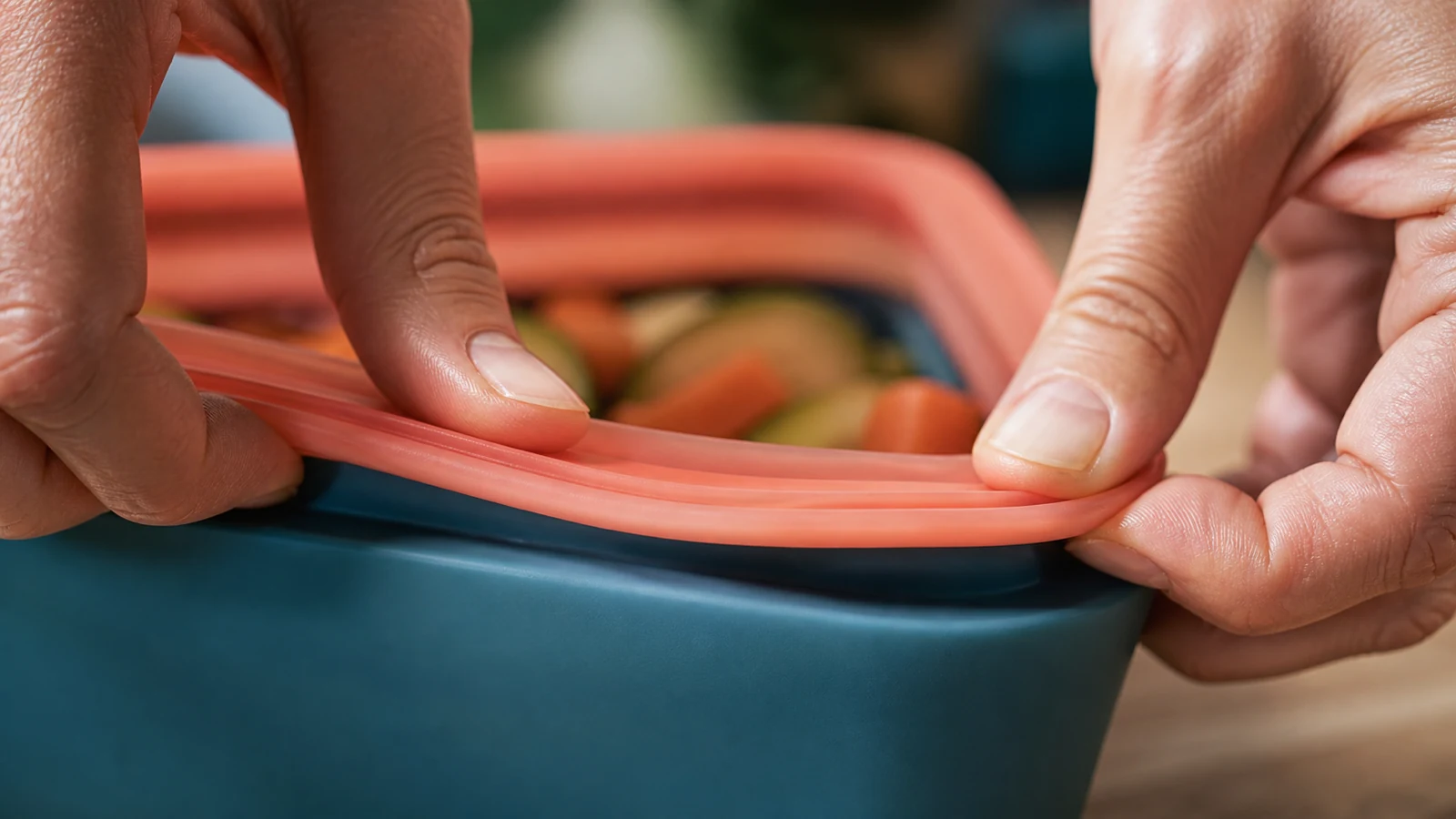
The seal made proof tactile
The product earned trust when a seller or customer could show the closure, not merely describe freshness.
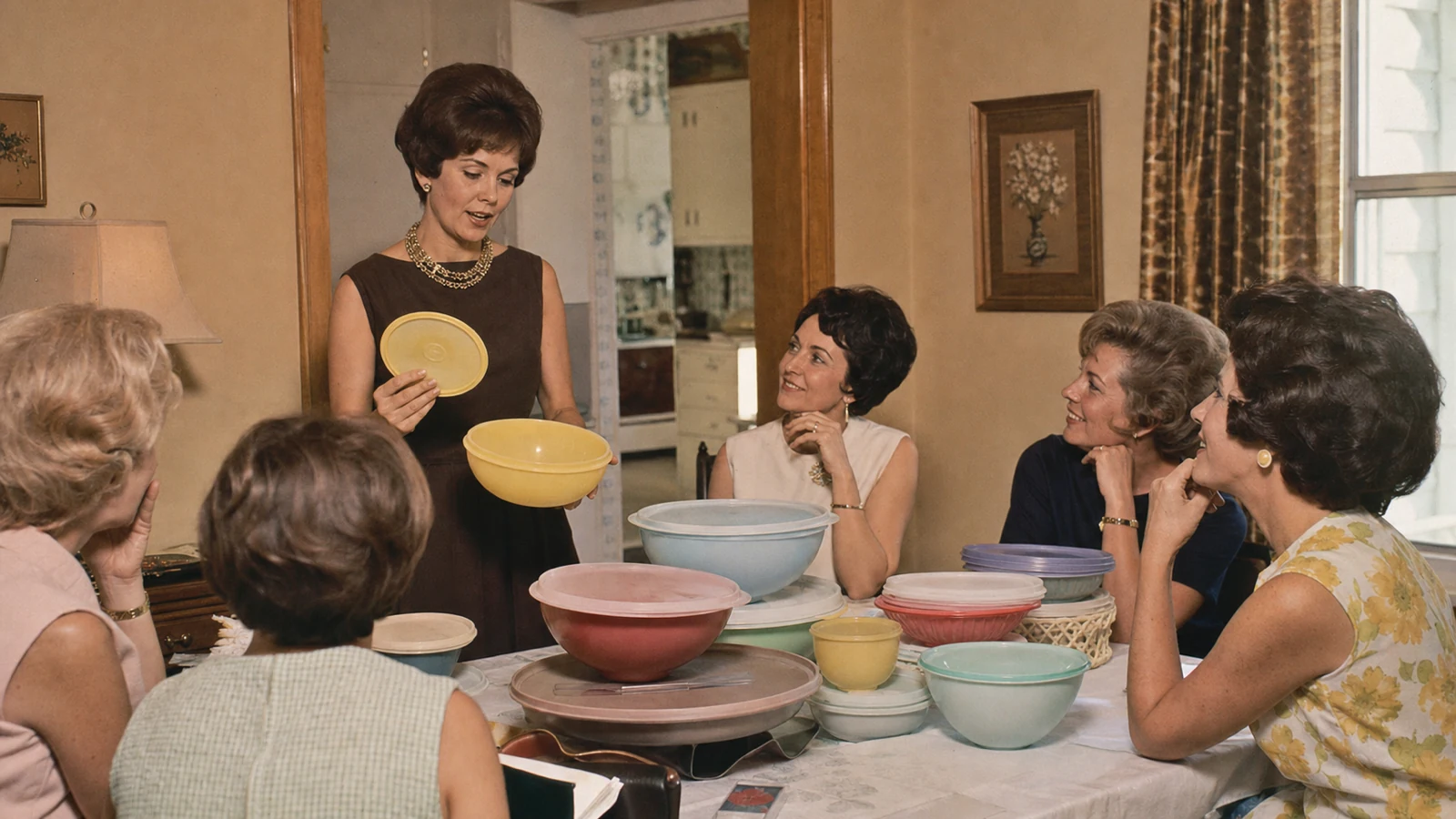
The party was a distribution system
Social proof, education, handling, and ordering happened in the same room.
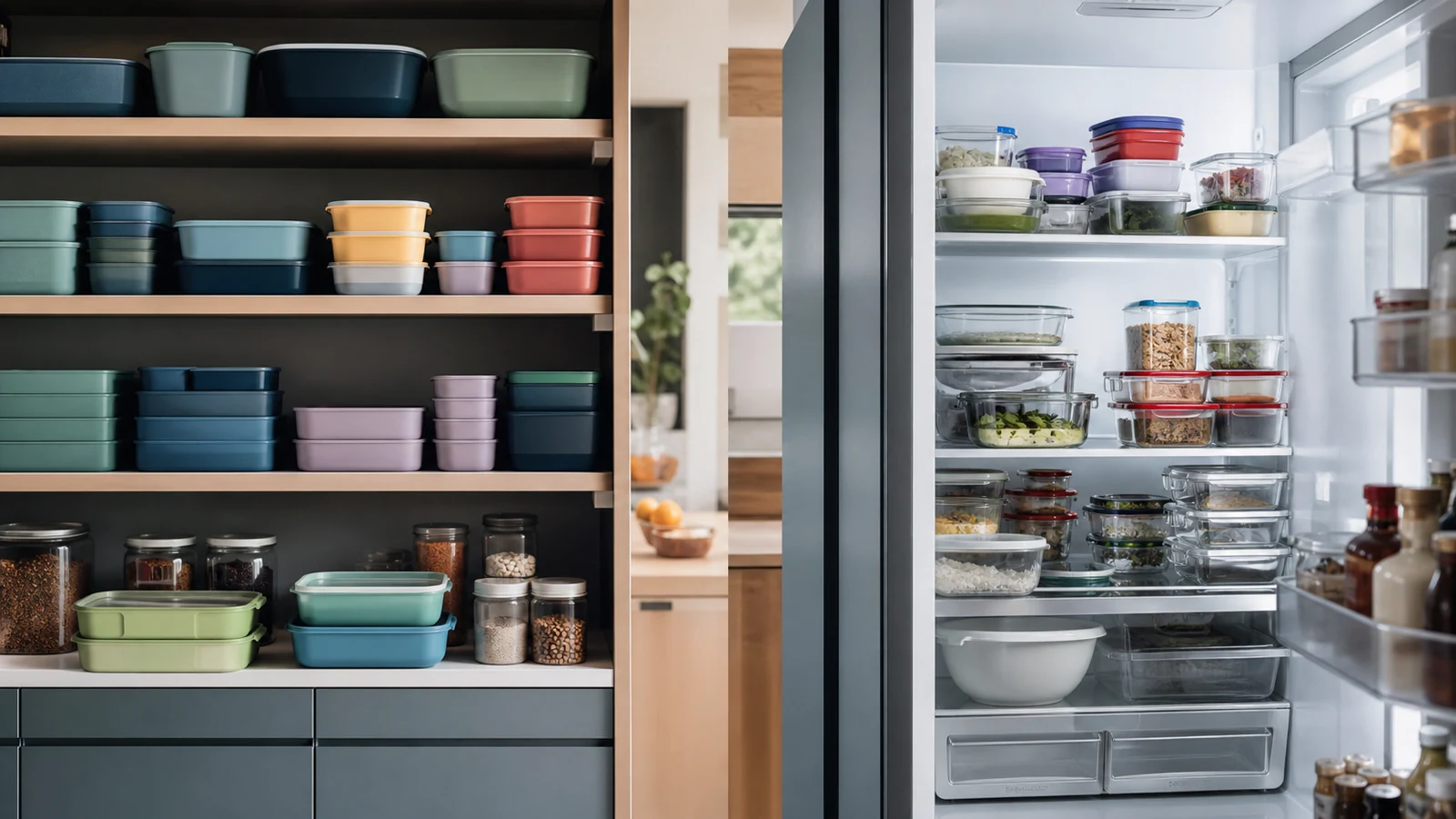
The customer job moved outside the party
Retail and ecommerce made storage comparison and replacement possible during normal shopping.
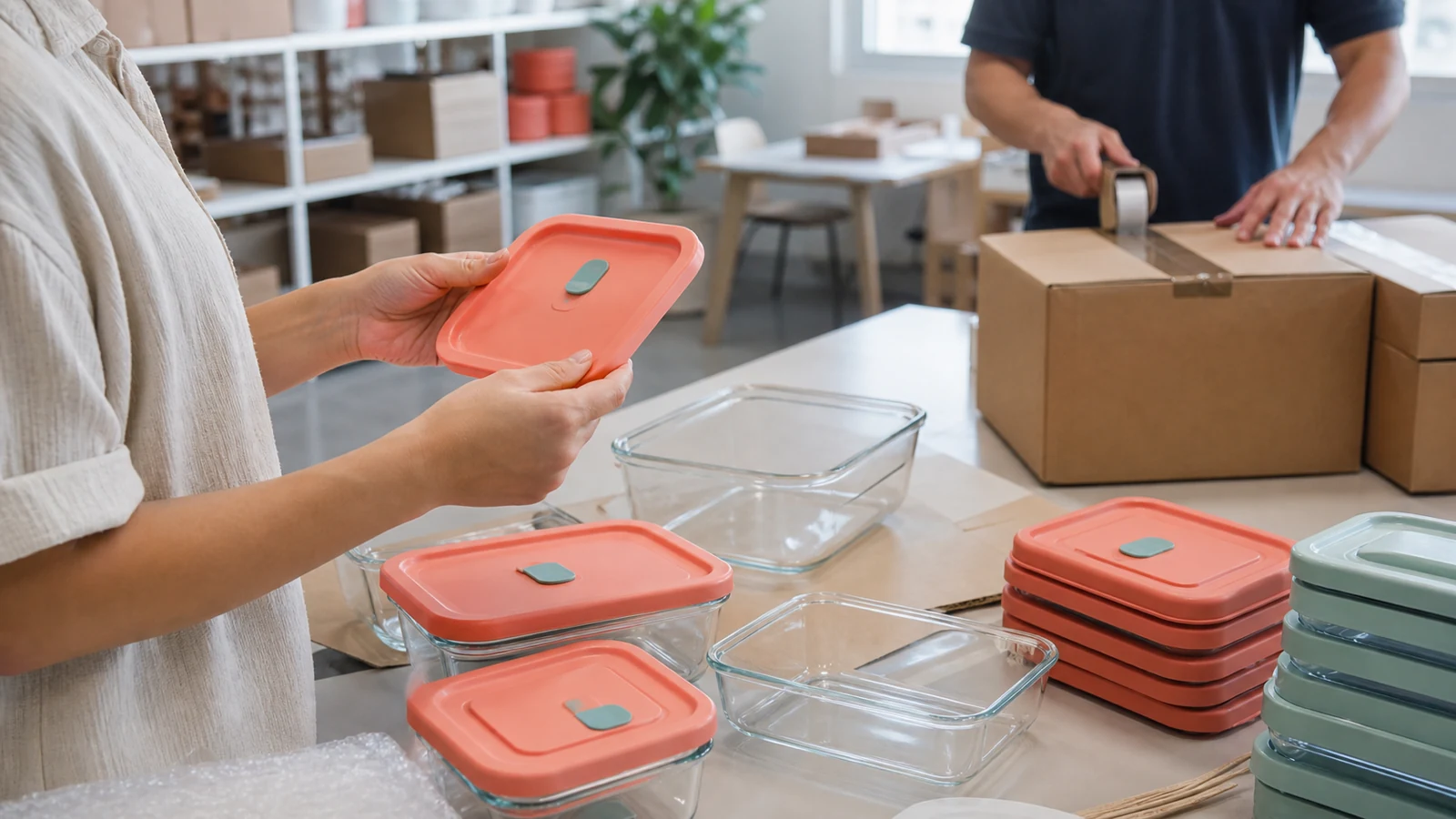
The successor can move the ritual
New materials and lower-friction channels can carry the freshness promise without rebuilding the old public company.
Product and service system
A product improvement created a demonstrable household benefit.
Brownie Wise made demonstration the exclusive distribution engine.
Falling demand and high borrowings narrowed the time available for channel repair.
Selected markets, sellers, and product lines continue under a separate owner.
Turning points.
Read FY2022, the 2024 filing, and the asset sale together. The company failed; the seal, name, and customer memory did not.
Why it failed
Falling sales, a USD 232.5 million FY2022 loss, USD 709.3 million of borrowings, and declining demand left Tupperware's legacy direct-selling economics unable to support its capital structure.
Management stayed dependent on a high-friction direct-selling model while mass retail and ecommerce made storage products easier to compare and replace. Repeated turnaround and financing efforts did not restore demand or repair the balance sheet.
The collapse trigger was the company's inability to improve its capital structure and liquidity outside court, leading the board to authorize Chapter 11 in September 2024 and pursue an asset sale.
Failure timeline
USD 1.304B sales and USD 232.5M net loss.
The former public issuer entered Chapter 11.
Party Products acquired core brand rights and selected operations.
A separate private operator sells products and supports sellers in selected markets.
Public reaction.
Consumer familiarity can make bankruptcy coverage sound like the brand vanished. Current seller and product activity can make it sound like nothing failed. Both shortcuts are wrong.
The old NYSE company is not the current U.S. operator.
The name, selected operations, and demonstration system continue under new legal entities.
Full timeline.
The first Tupperware product is introduced. Source
Brownie Wise becomes vice president and home parties become the exclusive distribution model. Source
The angular Tupperware wordmark is filed. Source
The rounded outline wordmark is filed. Source
Net sales fall to USD 1.304 billion and net loss reaches USD 232.5 million. Source
Tupperware Brands Corporation initiates Chapter 11 proceedings. Source
The court-approved Party Products transaction closes on November 27. Source
The successor brand remains active during Tupperware's 80th-anniversary year. Source
Steal / avoid.
- Make product proof demonstrable in seconds.
- Build recognition around a repeatable use ritual.
- Move the ritual when customer shopping behavior moves.
- Name the failed entity and successor separately.
- Treating a legacy sales channel as the brand itself.
- Letting household fame hide debt and declining demand.
- Calling an asset purchaser the same company that failed.
- Using nostalgia as proof of current availability.
Short answer.
Earl Tupper developed Tupperware's plastic food containers. Brownie Wise built the home-party sales organization, demonstrating the seal and becoming a vice president in 1951. The former public company later failed, while the brand and selected operations continued under new ownership.
Frequently asked questions
Did Tupperware disappear?
No. The former public issuer failed, but the brand and selected operating assets continue under a private successor.
Who owns Tupperware now?
Party Products LLC acquired the core rights and operations. Current U.S. terms identify Party US Operations LLC as operator and Party IP Holdings LLC as trademark holder.
Who invented Tupperware?
Earl Tupper developed the plastic food containers that became Tupperware. The Smithsonian’s collection history describes his work on flexible, translucent plastic and the resealable container. Brownie Wise later developed the sales organization, so the product’s inventor and the person behind its famous selling method were different people.
Why was Tupperware sold at home parties?
Home demonstrations let buyers handle the plastic and learn how to release air and close its seal. Brownie Wise used the format to overcome weak store sales and became vice president of Tupperware Home Parties in 1951. She adapted an existing sales method to explain a product customers needed to see working.
Is today's Tupperware the same company that traded as TUP?
No. TUP was the failed public issuer.
How large was Tupperware's last audited loss?
It reported a USD 232.5 million FY2022 net loss on USD 1.304 billion in net sales.
Does Tupperware still use independent sellers?
Yes. Its current site includes seller-program and income-disclosure pages, although availability differs by market.
Need help with your own brand?
Use Private brand work when your name, identity, proof, or message needs a sharper branding decision.
Sources.
Use the education shelf for the concepts behind this brand page.
Private brand workUse this when the decision belongs to your own brand.
All brandsReturn to every brand page.
- Tupperware FY2022 Form 10-K
- Tupperware Chapter 11 Form 8-K
- Tupperware sale-closing Form 8-K
- Delaware bankruptcy case page
- Party Products acquisition completion
- Current Tupperware terms
- Current Tupperware about page
- Tupperware 80-year history
- Current income disclosure
- Smithsonian Tupperware collection guide
- 1955 Tupperware mark
- 1974 Tupperware mark
- 2023 Tupperware mark
- Tupperware official source