Unilever · Grow Your Brand · Corporate portfolio signal · United Kingdom / active public company
Unilever
Unilever makes a changing house of brands readable. The blue U carries ownership, governance, scale, and portfolio focus while Dove, Vaseline, Persil, Hellmann's, Knorr, and other brands stay close to household use.
Positioning, name, and architecture.
Unilever is a corporate endorser over category brands with different buyers, routines, and histories. The system works when the parent clearly states what is shared and what remains brand-specific.
A visible corporate endorser that connects category brands to global scale, research, governance, and portfolio discipline.
Unilever positions the parent as the operating system behind category brands that stay close to household use.
Unilever was formed when Lever Brothers and Margarine Unie signed merger agreements in 1929 and began operating together in 1930.
Desire at Scale
house of brands with a visible corporate endorser
The continuing group has four business groups after the Ice Cream demerger. Foods remains controlled today, but Unilever announced a proposed combination with McCormick that is expected to close by mid-2027 at the latest, subject to approvals.
Holds hair care, prestige beauty, skin care, and wellbeing brands.
business group: Dove / Vaseline / TRESemme source
Holds deodorant, oral-care, and skin-cleansing brands.
business group: Dove / Rexona / Lifebuoy source
Holds fabric cleaning, fabric enhancer, home, and hygiene brands.
business group: OMO / Persil / Cif source
Holds condiments, cooking aids, mini-meals, and Unilever Food Solutions until the proposed McCormick combination closes.
business group under announced separation: Hellmann's / Knorr source
Naming and tagline progression
Vitality
Making sustainable living commonplace
Desire at Scale
Market and scale snapshot.
The 2025 accounts are presented after the Ice Cream demerger. Turnover and profit use one dated conversion; market value and listings complete the scale view.
FY2025 turnover of EUR 50.503B from continuing operations, converted at the ECB 31 Dec 2025 reference rate.
FY2025 consolidated operating profit of EUR 9.037B, converted at the ECB 31 Dec 2025 reference rate.
CompaniesMarketCap July 2026 observation for Unilever PLC; this is a dated market snapshot, not an audited annual-report figure.
Unilever PLC ordinary shares trade in London and Amsterdam; ADRs trade in New York.
Color system.
Unilever blue gives the corporate system one consistent cue. Portfolio brands keep their own category palettes, so the parent color needs to identify ownership without flattening the shelf.
How the palette behaves
Bright blue gives the corporate brand clarity and high visibility across reports, offices, packaging endorsements, and digital surfaces.
White space keeps the complex icon-built U readable.
A darker navy supports governance and investor material without changing the core mark.
Recognition assets.
The blue U gathers icons of food, care, science, nature, and packaging into one corporate mark. Product brands remain the faster shelf cues.
The corporate mark compresses food, care, nature, packaging, science, and household routines into one letter.
Dove, Persil, Hellmann's, and Knorr do not need one consumer voice. The U identifies the owner.
Power Brands, business groups, demergers, and announced combinations show where the parent puts attention and capital.
Scores.
Entity clarity and portfolio authority are high. Consistency is harder because the portfolio is being simplified through demergers, sales, and an announced Foods combination.
The blue U is distinctive, though product brands remain stronger consumer cues.
Corporate reporting and packaging endorsement support trust, but proof varies by category and claim.
The portfolio spans mass, premium, and prestige positions.
Quality, claims, packaging, sourcing, and availability repeat across billions of product uses.
Unilever PLC, its tickers, business groups, and product brands are well disclosed.
The group owns major brands across beauty, personal care, home care, and foods.
The corporate U is stable even while portfolio brands keep their own systems.
A product, plastics, sourcing, or portfolio issue can move from one category brand to the parent quickly.
How the logo changed.
The corporate identity moves from a solid U symbol to a blue U with serif wordmark and then to the 2004 icon-built U that remains current.
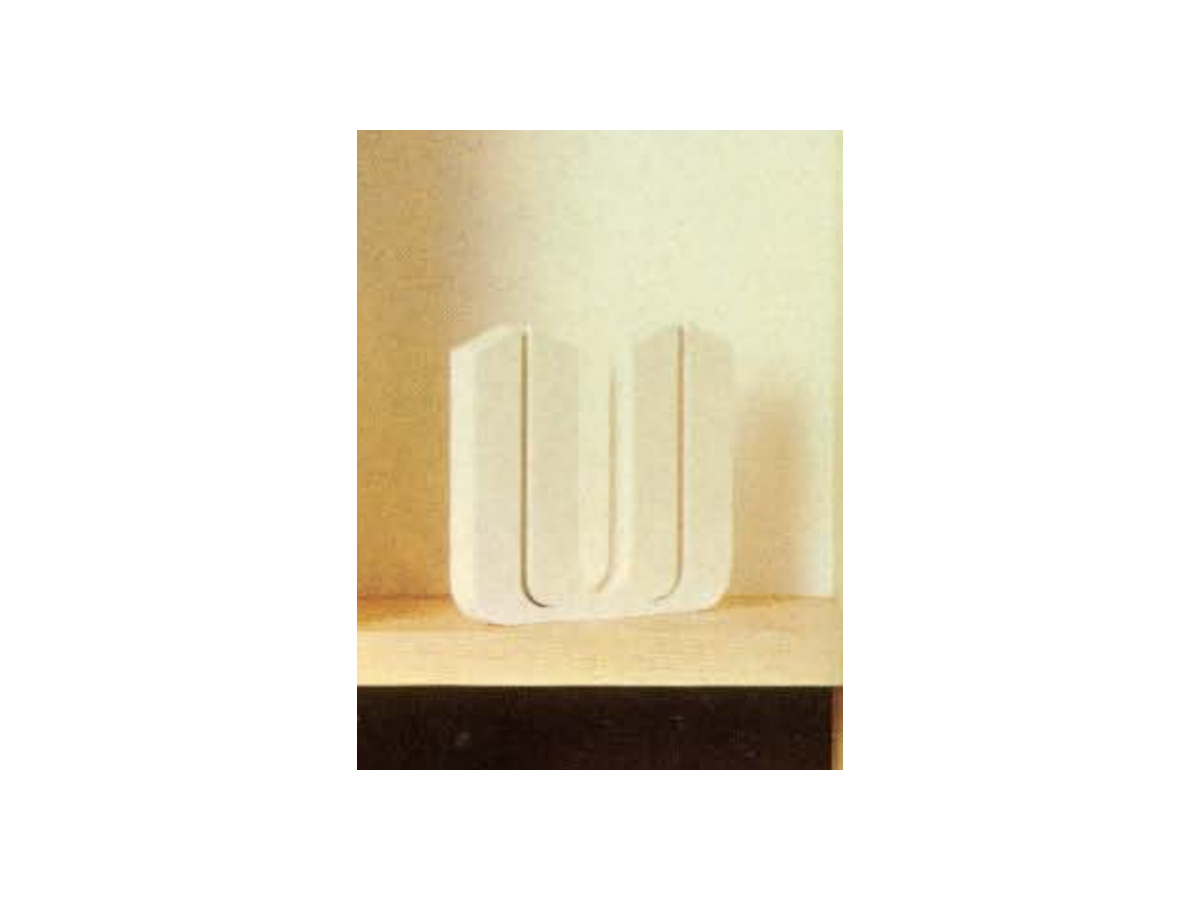
The 1969 annual report uses the solid U symbol on its cover. source
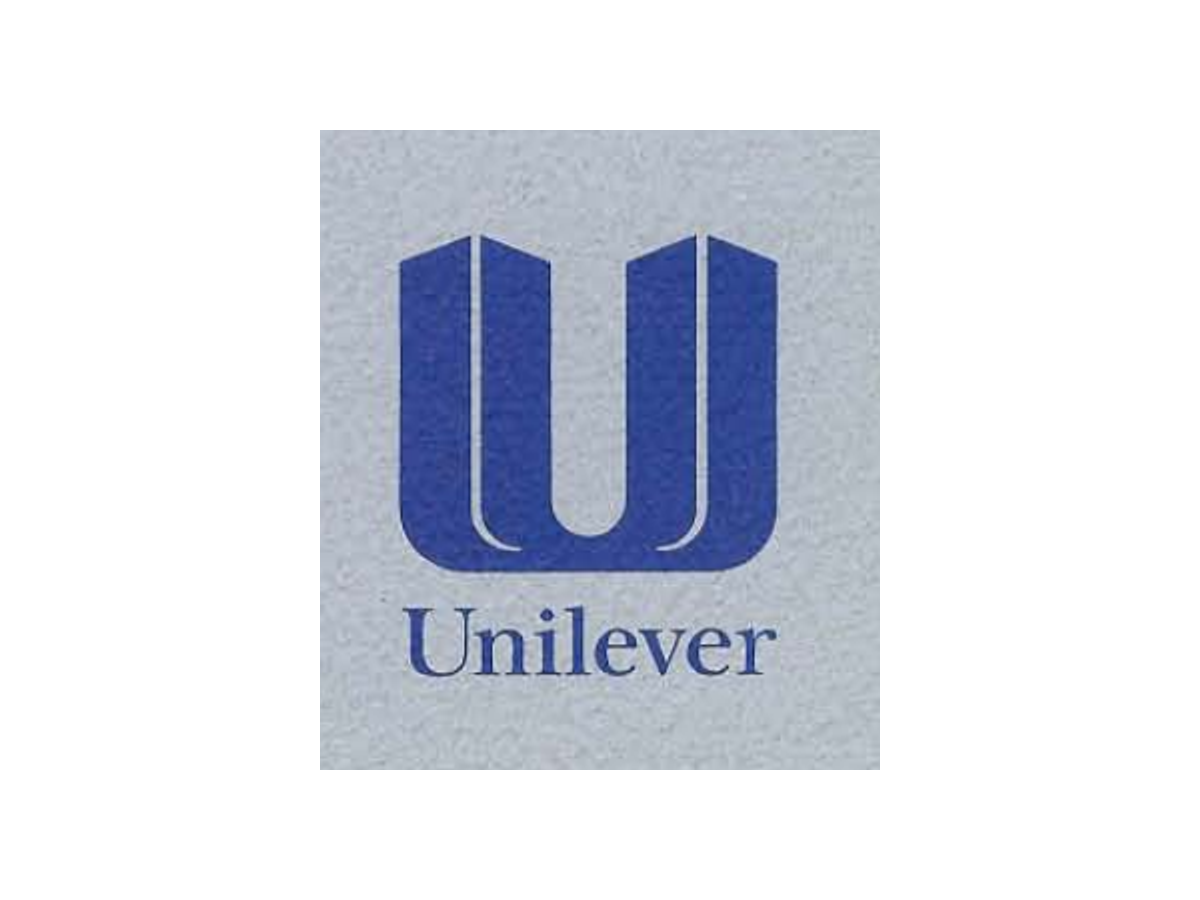
The 1990 annual report shows a blue U paired with a serif corporate wordmark. source
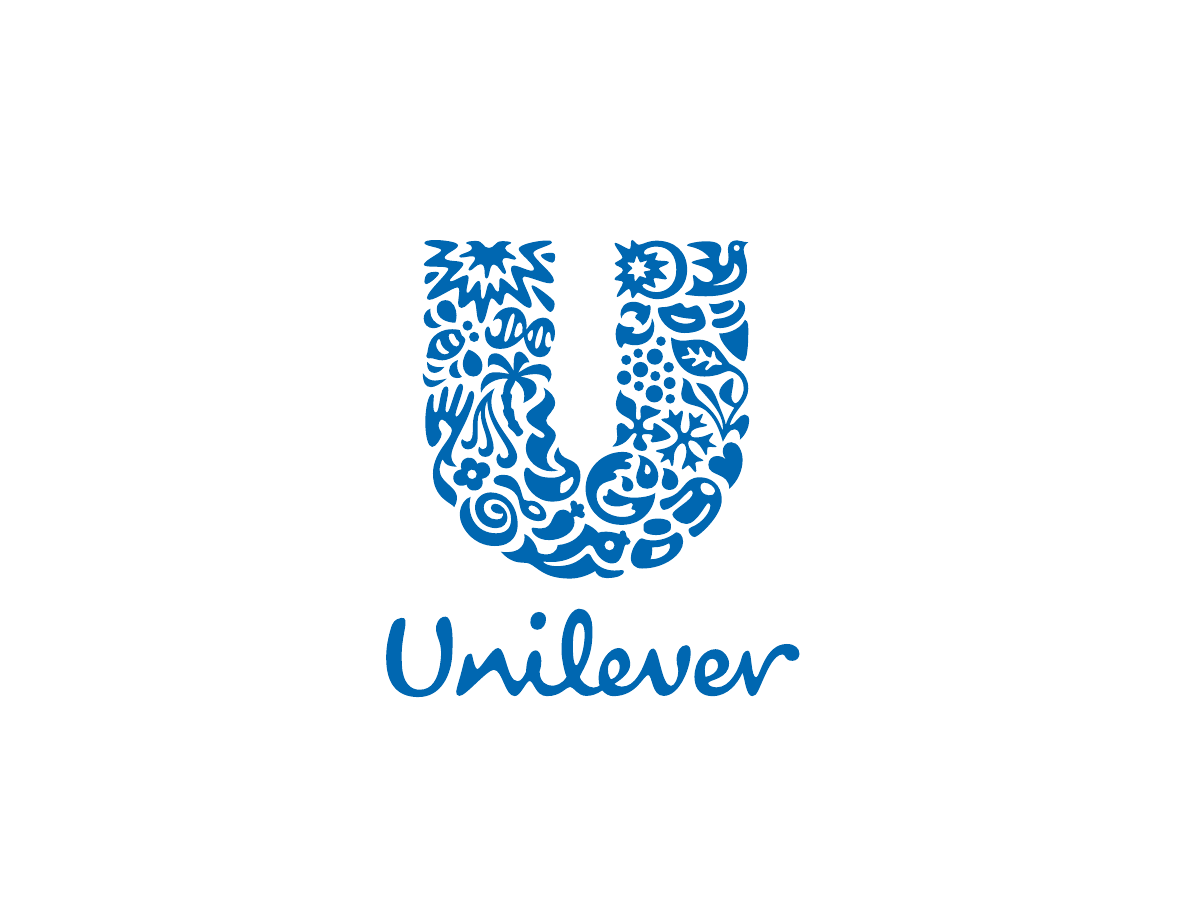
The new identity builds the U from icons representing the business and moves the corporate mark onto product packaging. source
Product and service lineage.
Unilever's product history matters most when the parent decides which categories, brands, and shared capabilities still belong together.

Four business groups organize the shelf
The portfolio needs a readable operating map before the parent brand can carry it.
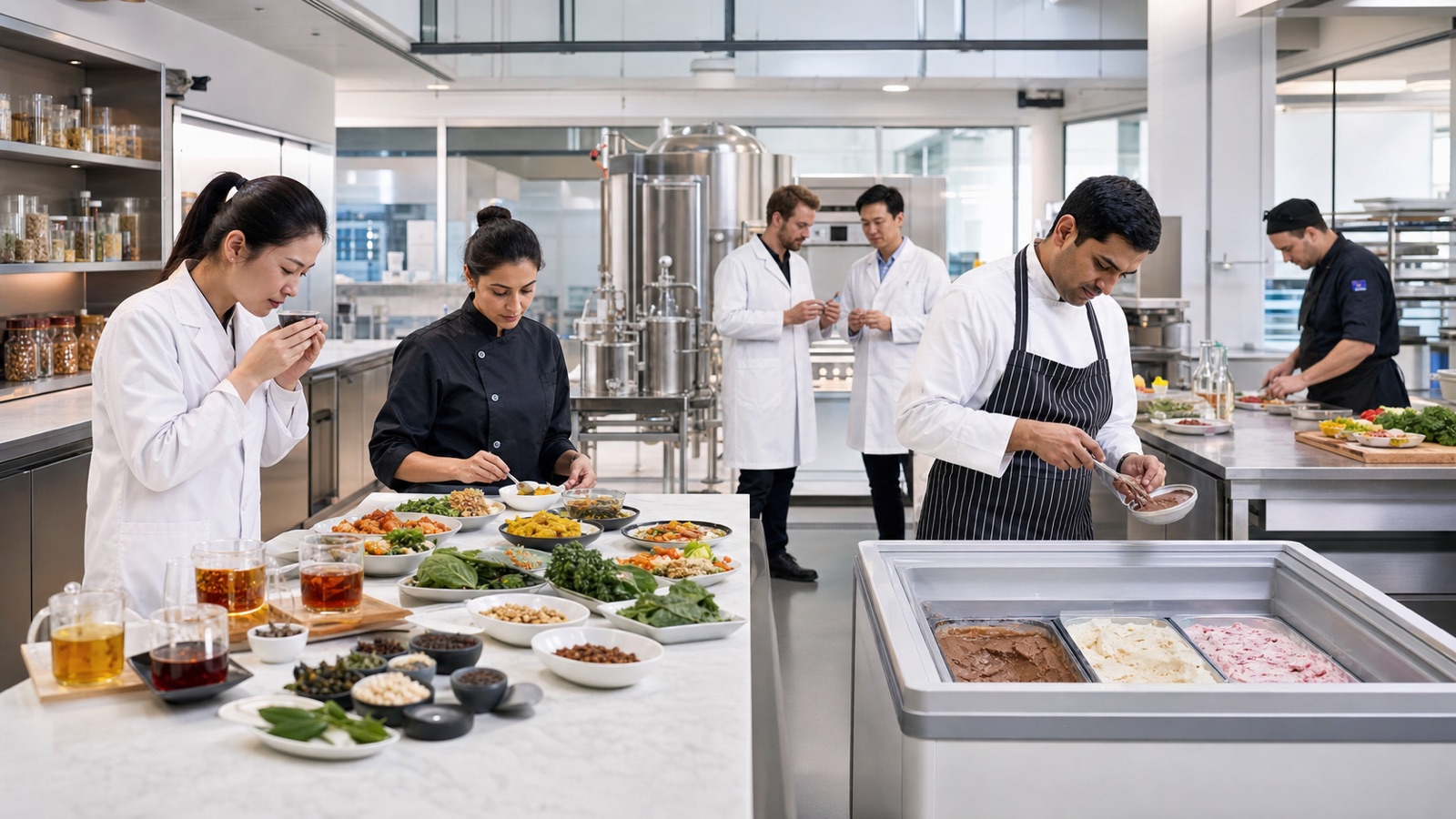
Product brands own the use moment
Category brands win through repeated household behavior while Unilever stays the owner and operator.
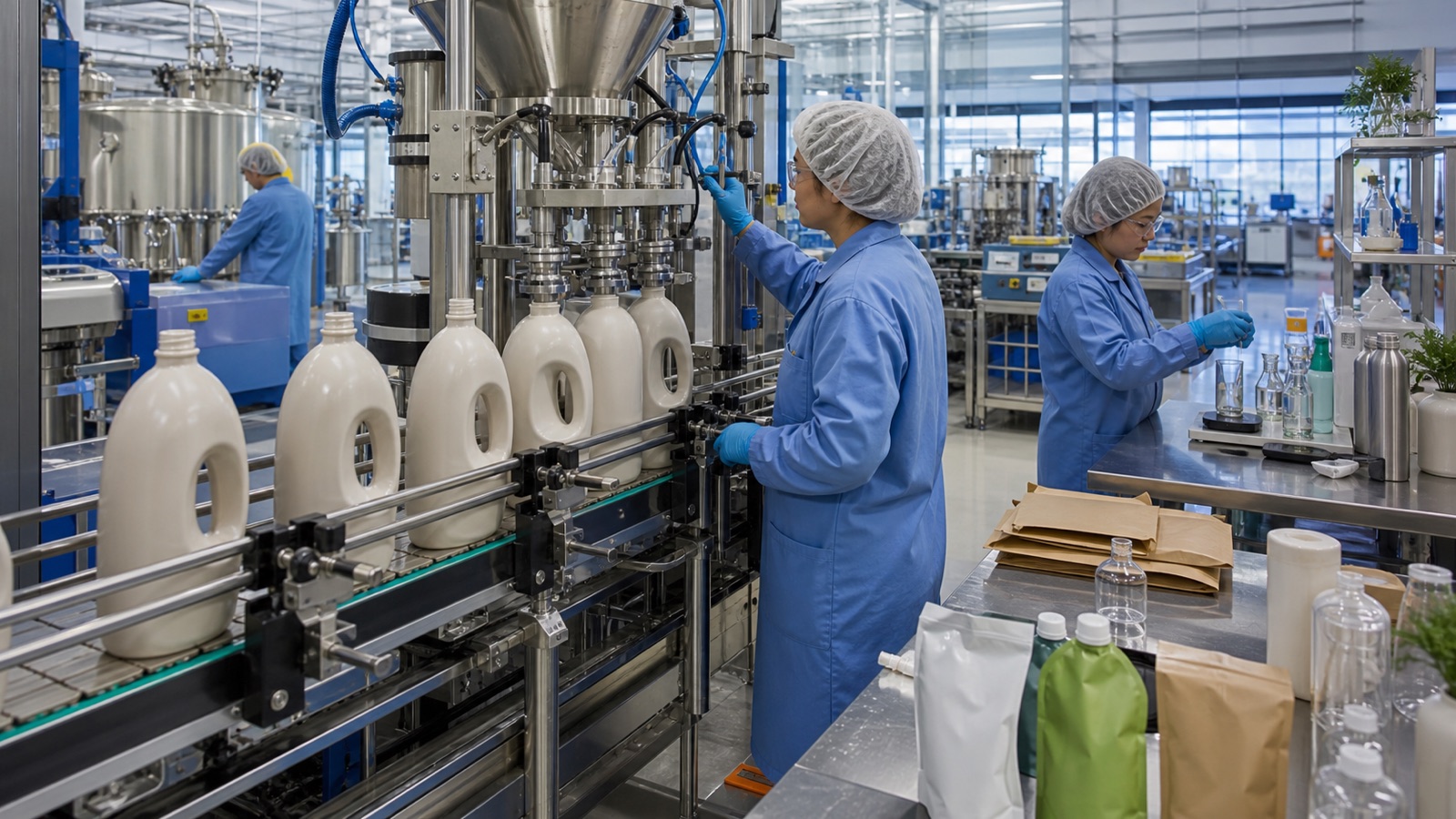
Architecture follows capital
Power Brand focus, the Ice Cream demerger, and the Foods plan show that brand architecture changes with strategic allocation.
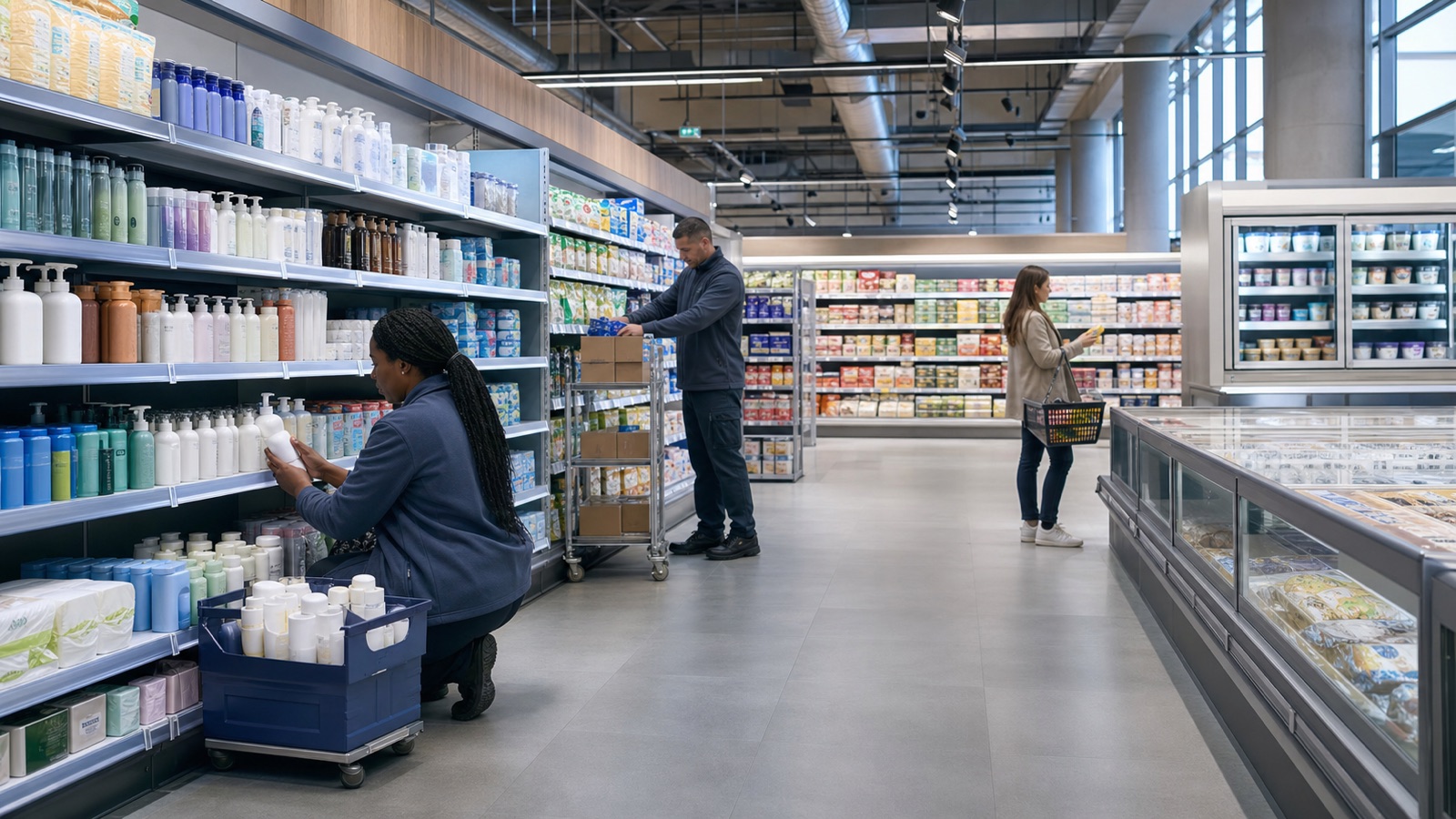
Distribution makes portfolio scale visible
The parent earns relevance when shared reach and capabilities strengthen distinct category brands.
Product and service system
Lever Brothers and Margarine Unie combine to form Unilever.
The icon-built U launches and begins appearing on product packaging.
The Sustainable Living Plan puts shared environmental and social commitments at the parent level.
Category-focused business groups become the operating map.
Ice Cream demerges as The Magnum Ice Cream Company.
Unilever agrees to combine Foods with McCormick, subject to approvals and closing.
Turning points.
The strongest Unilever events are portfolio decisions that change what the parent owns, endorses, and asks the market to understand.
The U becomes an icon-built corporate mark and moves onto packaging.
The Magnum Ice Cream Company becomes separately listed on 6 December 2025.
Unilever announces the proposed Foods combination with McCormick on 31 March 2026.
Unilever reports 57% of plastic packaging reusable, recyclable, or compostable in 2025.
Public reaction.
The corporate brand gains authority from disclosure and scale, but major portfolio moves and sustainability gaps can make the system look unsettled.
Four continuing business groups, Power Brand concentration, daily use, and audited results make the scale and category focus inspectable.
Ice Cream has demerged, Foods is under an announced combination, and plastic-packaging progress remains below the final goal.
Full timeline.
Lever Brothers and Margarine Unie combine as Unilever.
The icon-built U launches and the corporate name moves onto product packaging.
Unilever launches its Sustainable Living Plan.
Unilever adopts category-focused business groups.
The Magnum Ice Cream Company demerges and lists separately.
Unilever announces an agreement to combine Foods with McCormick.
Steal / avoid.
- Decide which proof belongs to the parent and which belongs to the product brand.
- Use a stable corporate endorsement without forcing every category brand into one voice.
- Make portfolio focus visible in structure, reporting, and capital allocation.
- Do not list demerged or pending-separation brands as if the old architecture still controls them.
- Do not let a corporate purpose claim become broader than disclosed progress.
- Do not give every brand equal strategic weight when the business does not.
Short answer.
Unilever's brand signal is the blue icon-built U acting as a corporate owner and endorser over distinct category brands. The useful lesson is to separate parent proof from product-brand meaning, then keep the public architecture current when portfolios are sold, demerged, or combined.
Frequently asked questions
What is Unilever's core brand signal?
The blue U identifies the corporate owner and operating system behind category brands that keep their own consumer meanings.
Is Magnum still a Unilever brand?
The Ice Cream business demerged on 6 December 2025 as The Magnum Ice Cream Company. Unilever retained a 19.85% equity holding but no longer controls it as a business group.
What are Unilever's current business groups?
Beauty & Wellbeing, Personal Care, Home Care, and Foods. Foods is subject to an announced combination with McCormick that has not yet closed.
What should another brand steal from Unilever?
Separate parent governance and scale from the category meaning each product brand must own.
What should another brand avoid copying?
Do not use a static architecture chart when demergers, sales, and announced combinations have changed the real portfolio.
Need help with your own brand?
Use Private brand work when your name, identity, proof, or message needs a sharper branding decision.
Sources.
Use the education shelf for the concepts behind this brand page.
Private brand workUse this when the decision belongs to your own brand.
All brandsReturn to every brand page.
- Unilever Annual Report and Accounts 2025
- Unilever 2025 ESEF report
- Unilever Q1 2026 trading statement
- Unilever Q2 2026 pre-close aide-memoire
- Unilever 2025 demerger and ticker disclosure
- Unilever history and archives
- Unilever brands
- Unilever 1930 Annual Report
- Unilever 1969 Annual Report
- Unilever 2004 Annual Review
- Unilever current corporate site