UnitedHealth Group · Grow Your Brand · Integrated health-system scale · United States / Active
UnitedHealth Group
UnitedHealth Group joins coverage and care into one national health system. UnitedHealthcare carries the benefits relationship. Optum connects care delivery, pharmacy, data and services. The strength is integration at extraordinary scale; the pressure is proving that scale improves access, affordability and trust.
Positioning, name, and architecture.
Three evidence checks before the page talks about scale, color, or public reaction.
A benefits engine and a care-services engine operate inside one parent system.
UnitedHealth Group is the parent system that connects coverage through UnitedHealthcare with care and services through Optum.
United HealthCare Corporation adopted the UnitedHealth Group name as the enterprise expanded beyond one insurance identity.
No separate current marketing tagline is used here; the corporate mission is the governing line.
parent company / integrated health system
UnitedHealthcare carries benefits; Optum carries care delivery, pharmacy, data, technology and operating services.
Health insurance and benefits across employer, individual, Medicare and Medicaid markets.
benefits business: Coverage and member relationship source
Care delivery, value-based care and consumer health services.
care business: Care delivery source
Data, analytics, payments and operating technology for the health system.
health technology and services: Health-system infrastructure source
Pharmacy benefits, specialty pharmacy and medication services.
pharmacy care services: Pharmacy services source
Naming and tagline progression
UnitedHealth Group becomes the corporate name.
Help people live healthier lives and help make the health system work better for everyone.
Market and scale snapshot.
FY2025 figures use UnitedHealth Group's results release. A later July 2026 quarter belongs in current context, not inside the annual comparison.
FY2025 consolidated revenue.
FY2025 net earnings attributable to UnitedHealth Group common shareholders.
FY2025 cash flows from operations; observed in the 27 Jan 2026 results release.
NYSE-listed parent company.
Color system.
Blue signals continuity and infrastructure. Cyan introduces movement without turning care into a technology demo.
How the palette behaves
Deep blue holds institutional authority.
Cyan separates connected services and forward motion.
White space keeps a large portfolio legible.
Recognition assets.
Memory pieces the brand can use before someone finishes a sentence.
UnitedHealth Group must stay distinct from UnitedHealthcare, its benefits business.
UnitedHealthcare and Optum explain how coverage, care and services connect.
The brand becomes credible when care, pharmacy and payment work as one route.
Scores.
Use these scores to compare recognition, trust, proof, pressure, and risk.
The parent wordmark is clear, though the operating brands are often better known.
The two-engine model is strong when UnitedHealthcare and Optum roles stay explicit.
Fortune rank and FY2025 revenue demonstrate exceptional scale.
Institutional cues require real care proof to avoid abstraction.
Cyber, Medicare and concentration scrutiny raise the proof burden.
The parent, benefits business and Optum segments can be labeled precisely.
Blue and the wordmark travel consistently across corporate surfaces.
Scale turns every trust failure into an enterprise-wide brand issue.
How the logo changed.
The parent identity moved from a serif emblem-and-wordmark lockup through a wordmark-led system into the current corporate mark while the name stayed stable.
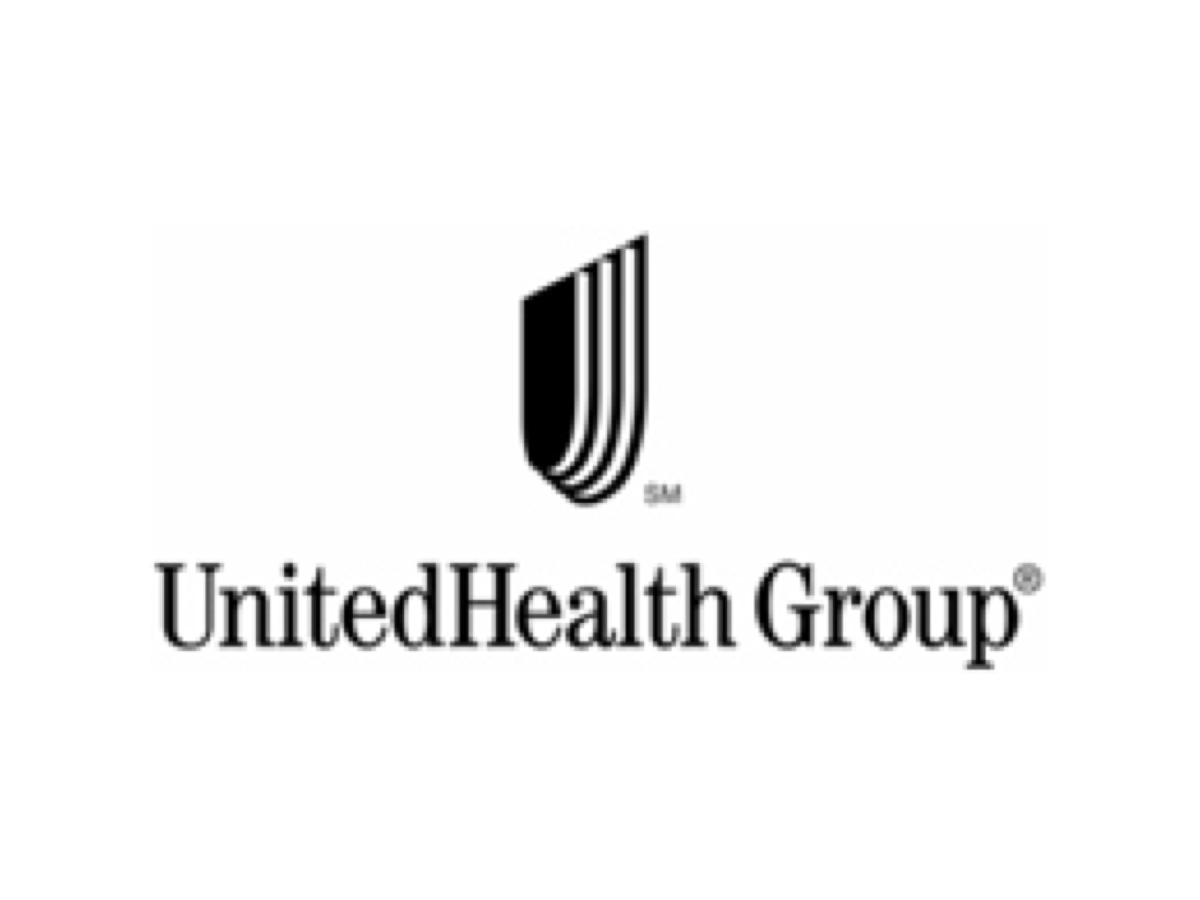
A 2006 SEC-filed earnings release used the striped emblem above a serif UnitedHealth Group wordmark. source
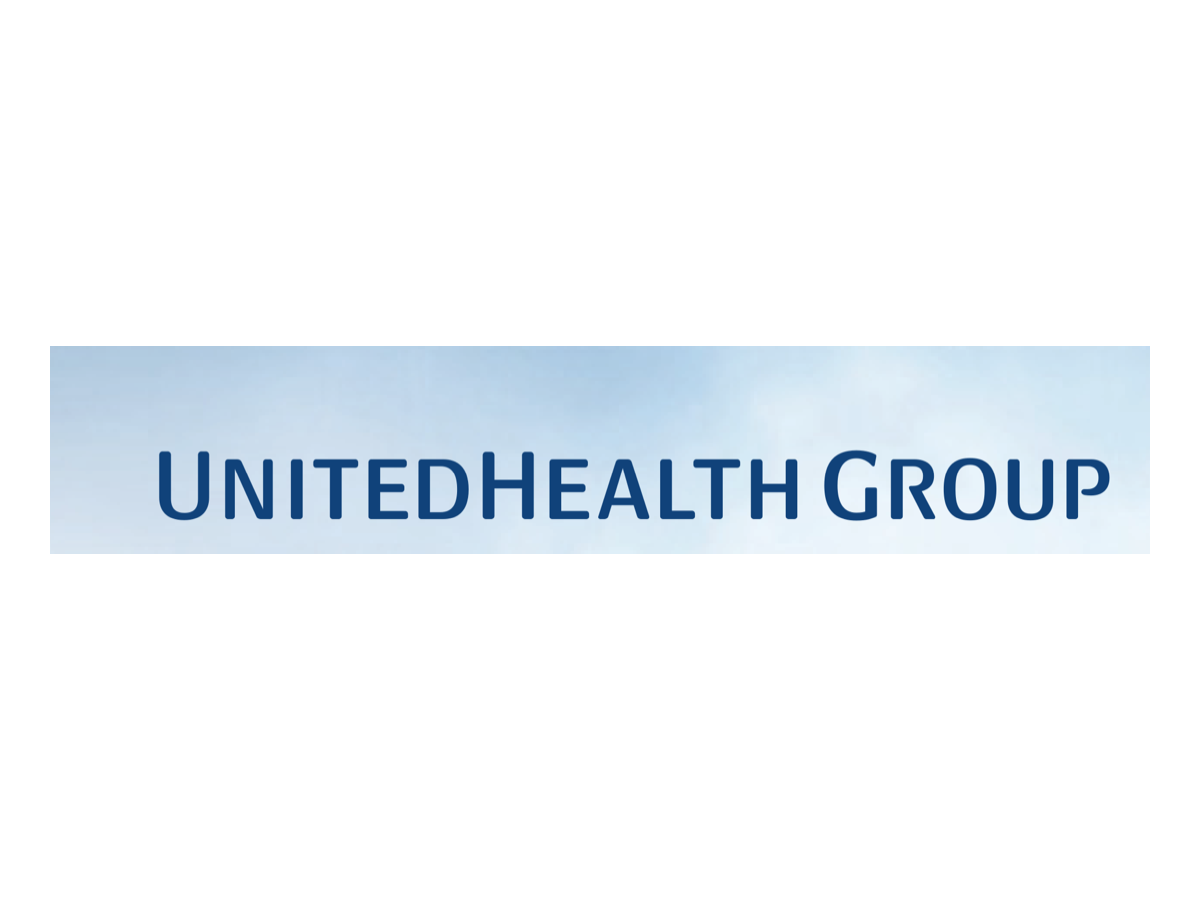
The 2013 annual report used the blue parent wordmark without substituting UnitedHealthcare or Optum. source
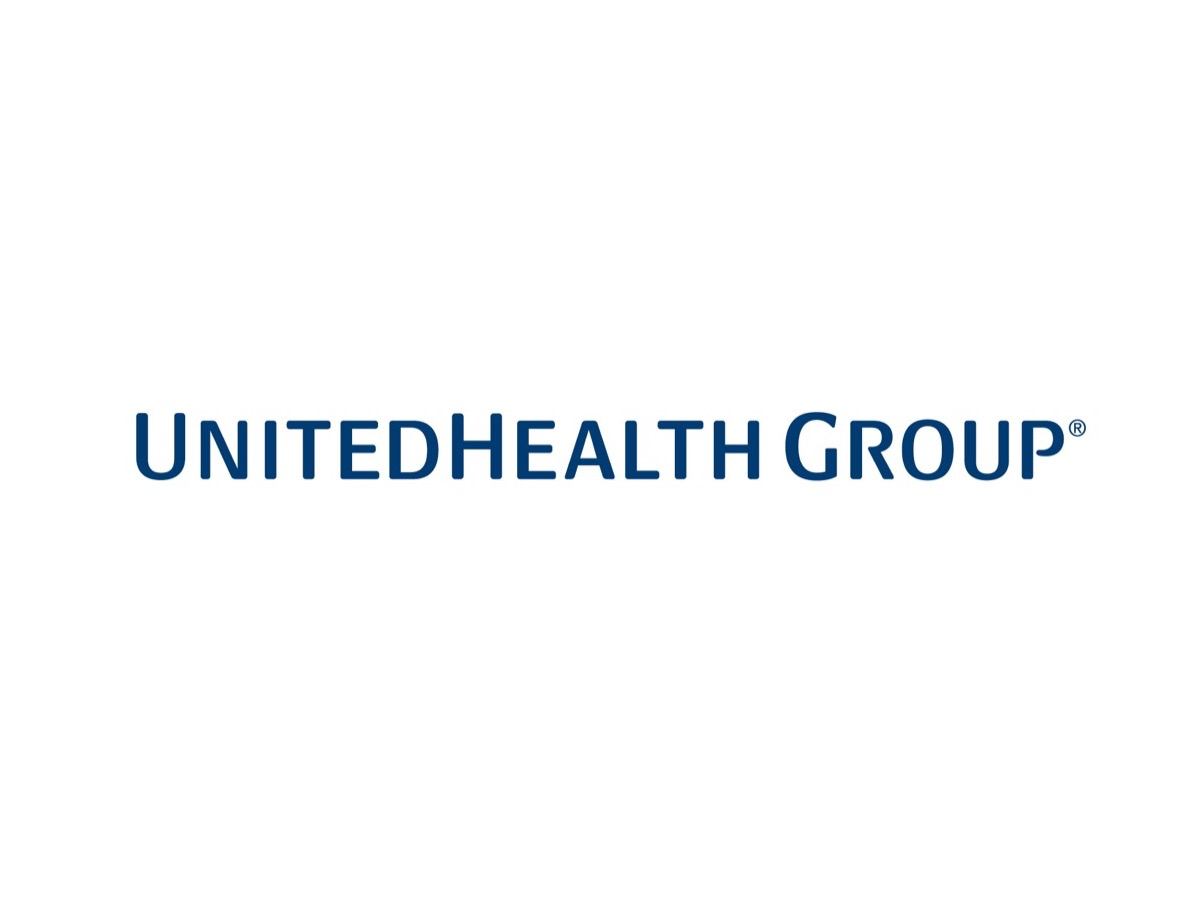
The current blue corporate wordmark uses cleaner spacing and narrower letterforms while keeping the parent name central. source
Product and service lineage.
The important moves expanded what the parent company could coordinate across benefits, care, pharmacy, payments and data.

Care delivery
The system has to reach the moment where a person receives care.

Pharmacy services
Medication access connects benefit design, fulfillment and clinical support.

Care beyond the clinic
Home care makes the integrated model visible outside a facility.

Claims and payment infrastructure
Secure data, claims review and payment handoffs carry the system between care settings.
Product and service system
The company is incorporated in Minnesota.
UnitedHealth Group becomes the corporate name.
Health-services businesses are grouped under Optum.
Optum completes the Change Healthcare combination.
Optum completes the Amedisys acquisition under a court-approved settlement.
Turning points.
Scale amplifies both operating proof and public pressure.
Revenue reaches USD 447.6B while earnings reset under higher medical costs.
The Change Healthcare attack disrupts claims and payment infrastructure.
Medicare, coding and integration questions remain under regulatory review.
Public reaction.
The useful read separates the company's improvement claims from unresolved external scrutiny.
Coverage, care and pharmacy can reinforce one another when the handoffs work.
A cyber or regulatory failure inside one unit can weaken trust in the whole parent system.
Full timeline.
The company is incorporated in Minnesota.
The corporate name changes to UnitedHealth Group.
The services businesses are organized as Optum.
Optum completes its combination with Change Healthcare.
Change Healthcare suffers a major cyberattack.
Stephen Hemsley returns as chief executive.
The company publishes results from its independent-review improvement program.
Steal / avoid.
- Make the parent architecture explain how operating units reinforce one another.
- Pair scale numbers with visible customer handoffs.
- Treat resilience and stewardship as brand proof.
- Do not confuse the parent with its best-known operating brand.
- Do not use scale as a substitute for affordability or care outcomes.
- Do not present a company-commissioned review as government clearance.
Short answer.
UnitedHealth Group's clearest signal is its two-engine architecture: UnitedHealthcare manages coverage while Optum connects care, pharmacy, data and health services. The useful lesson is that integration becomes a brand advantage only when every handoff earns trust.
Frequently asked questions
What is UnitedHealth Group's core brand signal?
A two-engine system: UnitedHealthcare for coverage and Optum for care, pharmacy, data and services.
What should another brand steal from UnitedHealth Group?
Make the portfolio architecture explain a real operating handoff.
What should another brand avoid copying?
Do not present integration or scale as proof unless customers can see the benefit and the stewardship.
What was UnitedHealth Group's 2026 Fortune 500 rank?
UnitedHealth Group ranked number 3 in the 2026 Fortune 500.
Need help with your own brand?
Use Private brand work when your name, identity, proof, or message needs a sharper branding decision.