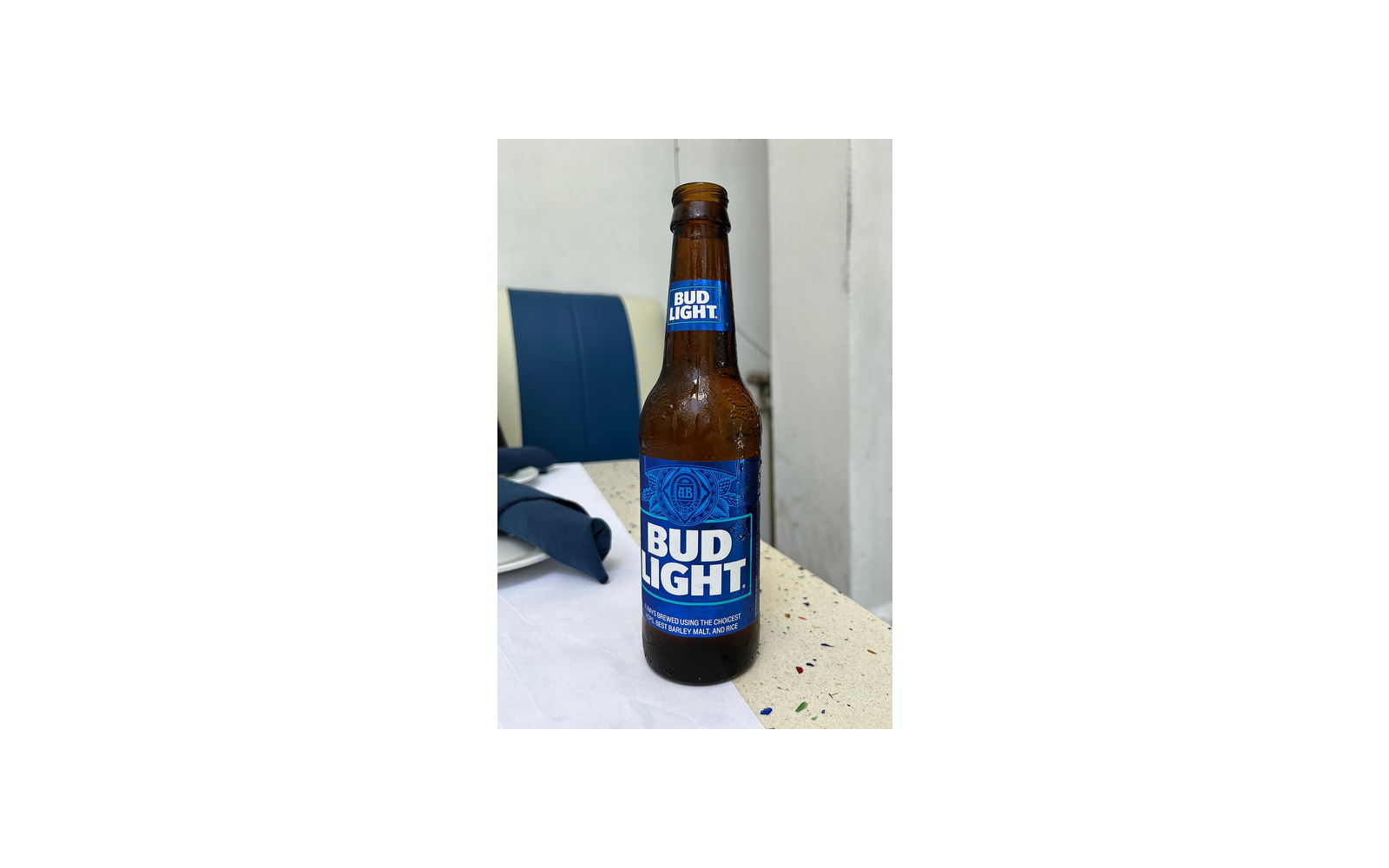
Disaster / Beer / Beverage / 2023-2024
Bud Light and the Audience Signal That Became a Distribution Problem
Bud Light showed how fast a mass-market beer brand can become a public signal problem when a small campaign artifact changes who the brand seems to be speaking for.
Short Answer
Bud Light and the Audience Signal That Became a Distribution Problem is a disaster case about Bud Light in 2023-2024. A limited influencer promotion became larger than its media weight because it made a broad beer brand feel like a public identity argument. A sponsorship signal can carry more meaning than the spend behind it. When a broad-reach brand triggers opposing readings at once, the issue is not only backlash. It is whether distributors, retailers, loyal buyers, and new audiences all understand the same brand role.
Key Takeaways
- Bud Light was not a classic logo rebrand. The failure was a meaning shift around audience, category code, and public identity.
- A personalized influencer promotion became a larger argument about who the brand was for.
- AB InBev's 2023 reporting made the U.S. impact visible through revenue, volume, and wholesaler pressure.
- Mass-market beer brands depend on distribution trust, bar memory, retail shelf habit, and audience stability.
- The operator lesson is to test who each signal seems to include, exclude, or force into a public argument.
The Decision Context
Bud Light was a broad-reach light beer brand. That kind of brand has to stay easy for many different buyers to choose in public without asking them to explain the choice.
The 2023 promotion was small as media. The consequence was large because the signal moved into identity, audience, politics, bars, shelves, distributors, and social behavior. The brand did not change its logo, package, or formula. The public meaning changed anyway.
The Signal Became Bigger Than The Spend
A personalized can and influencer post did not need national media weight to become a brand event. It only needed to make people argue about who the brand was speaking to and what choosing it now seemed to say.
That is dangerous for a mass beer brand. Beer is bought in public settings: bars, sports, coolers, restaurants, tailgates, stores, and shared gatherings. When the product becomes a public signal fight, the buying moment gets heavier.
Distribution Felt The Consequence
AB InBev's second-quarter 2023 results said U.S. sales-to-retailers declined 14.0 percent, primarily due to the volume decline of Bud Light. Its third-quarter results said U.S. STRs were down 16.6 percent, again primarily due to Bud Light volume decline. The full-year results still showed U.S. pressure in the fourth quarter.
That is why the case belongs in the archive. The brand event did not stay in social commentary. It reached retailers, wholesalers, revenue, sponsorship planning, shelf pressure, and recovery behavior.
Both Readings Created Risk
Some long-time buyers read the promotion as a break from the familiar category code. Some other audiences read the company's later response as retreat. The brand got caught between groups that wanted different public meanings from the same beer.
That is the operator problem. A broad brand can widen the audience, but it has to know which shared cues keep the old audience, the new audience, retailers, and distributors inside the same promise.
The Archive Reading
Bud Light is a disaster case because it shows that audience signaling is not soft marketing. It can become distribution pressure when it changes the risk of being seen with the product.
For operators, the lesson is direct. If audience expansion makes core buyers feel mocked and new audiences feel abandoned, the brand has not widened the tent. It has made itself the argument.
Case Depth
Why This Case Matters
Bud Light matters because it proves that audience signaling can become operating pressure. A beer brand did not need a logo change to suffer a meaning change.
The case is useful because it separates backlash noise from distribution consequence. The public argument mattered because it reached buying behavior, wholesalers, shelves, and revenue.
Operator Misread
What Operators Usually Misunderstand
- The shallow reading is that broad brands should avoid every controversial audience signal. The better reading is that broad brands need to know which shared cues keep different buyers inside the same purchase frame.
- Operators often test whether a campaign is visible. Bud Light shows the harder test: who feels invited, who feels mocked, and who feels forced to explain the product in public.
Source-Backed Timeline
The Decision Timeline
- April 2023 A limited influencer promotion became a public argument about audience, identity, and category codes.
- Second quarter 2023 AB InBev said U.S. sales-to-retailers declined 14.0 percent, primarily due to the volume decline of Bud Light.
- Third quarter 2023 AB InBev said U.S. STRs declined 16.6 percent, again primarily due to the volume decline of Bud Light.
- Full-year 2023 The U.S. pressure remained visible in AB InBev's year-end reporting, while recovery depended on retailer, wholesaler, and audience repair.
Comparable Cases
Sources
People Also Ask
What happened to Bud Light?
Bud Light and the Audience Signal That Became a Distribution Problem is a disaster case about Bud Light in 2023-2024. A limited influencer promotion became larger than its media weight because it made a broad beer brand feel like a public identity argument. A sponsorship signal can carry more meaning than the spend behind it. When a broad-reach brand triggers opposing readings at once, the issue is not only backlash. It is whether distributors, retailers, loyal buyers, and new audiences all understand the same brand role.
Why is Bud Light a disaster case?
Bud Light is filed as a disaster case because the visible consequence sits in that decision pattern. A limited influencer promotion became larger than its media weight because it made a broad beer brand feel like a public identity argument.
What can brands learn from Bud Light?
A sponsorship signal can carry more meaning than the spend behind it. When a broad-reach brand triggers opposing readings at once, the issue is not only backlash. It is whether distributors, retailers, loyal buyers, and new audiences all understand the same brand role.
Is Bud Light still operating?
The Brand Archive marks Bud Light as Active / continuing. That means the brand, company, platform, product system, or parent organization is still operating, continuing, or being actively resolved.
What should Bud Light be compared with?
Compare Bud Light with Coca-Cola, Guinness, Modelo to see the same decision pattern from nearby cases.