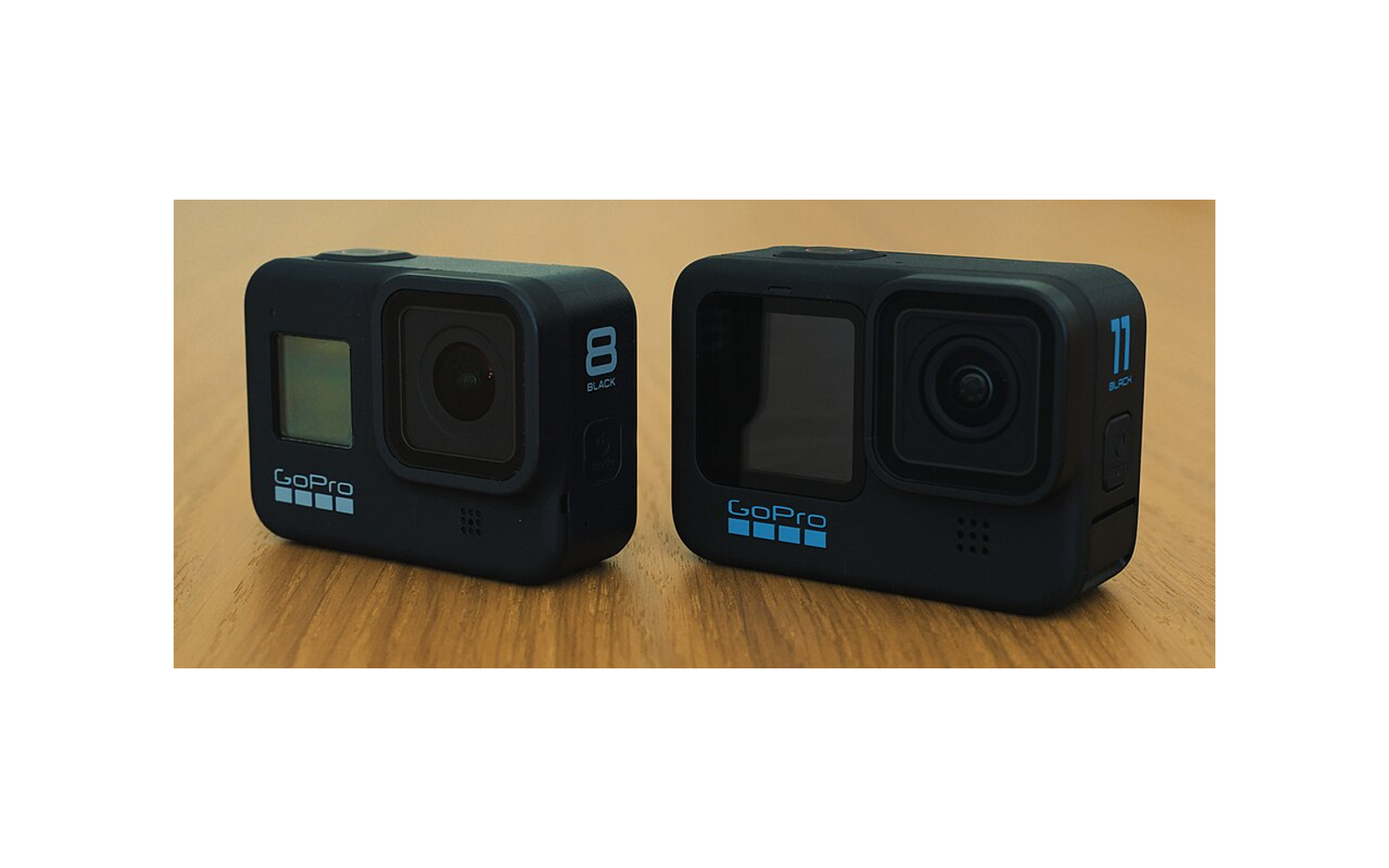
Brand System / Action Cameras / Creator Hardware / 2002 / 2004-present
GoPro and the HERO Action Camera System That Turned Users Into the Media
GoPro tied small rugged cameras, mounts, HERO naming, point-of-view footage, user submissions, software, and adventure distribution into a hardware brand powered by the clips customers made.
Short Answer
GoPro and the HERO Action Camera System That Turned Users Into the Media is a brand system case about GoPro in 2002 / 2004-present. GoPro made the customer's footage the proof of the product. Creator hardware gets stronger when output becomes marketing. GoPro made rugged cameras, mounts, point-of-view footage, and user sharing create a loop between product proof and brand media.
Key Takeaways
- GoPro's investor materials describe the company as helping people capture and share experiences.
- The HERO camera line gave the product a memorable naming spine.
- Mounts made the camera useful on helmets, boards, bikes, cars, drones, bodies, and gear.
- User clips turned durability, angle, motion, and proximity into public evidence.
- The operator lesson is that the best product demo may be what the customer creates after purchase.
The Decision Context
Traditional cameras were built around the person holding them. GoPro made a camera that could be mounted into the action, then let the footage explain why that mattered.
The product promise was visible in the angle: closer, rougher, faster, wetter, higher, lower, and harder to fake.
Mounts Changed The Camera Job
GoPro's investor materials describe the company around helping people capture and share experiences. The HERO line, camera size, rugged housing, and mount system made that promise practical.
The mount system mattered as much as the camera body. It let the product move from hand-held device to helmet, board, bike, chest, car, drone, and gear surface.
Users Became The Media Channel
GoPro did not have to explain every use case through polished brand film. Customers showed surf breaks, bike runs, jumps, dives, crashes, recoveries, and impossible angles themselves.
That made product proof and brand media feed each other. A better clip sold the camera and taught the next customer what to try.
The Archive Reading
GoPro belongs in the archive because it shows how hardware can become a media system when the customer's output is public, emotional, and easy to recognize.
For operators, the lesson is direct. Design for the moment after purchase when the user makes something other people want to see.
Comparable Cases
Sources
People Also Ask
What happened to GoPro?
GoPro and the HERO Action Camera System That Turned Users Into the Media is a brand system case about GoPro in 2002 / 2004-present. GoPro made the customer's footage the proof of the product. Creator hardware gets stronger when output becomes marketing. GoPro made rugged cameras, mounts, point-of-view footage, and user sharing create a loop between product proof and brand media.
Why is GoPro a brand system case?
GoPro is filed as a brand system case because the visible consequence sits in that decision pattern. GoPro made the customer's footage the proof of the product.
What can brands learn from GoPro?
Creator hardware gets stronger when output becomes marketing. GoPro made rugged cameras, mounts, point-of-view footage, and user sharing create a loop between product proof and brand media.
Is GoPro still operating?
The Brand Archive marks GoPro as Active / continuing. That means the brand, company, platform, product system, or parent organization is still operating, continuing, or being actively resolved.
What should GoPro be compared with?
Compare GoPro with YouTube, Twitch, Nike to see the same decision pattern from nearby cases.