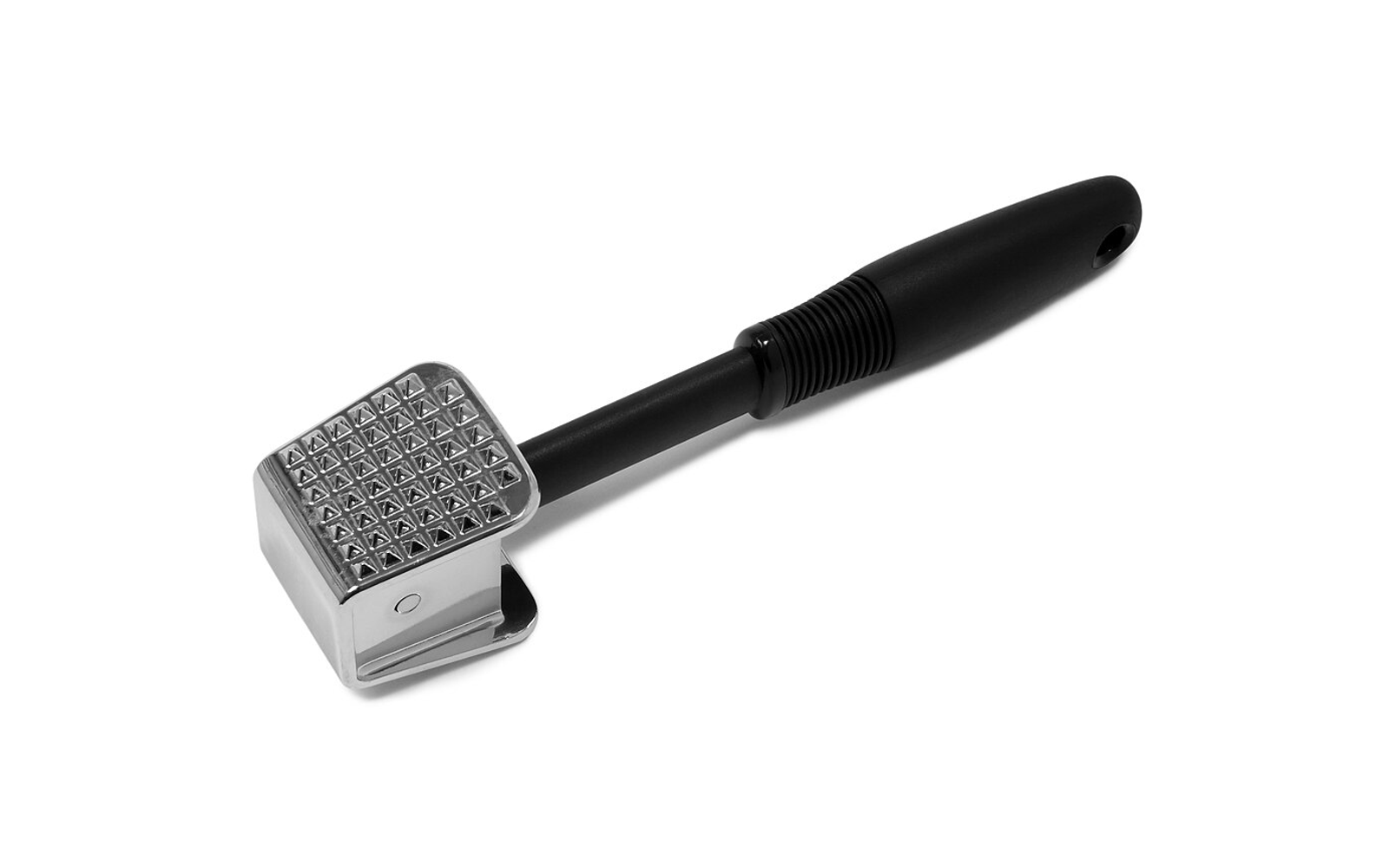
Brand System / Housewares / kitchen tools / 1990-present
OXO and the Good Grips System That Made Ergonomics Feel Ordinary
OXO turned a handle into a brand system: soft grips, universal design, kitchen-task specificity, shelf recognition, and practical comfort made housewares easier to trust.
Short Answer
OXO and the Good Grips System That Made Ergonomics Feel Ordinary is a brand system case about OXO in 1990-present. A housewares brand made ergonomic comfort visible by repeating the grip idea across ordinary kitchen tasks. A design feature becomes a brand when the customer can recognize it before reading the package. OXO made comfort, grip, weight, and task clarity carry the memory.
Key Takeaways
- OXO introduced Good Grips in 1990.
- The original design problem was a vegetable peeler that was hard to use for someone with arthritis.
- The brand grew by repeating the soft-grip and task-specific design language across kitchen tools and housewares.
- The useful decision was not only ergonomic intent. It was making ergonomic intent visible on the shelf.
- The operator lesson is to turn a product truth into a repeatable recognition system.
The Decision Context
Most kitchen tools are bought quickly and used repeatedly. A peeler, opener, whisk, or measuring cup has to explain itself before the customer wants a lecture about design.
OXO's Good Grips system did that by making comfort visible. The soft handle, thicker grip, black material cue, and task-specific shape turned a practical need into a shelf signal.
The Handle Became The Brand
The strongest part of the system is that the feature can be seen at a distance. The customer does not need to know the full design story to understand that the tool is meant to feel better in the hand.
That is why the grip mattered as branding. It joined product use, package recognition, and category memory. The brand lived in the part of the object the user touched.
Universal Design Became Everyday Design
The arthritis origin story matters because it keeps the brand honest. OXO was not selling design taste alone. It was solving for hands that needed more control, more comfort, and less strain.
The larger lesson is that accessibility work can become mainstream when the benefit is obvious to everyone. Better grip helps people with arthritis, but it also helps tired hands, wet hands, older hands, and rushed cooks.
The Archive Reading
OXO belongs in the archive because it shows how an ordinary object can carry a durable brand idea. The system did not need spectacle. It needed a product cue that kept proving itself in use.
For operators, the lesson is simple: if the product truth is tactile, make the brand tactile too.
Comparable Cases
Sources
People Also Ask
What happened to OXO?
OXO and the Good Grips System That Made Ergonomics Feel Ordinary is a brand system case about OXO in 1990-present. A housewares brand made ergonomic comfort visible by repeating the grip idea across ordinary kitchen tasks. A design feature becomes a brand when the customer can recognize it before reading the package. OXO made comfort, grip, weight, and task clarity carry the memory.
Why is OXO a brand system case?
OXO is filed as a brand system case because the visible consequence sits in that decision pattern. A housewares brand made ergonomic comfort visible by repeating the grip idea across ordinary kitchen tasks.
What can brands learn from OXO?
A design feature becomes a brand when the customer can recognize it before reading the package. OXO made comfort, grip, weight, and task clarity carry the memory.
Is OXO still operating?
The Brand Archive marks OXO as Active / continuing. That means the brand, company, platform, product system, or parent organization is still operating, continuing, or being actively resolved.
What should OXO be compared with?
Compare OXO with Alibaba, Tencent, Xiaomi to see the same decision pattern from nearby cases.