Launch / Eyewear retail / direct-to-consumer / 2010-present
Warby Parker and the Home Try-On System That Made Eyewear Easier to Buy
Warby Parker made glasses less intimidating by linking fixed-price frames, home try-on, direct retail, social mission, stores, eye exams, and online selection into one buying habit.
Short Answer
Warby Parker and the Home Try-On System That Made Eyewear Easier to Buy is a launch case about Warby Parker in 2010-present. An eyewear brand reduced purchase anxiety by letting customers test identity at home before turning the channel into a store network. When the product sits on the face, the buying system has to lower social risk. Warby Parker made selection, try-on, price, prescription, store visit, and mission feel like one controlled decision.
Key Takeaways
- Warby Parker launched in 2010.
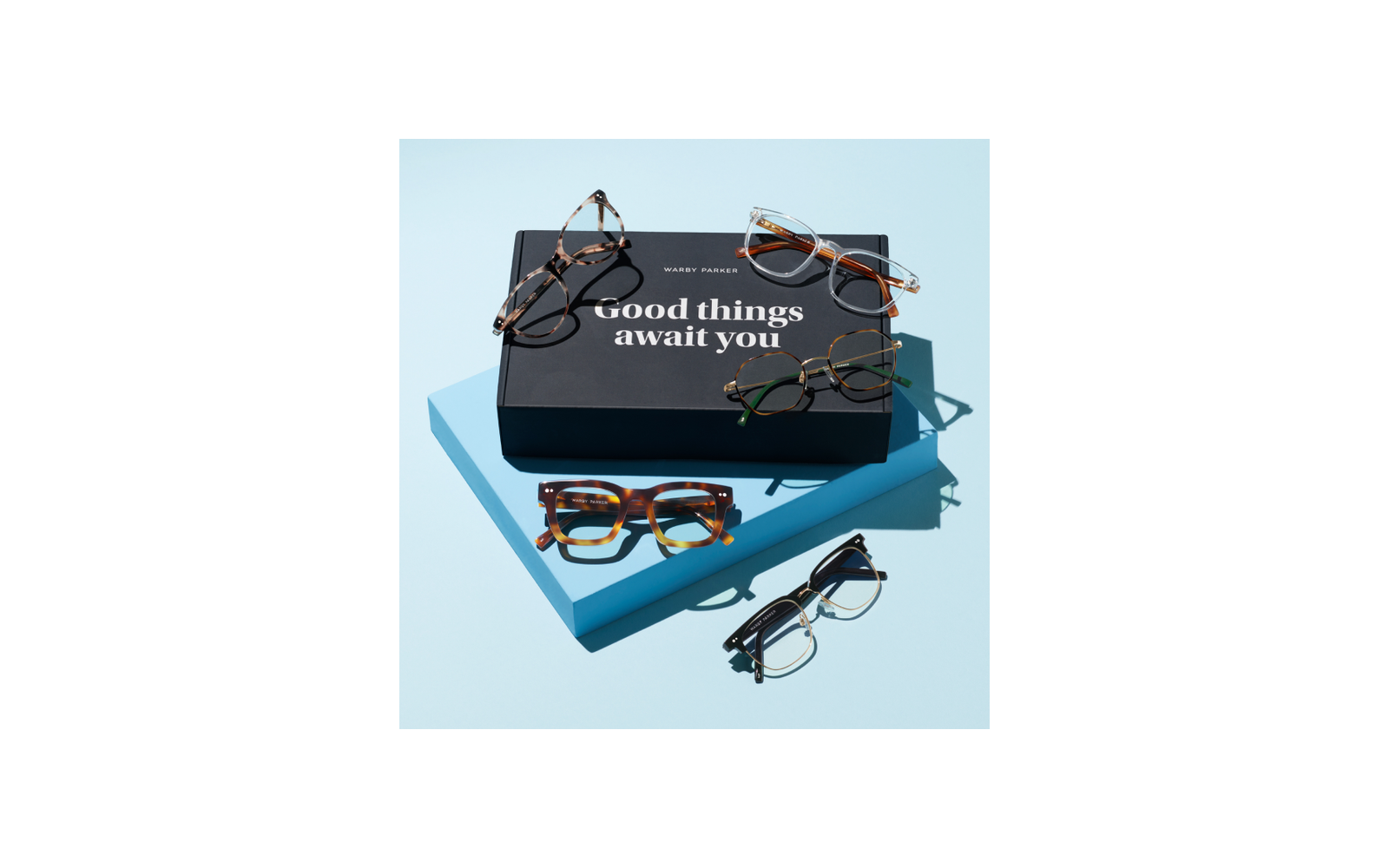
- The company became known for its Home Try-On program, which made five-frame testing a recognizable buying ritual before its later store and digital-retail continuation.
- Warby Parker paired direct eyewear pricing with a Buy a Pair, Give a Pair program.
- The later retail store network did not replace the digital system. It gave the same buying logic a physical door.
- The operator lesson is to design around the customer's fear of choosing wrong.
The Decision Context
Glasses are functional, medical, social, and personal at the same time. A customer is not only buying lenses. They are choosing something other people will see on their face.
Warby Parker's early system understood that pressure. Home Try-On let the customer move the decision into a private setting, compare frames, ask friends, and reduce the fear of looking wrong.
Home Try-On Changed The Channel
Direct-to-consumer eyewear could have felt risky because fit and face shape are hard to judge online. Warby Parker's answer was not only a better product page. It was a sampling ritual.
That ritual made the brand easier to remember. The box, five frames, mirror test, return path, and fixed-price framing turned online eyewear into a behavior people could explain to someone else.
Stores Became A Continuation
The store network mattered because the product still has physical needs: adjustment, exams, prescriptions, lens questions, and the simple fact of seeing the frame in person.
The smart part is continuity. The store did not need to erase the online promise. It could make the same buying system more complete.
The Archive Reading
Warby Parker belongs in the archive because it shows how a launch can win by redesigning the buying risk around the product. The company did not only sell cheaper glasses. It made the selection process feel safer.
For operators, the lesson is to identify the moment where the customer feels exposed and build the channel around that moment.
Comparable Cases
Sources
People Also Ask
What happened to Warby Parker?
Warby Parker and the Home Try-On System That Made Eyewear Easier to Buy is a launch case about Warby Parker in 2010-present. An eyewear brand reduced purchase anxiety by letting customers test identity at home before turning the channel into a store network. When the product sits on the face, the buying system has to lower social risk. Warby Parker made selection, try-on, price, prescription, store visit, and mission feel like one controlled decision.
Why is Warby Parker a launch case?
Warby Parker is filed as a launch case because the visible consequence sits in that decision pattern. An eyewear brand reduced purchase anxiety by letting customers test identity at home before turning the channel into a store network.
What can brands learn from Warby Parker?
When the product sits on the face, the buying system has to lower social risk. Warby Parker made selection, try-on, price, prescription, store visit, and mission feel like one controlled decision.
Is Warby Parker still operating?
The Brand Archive marks Warby Parker as Active / continuing. That means the brand, company, platform, product system, or parent organization is still operating, continuing, or being actively resolved.
What should Warby Parker be compared with?
Compare Warby Parker with Square, Oatly, easyJet to see the same decision pattern from nearby cases.