Archive Status
Active Brands
The operating-brand side of The Brand Archive: current companies, continuing brand systems, live strategic resets, and unresolved status-watch files.
- Lane files
- 409 Operating or unresolved brands
- Separated
- 25 Terminal files kept apart
- Page
- 16/18 Case-list pagination
Short Answer
Active Brands collects Brand Archive cases where the brand, company, platform, product system, or parent organization is still operating, continuing, or unresolved.
Shelf Rule
Operating status gets its own shelf.
An active brand file means the organization, product system, platform, or parent brand is still in motion. It is not praise.
Status Boundary
Active is operating state, not praise.
Use this lane when the brand, company, platform, product system, or parent organization is still in motion. A bad decision by an active company belongs here until the operating system itself is gone.
Compare these files by present decision pressure: the market is still watching, buying, leaving, forgiving, or waiting for the next move.
Active Brands Case Files, Page 16
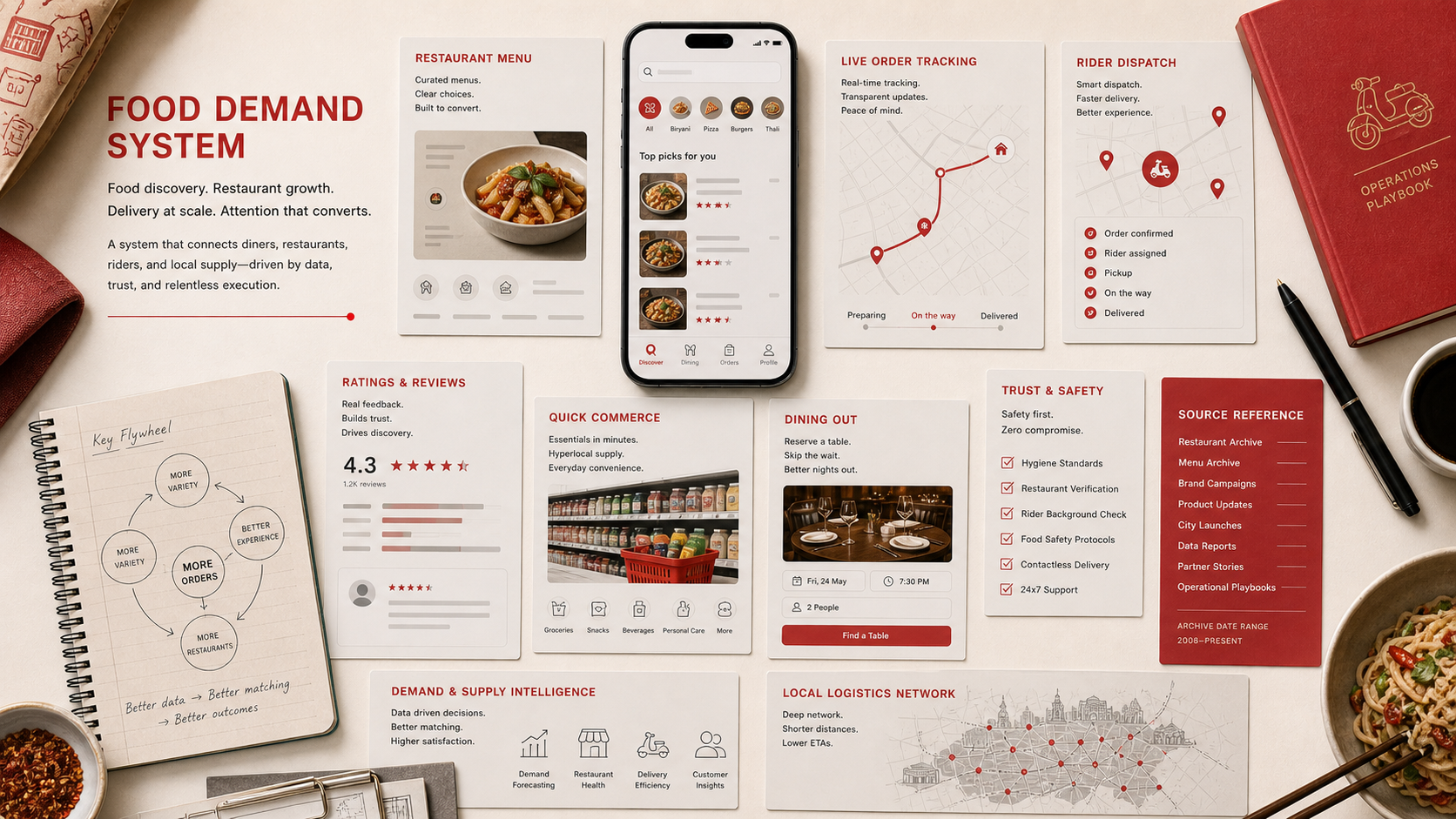
Trendyol / 2010-present
Trendyol: Brand System case in Ecommerce / Marketplace
Trendyol turned Turkish ecommerce into faster by joining marketplace selection, seller tools, delivery routes, fashion assortment, grocery service, app behavior, and orange checkout memory.
Tropicana / 2009
Tropicana: Failure case in CPG
The redesign case sits at the center of recognition equity: when the asset is visual memory, improvement starts by protecting the cue shoppers already use.
Tsingtao / 1903-present
Tsingtao: Brand System case in Beer / export heritage
Tsingtao built Chinese beer legible abroad by connecting brewery heritage, green-bottle recognition, Qingdao origin, export routes, ingredient cues, and restaurant-shelf memory.
TSMC / 1987-present
TSMC: Trust case in Semiconductors
TSMC built an invisible B2B manufacturing role publicly meaningful by turning customer neutrality, process leadership, yield learning, capacity discipline, and supply-chain reliability into brand trust.
Turkcell / 1994-present
Turkcell: Brand System case in Telecom / Mobile network
Turkcell turned Turkish mobile coverage into friendly by joining yellow recognition, SIM cards, prepaid top-ups, coverage maps, network towers, account screens, and everyday connection.
Turkish Airlines / 1933-present
Turkish Airlines: Brand System case in Airline / Flag carrier
Turkish Airlines built a flag carrier global by joining Istanbul hub logic, red route recognition, long-haul reach, hospitality rituals, timetables, boarding passes, and national service memory.
Twitch / 2019-present
Twitch: Rebrand case in Live Streaming / Creator Platforms
Twitch used purple, Glitch, chat, emotes, creator color, and a product design system to make live streaming feel like a shared room rather than a plain video page.
Uber / 2016-2018
Uber: Failure case in Ride hailing / Mobility platform
Uber's 2016 identity change is a warning for any rebrand proposal that treats a small app icon as a design surface instead of a live customer-finding cue.
Uber / 2010s-present
Uber: Launch case in Mobility Platform
Uber did more than digitize taxi ordering. It trained riders to expect live location, ETA certainty, cashless payment, and post-trip accountability as part of ordinary city transport.
UBS / 1862-present
UBS: Trust case in Banking / Wealth management
UBS built Swiss banking trust visible by joining the three-key mark, wealth advice, universal-bank roots, risk discipline, client discretion, global offices, and the Credit Suisse integration into one governed financial signal.
Ülker / 1944-present
Ülker: Brand System case in Food / Biscuits and snacks
Ülker built Turkish snack memory travel by joining biscuits, chocolate, family pantry cues, shelf color, factory continuity, Yildiz Holding scale, and small daily eating rituals.
Unilever / 1929-present
Unilever: Brand System case in Consumer goods / Brand holder
Unilever shows a different brand-holder pattern from P&G: a portfolio of local and global category brands held together by business-group focus, sustainability proof, market localization, and brand governance.
UNIQLO / 1984-present
UNIQLO: Brand System case in Everyday apparel / functional basics
UNIQLO built a global apparel brand around plain daily clothing, textile function, repeatable store logic, and a LifeWear idea That Turned basics Into designed rather than cheap.
United Airlines / 2017
United Airlines: Disaster case in Airlines
The passenger-removal crisis showed how quickly a policy decision becomes a brand disaster when procedure overrides human judgment in public.
UPS / 1907-present
UPS: Trust case in Logistics
UPS turned a brown package-car look, delivery coverage, tracking, and service recovery into a public proof system: customers could see the promise, status, and backup path.
Vale / 1942-present
Vale: Brand System case in Mining / Logistics
Vale built mining scale visible through iron ore, rail networks, port logistics, export routes, infrastructure proof, commodity discipline, and safety governance.
Vegemite / 1923-present
Vegemite: Brand System case in Packaged food / Spread
Vegemite built a polarizing spread national by joining the black jar, toast ritual, school lunches, pantry repetition, Australian-built cues, and shared taste memory.
Vespa / 1946-present
Vespa: Brand System case in Scooters / Urban mobility
Vespa turned pressed-steel scooter engineering, postwar Italian mobility, city practicality, cinema memory, and style into one compact freedom system.
Vicks / 20th century-present
Vicks: Launch case in Healthcare Naming
Vicks tracks how a healthcare brand can localize without drama: German-speaking markets use WICK, preserving the product family while making the name feel locally legible.
Victorinox / 1884-present
Victorinox: Product System case in Tools / Cutlery / Travel gear
Victorinox built preparedness portable by joining Swiss cutlery roots, the officer's knife, red scales, modular tools, serviceability, travel use, and a compact trust mark into one pocket object.
Vinted / 2008-present
Vinted: Trust case in Secondhand marketplace / recommerce
Vinted built secondhand fashion easier to move by removing seller fees, giving buyers protection, standardizing shipping, and turning closet clean-out into a low-friction marketplace habit.
Visa / 1958 / 1976-present
Visa: Trust case in Payments
Visa turned a card name into a portable trust signal by making acceptance visible across merchants, issuers, acquirers, terminals, receipts, travel, and everyday checkout moments.
Vitasoy / 1940-present
Vitasoy: Shelf Memory System case in Plant-based beverages / Ready-to-drink tea
Vitasoy built a Hong Kong beverage system from soy milk, paper cartons, VITA lemon tea, shelf repetition, plant-based nutrition, and export reach.
VK / 2006-present
VK: Brand System case in Social network / Internet services
VK built local internet identity networked by joining profiles, groups, messaging, music, video, service tabs, and community memory into one social platform.
Active Brands FAQ
What belongs in Active Brands?
A case belongs here when the brand, company, platform, product system, or parent organization is still operating, continuing, or unresolved.
How is this different from Brand Failures?
Brand Failures are decision-type cases. Failed Brands are status cases. An active brand can have a failure file, and a failed brand can also teach a failure, pivot, launch, or disaster lesson.
Are these rankings?
No. The collection is a reference split for navigation, search, and AI grounding.