Grow Your Brand Branding Guide 2026-07-04
Grow Your Brand Brand pages, supporting guides, and private brand work in separate lanes.

Message lesson · FedEx

FedEx shows that a promise gets stronger when operations can repeat it.

A brand promise works when the buyer can see how it will be kept. For logistics, the message is speed, time, tracking, recovery, and confidence under pressure.
Time promise The brand is tied to delivery confidence and speed.
Tracking proof Shipment status turns the promise into a visible surface.
Hard lesson Never write a promise the operation cannot repeat.
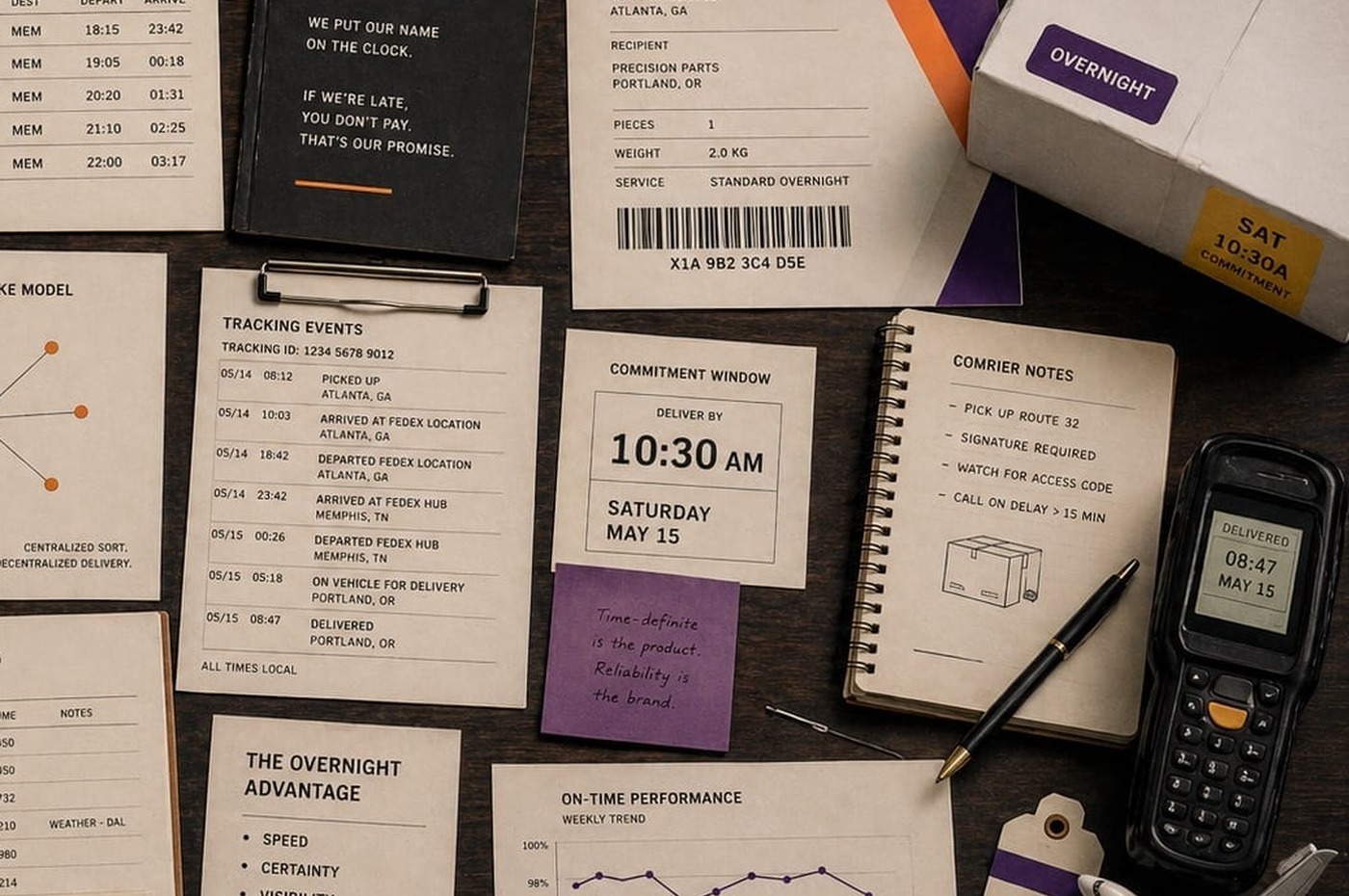
FedEx time-promise visual showing delivery and route-pressure proof.

Core message

A promise needs an operating system.

FedEx is a message lesson because the public promise only works when pickup, routing, tracking, delivery, and recovery can make it believable.
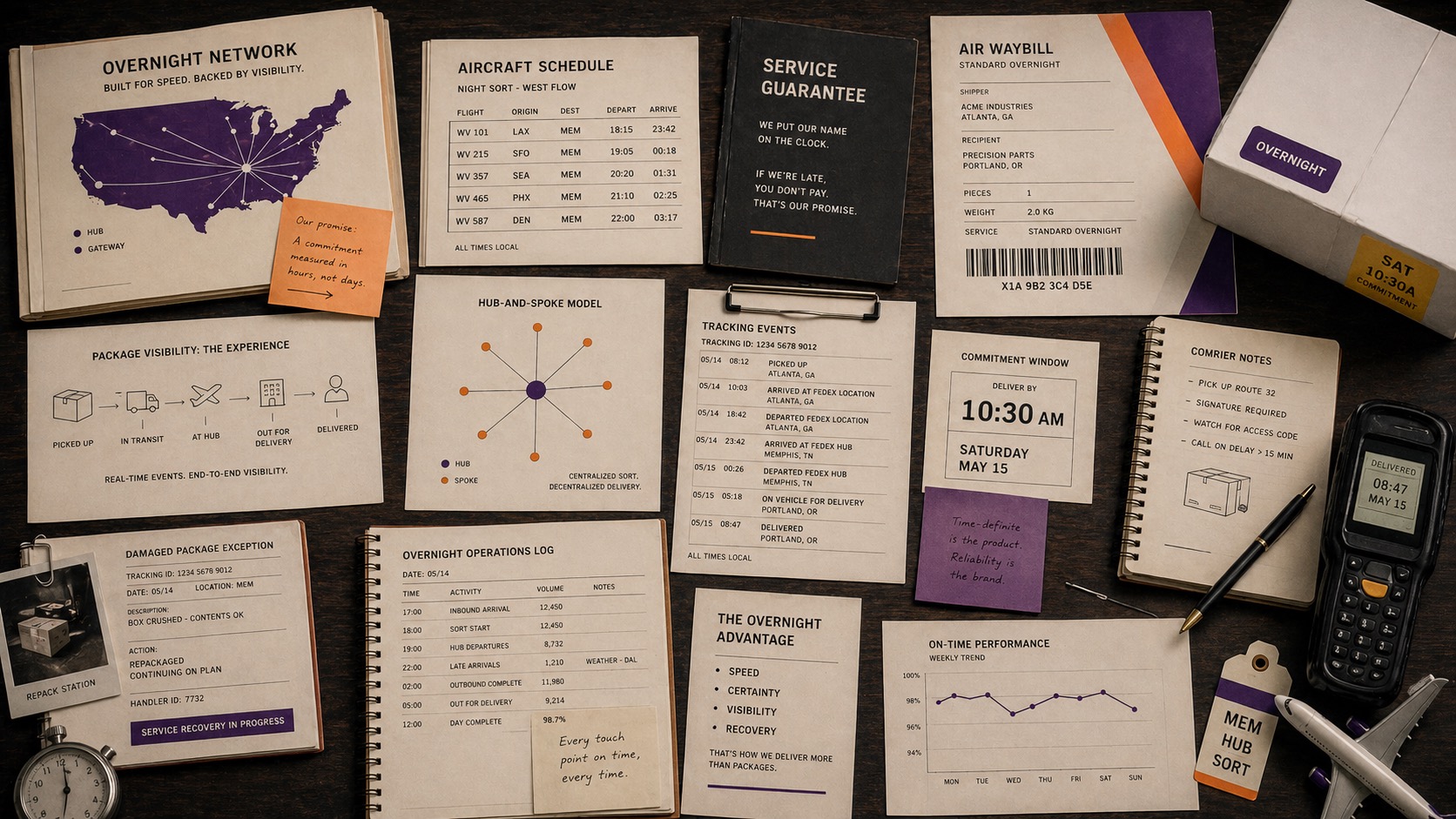
FedEx tracking and recovery visual showing shipment status and delivery confidence surfaces.
Tracking makes the promise visible between purchase and delivery.
Visual proof

What the brand page visuals add.

These are the built brand-page assets doing the teaching: cue, surface, and proof.

FedEx time promise proof visual.
Time promise The clock makes the claim accountable A speed promise becomes powerful because the buyer can measure it.
FedEx tracking recovery proof visual.
Tracking proof Status keeps the promise alive The brand message continues after purchase through updates and recovery.
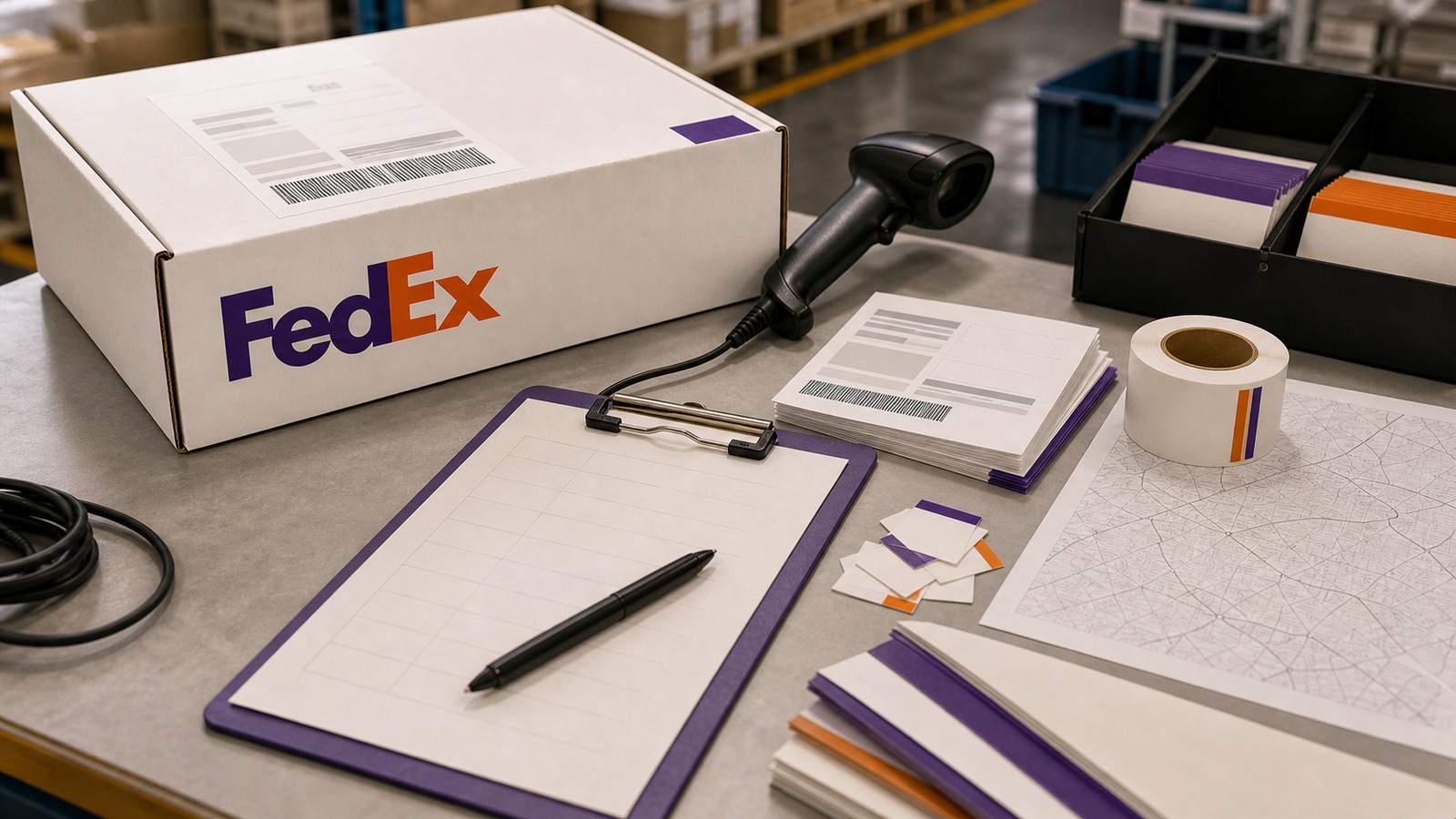
FedEx logistics desk proof visual.
Operating surface The system has to repeat the line A promise is only credible when the operation can keep showing proof.
01

What happened.

FedEx built memory around time. The brand became associated with delivery confidence, urgency, and a clear shipping job.
The promise needed proof surfaces. Tracking, service options, delivery updates, and recovery paths made the message easier to believe.
The operation carried the copy. The words worked because the network, route, and service system gave buyers something to trust.
02

The message break to avoid.

A promise can make a brand famous and still become dangerous if the operation cannot keep it.

Promise clarity

The buyer knows the job

The message makes the delivery expectation clear.

Proof pressure

Time creates accountability

A delivery promise can be checked by the buyer.

Tracking surface

Status reduces anxiety

Visibility keeps the promise alive after checkout.

Recovery path

Problems need a door

When delivery fails, the support surface becomes the brand.

Operational truth

Copy depends on routing

The brand message is only as strong as the system behind it.

Scope discipline

Do not overclaim

The promise should match service levels, markets, and real constraints.

03

The hard lesson.

Operational promises need proof before polish. A clear promise without a repeatable system becomes a complaint generator.

Decision
What looked strong
What could weaken
Safer move
Promise line
Speed and certainty
Missed delivery
Tie copy to service levels and constraints.
Tracking
Visibility
Status without action
Make updates useful and timely.
Service menu
Choice
Buyer confusion
Explain which option carries which promise.
Recovery
Support confidence
No clear next step
Give late, lost, or changed shipments a direct path.
Brand scale
Network trust
Local exceptions
Keep the message honest by market and service type.
04

Use this before making a promise.

Approve when
  • The promise names a buyer problem the operation can solve.
  • The proof appears on the page, product, receipt, or support path.
  • The buyer can track progress after purchase.
  • There is a recovery path when the promise fails.
  • The promise has service-level boundaries.
Hold when
  • The line is stronger than the delivery system.
  • The proof lives only in marketing copy.
  • Support does not know how to explain the promise.
  • The promise changes by market but the copy does not.
  • The team cannot say what happens when the promise breaks.
05