Pier 1 Imports
The store trip and tactile browsing path weakened before the name disappeared.
Branding guide · evidence and decision
A brand starts failing when customers solve the old job through a new route. Connect Brand Files into reusable lessons that readers can apply to a real brand.
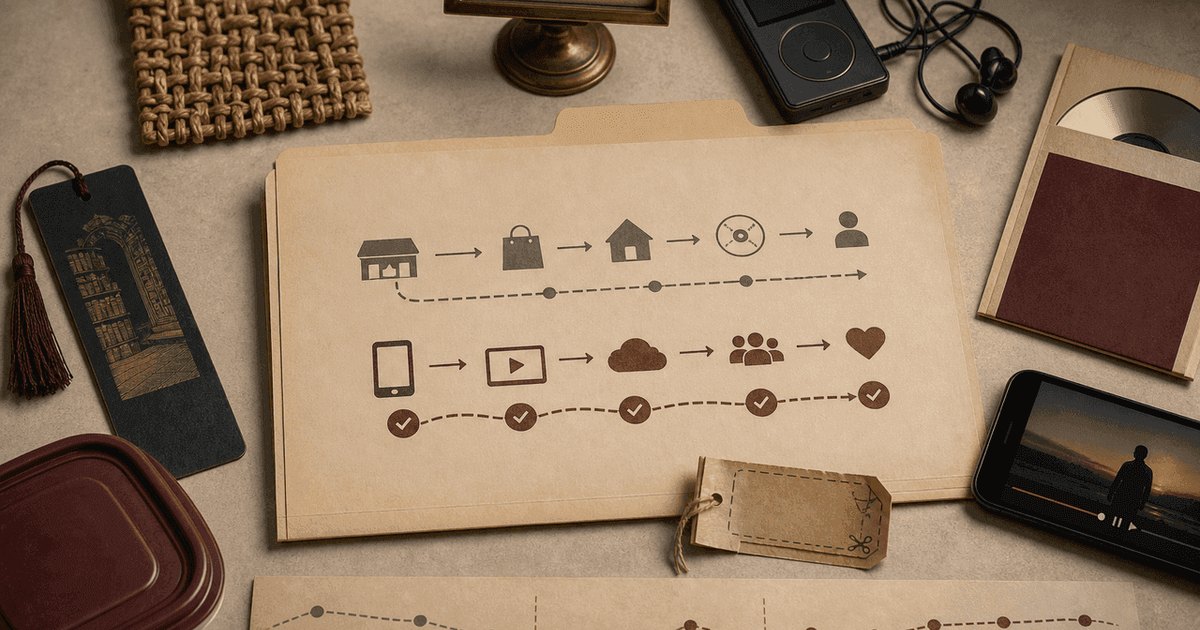
decision · proof · use
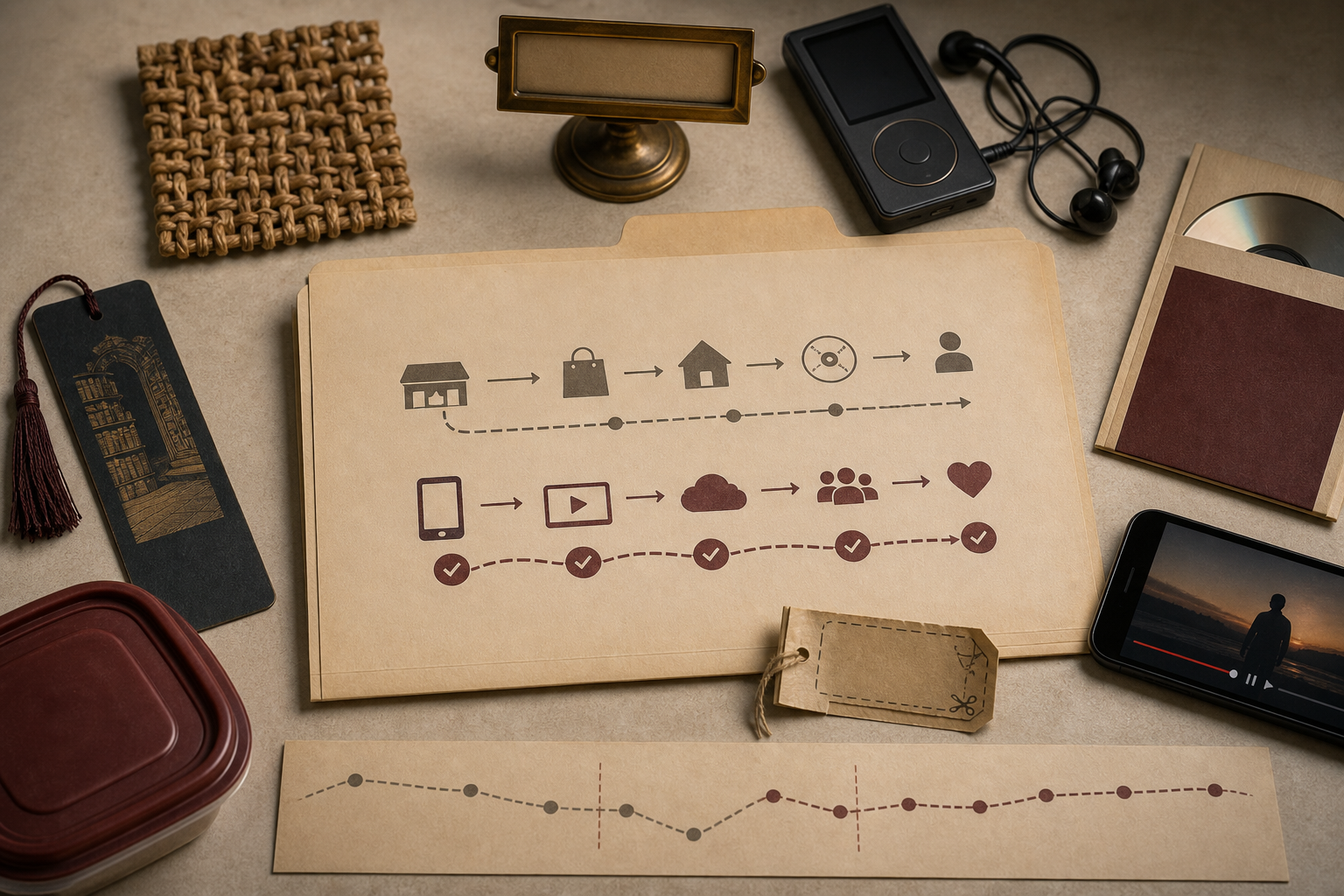
A brand starts failing when customers solve the old job through a new route.
A brand can keep memory after its use path weakens. Once customers repeat the job somewhere else, the old brand needs a new route, not a cleaner story.
Open three cases. Name what repeats, what differs, what a weak team would copy, and what evidence should stop the decision.
The store trip and tactile browsing path weakened before the name disappeared.
The rental habit moved toward streaming before the store sign stopped being familiar.
The party-selling ritual made trust social, then became harder to repeat in modern buying behavior.
The music routine was already attached to another player, library, store, and pocket habit.
Book discovery and purchase moved toward digital routes before bookstore memory vanished.
Use Customer Habits Move Before Brands Die to decide what should be protected before approving a visible change.
Turn the lesson into a buyer-facing proof point, not another vague claim.
Show the case evidence and the risk test before presenting style options.
Use it when buyer, problem, proof, memory, or first fix is still unclear.
It means customers often repeat a new buying or use route before the old brand has visibly collapsed.
Watch the repeated action: search route, store trip, device routine, subscription path, recommendation cue, repurchase path, and recovery behavior.
No. Awareness can remain high while current demand moves through another route.
Pier 1, Zune, Blockbuster, Borders, Tupperware, Quibi, and Bed Bath & Beyond all show habit movement before or during public decline.