FedEx
Delivery time made the service promise visible at the risk point.
Branding guide · evidence and decision
Infrastructure earns brand value when customers can see where risk moves, who owns it, and what happens next.
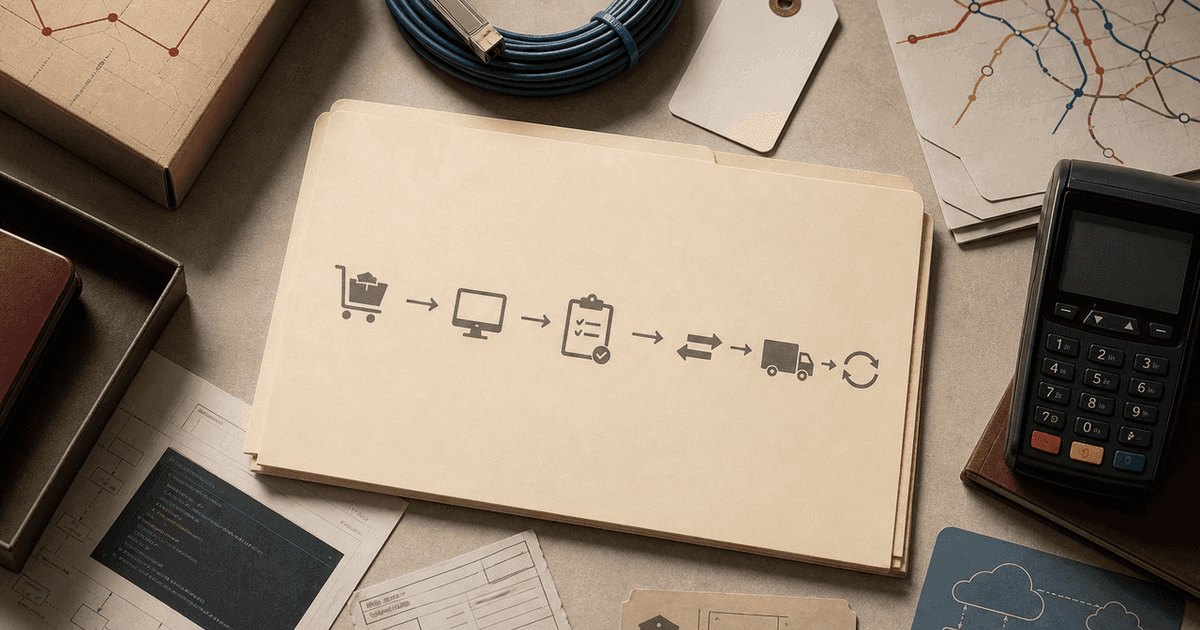
decision · proof · use
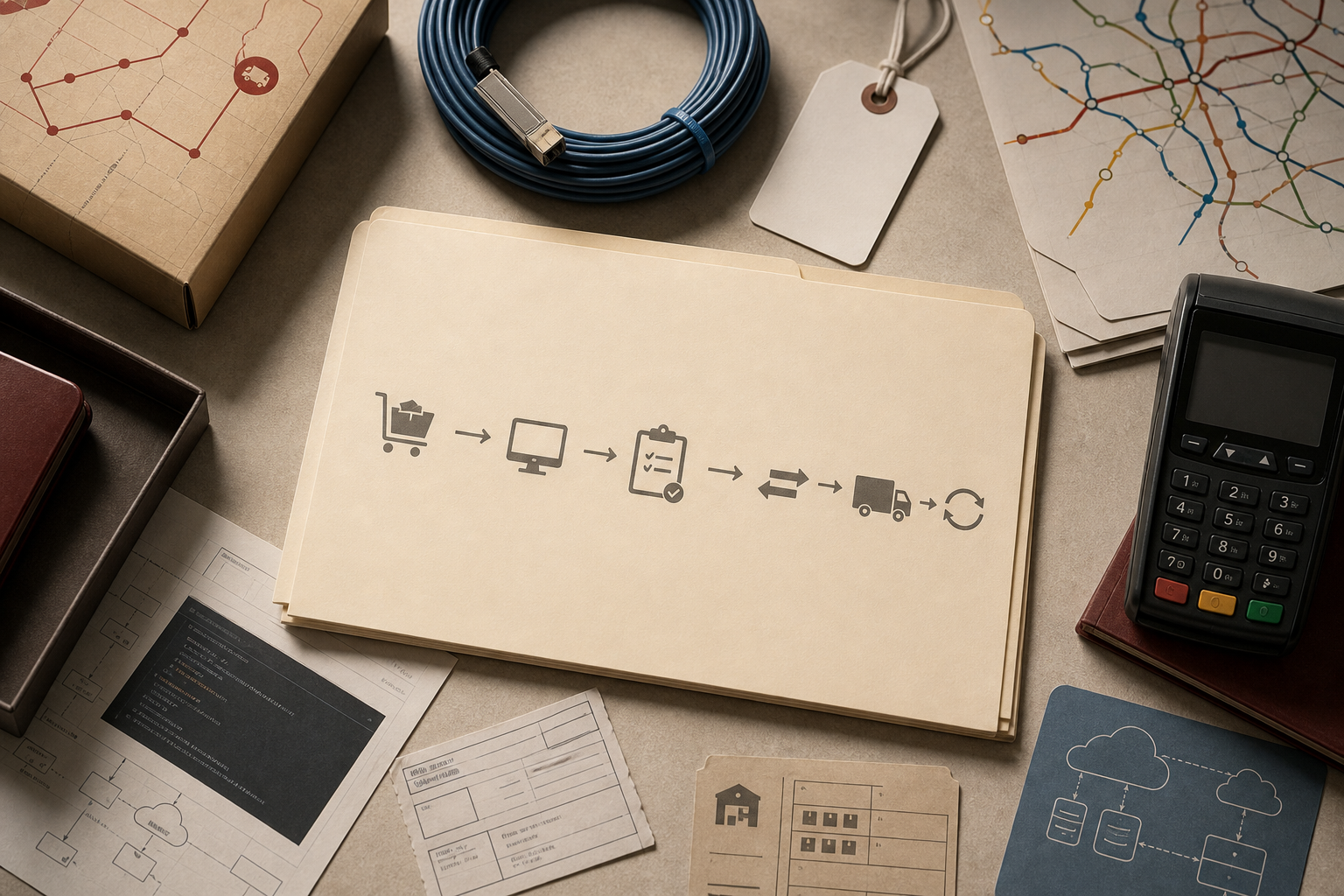
Infrastructure earns brand value when customers can see where risk moves, who owns it, and what happens next.
Infrastructure is usually invisible until it fails. Brands make it legible through status, timestamps, routes, roles, standards, recovery paths, and repeated service behavior.
Open three cases. Name what repeats, what differs, what a weak team would copy, and what evidence should stop the decision.
Delivery time made the service promise visible at the risk point.
Storefront, checkout, apps, POS, and shipping turned merchant independence into usable infrastructure.
Aircraft, terminal, truck dock, customs, warehouse, and status updates had to read as one shipment path.
Search, delivery, returns, and infrastructure made scale usable.
Docs, APIs, test mode, checkout, and webhooks made payment infrastructure legible to developers.
Use Infrastructure Becomes Brand When Customers See the Handoff to decide what should be protected before approving a visible change.
Turn the lesson into a buyer-facing proof point, not another vague claim.
Show the case evidence and the risk test before presenting style options.
Use it when buyer, problem, proof, memory, or first fix is still unclear.
Infrastructure becomes brand when customers can inspect the route, status, transfer point, recovery path, and ownership of risk.
Handoffs are where trust often breaks: payment, pickup, delivery, customs, setup, return, support, or recovery.
FedEx, Amazon, Shopify, Stripe, Cathay Cargo, MTR, PCCW, UPS, and Mastercard show different visible-handoff patterns.
Use it to run a real brand test: Open three cases. Name what repeats, what differs, what a weak team would copy, and what evidence should stop the decision.