Sets temperature and category expectation
Blue can calm, red can activate, black can formalize, but context changes the read.
Branding guide · Identity
Identity is not the logo alone. It is the shared behavior of name, color, mark, type, shape, voice, image style, slogan, and proof across every surface where people meet the brand.

name · color · mark · type · voice
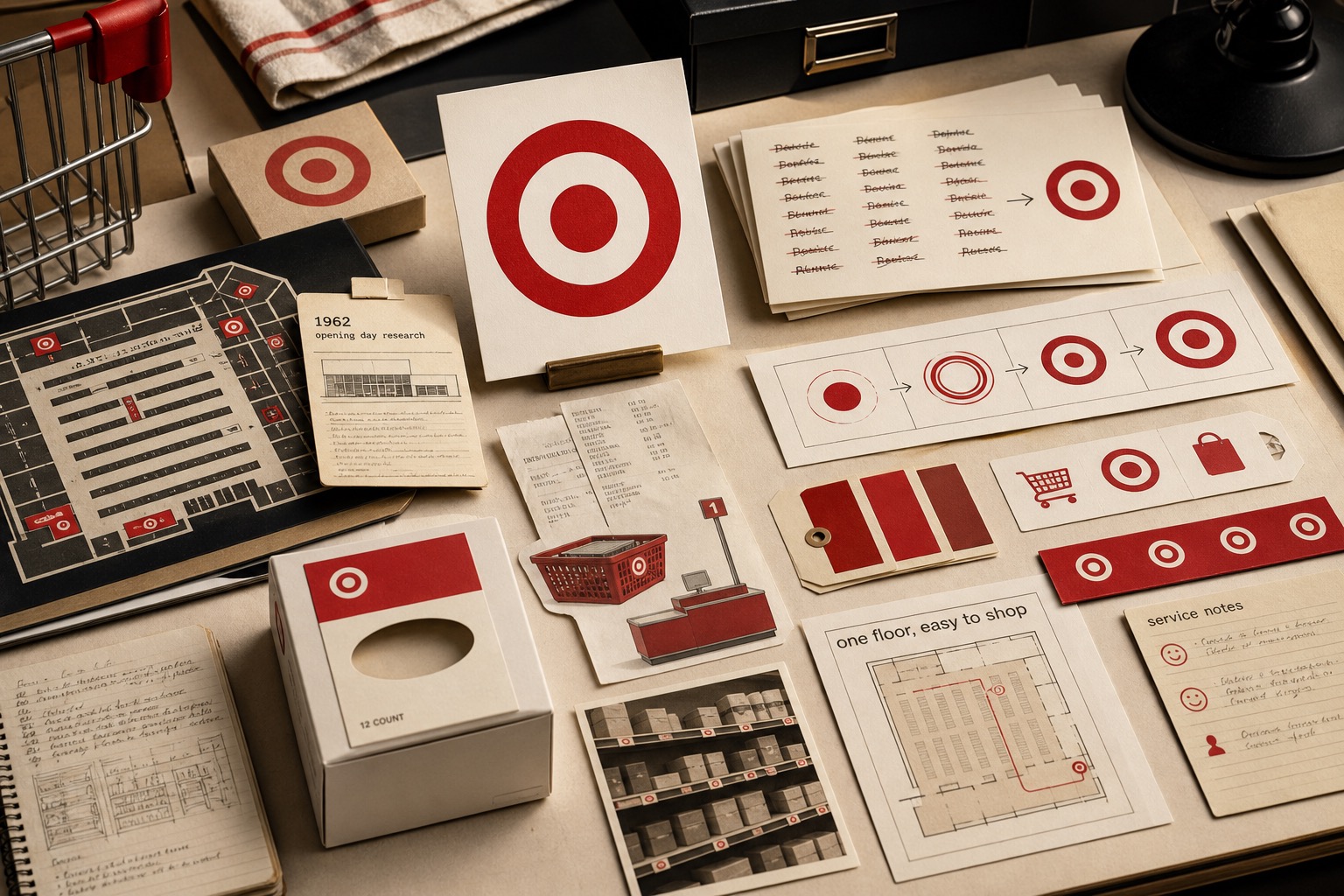
Identity fails when nobody knows which file, rule, or surface is current. Treat the system as an owned inventory: record each asset, its job, its source, the approving owner, and the moment it must be reviewed.
| Inventory area | What to record | Named owner | Review trigger |
|---|---|---|---|
| Core marks and names | Approved versions, clear-space rules, file locations, and prohibited variants | Brand owner with legal input | A new market, product, or registration question |
| Visual expression | Palette, typography, imagery, layout, motion, and accessibility rules | Design-system owner | A new channel, template, vendor, or production method |
| Voice and claims | Message hierarchy, approved proof, prohibited claims, and examples | Messaging owner with product and legal input | An offer change, customer complaint, or new claim |
| Touchpoints and templates | Each live surface, its current file, local owner, and exception history | Channel owner accountable to the brand owner | A redesign, campaign, system migration, or recurring inconsistency |
An identity inventory that names each asset, its owner and its permitted use.
The brand controls identity. The market forms image. The gap is where brand work starts.
| Layer | Controlled by | What to check | Repair |
|---|---|---|---|
| Identity | The brand | Name, color, logo, type, voice, slogan, image style | Make the cues coherent. |
| Image | The market | What people believe after experience, reviews, and exposure | Find which cue or behavior creates the wrong read. |
| Position | The brand and competitors | Where people place the brand in the choice set | Clarify category, alternative, and proof. |
| Reputation | Behavior over time | What actions people remember | Fix the operation before polishing the line. |
| Distinctiveness | Repeated assets | Which cues are noticed and linked to the brand | Repeat fewer cues more consistently. |
Cues work because people read patterns quickly.
Blue can calm, red can activate, black can formalize, but context changes the read.
Round feels softer, angular feels sharper, symmetric feels controlled, irregular feels human.
Serif, sans, display, case, spacing, and weight change perceived authority.
Sound, spelling, word shape, and category clarity decide whether people repeat it.
The same promise can feel expert, warm, blunt, playful, or bureaucratic.
The cue earns meaning when the product or service keeps proving it.
These findings provide context for the choices above. Their original dates and scope remain visible; they are not measurements of your business.
Follow-up questions and the limits of the method.
Include names, marks, color, type, imagery, voice, templates, source files, licenses, accessibility rules, touchpoints, owners, and the approved or retired status of each item.
One person needs final decision rights for the system. Channel, product, legal, and production owners can supply input, but shared approval without accountability leaves old files and conflicting interpretations in circulation.
Keep one approved source location, label retired files clearly, remove them from shared template folders, and make the current file path part of the request and review process.
No. A small team benefits quickly because it reveals which assets are missing, duplicated, unlicensed, or owned by nobody before a launch or handoff turns that confusion into visible inconsistency.
If a name, color, mark, message, voice, or page is starting to affect sales or trust, get the public-facing decision checked before rollout makes it harder to change.