Decathlon · Grow Your Brand · Multi-sport access system · France / Active / private company
Decathlon
Decathlon makes sport access feel broad, practical, and affordable at store scale. A Decathlon brand page on multi-sport retail breadth, owned product systems, repair/service proof, official 2025 USD-equivalent results, and the risk of becoming a generic big-box sports aisle.
Positioning, name, and architecture.
Decathlon combines one global name with specialist product brands, large-format retail, and practical services.
Store-scale breadth plus controlled product systems, repair/service, and accessible prices make Decathlon feel like a practical entry point to many sports.
Decathlon positions sport as practical access: many sports, controlled products, service proof, and store scale under one easy-to-read retail signal.
Decathlon names a multi-sport event, which fits a retailer built around many sports under one roof.
Move People Through the Wonders of Sport.
global masterbrand with category-specialist and expert-performance brands
Decathlon's 2024 structure names nine category specialists and four expert brands beneath the global Decathlon masterbrand, making product depth easier to navigate without fragmenting the main access promise.
Quechua, Tribord, Rockrider, Domyos, Kuikma, Kipsta, Caperlan, Btwin, and Inesis organize broad sport access by customer need.
Owned sport portfolio: Quechua / Rockrider / Domyos source
Van Rysel, Simond, Kiprun, and Solognac add specialist credibility where technical depth matters more than broad entry access.
Owned performance portfolio: Van Rysel / Simond / Kiprun / Solognac source
Physical stores, ecommerce, product advice, and testing make a very broad assortment navigable at scale.
Retail and service system: Multi-sport store source
Workshop, rental, resale, and product-life services make access useful after the first purchase.
Circular service system: Repair and second-life services source
In-house design, testing, and manufacturing let accessible price work with technical product credibility.
Owned product capability: Decathlon Production source
Naming and tagline progression
French multi-sport retail origin.
The store becomes a broad sport-access system.
Official FY2025 results report EUR 16.8B in net sales.
Market and scale snapshot.
Decathlon is private. Its official FY2025 results are reported in euros and converted below to USD at the recorded rate; public market capitalization remains unavailable.
EUR 16.8B official FY2025 net sales converted at the recorded 1.13893 EUR/USD rate.
EUR 910M official FY2025 net income converted at the recorded 1.13893 EUR/USD rate.
No public-market capitalization exists because Decathlon is not listed.
Decathlon identifies three shareholder groups and confirms that the company is not listed.
Color system.
Decathlon blue carries navigation and retail recognition without overwhelming the product range.
How the palette behaves
Blue signals retail clarity, access, and sport utility.
Light blue supports wayfinding across a dense multi-sport assortment.
Warm neutral space gives products and service scenes room to carry the message.
Recognition assets.
Memory pieces the brand can use before someone finishes a sentence.
The Orbit carries the tilted-A heritage into a symbol that can work beyond the blue store rectangle.
Quechua, Rockrider, Kipsta, Domyos, and the wider portfolio organize technical depth beneath one masterbrand.
Repair, second-life, rental, and pickup areas make support visible inside the store journey rather than hiding it after purchase.
Scores.
Use these scores to compare recognition, trust, proof, pressure, and risk.
Decathlon has clear public cues when the mark stays tied to product proof.
Nine category specialists and four expert brands give Decathlon visible product depth across beginner and performance needs.
Official revenue and net income show scale; private ownership explains the absence of a market value.
The 2024 portfolio is clearly tiered beneath the Decathlon masterbrand, though thirteen specialist names still require disciplined navigation.
Store breadth, product range, and service cues carry recognition without imitating the logo.
Repair, rental, second-life, and comparison services make the access promise inspectable after the first product choice.
Circular hubs and 1,746 repair workshops make support tangible, but service availability still varies by market and store.
Decathlon needs parent, product, service, market, and history lanes labeled cleanly so search systems do not flatten the brand into one vague entity.
How the logo changed.
The identity moved from a French origin wordmark to the long-running blue retail block, then to the 2024 Orbit system designed to travel across products, services, stores, and participation.
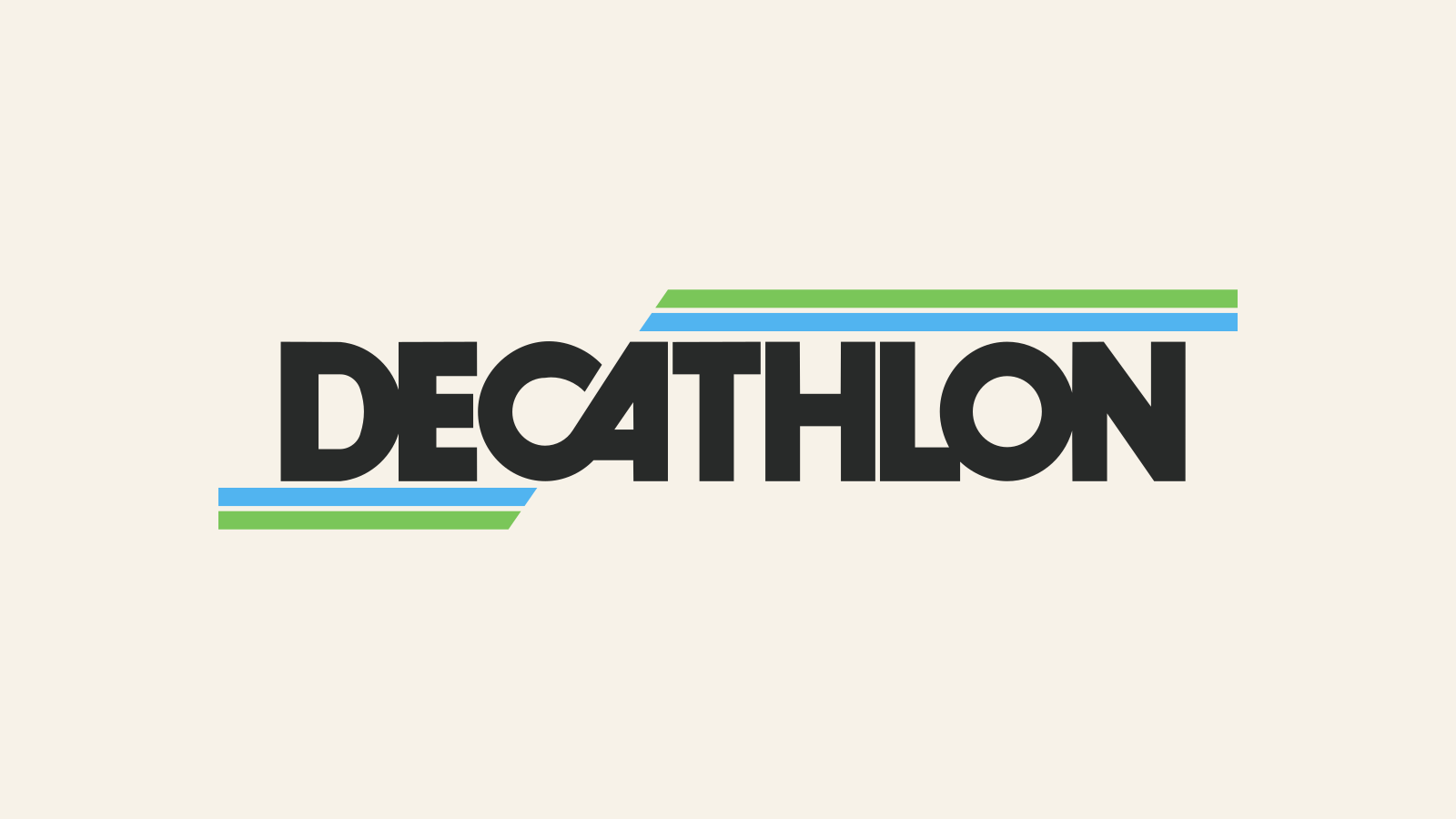
The original French wordmark introduced the multi-sport name before Decathlon standardized the tilted-A recognition cue.
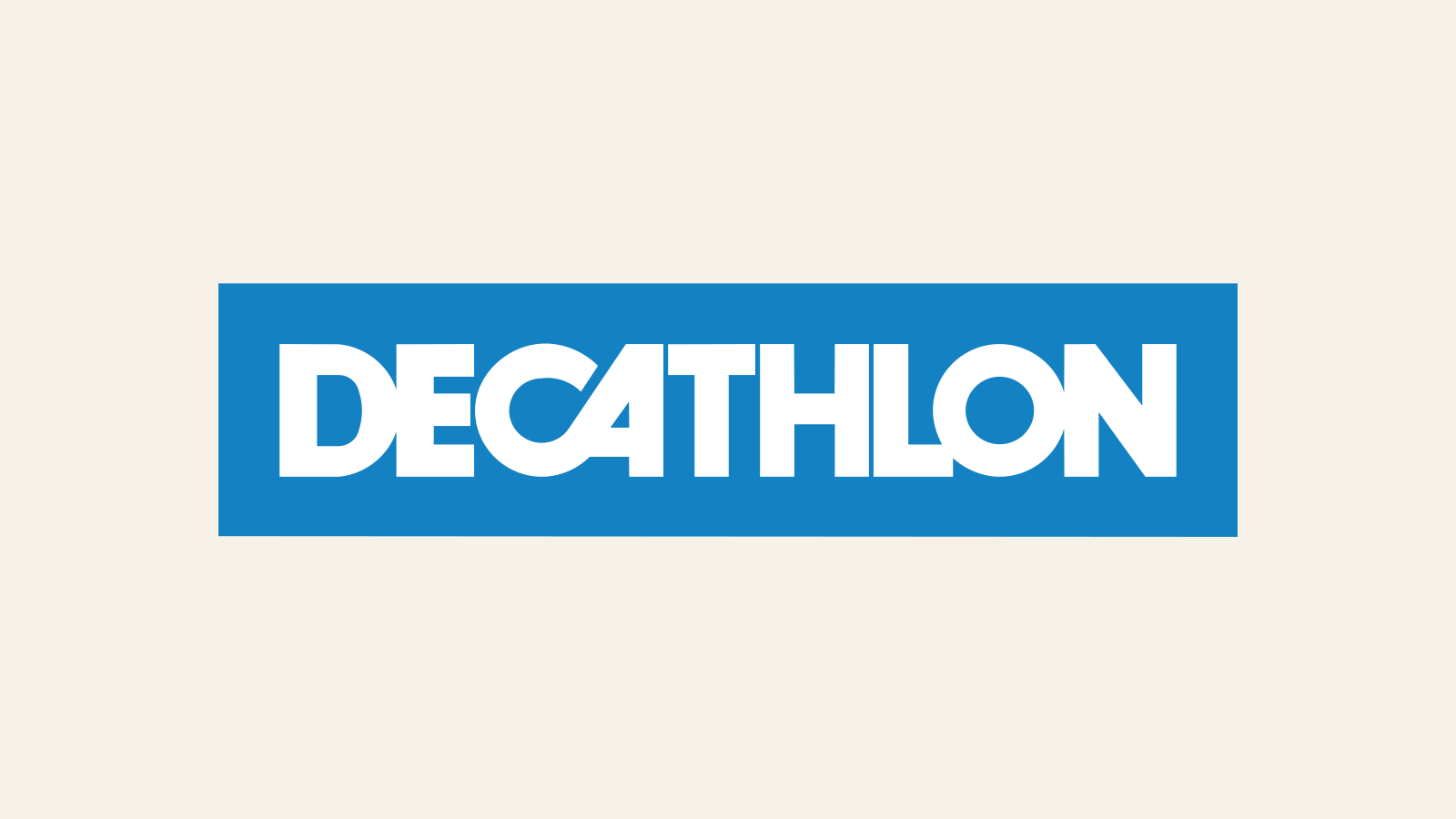
The white wordmark on a blue field became the long-running store-scale signal, with the tilted A linking the name to movement.
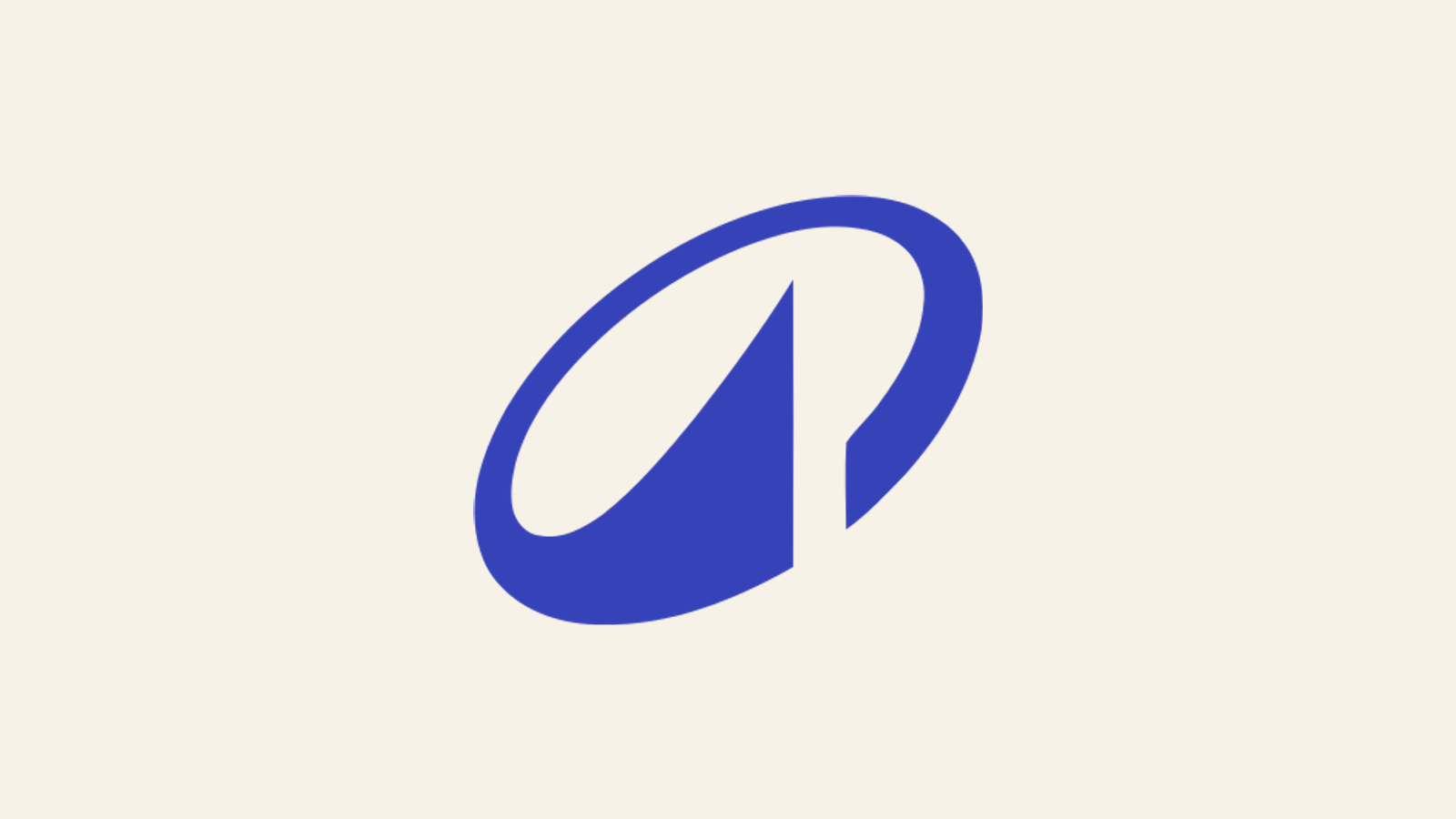
The 2024 Orbit symbol isolates the tilted-A idea into a portable mark that works independently of the full wordmark. source
Product and service lineage.
Decathlon works when the store itself proves the promise: many sports, accessible products, and practical support.
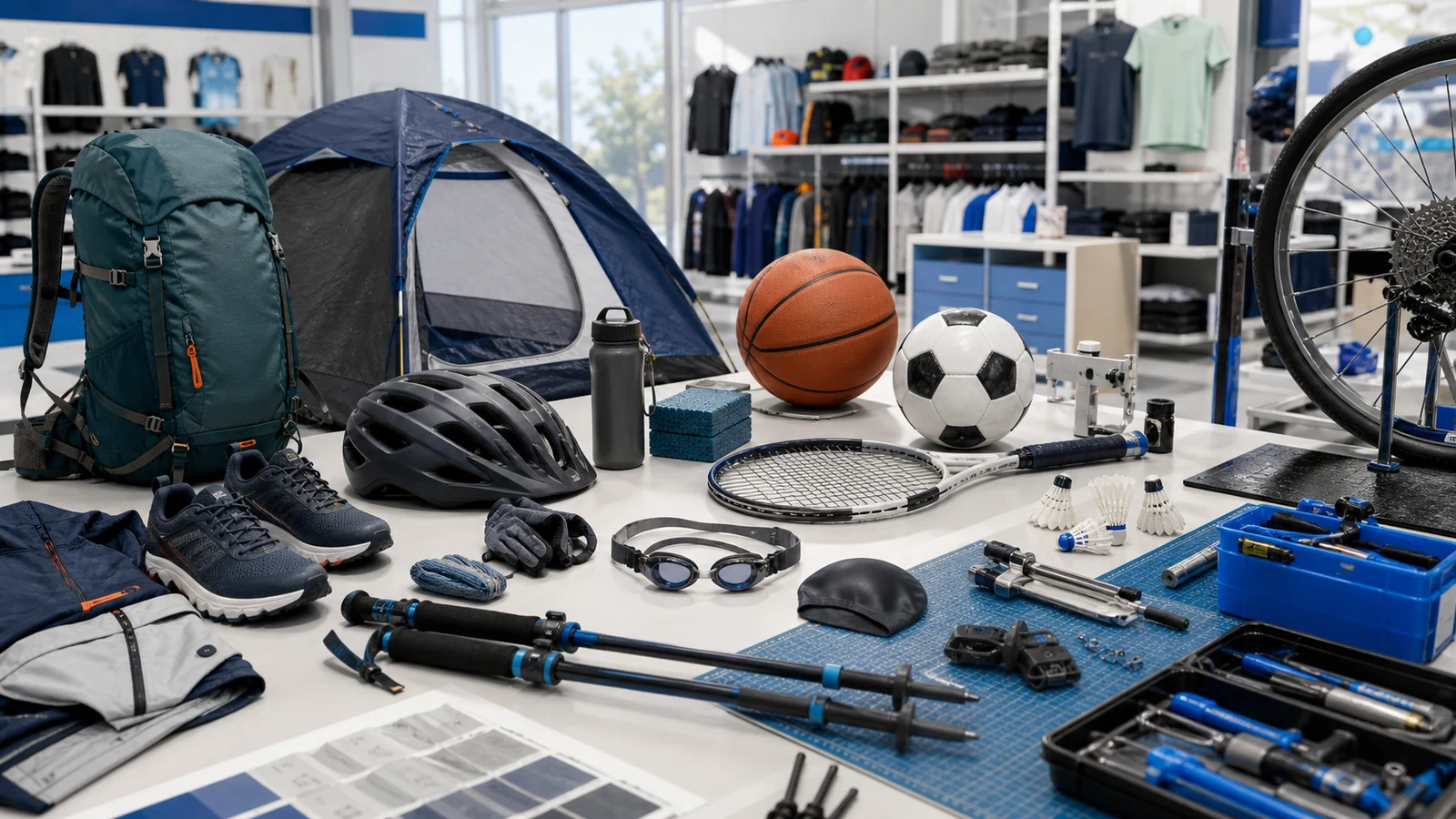
Product breadth proof
The signal is not one product; it is many sport entries made visible together.
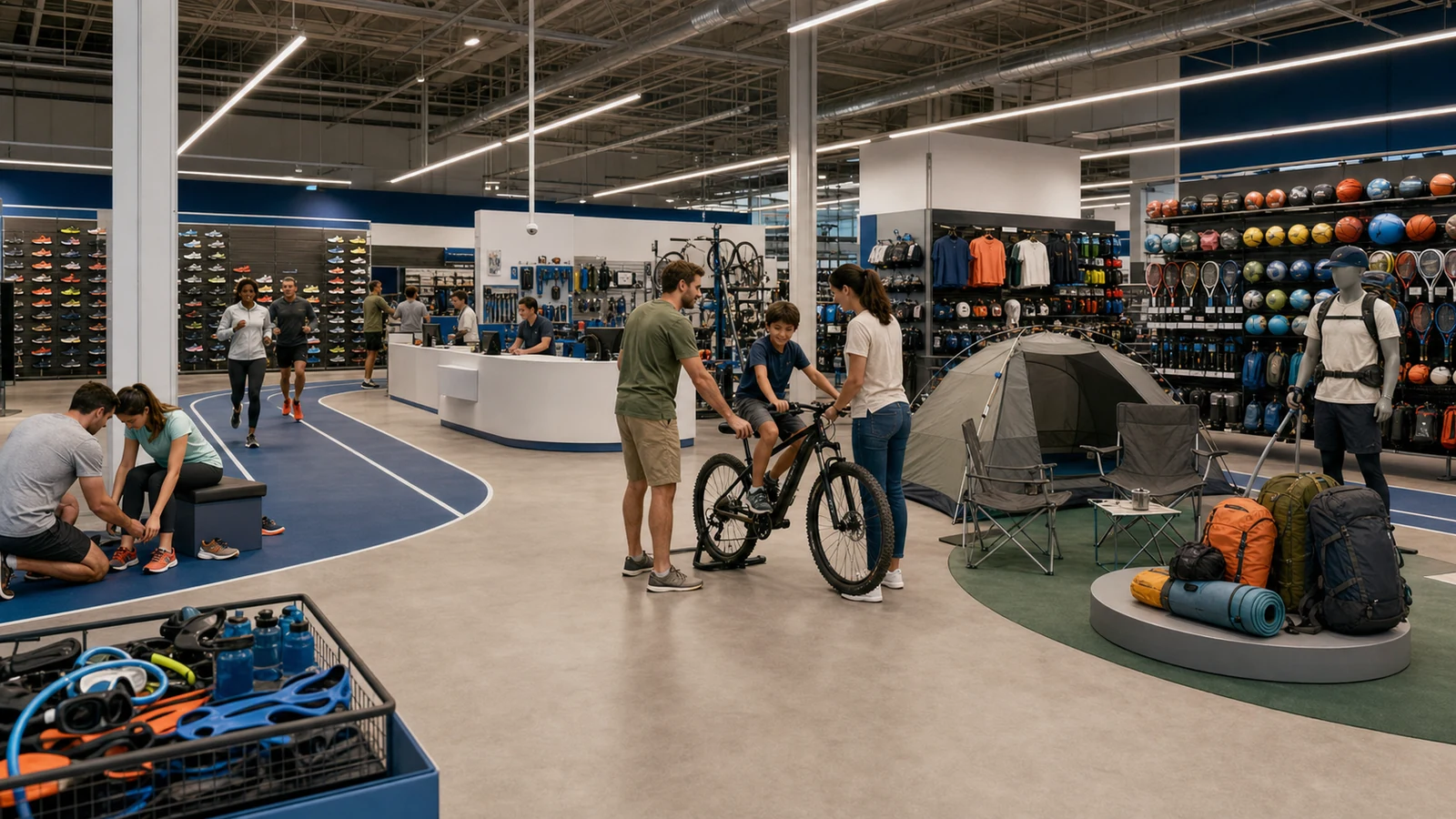
Store-scale proof
Repair, testing, and broad categories make access practical rather than abstract.
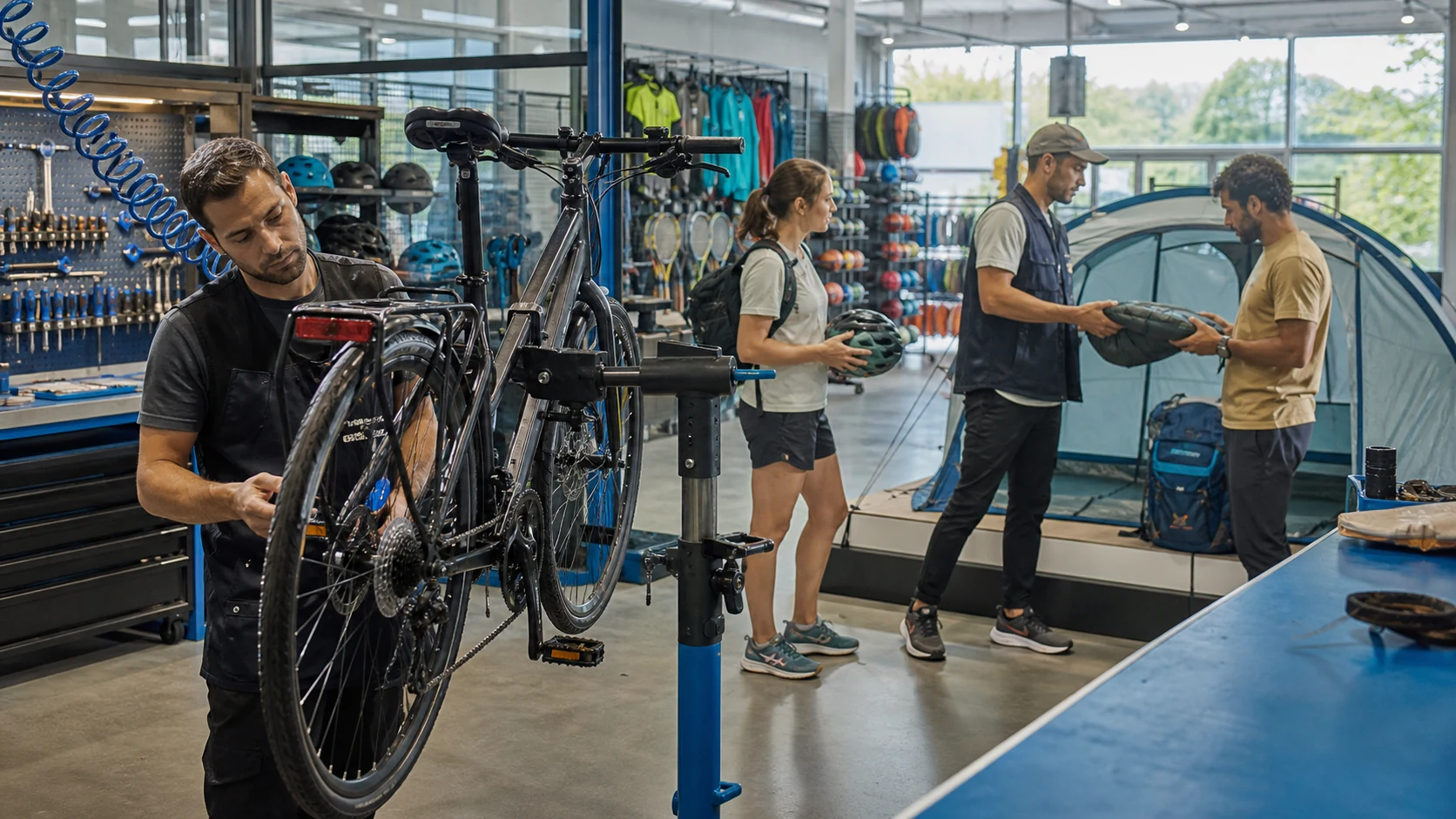
Repair and rental proof
Workshop service, equipment advice, and rental support keep sport access useful after the first purchase.
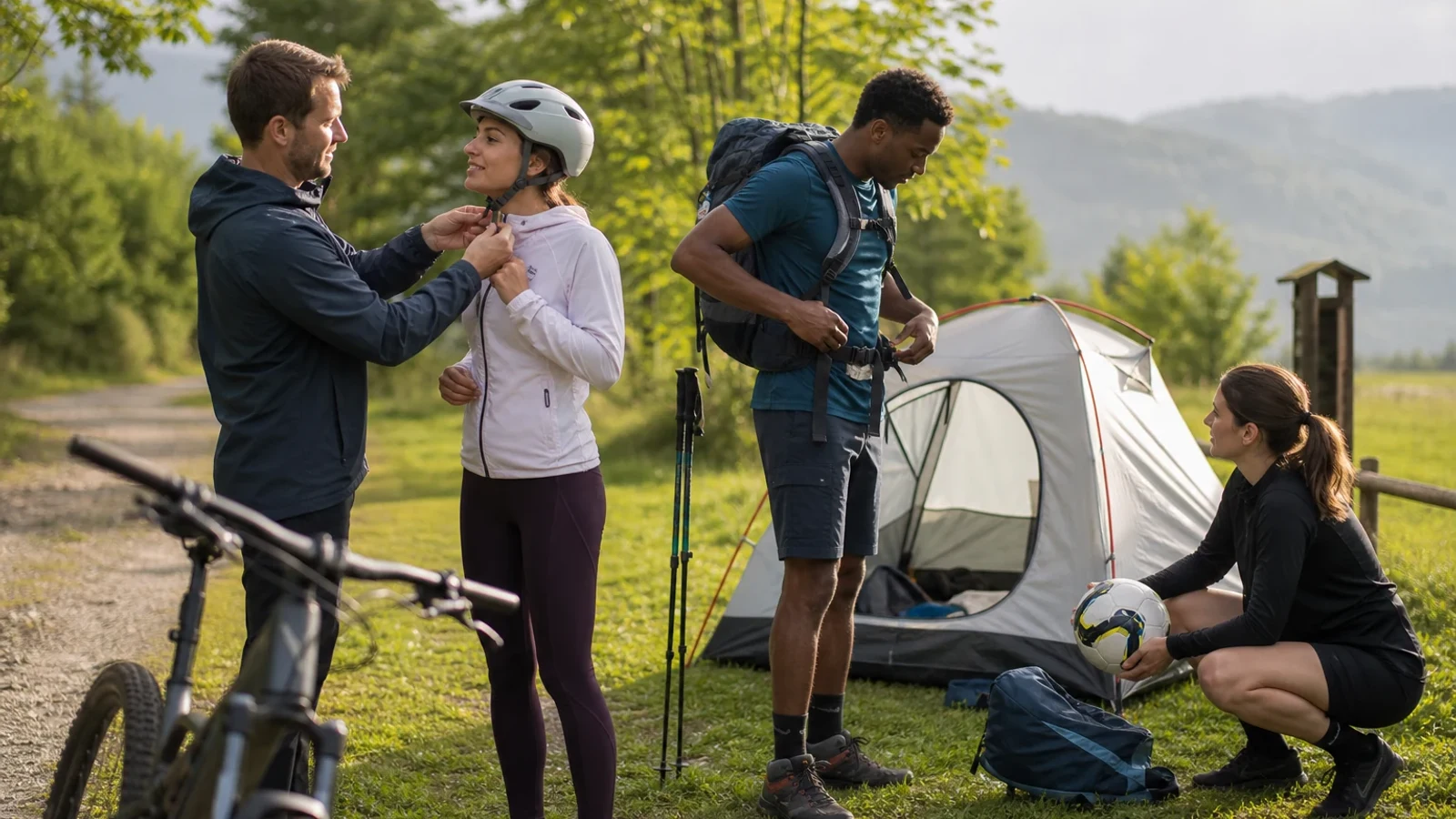
Products tested in use
Access becomes credible when people can fit, test, compare, and understand equipment in the real conditions where sport happens.
Product and service system
Decathlon begins as a French multi-sport retail idea.
Many sports under one roof make the name easy to understand.
Repair, rental, and product support turn access into more than low price.
Official FY2025 results show EUR 16.8B in net sales, EUR 910M in net income, and 1,902 stores across 82 territories.
Turning points.
Three decisions changed how Decathlon turns assortment into an organized sport-access system.
The new symbol extends the tilted-A heritage into a portable identity for stores, products, digital surfaces, and participation.
Nine category specialists and four expert brands organize technical depth beneath the Decathlon masterbrand.
FY2025 reporting lists 1,746 repair workshops and 1.58 million second-hand products sold across 43 countries.
Public reaction.
Decathlon is strongest when beginners and regular athletes can find credible equipment and service without premium intimidation; breadth becomes a weakness when it feels like anonymous shelf volume.
Positive memory comes from finding a practical way into many sports without premium intimidation.
Pressure rises when broad retail starts to feel like generic shelf volume instead of designed access.
Full timeline.
Decathlon opens its first store in Englos, France, bringing equipment for many sports under one roof.
Decathlon introduces its long-running jingle and opens its first warehouse.
Decathlon Production begins designing and manufacturing signature products, including an early bicycle frame.
Tribord and Quechua launch as Decathlon's first sport-specialist brands.
Decathlon introduces the Orbit identity and reorganizes its category-specialist and expert-brand portfolio.
Decathlon reports EUR 16.8 billion in net sales and EUR 910 million in net income.
Decathlon reaches its fiftieth year with a portfolio spanning retail, owned products, services, and circular use.
Steal / avoid.
- Make breadth easy to understand physically.
- Use service and repair as proof, not just retail add-ons.
- Name the ownership model when public-market value is unavailable.
- Do not make broad category access feel like clutter.
- Do not use only a generic blue retail background.
- Do not let store breadth turn into anonymous shelf volume.
Short answer.
Decathlon is a private French multi-sport retailer whose brand signal works when store breadth, owned product systems, repair, rental, and accessible pricing make participation practical. Its official FY2025 release reports EUR 16.8B in net sales and EUR 910M in net income.
Frequently asked questions
What is Decathlon's core brand signal?
Practical sport access at scale: many sports, products, services, and price points organized under one retail name.
Is Decathlon public?
No. Decathlon is owned through shareholder groups representing the Leclercq family, the Mulliez family, and employees.
What should another brand learn from Decathlon?
Breadth only works when customers can physically understand the categories, services, and product logic.
Need help with your own brand?
Use Private brand work when your name, identity, proof, or message needs a sharper branding decision.