General Motors · Grow Your Brand · Automotive portfolio and engineering system · United States / Active
General Motors
General Motors turns multiple vehicle brands into one engineering and dealer system. General Motors is a portfolio system: Chevrolet, Buick, GMC, Cadillac, GM Financial, OnStar, Super Cruise, GM Energy, BrightDrop, ACDelco, and the shared infrastructure behind them.
Positioning, name, and architecture.
Three evidence checks before the page talks about scale, color, or public reaction.
General Motors turns multiple vehicle brands into one engineering and dealer system.
General Motors connects four vehicle marques through shared engineering, manufacturing, finance, software, energy, and dealer systems.
General Motors operates as the parent/company mark for a wider system.
No verified current company-wide tagline; GM is read through Chevrolet, Buick, GMC, Cadillac, dealers, OnStar, Super Cruise, finance, and energy.
house of brands
Chevrolet: Volume, trucks, Corvette, EVs, family vehicles, service, and dealer reach make Chevrolet the broad public memory lane. Buick: Buick carries quieter premium comfort and a different buyer mood from Chevrolet or Cadillac. GMC: GMC gives GM professional-grade truck authority through pickups, SUVs, Denali, AT4, commercial buyers, and Hummer EV. Cadillac: Cadillac protects the prestige lane and makes the electric future feel premium rather than only practical. GM Financial and dealers: Financing, leasing, dealers, warranty, service, certified parts, and customer support make trust operational. OnStar, Super Cruise, and software: Connected safety, driver assistance, subscription services, and infotainment make GM more than a hardware company. GM Energy, BrightDrop, and fleet: Energy, charging, commercial delivery, and fleet programs turn EV strategy into infrastructure and business proof. ACDelco, motorsports, and performance: Parts, service, racing, Corvette, Camaro memory, and performance engineering keep enthusiast proof alive.
Volume, trucks, Corvette, EVs, family vehicles, service, and dealer reach make Chevrolet the broad public memory lane.
Portfolio family: Chevrolet source
Buick carries quieter premium comfort and a different buyer mood from Chevrolet or Cadillac.
Portfolio family: Buick source
GMC gives GM professional-grade truck authority through pickups, SUVs, Denali, AT4, commercial buyers, and Hummer EV.
Portfolio family: GMC source
Cadillac protects the prestige lane and makes the electric future feel premium rather than only practical.
Portfolio family: Cadillac source
Financing, leasing, dealers, warranty, service, certified parts, and customer support make trust operational.
Portfolio family: GM Financial and dealers source
Connected safety, driver assistance, subscription services, and infotainment make GM more than a hardware company.
Portfolio family: OnStar, Super Cruise, and software source
Energy, charging, commercial delivery, and fleet programs turn EV strategy into infrastructure and business proof.
Portfolio family: GM Energy, BrightDrop, and fleet source
Parts, service, racing, Corvette, Camaro memory, and performance engineering keep enthusiast proof alive.
Portfolio family: ACDelco, motorsports, and performance source
Naming and tagline progression
William C. Durant forms General Motors from Buick and a consolidation vision.
Cadillac joins GM and gives the system a prestige and precision lane.
Chevrolet is founded and later becomes GM's mass-market public memory.
Market and scale snapshot.
GM's financial scale explains why the parent matters: shared manufacturing, engineering, finance, software, and energy systems support four distinct vehicle marques.
FY2025 total net sales and revenue.
FY2025 net income attributable to General Motors stockholders.
Aggregate market value held by non-affiliates as of 30 Jun 2025, reported in GM's FY2025 Form 10-K.
Listed entity: General Motors Company; New York Stock Exchange.
Color system.
GM blue identifies the corporate and technology layer while Chevrolet, Buick, GMC, and Cadillac retain separate vehicle and dealer signals.
How the palette behaves
Blue anchors the GM parent mark, OnStar, and technology credibility.
Black separates the corporate layer from the stronger product-world codes of Chevrolet, Buick, GMC, and Cadillac.
Cool gray gives dealers, service, Super Cruise, GM Energy, and vehicle proof enough room to stay distinct.
Recognition assets.
Memory pieces the brand can use before someone finishes a sentence.
The parent mark signals engineering governance and the corporate system behind the vehicle brands.
Chevrolet, Buick, GMC, and Cadillac work because they do not all ask for the same buyer emotion.
Recognition lives in showrooms, service bays, financing, parts, warranties, and ownership support.
OnStar, Super Cruise, EV systems, charging, and energy products keep the brand current.
Scores.
Use these scores to compare recognition, trust, proof, pressure, and risk.
GM is globally known, but the vehicle brands carry much of the immediate emotion.
The four-brand structure is legible when the page keeps each lane separate.
OnStar, Super Cruise, EVs, energy, and software make the parent current.
Recalls, EV execution, labor, China exposure, and Cruise pullback make proof discipline necessary.
GM only reads correctly when Chevrolet, Buick, GMC, Cadillac, finance, dealers, software, energy, parts, motorsports, and restructuring history stay visible together.
General Motors needs parent, product, service, and history lanes labeled cleanly so search systems do not flatten the brand into one vague entity.
Financing, dealers, parts, service, and warranty make the parent system visible after the vehicle sale.
BrightDrop integration, Cruise retrenchment, and EV investment require the parent to explain strategic reversals clearly.
How the logo changed.
Three sourced GM corporate stages stay separate from Chevrolet, Buick, GMC, and Cadillac portfolio architecture.
The flat blue square became the durable corporate cue behind GM's vehicle brands.
A beveled gradient treatment modernized the established corporate square without changing the parent identity.
The lowercase mark makes the corporate parent feel more digital and electric-vehicle ready.
Product and service lineage.
GM only reads correctly when Chevrolet, Buick, GMC, Cadillac, finance, dealers, software, energy, parts, motorsports, and restructuring history stay visible together.
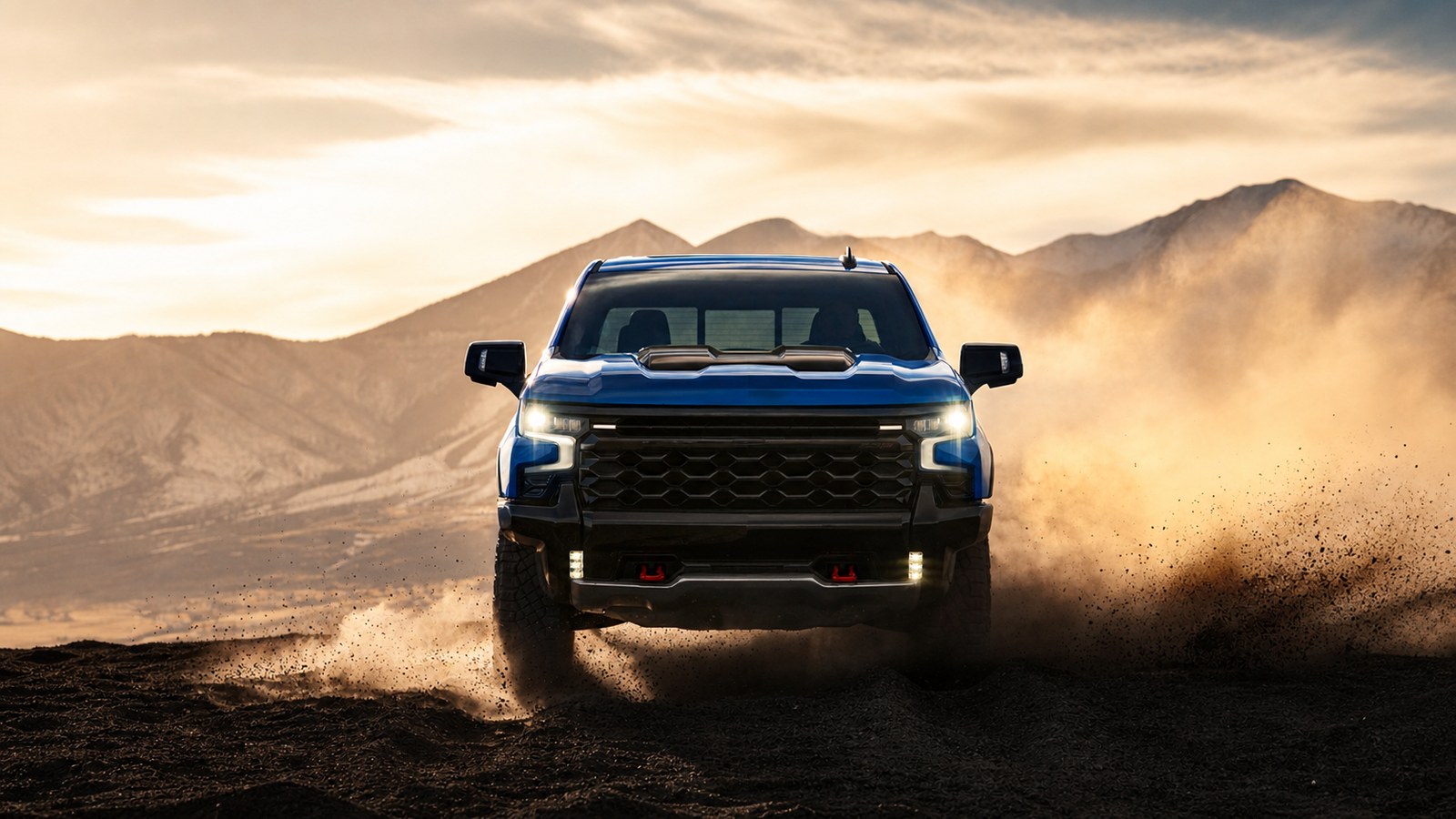
Chevrolet makes scale public
Chevrolet is the mass-recognition lane: trucks, Corvette memory, EV transition, service, parts, and dealer reach.
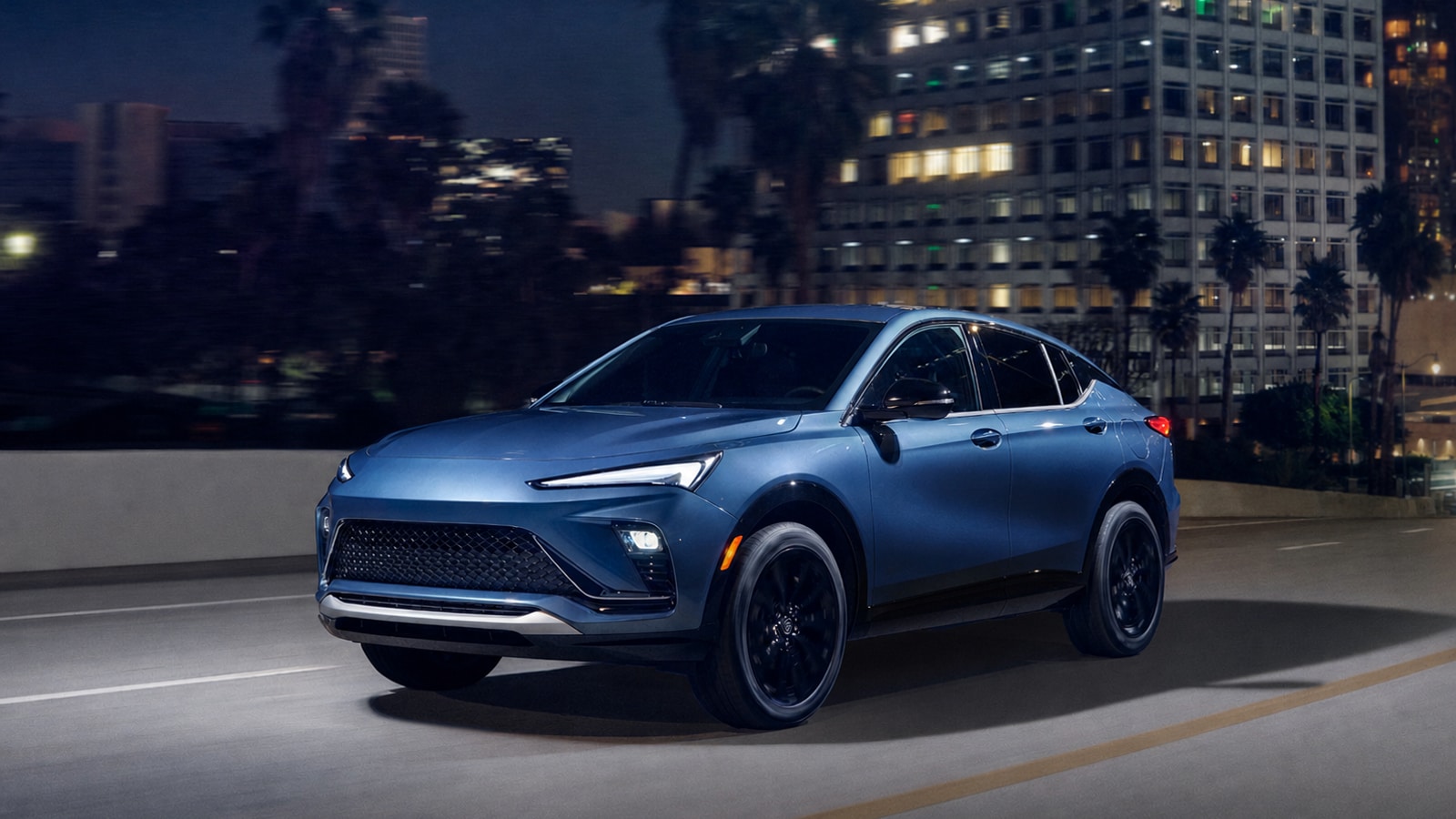
Buick keeps quiet-premium space
Buick gives the portfolio a softer, more restrained lane that is different from Chevrolet volume and Cadillac prestige.
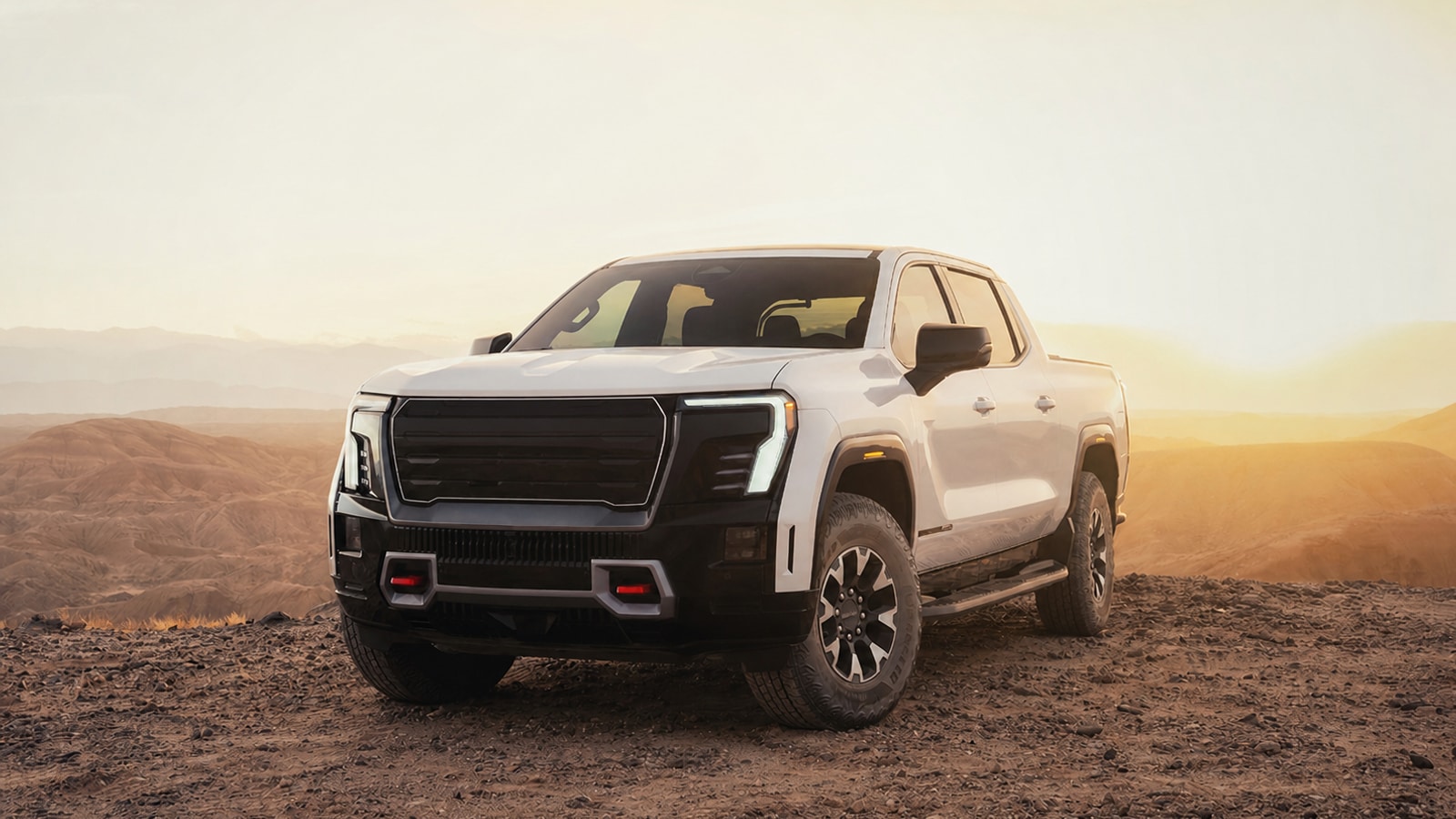
GMC owns truck authority
GMC turns professional-grade trucks, SUVs, Hummer EV, Denali, and commercial buyers into a distinct proof lane.
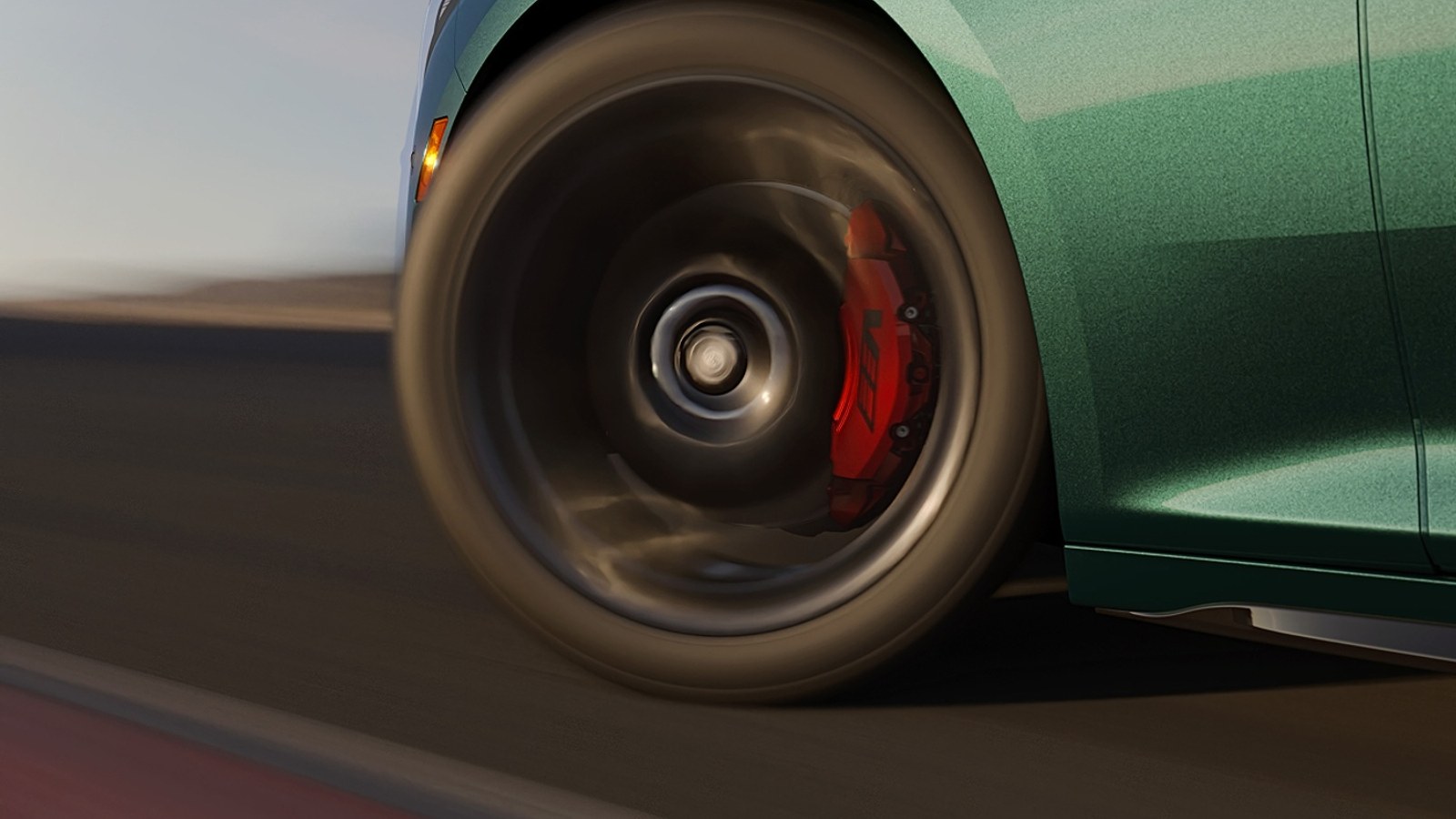
Design and engineering make the parent matter
The corporate brand earns its place when common engineering, safety, software, and design systems make each vehicle brand stronger.
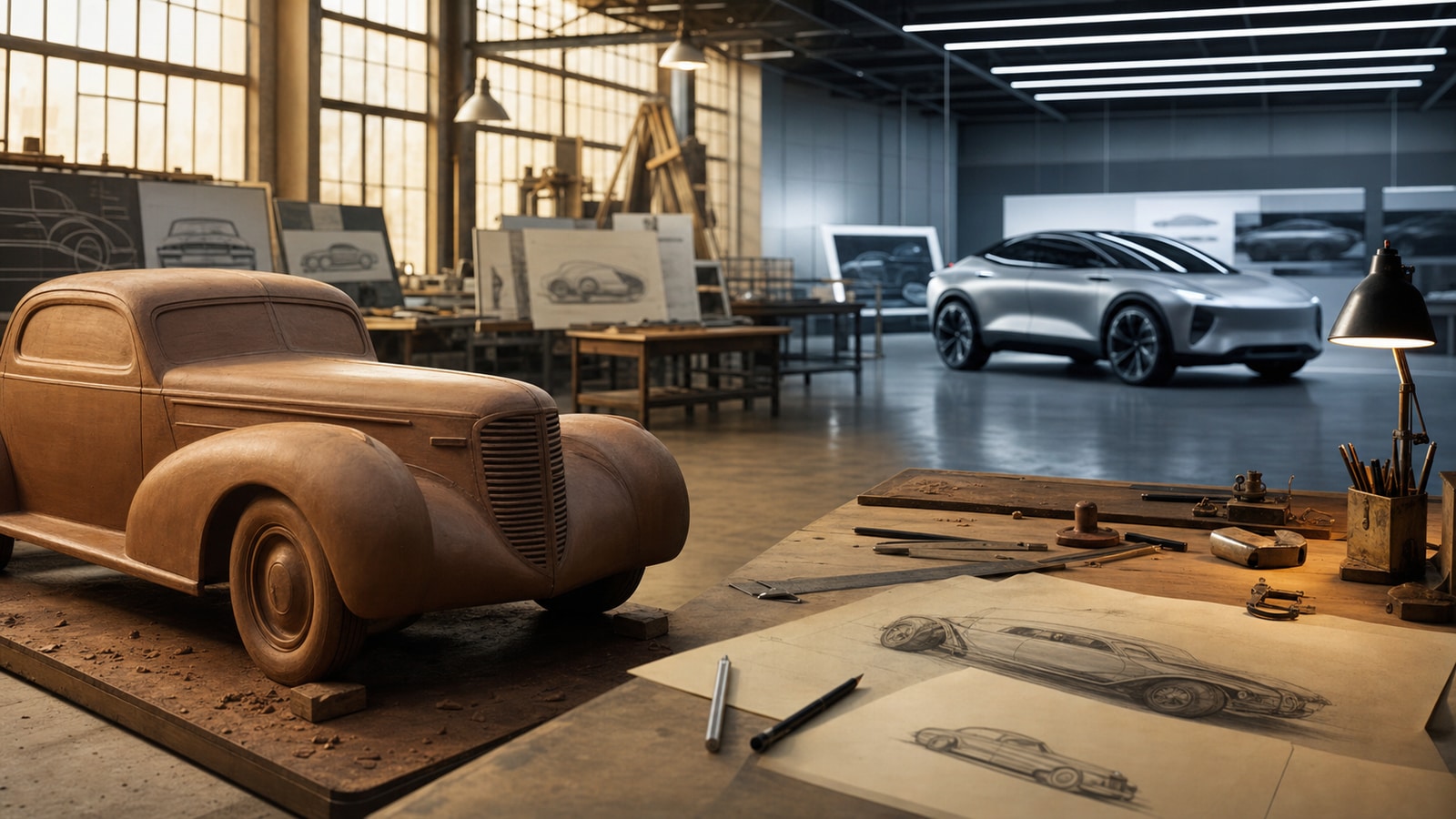
Heritage has to explain current trust
Durant, Buick, Chevrolet, Cadillac, GMC, Corvette, OnStar, bankruptcy, IPO, EVs, and driver assistance all change what the GM mark means.
Product and service system
Volume, trucks, Corvette, EVs, family vehicles, service, and dealer reach make Chevrolet the broad public memory lane.
Buick carries quieter premium comfort and a different buyer mood from Chevrolet or Cadillac.
GMC gives GM professional-grade truck authority through pickups, SUVs, Denali, AT4, commercial buyers, and Hummer EV.
Cadillac protects the prestige lane and makes the electric future feel premium rather than only practical.
Financing, leasing, dealers, warranty, service, certified parts, and customer support make trust operational.
Connected safety, driver assistance, subscription services, and infotainment make GM more than a hardware company.
Energy, charging, commercial delivery, and fleet programs turn EV strategy into infrastructure and business proof.
Parts, service, racing, Corvette, Camaro memory, and performance engineering keep enthusiast proof alive.
Turning points.
Events that changed what buyers could see, buy, repeat, or trust.
BrightDrop launches as a separate commercial EV and delivery-system bet.
GM stops funding Cruise's robotaxi development and redirects autonomy work toward personal vehicles.
GM reports USD 185.02B in revenue while integrating BrightDrop into Chevrolet and carrying EV, China, labor, and software pressure.
Public reaction.
The useful reaction is about trust and pressure, not sentiment counts.
GM wins when buyers can see a specific brand lane, a dealer/service network, and parent engineering behind the purchase.
GM loses clarity when EV promises, Cruise setbacks, labor issues, China exposure, or recall pressure outrun visible proof.
Full timeline.
William C. Durant forms General Motors from Buick and a consolidation vision.
Cadillac joins GM and gives the system a prestige and precision lane.
Chevrolet is founded and later becomes GM's mass-market public memory.
GMC truck roots enter the system and give the company a commercial-vehicle lane.
GM acquires Chevrolet and strengthens the multi-brand portfolio.
Pontiac launches and shows how GM used laddered brands to cover price and aspiration.
Chevrolet Corvette launches and gives the company sports-car icon memory.
OnStar launches and turns connected safety into a named GM service.
A new GM emerges after Chapter 11 restructuring, making trust repair part of the brand story.
GM returns to public markets through its IPO after restructuring.
GM acquires Cruise and pushes autonomous technology into the company narrative.
GM sells Opel/Vauxhall to PSA and clarifies regional focus.
Ultium becomes the named EV architecture story.
BrightDrop launches as a commercial EV and delivery-ecosystem bet.
GM Energy turns charging and home/business energy into a visible ownership layer.
FY2025 results show a vehicle, software, finance, and energy system under one parent.
Steal / avoid.
- Separate buyer emotions across brands instead of forcing one badge to serve everyone.
- Make service, financing, parts, and ownership support part of the brand proof.
- Use parent-company technology only when it strengthens the individual product lane.
- Let heritage explain today's system instead of becoming nostalgia.
- Do not reduce GM to Chevrolet.
- Do not hide Buick, GMC, Cadillac, GM Financial, OnStar, Super Cruise, GM Energy, BrightDrop, ACDelco, dealers, and service.
- Do not present Cruise or EV bets as proof without current execution context.
- Do not use fake car renders, fake dealership scenes, or invented badges.
Short answer.
General Motors should be read as a parent engineering and dealer system. The useful lesson is to keep Chevrolet, Buick, GMC, Cadillac, finance, software, energy, service, and history separate enough that each buyer can see the right proof.
Frequently asked questions
What is General Motors's core brand signal?
General Motors turns multiple vehicle brands into one engineering and dealer system.
Why keep Chevrolet, Buick, GMC, and Cadillac separate?
Each marque carries a different buyer promise: mass reach, quiet premium, truck authority, or prestige. GM supplies shared engineering and operating scale.
What should another brand steal from General Motors?
Separate buyer emotions across brands instead of forcing one badge to serve everyone.
Need help with your own brand?
Use Private brand work when your name, identity, proof, or message needs a sharper branding decision.
Sources.
Use the education shelf for the concepts behind this brand page.
Private brand workIf a corporate brand sits above distinct product marques, dealers, software, finance, and energy services, Private Brand Work can define where the parent should appear and what each marque must prove.
All brandsReturn to every brand page.