Gulfstream · Grow Your Brand · Executive aviation icon · United States / Active
Gulfstream
Gulfstream’s aircraft history begins with the Gulfstream I in 1958. The first Gulfstream I flight came before the later G-series jets. Savannah became the company’s home in 1967 and houses manufacturing, aircraft completion, research and customer support alongside its headquarters.
Positioning, name, and architecture.
Three evidence checks before the page talks about scale, color, or public reaction.
A recognizable large-cabin aircraft family backed by General Dynamics and a global service network.
Gulfstream turns long-range aircraft, cabin design, flight-deck technology, and service support into one executive-aviation signal.
The Gulfstream name originated with Grumman's Gulfstream I turboprop program.
Creating and delivering the world's finest aviation experience
operating portfolio
General Dynamics: Gulfstream is the business-jet brand inside General Dynamics. Large-cabin family: G400, G500, and G600 carry the modern cabin and speed cue. Ultra-long-range family: G650ER, G700, and G800 carry range, cabin, and prestige. Service network: Support and completions make the aircraft brand feel like an operating system.
Gulfstream carries the aircraft, cabin, flight-deck, delivery, and support promise inside General Dynamics.
customer-facing business-aircraft brand: G700 source
The G280 gives the portfolio a smaller-cabin entry point while retaining the Gulfstream name and service system.
super-midsize aircraft lane: G280 source
G400, G500, and G600 carry the modern cabin and speed cue.
large-cabin aircraft lane: G600 source
G650ER, G700, and G800 carry range, cabin, and prestige.
ultra-long-range aircraft lane: G800 source
Support and completions make the aircraft brand feel like an operating system.
ownership support and completion network: Worldwide service network source
Naming and tagline progression
Gulfstream I establishes the product name
The Gulfstream name leads the full aircraft and service system
Market and scale snapshot.
General Dynamics does not publish standalone Gulfstream financials. The figures below cover its Aerospace segment, which includes Gulfstream and Jet Aviation; they are not a standalone Gulfstream valuation.
General Dynamics Aerospace segment FY2025 revenue, which includes Gulfstream and Jet Aviation; standalone Gulfstream revenue is not disclosed.
General Dynamics Aerospace segment FY2025 operating earnings; 13.3% operating margin, not standalone Gulfstream profit.
General Dynamics Aerospace funded and unfunded backlog at 31 Dec 2025; no standalone Gulfstream valuation is published.
Gulfstream is a wholly owned General Dynamics subsidiary. General Dynamics is the listed parent.
Color system.
Color earns memory when it stays attached to product truth.
How the palette behaves
Deep blue carries aviation authority and technical confidence.
White and silver connect the identity to aircraft surfaces and cabin restraint.
Warm cabin neutrals keep the premium signal human rather than clinical.
Recognition assets.
Memory pieces the brand can use before someone finishes a sentence.
Gulfstream brand memory depends on long-range business jets that read as private, global, and executive at a glance. The G550 helped make that cue durable.
Large oval windows, long sightlines, and restrained materials make the cabin recognizable before a model number is read.
Manufacturing, completions, service centers, and technical support keep the aircraft promise attached to a visible operating system.
Scores.
Use these scores to compare recognition, trust, proof, pressure, and risk.
Gulfstream turns long-range aircraft, cabin design, flight-deck technology, and service support into one executive-aviation signal.
Gulfstream needs parent, product, service, market, and history lanes labeled cleanly so search systems do not flatten the brand into one vague entity.
Use aircraft silhouette, cabin windows, and service infrastructure to prove range before making prestige claims.
Gulfstream needs the relationship between masterbrand, products, services, sub-brands, and proof points to stay readable.
Gulfstream carries risk when the customer experience does not support the recognition system the page is describing.
Gulfstream becomes easier to remember when color, mark, product, packaging, and environment cues point in the same direction.
Gulfstream has to keep its signal useful while competitors, channels, and buyer expectations keep moving.
Gulfstream needs clear recovery proof when quality, service, pricing, or trust pressure weakens the public signal.
How the logo changed.
The honest progression begins with the Grumman house that created the Gulfstream I program, then moves to the current Gulfstream wordmark. An undated blue wordmark variant is excluded because color alone does not prove a separate era.
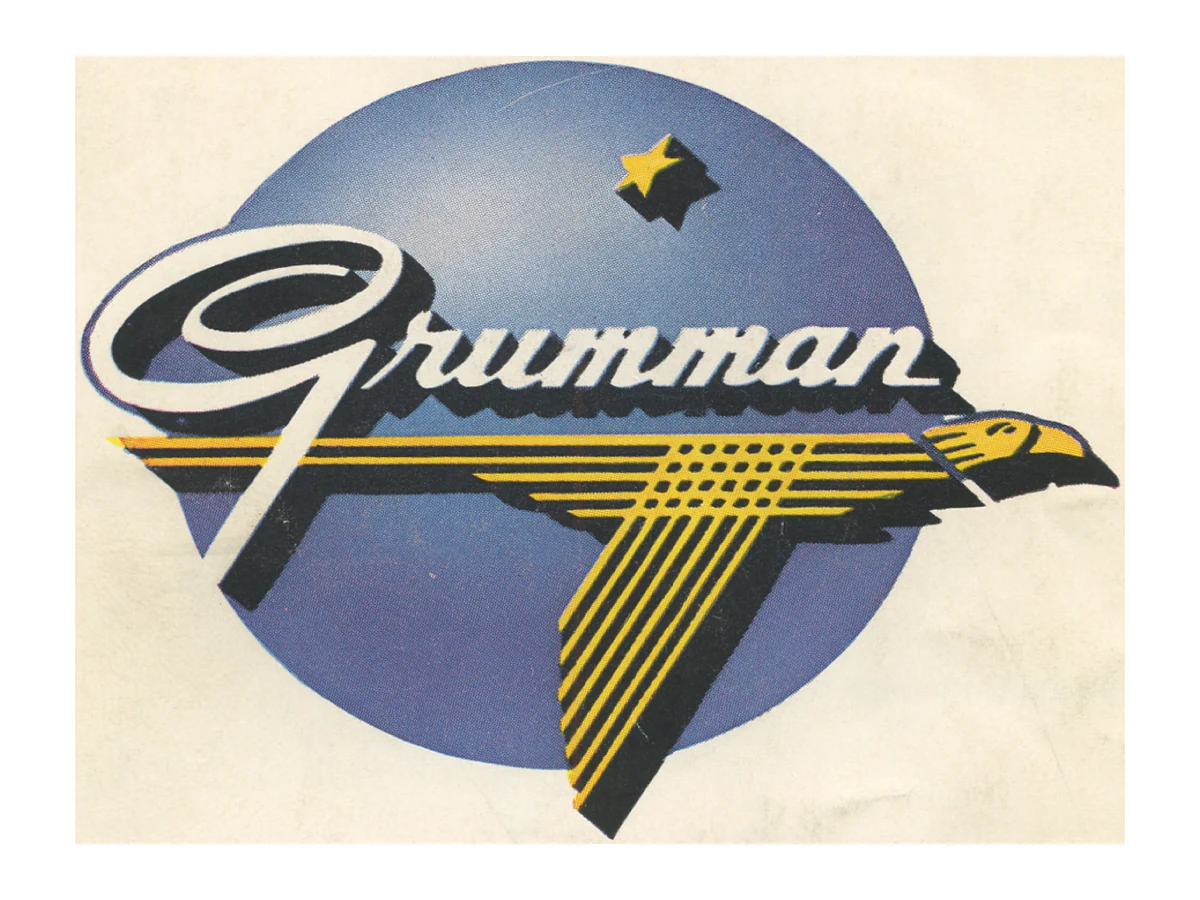
Grumman developed the Gulfstream I program before the Gulfstream business became a separate aircraft company. This is direct predecessor evidence, not a Gulfstream wordmark. source


The current source-backed wordmark is normalized on the same fixed canvas.
Product and service lineage.
The brand has to prove itself on real products and service surfaces.
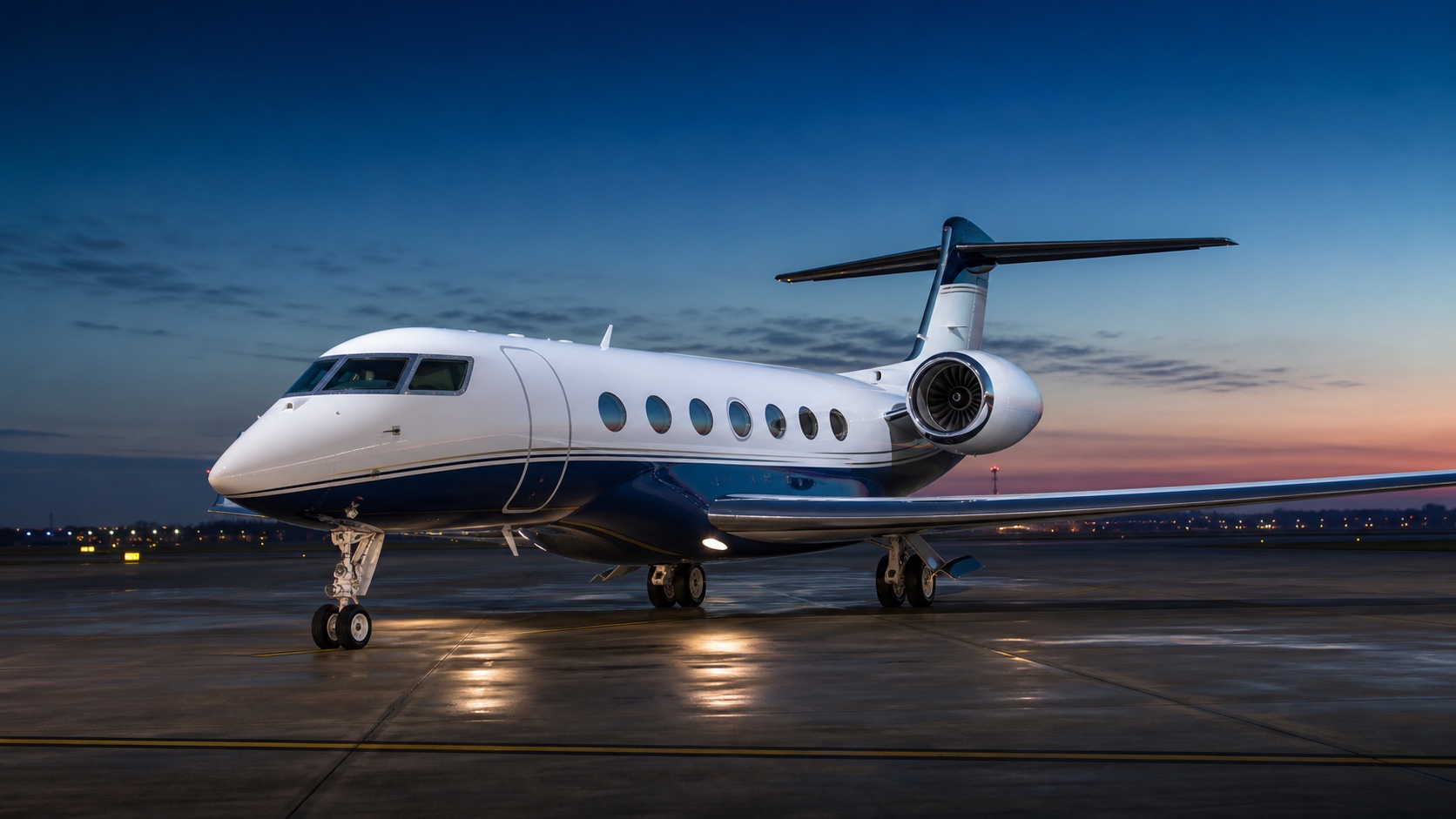
Aircraft family
The G280 makes the lower end of the Gulfstream portfolio visible.
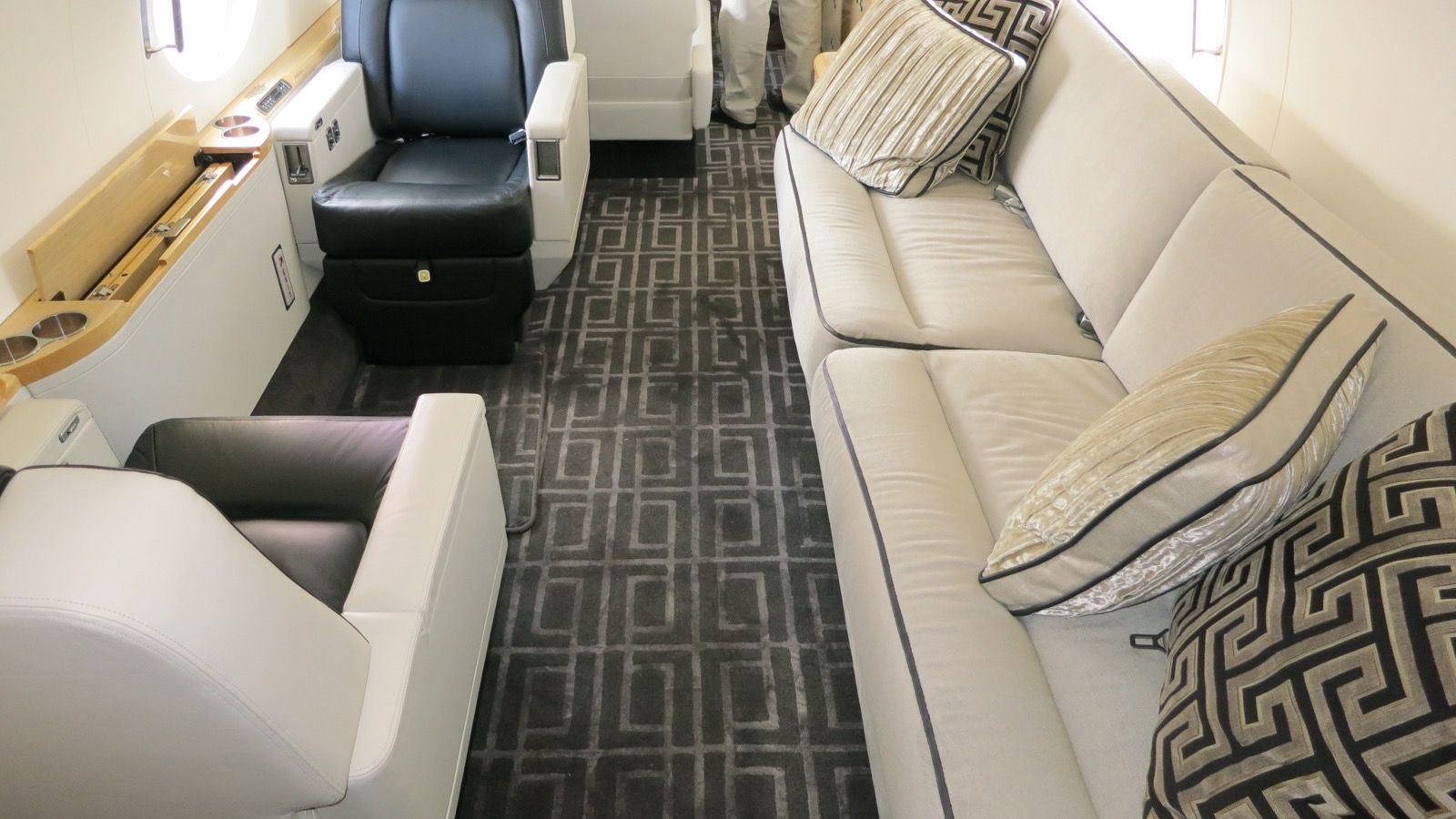
Cabin system
Large windows, seating zones, and material control carry the premium promise inside the aircraft.
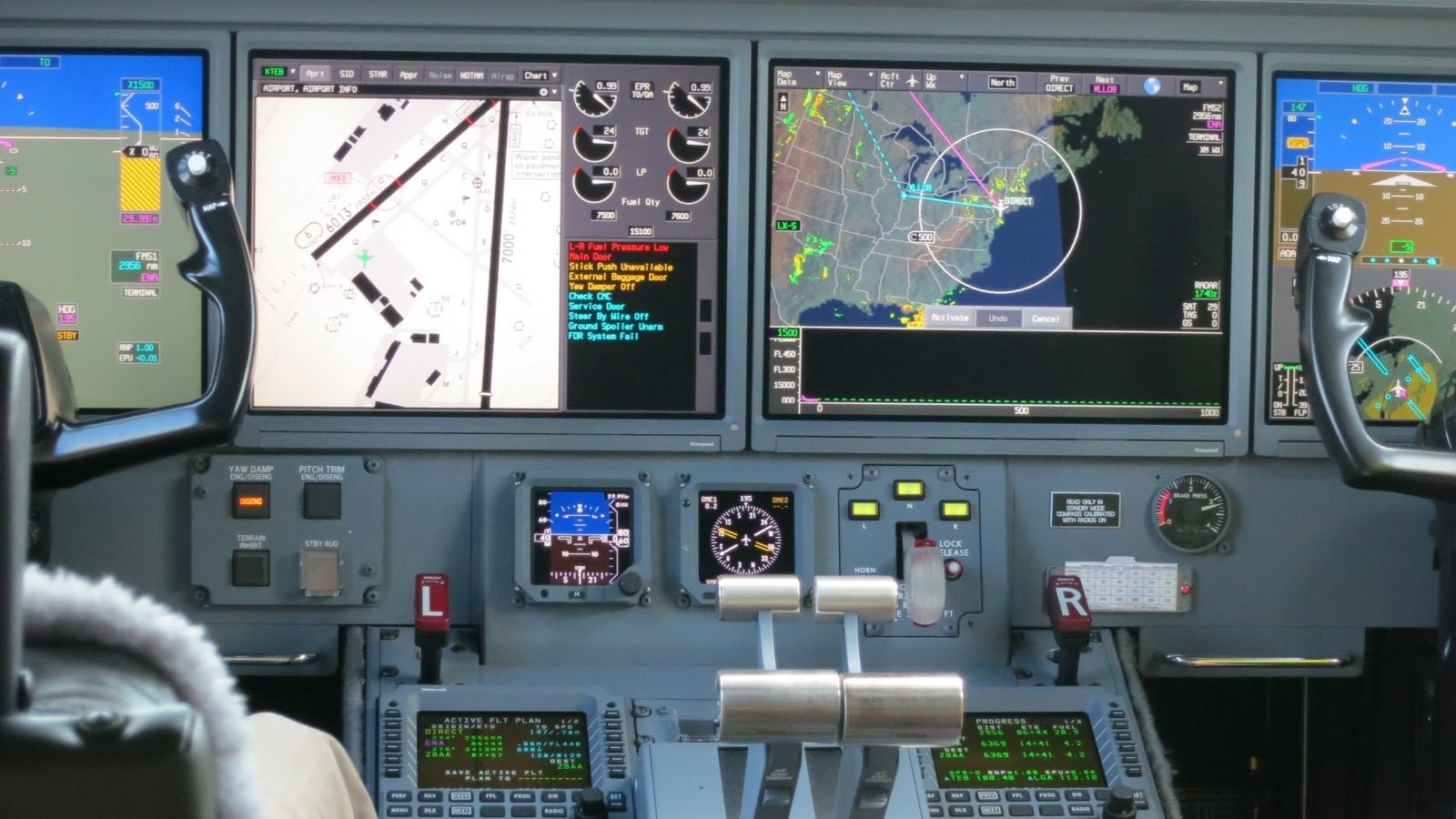
Flight deck
The cockpit turns technical capability into visible operating proof.

Service network
The ownership promise continues through maintenance and support infrastructure.
Product and service system
Gulfstream I first flight creates the name.
Gulfstream II first flight establishes the business jet cue.
General Dynamics acquires Gulfstream.
G550 enters service and becomes a long-range benchmark.
G650ER extends the range signal.
G700 and G800 move the flagship story forward.
Turning points.
Events that changed what buyers could see, buy, repeat, or trust.
A purpose-built business aircraft connects the name to private long-range travel from the beginning.
The acquisition connects Gulfstream aircraft, manufacturing, and support to a larger aerospace owner.
General Dynamics reports 136 large-cabin and 22 mid-cabin Gulfstream deliveries for FY2025.
Public reaction.
The useful reaction is about trust and pressure, not sentiment counts.
The G650 and newer flagships make long-range capability and cabin scale easy to recognize.
A premium aircraft signal depends on delivery quality, reliability, maintenance, and service response after purchase.
Full timeline.
Gulfstream I first flight creates the name. Source
Gulfstream II first flight establishes the business jet cue. Source
General Dynamics acquires Gulfstream. Source
G550 enters service and becomes a long-range benchmark. Source
G650ER extends the range signal. Source
General Dynamics reports 158 Gulfstream aircraft deliveries for the year. Source
Steal / avoid.
- Make the product silhouette carry the category promise.
- Connect premium materials to operating performance.
- Treat service infrastructure as part of the brand.
- Do not let prestige language replace aircraft proof.
- Do not collapse every G-series aircraft into one generic flagship.
- Do not treat delivery and support as separate from the identity.
Short answer.
General Dynamics owns Gulfstream and reports it with Jet Aviation in its Aerospace segment. Gulfstream's first aircraft, the Gulfstream I, flew in 1958. The company has been based in Savannah, Georgia, since 1967, with manufacturing, research and customer support there.
Frequently asked questions
Who owns Gulfstream and are its finances reported separately?
General Dynamics owns Gulfstream. It reports Gulfstream and Jet Aviation together in its Aerospace segment, so the page does not present segment revenue or earnings as standalone Gulfstream results.
Where is Gulfstream based?
Gulfstream has called Savannah, Georgia, home since 1967. Its Savannah campus includes headquarters, research and development, manufacturing, aircraft completion and customer support. The company also has an international support network, so the headquarters location does not describe every facility in the business.
What was the first Gulfstream aircraft?
Gulfstream traces its aircraft history to the Gulfstream I, which first flew in 1958. It was developed for business travel. The G-series aircraft shown on this page belong to the later product history; the company's story did not begin with today's long-range jets.
How far can a Gulfstream G700 fly?
Gulfstream lists a theoretical maximum range of 7,750 nautical miles at Mach 0.85 for the G700, based on eight passengers, four crew and NBAA IFR reserves. At Mach 0.90, its stated range falls to 6,650 nautical miles. Weather, routing, cabin outfitting and operating choices affect the distance an actual flight can cover.
How many passengers can a Gulfstream G700 carry?
Gulfstream shows G700 cabin layouts for up to 19 passengers, with the count depending on the interior selected. A forward-galley layout with a grand suite is shown with up to 13 passengers and sleeping space for eight. Maximum seating, sleeping capacity and the passenger load used for range figures are different numbers.
Need help with your own brand?
Use Private brand work when your name, identity, proof, or message needs a sharper branding decision.
Sources.
Use the education shelf for the concepts behind this brand page.
Private brand workUse this when the decision belongs to your own brand.
All brandsReturn to every brand page.
- Gulfstream official company history
- Gulfstream G280 aircraft page
- Gulfstream G550 aircraft page
- Gulfstream G650ER aircraft page
- Gulfstream G700 aircraft page
- Gulfstream G800 aircraft page
- General Dynamics Aerospace ownership and portfolio
- General Dynamics FY2025 results and Gulfstream deliveries
- Gulfstream official source