Heineken · Grow Your Brand · Global beer recognition system · Netherlands / Active / public company
Heineken
Heineken turns a red star and green bottle into global beer memory. A brand page on Heineken: Dutch brewing origin, red-star recognition, green bottle memory, global sponsorship cues, alcohol-responsibility pressure, and the need to keep mass availability from flattening premium signal.
Positioning, name, and architecture.
Three evidence checks before the page talks about scale, color, or public reaction.
A Dutch lager signal made portable through green packaging, a red star, and high-visibility event and bar contexts.
Heineken positions beer as a recognizable global social cue: green, red, cold, available, and tied to shared moments.
Founder-family name from Gerard Adriaan Heineken, attached to Dutch brewing origin.
No single current global tagline claimed
hybrid
The Heineken name is the public flagship inside a hybrid group architecture that also holds regional and category brands.
Carries the global green-bottle memory.
flagship product: Heineken source
Moves the brand into moderation and non-alcohol occasions.
category extension: Heineken 0.0 source
Keeps local and regional beverage brands around the flagship.
parent architecture: Heineken N.V. source
Repeats the masterbrand in adult social and event settings.
occasion system: Global hospitality source
Naming and tagline progression
The Heineken family name becomes the brewery and masterbrand name.
Heineken's Lager Beer and Amsterdam origin travel together on the oval label.
The shortened Heineken masterbrand travels across lager, 0.0, hospitality, and sponsorship.
Market and scale snapshot.
Heineken N.V. reporting shows the group scale behind the flagship lager; brand sales are not separated from the wider portfolio.
Converted from Heineken N.V.'s reported FY2025 net revenue (beia) of EUR 28.890 billion; group scale, not standalone lager sales.
Converted from Heineken N.V.'s reported FY2025 operating profit (beia) of EUR 4.385 billion.
CompaniesMarketCap USD market-cap observation for HEIA.AS captured on 5 Jul 2026; source page reports the company market capitalization in USD.
Heineken N.V. ISIN: NL0000009165; the market-cap observation is sourced separately.
Color system.
Heineken color works because the bottle, star, and hospitality context repeat the same memory cues.
How the palette behaves
Green gives the bottle and retail shelf a quick recognition field.
Red adds a small but strong mark cue that can survive at distance.
White keeps the wordmark legible and cold enough for beer context.
Dark bar and stadium settings let the green/red system read fast.
Recognition assets.
Memory pieces the brand can use before someone finishes a sentence.
Heineken recognition starts with color and shape before a buyer reads anything.
Sports, music, and hospitality make the brand appear inside shared moments.
An alcohol brand cannot treat reach as pure upside; moderation and trust shape the brand.
Scores.
Use these scores to compare recognition, trust, proof, pressure, and risk.
Green bottle, red star, and hospitality context travel well.
The bottle system carries the brand before copy appears.
Strong global cues, but local market expression still matters.
Alcohol categories require moderation, regulation, and trust discipline.
Heineken is easier to read when packaging, event context, and portfolio roles are visible.
The page must separate flagship brand, parent group, 0.0 extension, and wider beverage portfolio.
The brand has enough reach to be a reference point in global beer comparisons.
Premium lager memory has to compete with local craft, value, and moderation alternatives.
How the logo changed.
The masterbrand moved from a detailed Amsterdam brewery seal to a recognizable bottle label and then to the simplified current global mark.
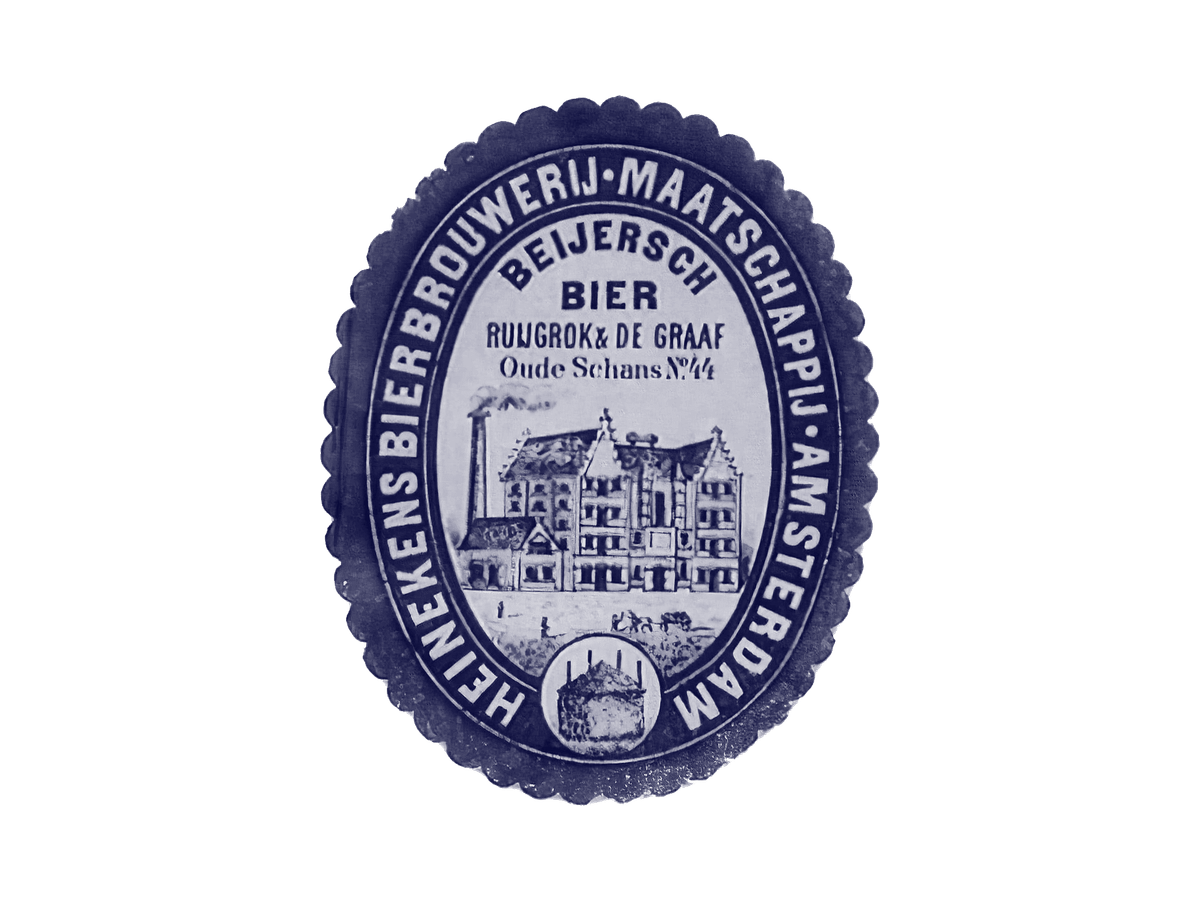
The earliest seal centered the brewery and its Amsterdam origin before the brand became a global lager signal. source
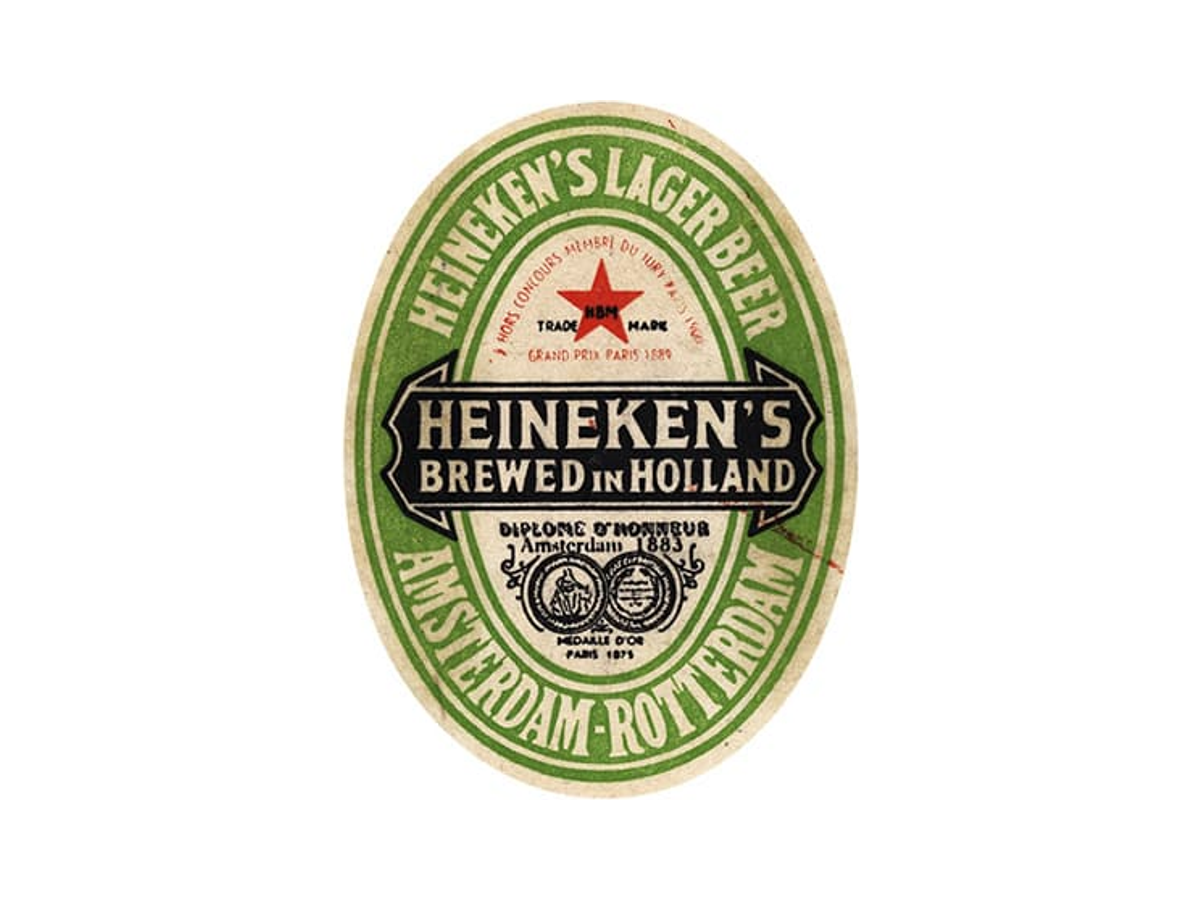
The oval label made the family name, Amsterdam origin, awards, and red star travel together on the bottle. source
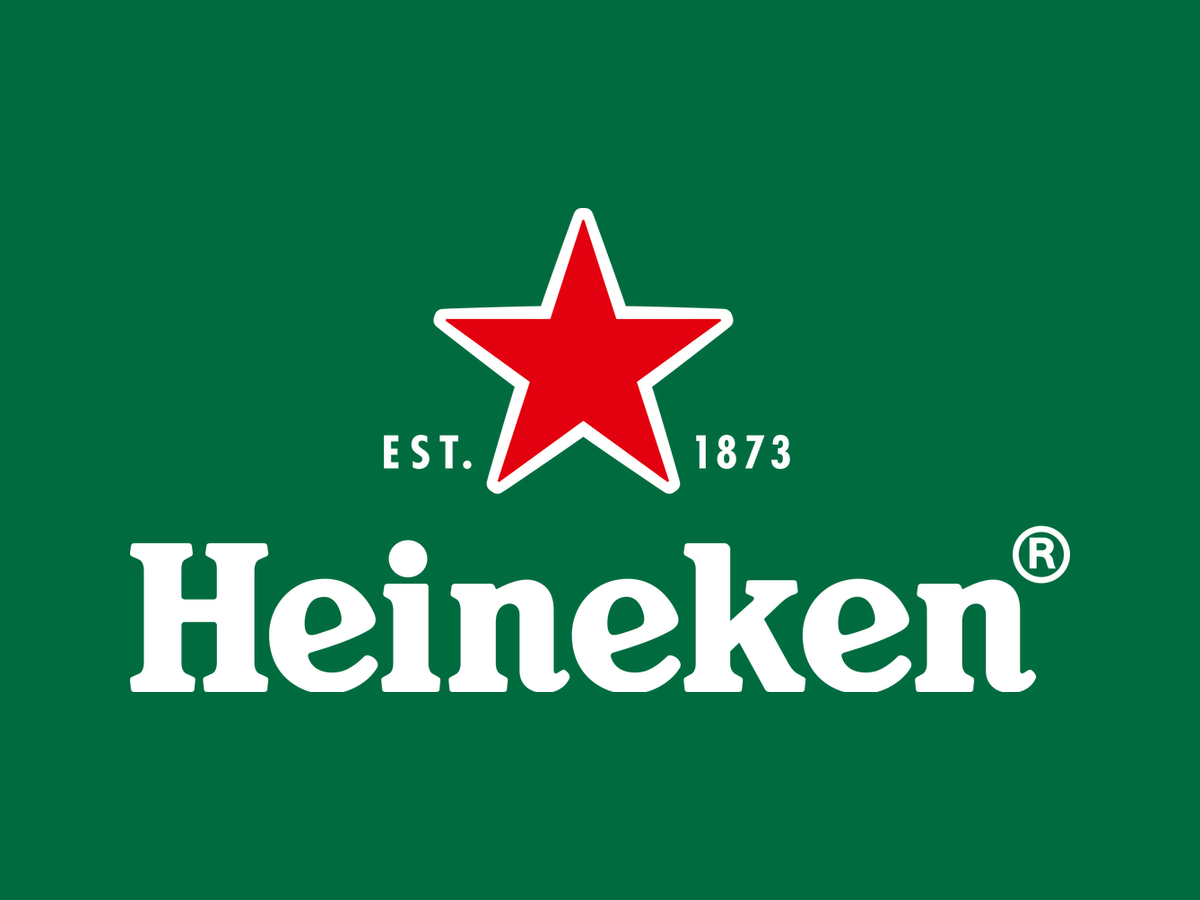
The current system reduces the identity to the wordmark, red star, and green field for fast recognition across packaging and hospitality.
Product and service lineage.
The brand signal moves from brewing origin into bottle memory, global distribution, sponsorship, and moderation extensions.

Hospitality makes the signal social
The masterbrand becomes memorable when it appears naturally in adult restaurant and bar occasions.

Moderation opens another occasion
The 0.0 extension lets the masterbrand enter social moments where alcohol is not the right choice.
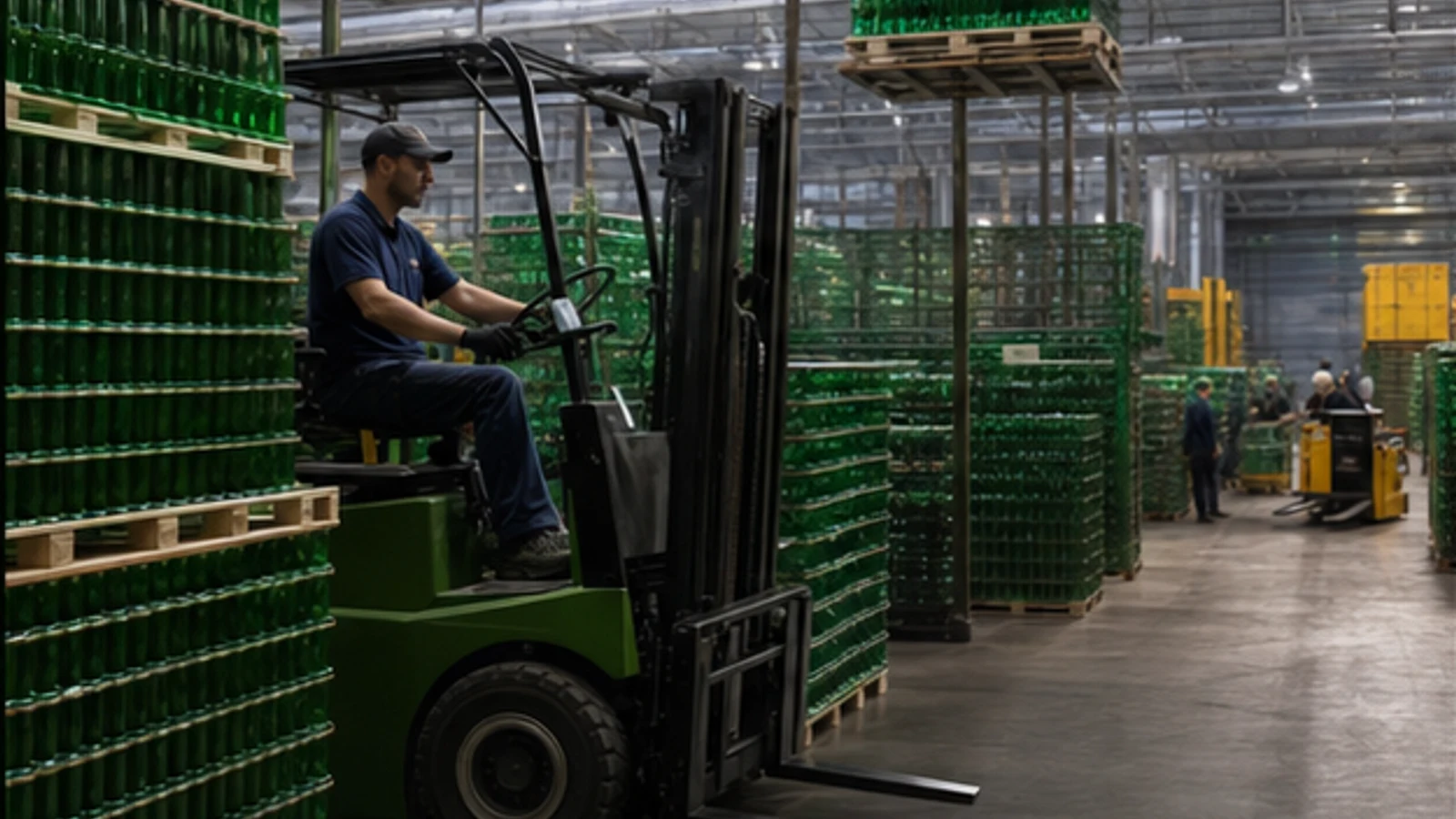
Distribution proves global scale
Consistent packaging and availability turn a local brewery identity into a portable global signal.
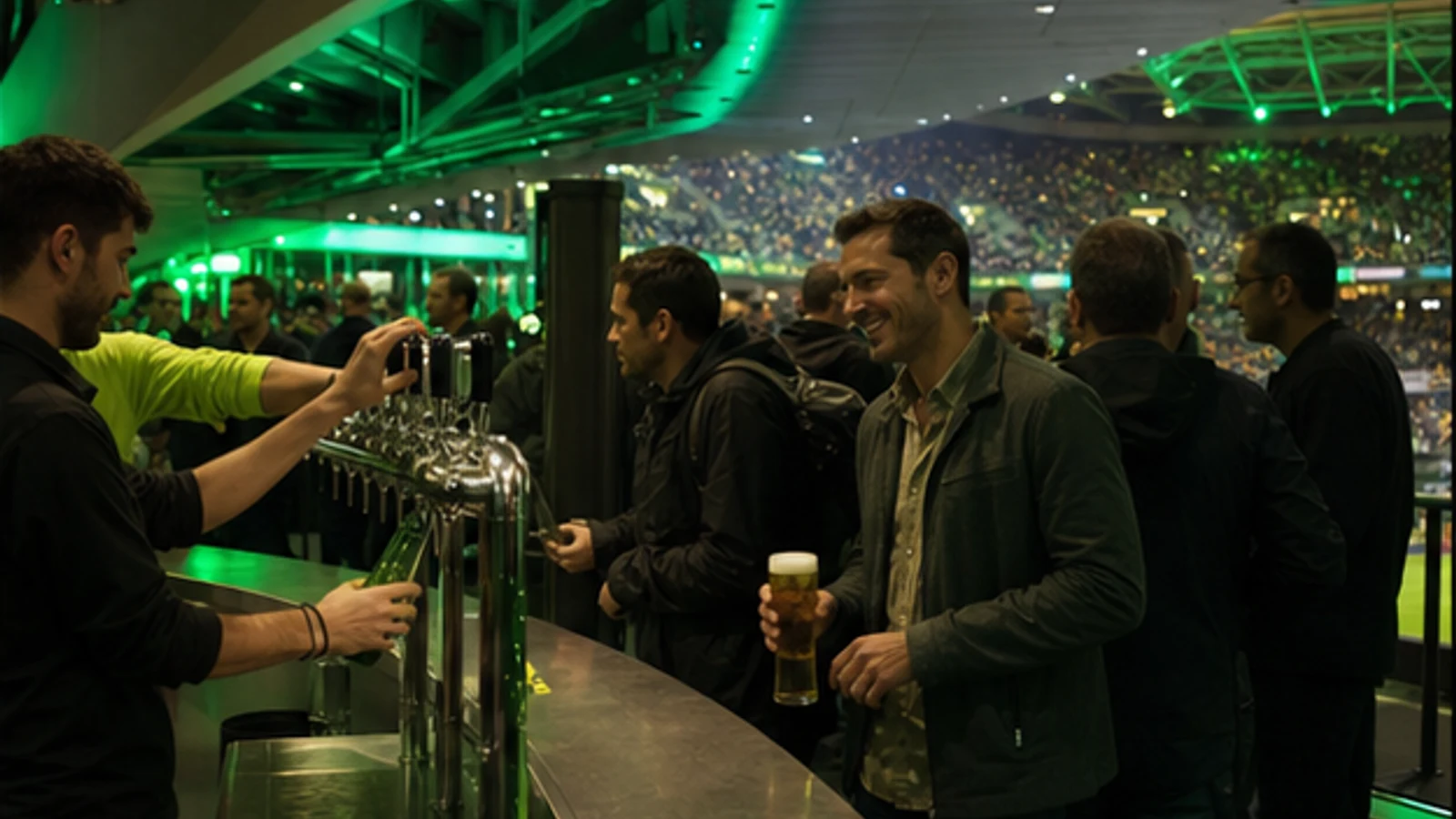
Events extend recognition
Sports and entertainment hospitality repeat the same green, red, and social-context memory at scale.
Product and service system
Heineken origin attaches the name to Dutch brewing heritage.
Green bottle and red star become portable recognition cues.
Heineken's return to the United States after Prohibition shows distribution turning a Dutch mark into an export signal.
A dedicated marketing function makes brand stewardship an operating discipline, not only a packaging exercise.
Sponsorship expands recognition from shelves and bars into shared event occasions.
Heineken 0.0 adds a moderation lane to the brand architecture.
Turning points.
Events that changed what buyers could see, buy, repeat, or trust.
Founder-name brewing heritage keeps the global brand from feeling anonymous.
Event contexts make the brand visible beyond shelves and bars.
0.0 and responsibility messaging are part of the modern brand job.
Public reaction.
This is a source-backed pressure reading, not a measured sentiment score: recognition strength, responsibility pressure, and the lesson created by both.
Fast recognition in bars, stores, events, and travel contexts.
Alcohol brands are judged against responsibility and health context.
Availability is not enough; the package and occasion have to keep meaning clear.
Full timeline.
Gerard Adriaan Heineken buys De Hooiberg
Heineken name becomes the company signal
International awards build proof
Heineken returns to the United States
Marketing becomes an operating discipline
Sponsorship becomes a global occasion system
Heineken 0.0 launches
A global masterbrand with local occasions
Steal / avoid.
- Give the package one unmistakable color field.
- Make the symbol work at bar, shelf, event, and social distance.
- Treat responsibility context as part of brand trust, not compliance copy.
- Do not let sponsorship replace product proof.
- Do not treat every market as the same drinking occasion.
- Do not separate recognition from responsibility.
Short answer.
Heineken is a strong brand because its green bottle, red star, and bar or event context make a global beer signal recognizable before copy is read. Its risk is that alcohol recognition must stay tied to responsibility and moderation proof.
Frequently asked questions
What is Heineken's strongest brand cue?
The green bottle and red star work together as the fastest public recognition cues.
What should founders learn from Heineken?
Package memory can carry a brand globally when the color, mark, product, and occasion reinforce each other.
What is the main risk?
Responsibility pressure: alcohol reach must be matched by moderation and trust discipline.
Need help with your own brand?
Use Private brand work when your name, identity, proof, or message needs a sharper branding decision.