HOKA · Grow Your Brand · Max-cushion running recognition system · France / Active / Deckers brand
HOKA
HOKA makes cushioning visible enough to become a shelf signal. A HOKA brand page on max-cushion running footwear, Deckers scale, visible midsole geometry, road/trail proof, and the risk of turning a sharp comfort cue into generic sneaker volume.
Positioning, name, and architecture.
Three evidence checks before the page talks about scale, color, or public reaction.
A visible max-cushion silhouette that lets comfort, rocker geometry, and trail/road use become the first read.
HOKA positions comfort as performance by making cushion visible and repeatedly proving it in road, trail, walking, and recovery contexts.
The brand launched publicly as HOKA ONE ONE; current Deckers reporting and customer use shorten the masterbrand to HOKA.
Fly Human Fly
house of brands
HOKA is the customer-facing masterbrand; road, trail, walking, recovery, and apparel are product categories rather than sub-brands.
Carries the visible max-cushion performance signal.
Deckers portfolio brand: Road and trail footwear source
Prove cushioning across distinct running conditions.
product categories: Performance footwear source
Extend the comfort promise beyond competitive running.
adjacent categories: Everyday movement source
Turns cushioning and geometry into inspectable purchase proof.
fit and service channel: Running fit source
Naming and tagline progression
HOKA ONE ONE is the original public masterbrand name.
Deckers filings continue the HOKA ONE ONE name after acquisition.
HOKA becomes the shortened public name; Fly Human Fly operates as a campaign platform.
Market and scale snapshot.
Deckers reports HOKA brand sales separately while earnings and balance-sheet scale remain disclosed at parent-company level.
HOKA brand net sales reported by Deckers for FY2026.
Deckers FY2026 operating income; HOKA standalone earnings are not disclosed.
Deckers FY2026 consolidated net sales provide parent-company scale; this is not a HOKA valuation.
Deckers is the listed parent; HOKA does not have a standalone ticker.
Color system.
The palette stays cool and technical so the shoe geometry carries the signal.
How the palette behaves
Deep blue gives the page performance control without turning it into generic sneaker advertising.
Light blue supports HOKA recognition while staying secondary to the product silhouette.
Warm editorial ground keeps the blue system readable without competing with the shoe silhouette.
Recognition assets.
Memory pieces the brand can use before someone finishes a sentence.
Midsole silhouette: the cushion shape is the fastest product cue.
Road and trail proof: the promise travels when shoes are seen in real running use.
Specialty retail: fit, gait, outsole, foam, and comfort language make the claim inspectable.
Scores.
Use these scores to compare recognition, trust, proof, pressure, and risk.
HOKA has clear public cues when the mark stays tied to product proof.
The card keeps product surfaces visible instead of relying on a slogan.
USD financials are shown where source-backed and unavailable market values are not invented.
The card identifies whether the brand is public, private, or parent-owned.
Product shape, running context, and shelf cues carry recognition without imitating the logo.
The brand lesson is expressed as a practical signal a buyer or operator can inspect.
Visible midsole geometry earns the claim only when foam, rocker, outsole, and run-specialty fitting evidence explain what the silhouette does.
HOKA is a Deckers portfolio brand with disclosed brand-level sales, but no standalone profit, public ticker, or market valuation.
How the logo changed.
The HOKA masterbrand moved from a dimensional HOKA ONE ONE lockup to a flatter wordmark and then to the shortened current HOKA identity.
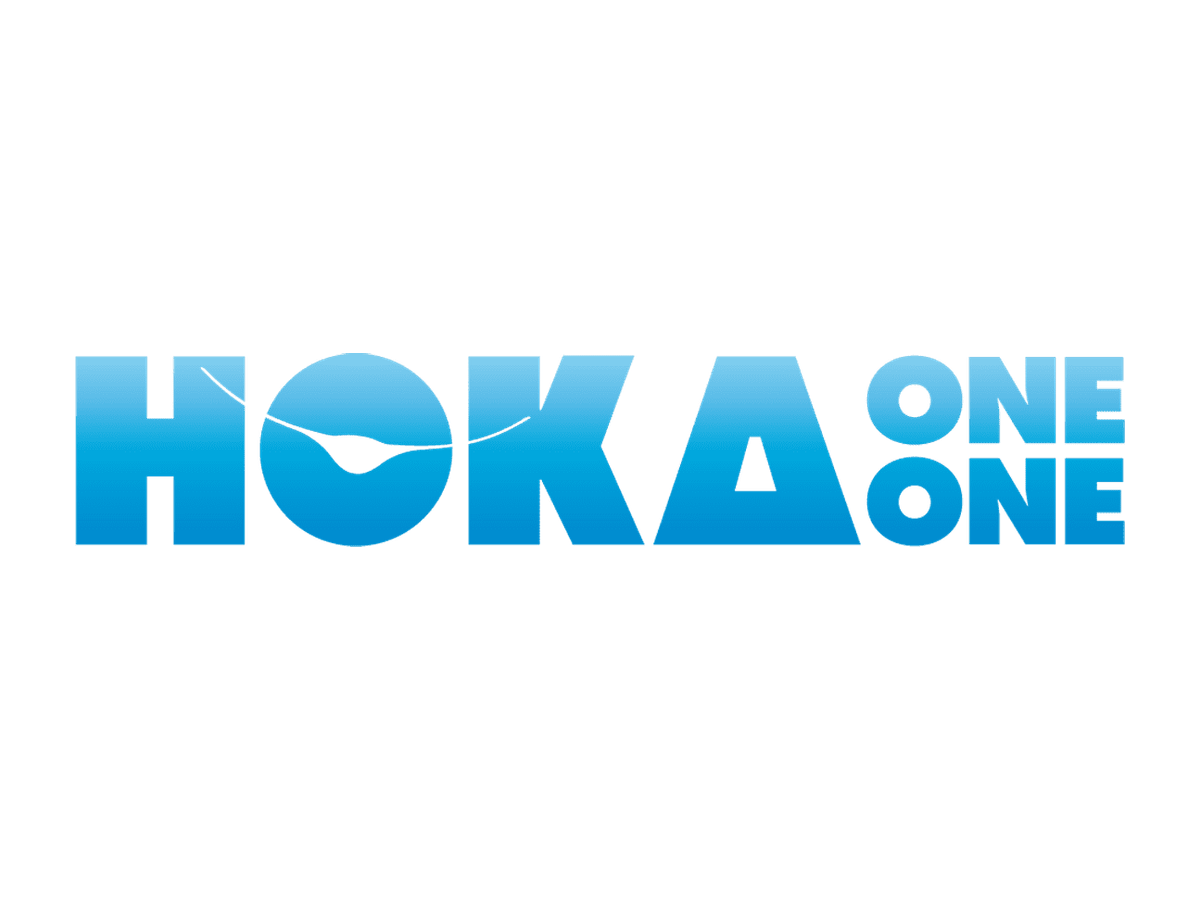
The original dimensional lockup paired the bird form with the full HOKA ONE ONE name. source
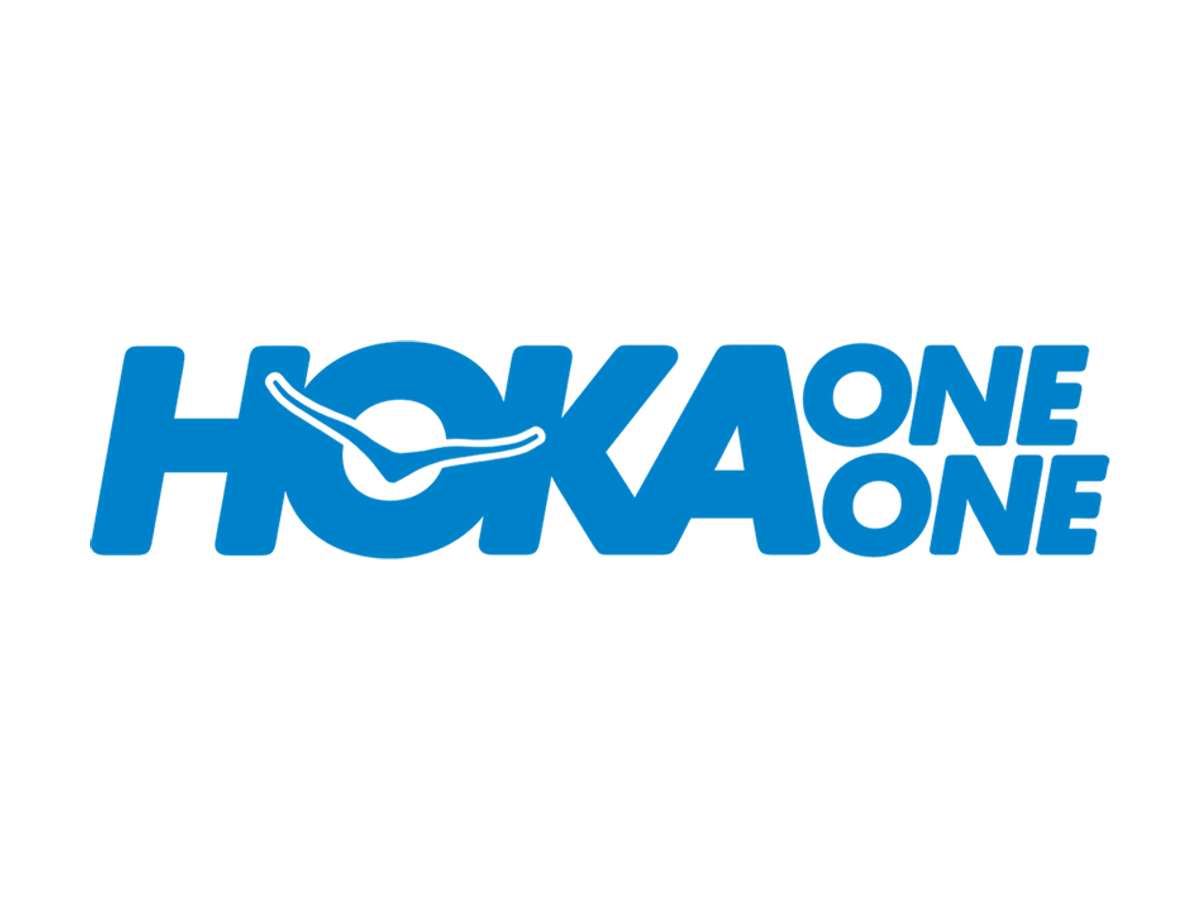
A flatter lockup improved reproduction while retaining the full name and bird form. source
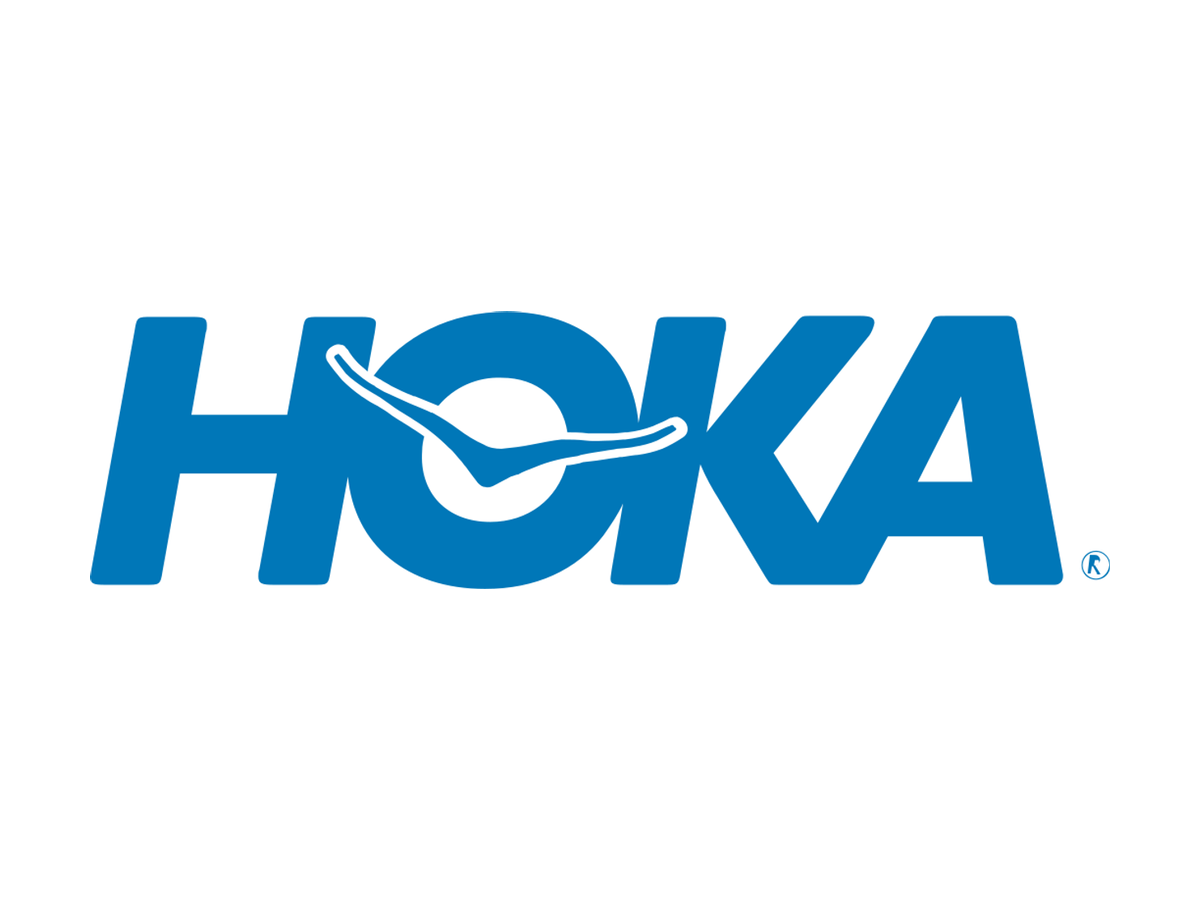
The current identity drops ONE ONE; Deckers announced the shortened public brand name in December 2021 while retaining the familiar bird cue.
Product and service lineage.
HOKA is strongest when buyers can recognize the promise from the shoe shape before reading a claim.
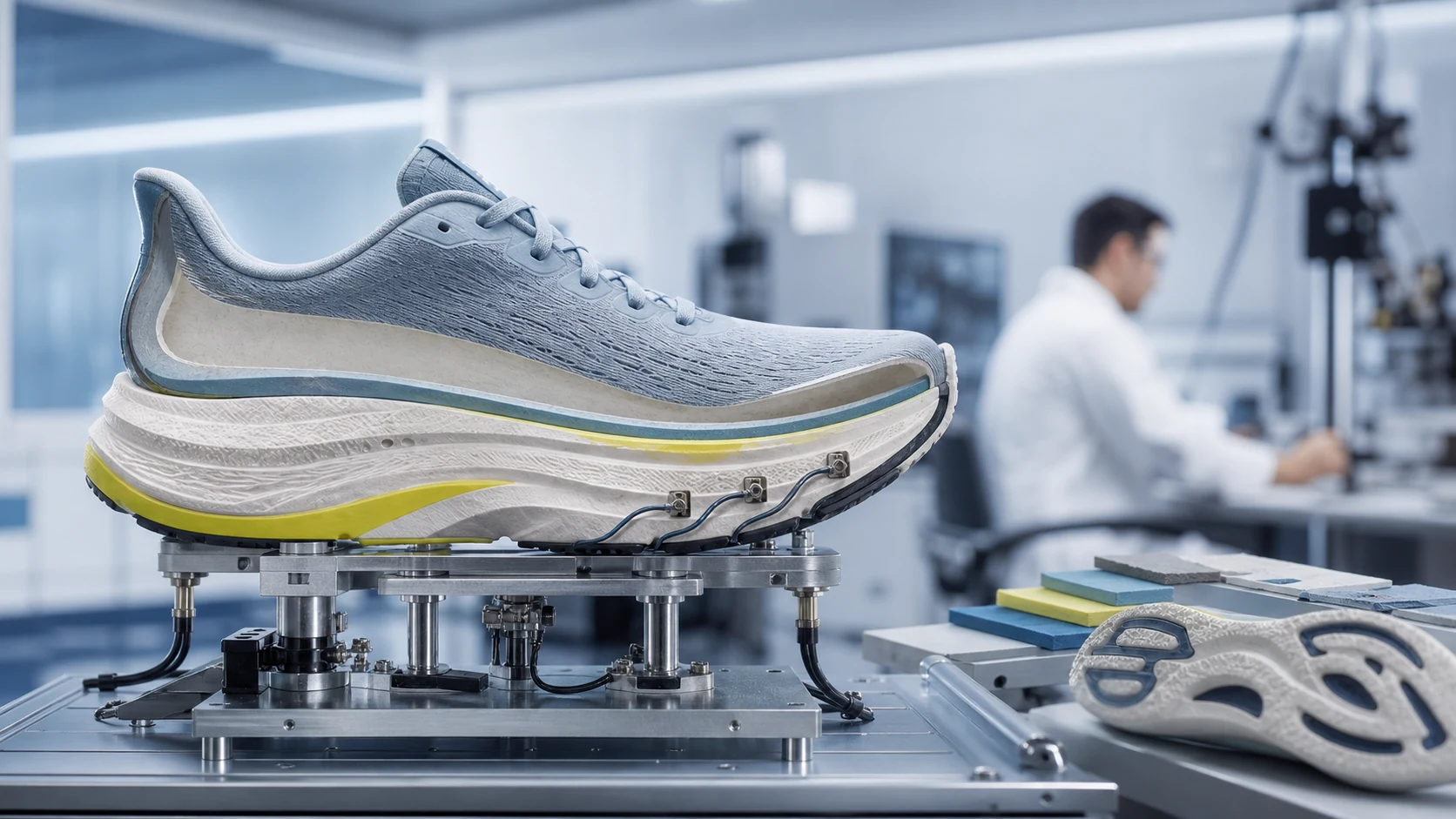
Geometry becomes inspectable
A cutaway shoe, rocker profile, foam layers, and lab sensors make the comfort claim physical.

Trail use proves the silhouette
The oversized midsole remains legible under speed, dust, descent, and uneven terrain.

Road use proves the silhouette
The oversized midsole reads fastest when it is seen carrying runners through real urban mileage.

Specialty fitting makes comfort credible
Fit, gait, foam, and use-case discussion turn a visible cushion cue into inspectable product proof.
Product and service system
The brand begins with an oversized running-cushion cue that makes comfort visible.
Deckers acquisition gives HOKA the parent-company platform for wider distribution.
HOKA reaches USD 2.587B in reported brand net sales inside Deckers.
Road, trail, walking, recovery, and apparel make the cushion signal travel beyond a single shoe model.
Turning points.
The HOKA story is not nostalgia; it is a product-shape signal that had to scale without becoming generic.
The midsole is not a hidden feature; it is the sign.
Deckers gives HOKA wider distribution and public-company reporting context.
Other brands can copy big midsoles.
The campaign moves the language from technical cushioning toward inclusive human movement.
Dropping ONE ONE makes the name easier to say and apply while the bird form keeps continuity.
Public reaction.
Public reaction is treated as brand pressure, not as invented sentiment scoring.
Positive memory comes from seeing a shoe that looks like comfort before it is explained.
Pressure rises when max cushion becomes a category look and HOKA has to prove it is more than silhouette.
Full timeline.
HOKA begins in Annecy
Max-cushion geometry reaches runners
Deckers acquires the remaining interest
The identity becomes cleaner
HOKA reaches USD 2.587 billion
Fly Human Fly operates as a platform
Steal / avoid.
- Make the product shape prove the promise before copy starts.
- Let specialist retail and use context reinforce the cue.
- Report parent-company scale honestly when standalone profit is not disclosed.
- Do not turn a product cue into a generic color moodboard.
- Do not present Deckers profit as HOKA profit.
- Do not copy max-cushion aesthetics without a real performance reason.
Short answer.
HOKA is a Deckers-owned running brand whose strongest brand signal is visible cushioning: the shoe shape makes comfort and performance legible before the buyer reads copy. FY2026 Deckers results show HOKA at USD 2.587B in brand net sales.
Frequently asked questions
What is HOKA's core brand signal?
Visible cushioning: the midsole and shoe geometry make comfort and performance instantly recognizable.
Is HOKA a standalone public company?
No. HOKA is reported inside Deckers Outdoor Corporation.
What should another brand learn from HOKA?
A product feature becomes a brand asset when customers can recognize it from shape and use.
Need help with your own brand?
Use Private brand work when your name, identity, proof, or message needs a sharper branding decision.