HSBC · Grow Your Brand · Global Bank / Cross-border Trust · United Kingdom / Hong Kong roots / Active / listed bank
HSBC
HSBC: the hexagon turns cross-border banking into a single recognition system. The red-white hexagon connects HSBC's Hong Kong and Shanghai origin, London parent structure, four-business architecture, FY2025 finance, and local banking surfaces.
Positioning, name, and architecture.
HSBC connects a Hong Kong and Shanghai origin, a London-listed parent, regulated local banks, and one red-white hexagon; clarity depends on keeping every layer named.
A Hong Kong and Shanghai origin story joined to a London-listed parent and a red-white mark that can travel across markets.
HSBC positions banking as cross-border access: one public mark, many regulated local surfaces, and a promise that must stay clear through branches, cards, apps, wealth, and corporate banking.
HSBC comes from The Hongkong and Shanghai Banking Corporation. The initials keep the origin while making the name portable.
Opening up a world of opportunity
masterbrand with regulated local entities and specialist businesses
The HSBC mark leads, but trust is carried by local banks, product lines, and regulated entities. Hang Seng must be treated as part of the Hong Kong architecture, not as a campaign.
Branches, wealth, commercial banking, and Hang Seng make the origin market a live operating system.
Home-market banking business: HSBC Hong Kong / Hang Seng Bank source
HSBC UK, HSBC Innovation Bank, first direct, and M&S Bank show how one masterbrand coexists with regulated and specialist names.
Ring-fenced banking business: HSBC UK / HSBC Innovation Bank / first direct source
Trade, transaction banking, markets, and institutional relationships carry the cross-border promise.
Business and markets system: Trade and institutional banking source
Premier, private banking, insurance, and asset management translate global reach into an individual client relationship.
Wealth and premium banking system: Premier / Private Banking source
Naming and tagline progression
The Hongkong and Shanghai Banking Corporation
HSBC announces a unified global brand; more than 300 subsidiaries adopt it in 1999
Opening up a world of opportunity
Market and scale snapshot.
FY2025 revenue and profit before tax sit beside a dated market-value observation so HSBC's scale is visible without flattening different financial labels into one number.
FY2025 reported revenue in HSBC Annual Report and Accounts 2025.
FY2025 profit before tax; profit after tax was USD 23.131b.
Nasdaq end-of-day market capitalization for 15 Jul 2026, reproduced in CompaniesMarketCap's dated source comparison.
NYSE ticker and HSBC Holdings plc ISIN; market-cap observation is separately sourced.
Color system.
Red works as a focused bank-recognition cue, balanced by white space and institutional black.
How the palette behaves
Red creates a fast visual hit in a conservative banking category.
White gives the symbol its cross shape and keeps the system clean enough for finance.
Black and grey keep the red mark from feeling promotional.
The palette works only when the mark is attached to a clear product, market, or regulated entity.
Recognition assets.
The hexagon, HSBC initials, red-white contrast, headquarters, branch system, and card/app repetition make a complex bank easier to identify across markets.
The symbol can carry recognition in a branch window, card corner, app tile, or airport corridor.
Hong Kong and Shanghai are not decoration. They explain why the brand is judged through cross-border access.
A global mark fails when the legal entity, branch, support path, or wealth lane is unclear.
Scores.
These scores measure whether HSBC's mark and service language stay clear while customers move between countries, entities, products, and channels.
The hexagon and initials are globally legible.
The FY2025 four-business structure helps, but local-entity complexity remains.
Bank trust has to survive regulation, risk, and service recovery.
The red-white symbol is simple and hard to miss.
Branches, cards, apps, wealth offices, and corporate banking all reinforce the same mark.
The public brand, parent company, listings, and business lines can be stated cleanly.
A global bank has many legal and product lanes that can confuse readers.
A portable acronym and symbol can keep a complex business searchable.
How the logo changed.
The identity moves from the nineteenth-century house flag to Henry Steiner's hexagon and then to a unified global HSBC wordmark system.
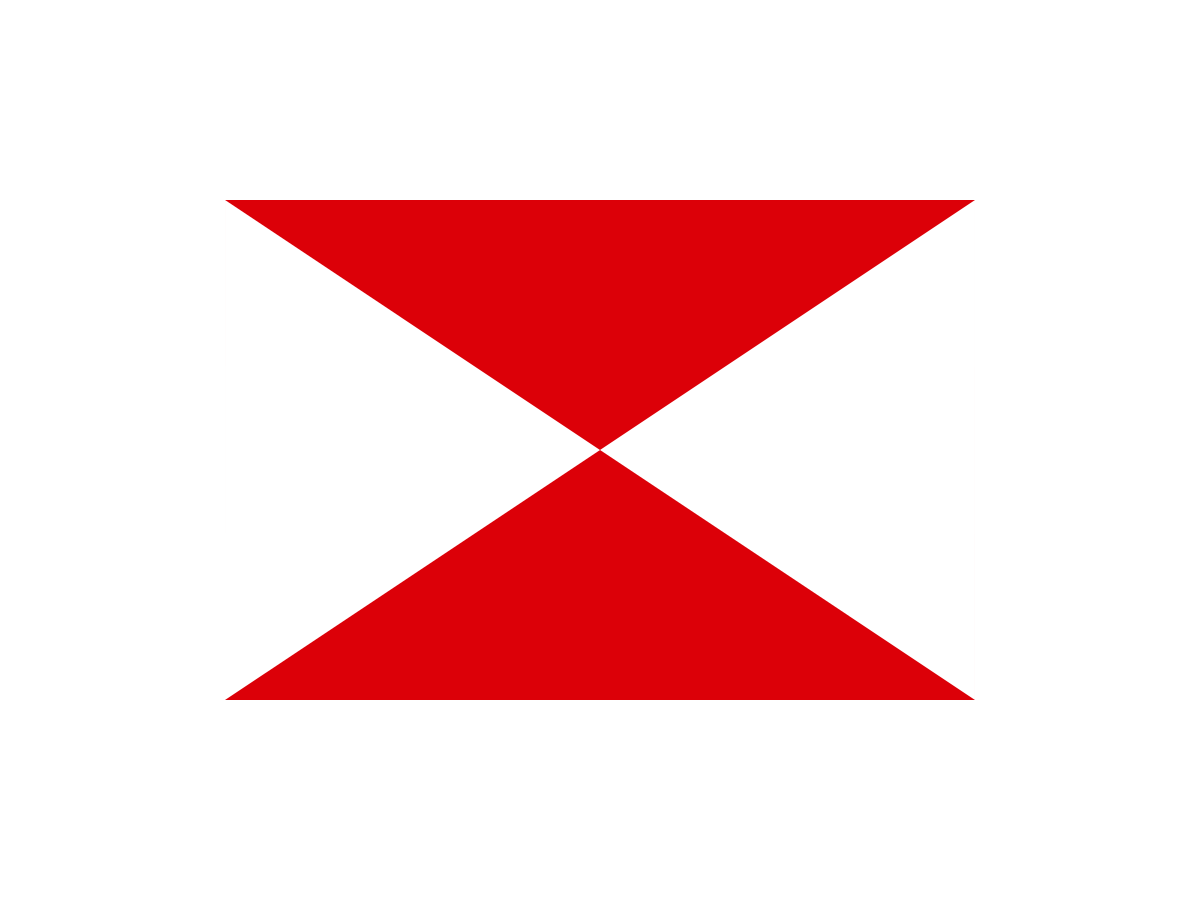
The bank flew a red-white house flag before it had a formal modern logo. The geometry became the origin point for the later hexagon.
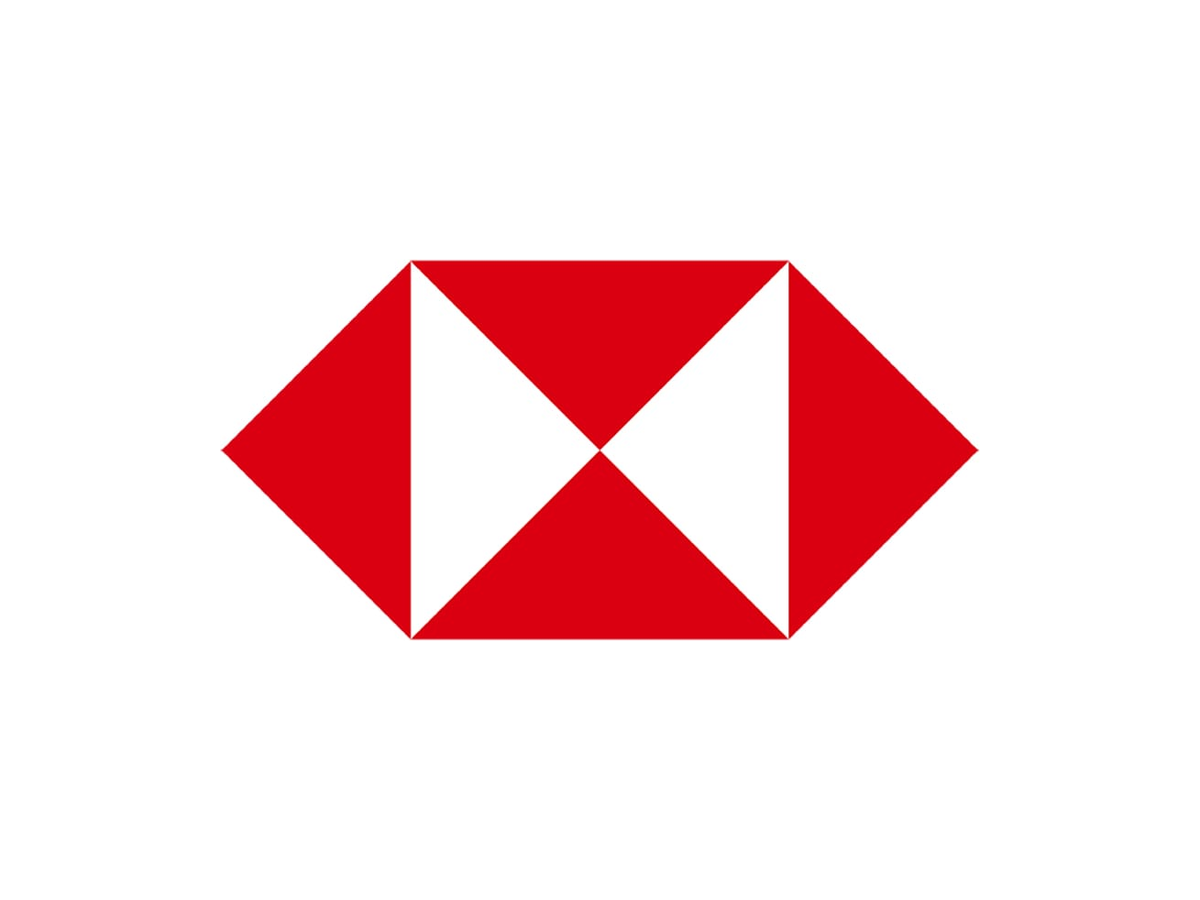
Henry Steiner extended the house-flag geometry into the six-part hexagon, introduced across the group from 1983. source
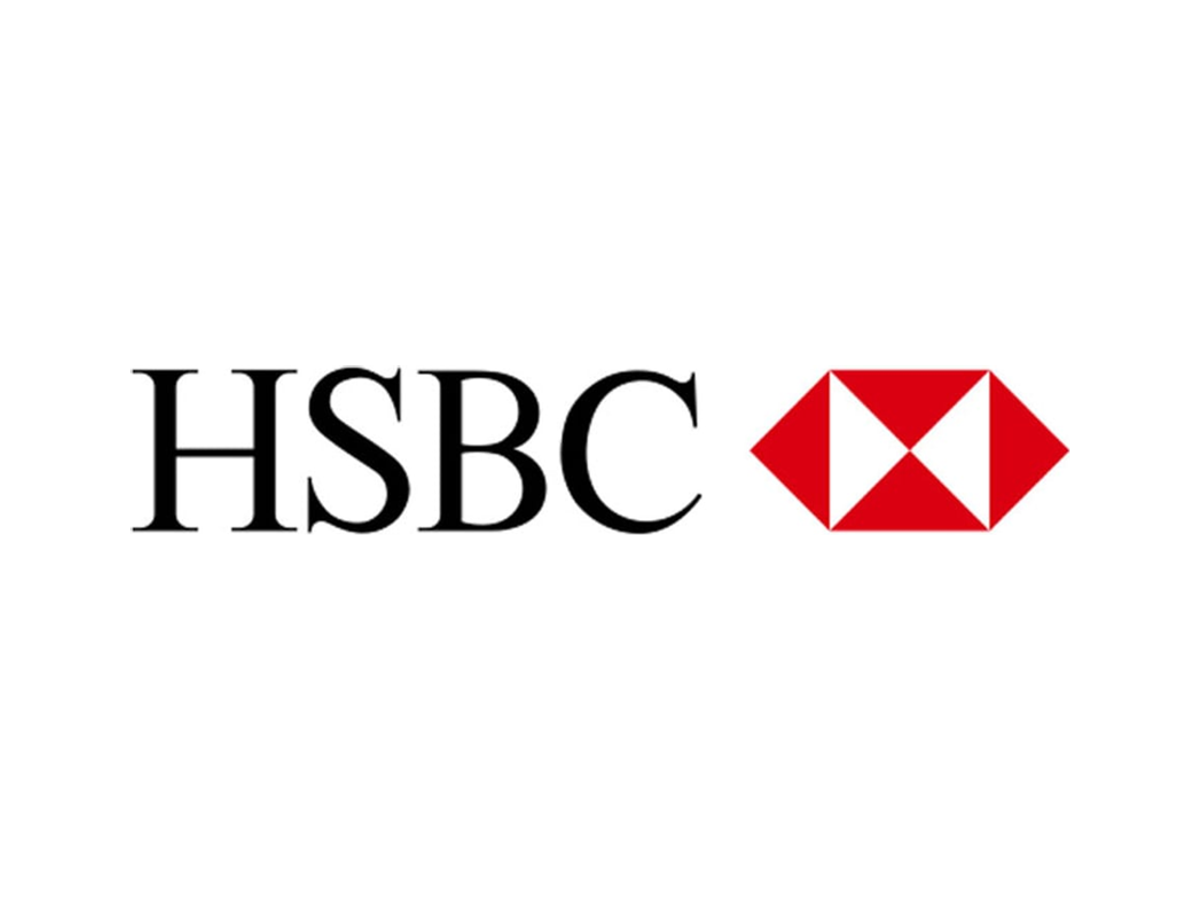
The group placed HSBC and the hexagon across more than 300 subsidiary names to create one global identity. source
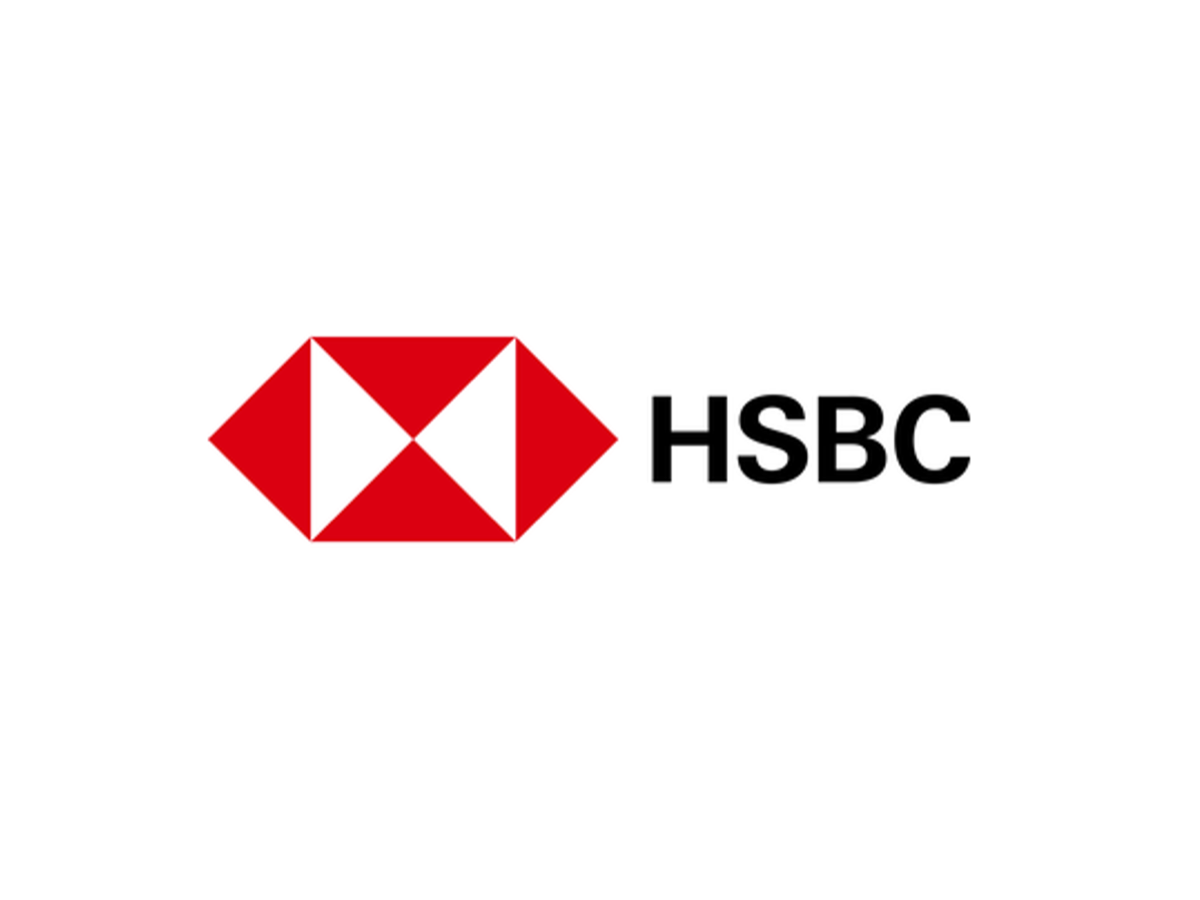
The hexagon moved ahead of the name and the typography simplified for digital, branch, and large-format use. source
Product and service lineage.
For HSBC, product proof is a system of local, cross-border, wealth, trade, card, branch, and app banking surfaces.

Trade finance carries the origin story
Hong Kong, Shanghai, and cross-border banking need tangible documents, ports, and business context.

Advisory turns global scale into a relationship
Wealth and business banking need a visible human handoff, not only a global symbol and product list.

Mobile wealth planning brings the network to the client
The official HSBC wealth story turns scale into a visible human service rather than another abstract banking interface.
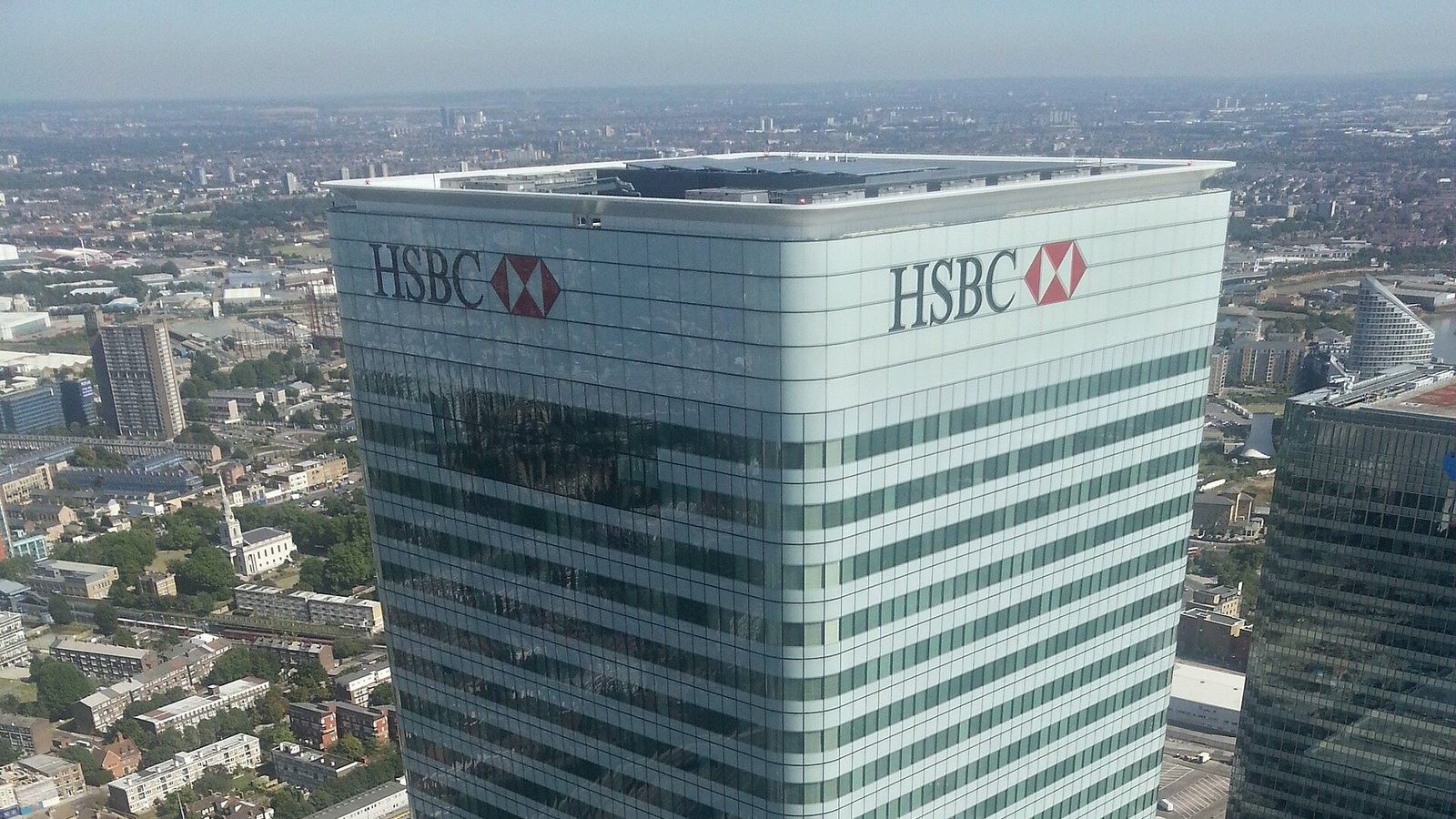
The London parent has to stay legible
The headquarters image makes the current parent location visible without erasing the Hong Kong and Shanghai origin story.
Product and service system
HSBC opens in Hong Kong and Shanghai.
The Shanghai Bund office and the Stephen and Stitt lions become part of the public memory.
Hang Seng Bank becomes part of the group architecture.
Midland Bank acquisition leads to HSBC Holdings plc as the London parent.
HSBC announces a unified global brand; more than 300 subsidiaries adopt the HSBC name and hexagon in 1999.
The annual report uses four businesses: Hong Kong, UK, Corporate and Institutional Banking, and International Wealth and Premier Banking.
Turning points.
Origin buildings, global unification, business restructuring, regulation, and service handoffs show where HSBC's scale becomes useful or difficult to read.
Hong Kong and Shanghai explain the name; today's parent and business structure explain how the bank operates.
The Foster-designed Hong Kong building uses open public space, escalator movement, exposed structure, harbour-facing feng shui context, and Stephen/Stitt lion memory as banking confidence cues.
It gives a complex bank one public recognition cue.
A bank brand loses trust when regulated entities and product lanes are squeezed together.
Different buyer jobs need different proof, even under one mark.
Public reaction.
External awards show where HSBC's corporate and Hong Kong banking roles earn recognition; regulatory action shows where operational treatment can damage the same trust.
Euromoney named HSBC the world's best bank for public-sector clients and for large corporates in its 2025 Awards for Excellence.
In May 2024, the UK Financial Conduct Authority fined HSBC entities GBP 6.28 million over failures in the treatment of customers in arrears or financial difficulty.
Euromoney named HSBC Hong Kong's best bank for 2025 and described growth in active retail customers, app use, and trade-finance share.
Full timeline.
The Hongkong and Shanghai Banking Corporation opens in Hong Kong and Shanghai.
The bank operates across seven countries in Asia, Europe, and North America.
HSBC opens its Shanghai Bund headquarters.
HSBC acquires a controlling interest in Hang Seng Bank.
The Foster-designed HSBC Main Building opens in Hong Kong.
HSBC completes its acquisition of Midland Bank and establishes the London parent structure.
HSBC announces a unified global brand; more than 300 subsidiaries adopt the HSBC name and hexagon in 1999.
HSBC reports USD 68.274 billion in revenue and USD 29.907 billion in profit before tax.
Steal / avoid.
- Use one symbol to simplify a complex service system.
- Keep origin visible without letting it confuse current headquarters and parent structure.
- Label business lanes plainly when the company is regulated and global.
- Keep official financial terms separate so revenue, profit, and market value remain comparable.
- Do not call HSBC Hong Kong-headquartered today.
- Do not use old business division names as current architecture.
- Do not call profit after tax net profit without checking the official label.
- Do not invent ESG leadership or logo meaning beyond the official sources.
Short answer.
HSBC is useful as a brand lesson because the red-white hexagon makes a complex global bank easier to recognize. The hard part is not the mark. The hard part is keeping the London parent, Hong Kong and Shanghai origin, local entities, wealth lane, institutional lane, and official financial labels clear enough that the brand does not flatten into one vague bank.
Frequently asked questions
What is HSBC's main brand signal?
The red-white hexagon and HSBC initials. They make the bank recognizable across branches, cards, apps, airports, and corporate banking surfaces.
What should another brand steal from HSBC?
Use a simple portable mark to make a complex service system easier to find and explain.
What should another brand avoid copying from HSBC?
Do not copy global scale language if the reader cannot understand the parent, local entity, product lane, and source-backed proof.
Need help with your own brand?
Use Private brand work when your name, identity, proof, or message needs a sharper branding decision.
Sources.
Use the education shelf for the concepts behind this brand page.
Private brand workUse this when the decision belongs to your own brand.
All brandsReturn to every brand page.
- HSBC Annual Report and Accounts 2025
- HSBC history timeline
- Foster + Partners: Hongkong and Shanghai Bank Headquarters
- HSBC group structure
- HSBC purpose, strategy, and values
- CompaniesMarketCap: HSBC market capitalization
- HSBC our markets
- HSBC our brand in action
- Wikimedia Commons: HSBC logo 2018
- HSBC Create: history of the house flag, hexagon, and unified identity
- Wikimedia Commons: HSBC Main Building, Hong Kong
- Wikimedia Commons: HSBC Building, London
- Euromoney Awards for Excellence 2025 results
- Euromoney: Hong Kong best bank 2025
- UK FCA: HSBC customer-treatment fine, May 2024
- Wikimedia Commons: HSBC house flag
- HSBC and Wealth: mobile wealth manager
.svg)


