Kering · Grow Your Brand · French Luxury Portfolio · France / Active / listed company
Kering
Kering: the parent brand works only when the houses, Gucci pressure, and group lanes stay separate. A brand page for Kering: its French luxury-group role, Gucci dependence, Saint Laurent and Bottega Veneta lanes, eyewear, the completed Kering Beauté disposal, FY2025 finance pressure, and the risk of turning every maison into one parent story.
Positioning, name, and architecture.
Three evidence checks before the page talks about scale, color, or public reaction.
A French luxury parent with Gucci, Saint Laurent, Bottega Veneta, Balenciaga, eyewear, and group-turnaround proof.
Kering is strongest when the parent name clarifies house roles and finance pressure instead of masking them.
Kering replaced PPR to create a parent name with caring/ker associations and Breton roots.
Creativity is our Legacy
luxury house-of-brands parent
Kering should not flatten its houses or hide Gucci concentration pressure.
largest recognition and turnaround pressure lane
flagship house: Gucci fashion and leather goods source
major growth and Paris fashion proof
fashion house: Saint Laurent ready-to-wear and leather goods source
quiet luxury and leather craft proof
craft house: Bottega Veneta leather goods source
shared eyewear and category-system proof
platform lane: luxury eyewear platform source
Naming and tagline progression
Pinault-Printemps-Redoute
Empowering imagination
Creativity is our Legacy
Market and scale snapshot.
The Q2 update showed comparable-sales growth and a narrower Gucci decline. By 22 September, Reuters reported that the de Meo-era share-price gains had been erased. The operating improvement and subsequent market reversal are separate dated observations.
Official FY2025 EUR 14.675 billion revenue converted at 1.1396 USD per EUR.
Official FY2025 EUR 72 million net income attributable to the Group converted at the same rate.
September 2026 observation read 22 Sep; no exact daily close is inferred.
Kering S.A. ordinary shares; ISIN FR0000121485. KER.PA is the market-data symbol.
Color system.
Black and white should keep the parent restrained, while house proof carries recognition.
How the palette behaves
Black signals restraint.
White keeps the parent sober.
Warm neutrals avoid a cold holding-company feel.
The palette needs house proof to avoid abstraction.
Recognition assets.
Memory pieces the brand can use before someone finishes a sentence.
Kering works when it supports houses without stealing their signals.
The page should name concentration pressure instead of smoothing it out.
Eyewear and beauty architecture are not the same as fashion houses.
Scores.
Use these scores to compare recognition, trust, proof, pressure, and risk.
The parent name is recognized in luxury business circles, but maison proof must carry public recognition.
Public reporting and maison history support trust when ownership lanes are labeled.
The group works when houses, categories, regions, and parent role stay separate.
Parent marks are restrained, so product and maison context carry much of the signal.
Stores, products, maisons, craft, and finance provide visible proof.
Brand houses and group ownership must not collapse into one luxury sentence.
Parent company, owned maisons, public ticker, and product names need clean labels.
Luxury copy can become vague unless tied to sources, products, and reporting.
How the logo changed.
Official Kering reports document the transition from PPR-era corporate marks to the current Kering wordmark after the 2013 rename.
The 2005 reference document shows the boxed PPR corporate mark before the Kering rename. source
The final pre-Kering reference document uses a simplified white PPR wordmark on red. source
The 2013 corporate rename introduced Kering; this card shows the current masterbrand wordmark. source
Product and service lineage.
For Kering, proof runs through owned houses, category platforms, finance pressure, and turnaround discipline.
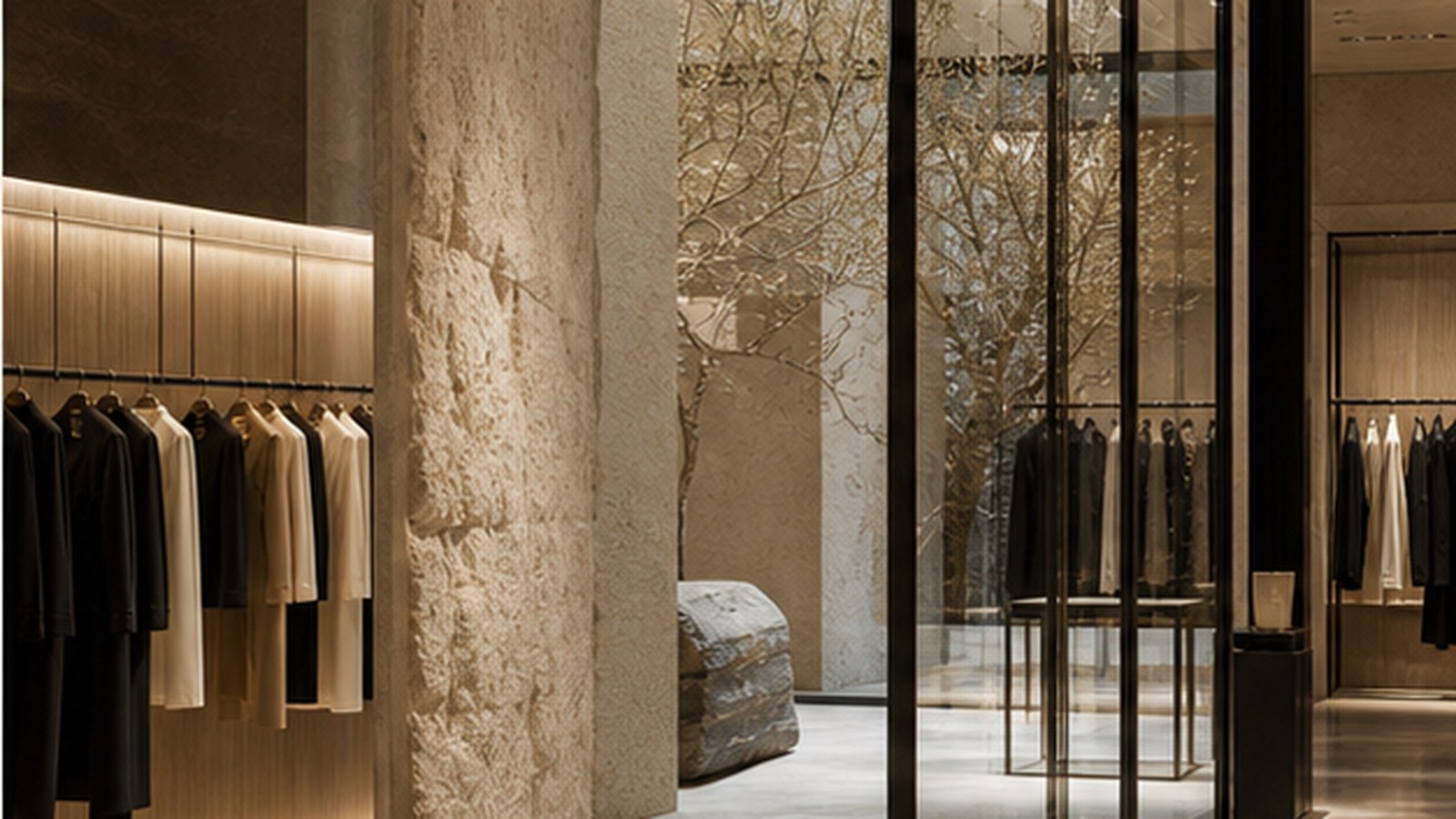
Retail architecture carries recognition
Retail architecture carries recognition through lighting, space, material, and display discipline.
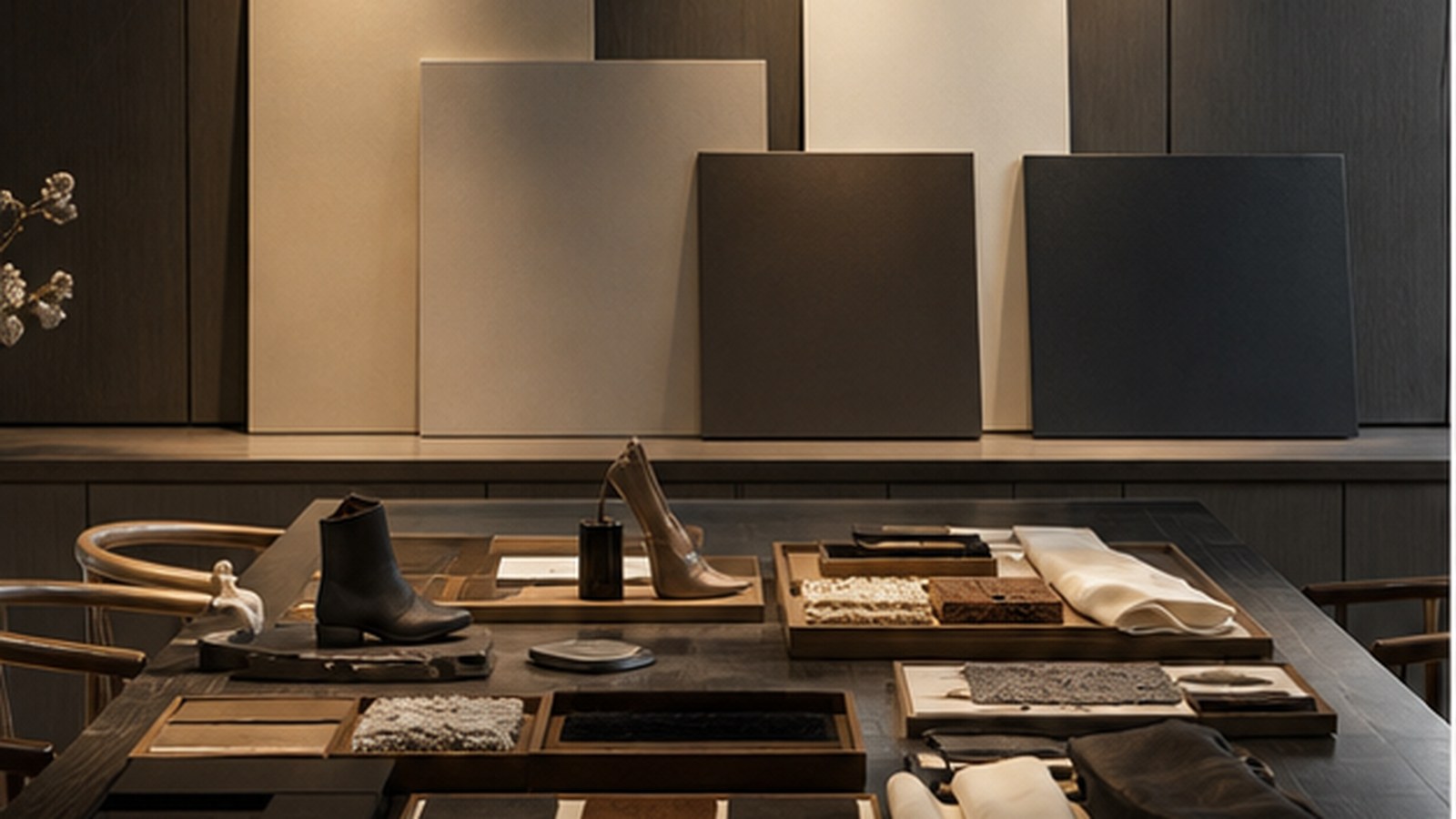
Portfolio lanes need separation
Separated material systems help each house retain a recognizable lane inside the group.
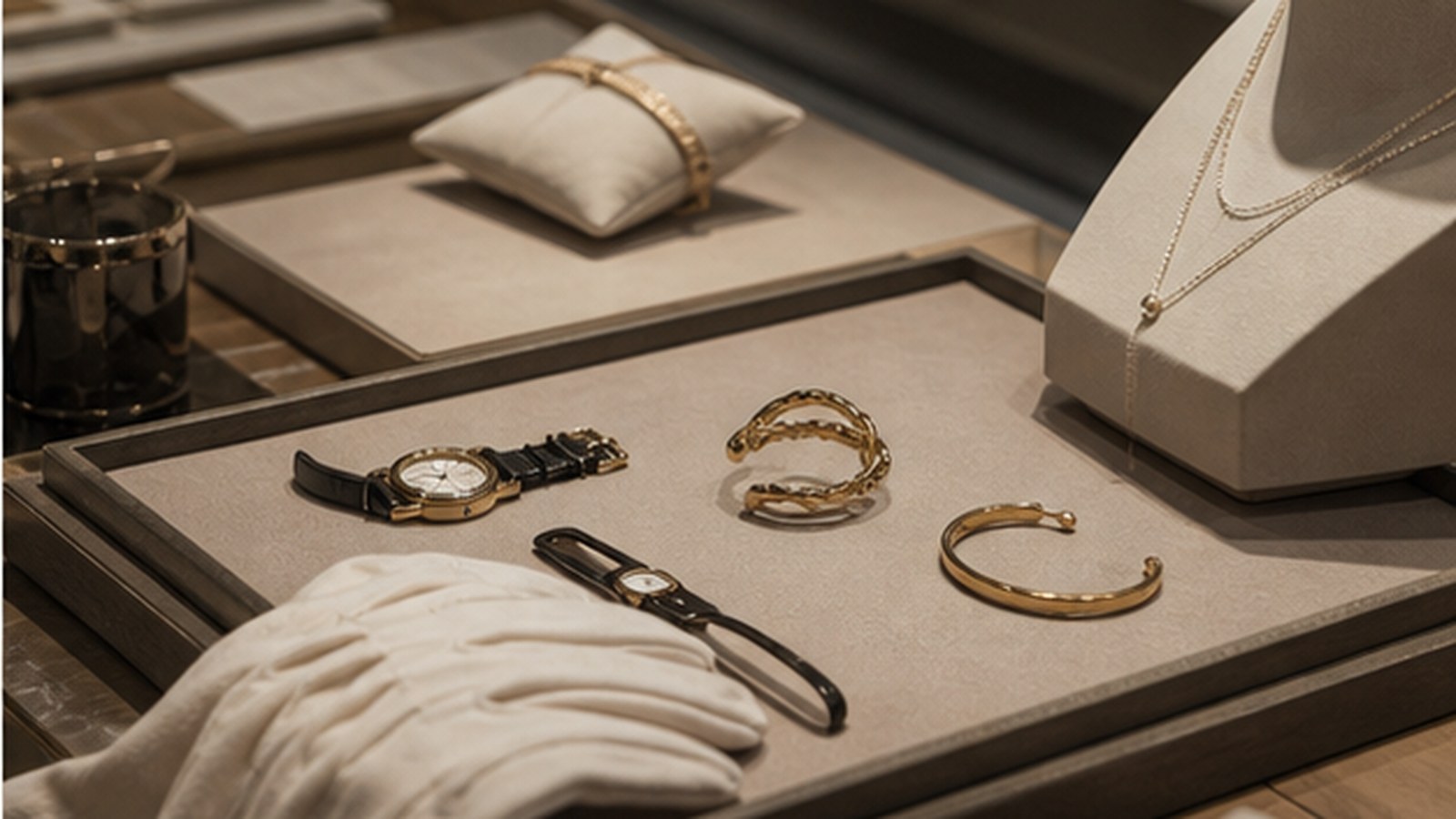
Jewelry and watches need their own proof
Jewelry and watch craft needs its own display, service, and material evidence.

Creative direction is the parent-level coordination lane
A Paris review room makes the group job visible without flattening the houses into one style.
Product and service system
François Pinault founds the timber business.
Pinault lists in Paris.
Gucci and Saint Laurent shift the group toward luxury.
PPR becomes Kering.
Turning points.
Events that changed what buyers could see, buy, repeat, or trust.
The group moves from distribution to luxury houses.
The flagship house creates recognition and risk.
Kering becomes a quieter holding signal.
Second-quarter Kering sales returned to comparable growth and Gucci's decline narrowed to 2%, helped by stronger North American demand while Asia-Pacific remained weaker.
Reuters reported that Kering shares had erased the gains made when Luca de Meo took over a year earlier.
Public reaction.
The useful reaction is about trust and pressure, not sentiment counts.
Many people know Gucci before they know Kering.
Weak finance makes generic luxury language dangerous.
The parent depends on house discipline and proof.
Full timeline.
François Pinault founds the original timber business.
Pinault lists in Paris.
The retail group becomes Pinault-Printemps-Redoute / PPR.
Gucci and Saint Laurent shift the group toward luxury.
PPR becomes Kering.
Luca de Meo era begins amid Gucci dependency and margin repair.
The stabilization rally does not hold
Steal / avoid.
- Let the parent support the houses.
- Name concentration risk.
- Separate platforms from maisons.
- Do not flatten houses.
- Do not hide Gucci pressure.
- Do not make luxury copy generic.
Short answer.
Kering is useful as a brand lesson because it shows how a parent brand can clarify a luxury portfolio without replacing house recognition. The page has to separate Gucci, Saint Laurent, Bottega Veneta, Balenciaga, eyewear, and finance pressure so the parent name does not become vague holding-company language.
Frequently asked questions
What is Kering's main brand signal?
A restrained parent name that holds major luxury houses.
What should another brand steal from Kering?
Use parent architecture to make house roles clearer.
What should another brand avoid copying?
Do not hide concentration risk behind luxury language.
Need help with your own brand?
Use Private brand work when your name, identity, proof, or message needs a sharper branding decision.
Sources.
Use the education shelf for the concepts behind this brand page.
Private brand workUse this when the decision belongs to your own brand.
All brandsReturn to every brand page.
- Kering group
- Kering houses
- Kering publications
- Kering finance
- Kering Eyewear
- Kering FY2025 results
- Kering and L’Oréal strategic-alliance completion
- Kering group history and 2013 identity
- Reuters coverage of Kering Q2 2026 and Gucci stabilization
- Kering market capitalization
- Reuters: luxury brands face renewed pressure