Siemens · Grow Your Brand · Industrial Trust System · Germany / Active / listed company
Siemens
Siemens began with a telegraph. Siemens Energy later became a separate company. Werner von Siemens and Johann Georg Halske opened their Berlin workshop in 1847. The 2020 energy spin-off created a separately listed business, so a shared Siemens name does not make the companies’ portfolios or financial results interchangeable.
Positioning, name, and architecture.
Siemens holds together because its founder name, restrained teal wordmark, engineering history, operating businesses, and public-company evidence all reinforce one idea: dependable technology embedded in everyday infrastructure.
A German engineering brand whose visible proof spans automation, mobility, buildings, software, and medical technology holdings.
Siemens positions technology as practical infrastructure: systems that are often invisible to the public but visible to buyers through factories, trains, buildings, grids, software, and service reliability.
Siemens carries Werner von Siemens' surname from the founding engineering business.
Technology to transform the everyday, for everyone.
industrial masterbrand with business-unit and listed-affiliate lanes
Siemens Healthineers remains a listed affiliate, while Siemens Energy has been independent since 2020; their related names can obscure the boundary of Siemens AG.
factory, automation, and industrial software proof
industrial automation lane: industrial automation and software source
invisible infrastructure and energy management proof
building and grid lane: building technology and grid systems source
public train and transport system proof
mobility lane: rail automation and rolling stock source
financing, leasing, and investment support for industrial and infrastructure projects
financing and investment lane: equipment finance and infrastructure investment source
medical technology association that needs distinct entity labeling
listed affiliate lane: medical imaging and diagnostics source
Naming and tagline progression
Siemens & Halske
Technology to transform the everyday, for everyone.
Market and scale snapshot.
Siemens AG reports in euros. FY2025 revenue and net income attributable to Siemens AG shareholders show operating performance; a dated Xetra close and issued capital-stock units supply a separate market-value estimate. USD equivalents use the dated 1.1405 USD-per-EUR rate stated below.
FY2025 revenue of EUR 78.914 billion converted to USD at the 1.1405 dated rate for 14 Jul 2026.
FY2025 attributable net income of EUR 9.620 billion converted to USD using the same dated rate.
EUR 270.10 Xetra close on 15 Jul 2026 multiplied by 782,000,000 Siemens issued capital-stock units, then converted at USD 1.1405 per EUR.
Siemens AG ordinary shares; ISIN DE0007236101.
Color system.
Teal acts as an engineering recognition cue; black and white keep complex industrial evidence legible.
How the palette behaves
Teal feels technical and clean.
Black anchors trust.
White space helps complex business lanes stay legible.
The palette needs machinery and infrastructure proof to avoid software vagueness.
Recognition assets.
Memory pieces the brand can use before someone finishes a sentence.
Siemens becomes distinctive when its factories, trains, buildings, and software show what keeps operating.
Digital Industries is not the same proof as Mobility or Healthineers.
The wordmark needs real industrial context to become memorable.
Scores.
Use these scores to compare recognition, trust, proof, pressure, and risk.
The Siemens wordmark is widely recognized across industry, mobility, buildings, and digital systems.
The company has deep engineering history and current public-company reporting.
The brand works best when Digital Industries, Smart Infrastructure, Mobility, and Healthineers are separated.
The teal wordmark is clear, but many product surfaces are visually technical and context dependent.
Factories, trains, automation, software, and building systems make the operating proof visible.
The masterbrand is strong, but Siemens Energy and Siemens Healthineers need careful labeling.
Siemens AG is clear, but related listed entities can confuse search systems.
Generic innovation language can hide the specific industrial proof buyers need.
How the logo changed.
The Siemens & Halske monogram gives way to a combined name-and-symbol lockup, then the simplified wordmark and present teal masterbrand.

The interlocked S and H identify the Siemens & Halske predecessor through a compact engineering monogram.
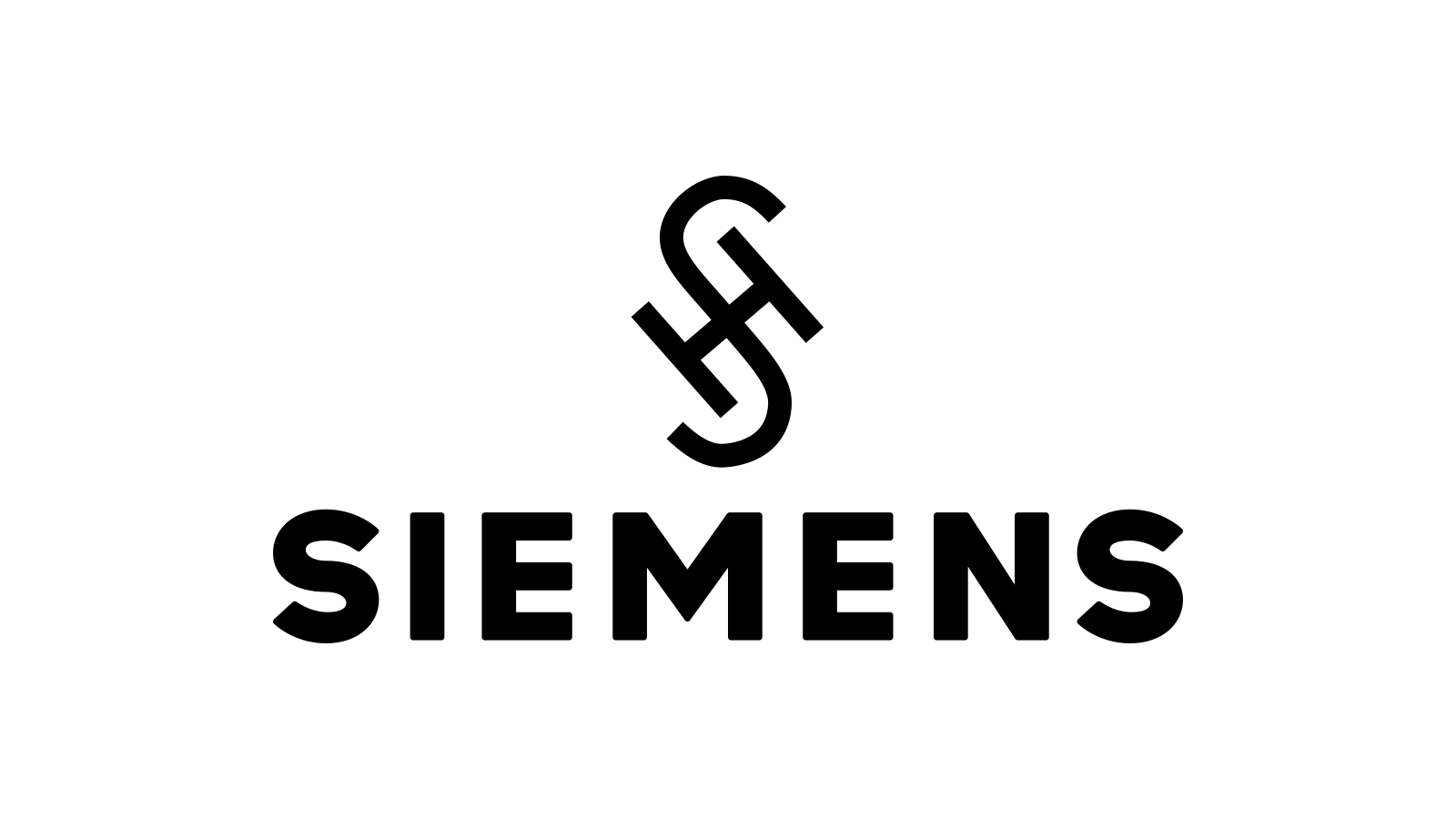
The Siemens name joins the S&H symbol, moving recognition from a specialist monogram toward a public wordmark.
The symbol drops away and the uppercase Siemens wordmark becomes the system-wide recognition device.
Teal gives the established wordmark a distinctive current cue across Siemens businesses and systems.
Product and service lineage.
For Siemens, product proof runs from early engineering to factories, buildings, trains, software, and healthcare adjacency.
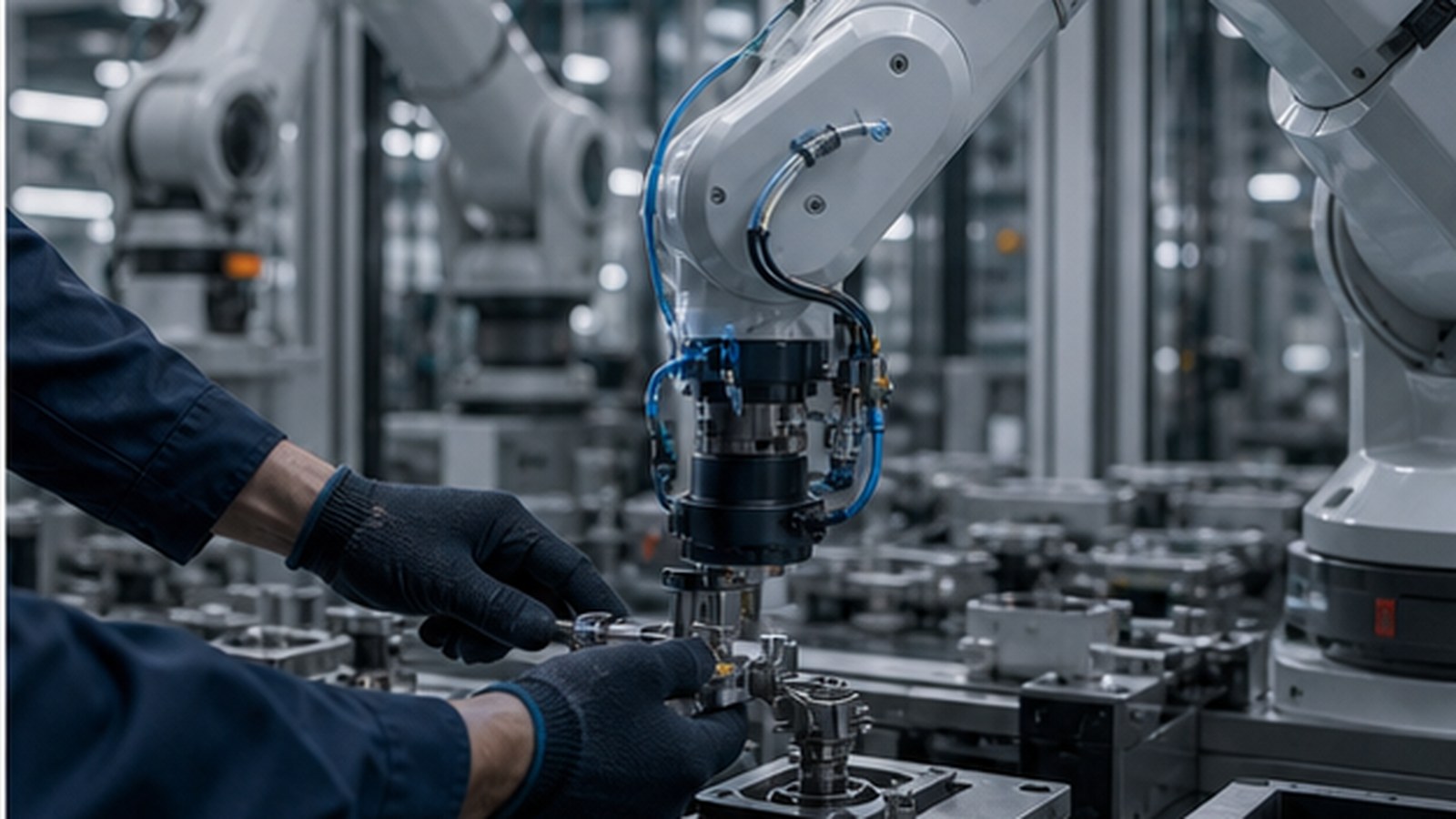
Factory robotics make the system tangible
Robotics and production equipment turn industrial software and automation claims into visible factory proof.
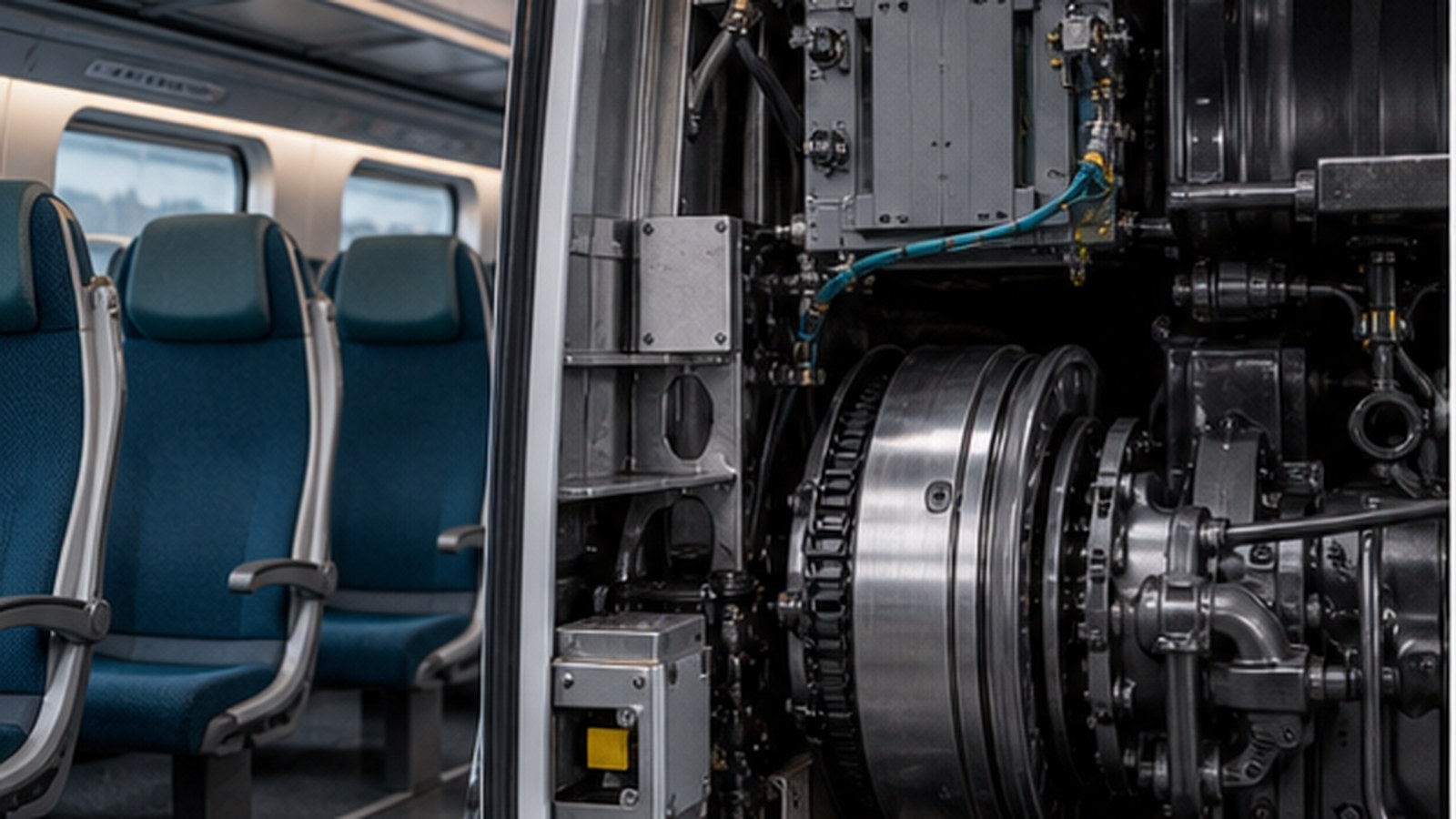
Mobility proof needs real equipment
Rail engineering detail makes the Mobility business legible through equipment rather than abstract transformation language.
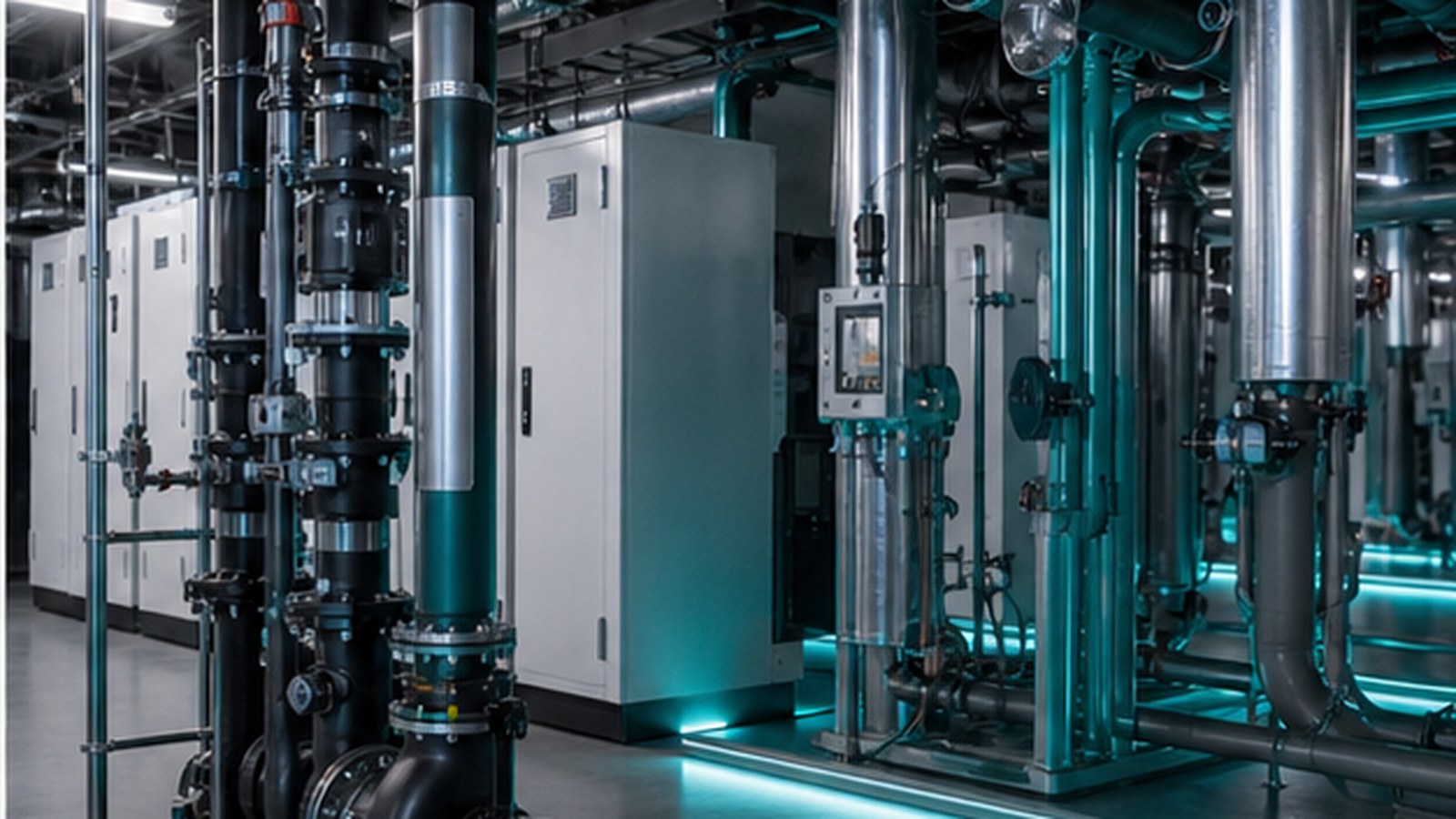
Infrastructure makes the brand useful
Building systems and energy equipment show where Smart Infrastructure becomes useful in everyday operation.
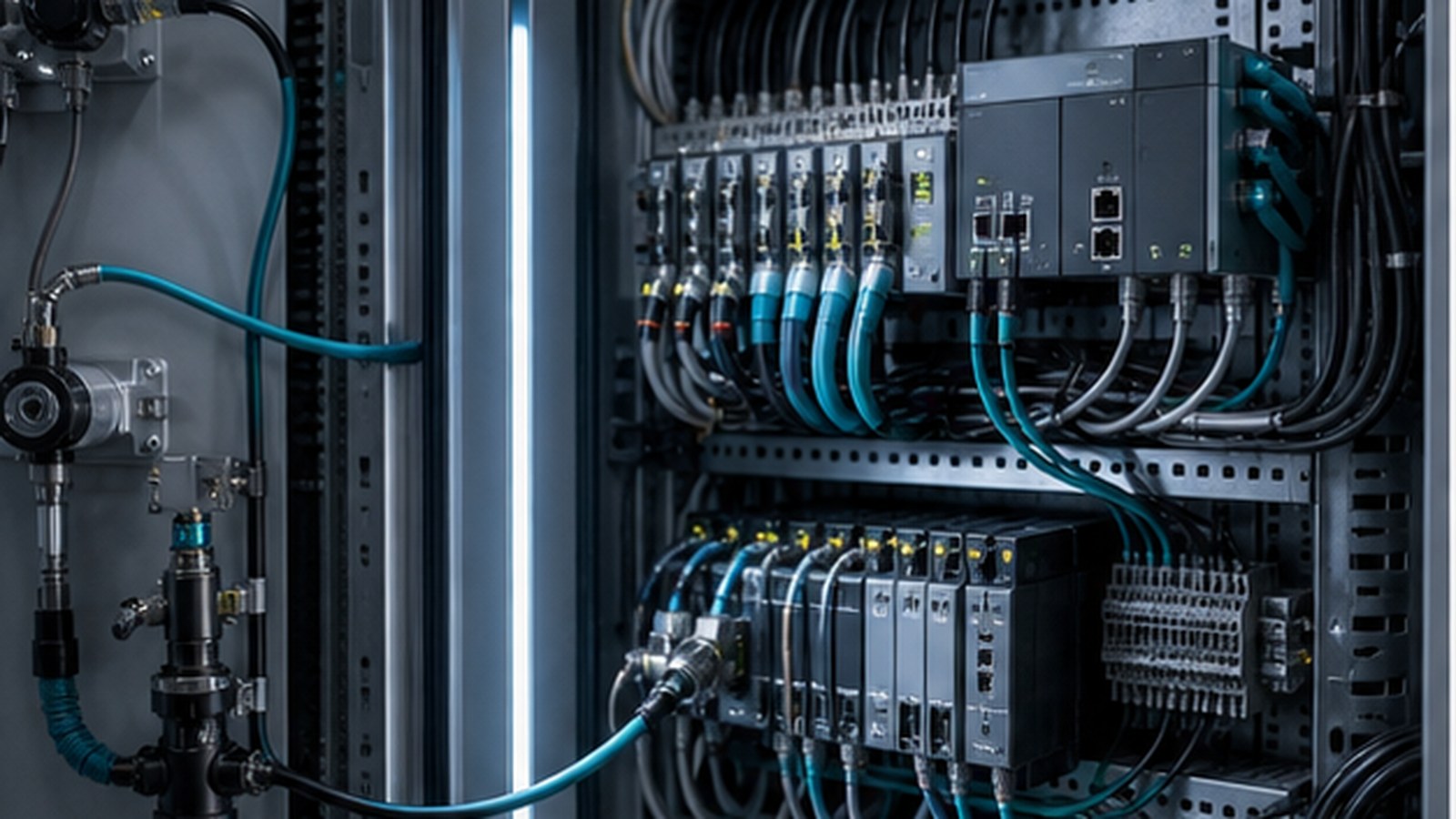
Service keeps infrastructure dependable
Maintenance work makes service continuity and long-term infrastructure dependability visible.
Product and service system
Siemens & Halske begins with telegraph engineering.
Dynamo and electrical engineering proof expands the system.
Automation, medical, transport, and infrastructure lanes broaden the mark.
Siemens reports large-scale industrial finance across current business units.
Turning points.
Events that changed what buyers could see, buy, repeat, or trust.
Werner von Siemens and Johann Georg Halske establish the engineering business around practical communications technology.
Three predecessor companies merge under Siemens AG, concentrating a complex industrial system behind one public name.
The separation makes entity labeling essential: Siemens AG, Siemens Energy, and Siemens Healthineers are related but distinct.
FY2025 revenue and attributable net income connect the brand promise to audited operating performance.
Siemens Energy and Siemens Gamesa are preparing to move under the independent Omterra brand; this is not a Siemens AG rebrand.
Public reaction.
The useful reaction is about trust and pressure, not sentiment counts.
Buyers trust Siemens, but the public often needs examples to understand it.
Failures are felt even when the brand is not noticed.
Transformation copy works only when attached to real systems.
Full timeline.
Siemens & Halske is founded. Source
Early self-exciting dynamo technology illustrates electrical engineering proof. Source

Siemens AG becomes the unified corporate form. Source
Industrial software and automation become central proof lanes. Source
Siemens expands industrial automation and software-era system proof. Source
Siemens reorganizes around focused operating groups and infrastructure lanes. Source
Siemens Energy becomes independent. Source
Siemens reports FY2025 revenue and income at large industrial scale. Source
Steal / avoid.
- Make invisible systems visible with product proof.
- Label business units before using scale claims.
- Keep technical trust attached to operating evidence.
- Do not use generic transformation copy.
- Do not confuse Siemens AG with Siemens Energy or Healthineers.
- Do not let teal become decoration without system proof.
Short answer.
Siemens began as Werner von Siemens and Johann Georg Halske's telegraph workshop in Berlin in 1847. Siemens Energy became a separate company through the 2020 spin-off. Their shared name does not make their shares, financial results or business portfolios interchangeable.
Frequently asked questions
What was Siemens originally called?
Werner von Siemens and Johann Georg Halske established Telegraphen-Bauanstalt von Siemens & Halske in Berlin in 1847. The workshop made the pointer telegraph designed by Siemens. Its original name and product place the company’s origins in electrical communications, before the later industrial businesses.
Are Siemens and Siemens Energy the same company?
Siemens AG and Siemens Energy AG are separate companies. Siemens spun off its energy business in 2020, and Siemens Energy began trading on September 28 that year. The shared name reflects their history; it does not make their shares, financial results or business portfolios interchangeable.
Who founded Siemens?
Werner von Siemens and Johann Georg Halske established their Berlin telegraph workshop in 1847. Its first product was the pointer telegraph designed by Siemens.
Who makes Siemens home appliances?
Siemens-branded home appliances are made and marketed by BSH under a trademark licence from Siemens AG. BSH also licenses the Bosch name from Robert Bosch GmbH. The Siemens badge on an appliance therefore identifies a licensed consumer brand; it does not mean Siemens AG's industrial business manufactures that appliance.
Are Bosch and Siemens the same appliance brand?
They are separate brands in BSH's appliance portfolio. BSH identifies Robert Bosch GmbH as the owner of the Bosch trademark and Siemens AG as the owner of the Siemens trademark, and uses both under licence. Sharing an appliance company does not establish that two particular models have identical features, parts or specifications.
Need help with your own brand?
Use Private brand work when your name, identity, proof, or message needs a sharper branding decision.
Sources.
Use the education shelf for the concepts behind this brand page.
Private brand workUse this when the decision belongs to your own brand.
All brandsReturn to every brand page.
- Siemens businesses
- Siemens AG logo source
- Siemens source images
- Siemens history
- Siemens investor relations
- Siemens annual reports
- Siemens Annual Report 2025
- Siemens share capital and key figures
- Siemens historical Xetra price
- Dated EUR-to-USD reference
- Siemens & Halske 1899 mark
- Siemens & Halske 1936 mark
- Siemens 1973 wordmark
- Siemens Energy Omterra announcement
- Siemens official source
- Siemens official source


