Archive Status
Active Brands
The operating-brand side of The Brand Archive: current companies, continuing brand systems, live strategic resets, and unresolved status-watch files.
- Lane files
- 409 Operating or unresolved brands
- Separated
- 25 Terminal files kept apart
- Page
- 17/18 Case-list pagination
Short Answer
Active Brands collects Brand Archive cases where the brand, company, platform, product system, or parent organization is still operating, continuing, or unresolved.
Shelf Rule
Operating status gets its own shelf.
An active brand file means the organization, product system, platform, or parent brand is still in motion. It is not praise.
Status Boundary
Active is operating state, not praise.
Use this lane when the brand, company, platform, product system, or parent organization is still in motion. A bad decision by an active company belongs here until the operating system itself is gone.
Compare these files by present decision pressure: the market is still watching, buying, leaving, forgiving, or waiting for the next move.
Active Brands Case Files, Page 17
Volkswagen / 2015
Volkswagen: Disaster case in Automotive
Volkswagen's emissions scandal turned a technical compliance violation into a global trust disaster because the brand promise itself had been clean engineering.
Volvo / 1959-present
Volvo: Trust System case in Automotive Safety
Volvo built safety visible through a simple human gesture: feed out, stretch, click, and pull taut.
Walmart / 1962-present
Walmart: Brand System case in Retail / grocery / ecommerce
Walmart built low price credible by connecting store scale, buying discipline, logistics, grocery habit, private labels, pickup, delivery, and marketplace reach.
Warby Parker / 2010-present
Warby Parker: Launch case in Eyewear retail / direct-to-consumer
Warby Parker built glasses less intimidating by linking fixed-price frames, home try-on, direct retail, social mission, stores, eye exams, and online selection into one buying habit.
WeWork / 2016-2024
WeWork: Disaster case in Coworking
WeWork did not fail because office space was meaningless. It failed because the narrative, governance, and growth logic outran the underlying economics.
Whataburger / 1950-present
Whataburger: Brand System case in Quick service restaurant / Burgers
Whataburger turned a burger ritual into Texan by joining orange-and-white restaurant cues, built-to-order burgers, five-inch bun memory, drive-thru routines, late-night access, and Corpus Christi origin.
WhatsApp / 2009-present
WhatsApp: Trust case in Private messaging
WhatsApp turned messaging into universal by using the phone number as identity, keeping the interface plain, and making end-to-end encryption part of the default promise.
Whole Foods Market / 1980-present
Whole Foods Market: Trust case in Grocery Retail
Whole Foods Market built grocery trust visible through ingredient rules, supplier review, department standards, shelf tags, and store routines that told shoppers what the chain would and would not sell.
Wii U / 2012-2017
Wii U: Failure case in Gaming
Wii U had real ideas inside it, but the product name and proposition never became as instantly legible as the Wii before it or the Switch after it.
Wildberries / 2004-present
Wildberries: Brand System case in E-commerce / Fashion marketplace
Wildberries turned online fashion into immediate by joining purple parcel cues, pickup points, apparel assortment, fit returns, seller scale, regional coverage, and fast handoff loops.
Woolworths / 1924-present
Woolworths: Brand System case in Supermarket / Grocery retail
Woolworths turned Australian grocery shopping into organized by joining fresh produce cues, national store format, weekly specials, private label, loyalty, supplier standards, and aisle clarity.
X / 2023
X: Rebrand case in Media
The rebrand removed one of the rare consumer internet marks that had become language, not merely a logo.
Xbox / 2001-present
Xbox: Pivot case in Gaming platform
Xbox began as Microsoft's black-and-green console bet, then turned its network, identity system, Game Pass library, and cloud layer into a broader gaming platform.
Xerox / 1960s-2000s
Xerox: Trust case in Office Technology
Xerox won so completely in copying that the market started using the name as the category. The strategic problem became protecting the trademark without losing the cultural advantage.
Xiaomi / 2010-present
Xiaomi: Brand System case in Consumer electronics / AIoT / mobility
Xiaomi built a brand around connected value by linking smartphones, AIoT devices, wearables, retail, software services, and electric-vehicle ambition into one accessible technology system.
Yakult / 1935-present
Yakult: Trust case in Probiotic beverage
Yakult connected a strain story, small bottle, daily habit, home delivery, and research trust long before gut-health language became a mainstream grocery shelf.
Yamaha / 1887-present
Yamaha: Brand System case in Musical instruments / audio / mobility
Yamaha built one mark carry reed organs, pianos, music schools, audio equipment, the YA-1 motorcycle, Yamaha Motor, and later industrial craft because the tuning-fork origin kept the brand anchored in sound.
Yandex / 1997-present
Yandex: Brand System case in Search / Internet services
Yandex turned Russian web navigation into local by joining language search, maps, taxi routes, portal services, daily utility, market familiarity, and service expansion.
YETI / 2006-present
YETI: Brand System case in Outdoor gear / drinkware
YETI turned a hard cooler into a premium outdoor signal by tying durability, ice retention, drinkware, field use, retail display, and community proof into one rugged product language.
YouTube / 2005-present
YouTube: Trust case in Video Platform
YouTube did not merely build a video platform. It built a creator economy, then had to govern monetization, recommendations, safety, and disclosure tightly enough to keep the system trusted.
Zappos / 1999-present
Zappos: Trust case in Ecommerce / footwear retail
Zappos built ecommerce trust tangible by connecting shoe selection, free shipping and returns, phone support, culture, inventory depth, and customer service stories into one retail promise.
Zara / 1990s-present
Zara: Trust case in Fashion Retail
Zara did not win on logo drama or campaign mythology alone. It turned speed, turnover, and tightly edited assortment into like the product customers were really buying.
Zillow / 2006-present
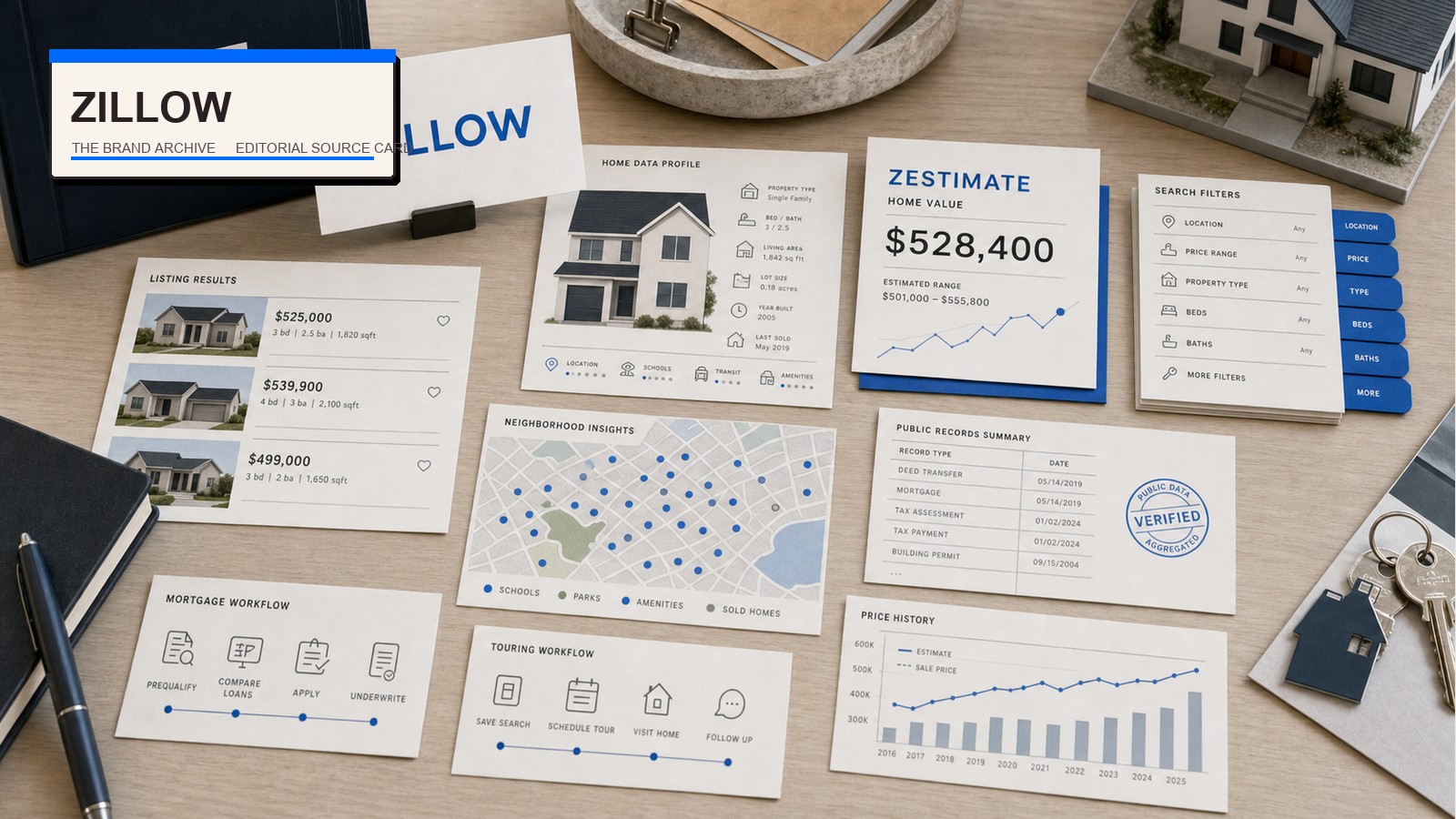
Zillow: Trust case in Real estate search / home data
Zillow turned home search into more transparent by putting listings, maps, public records, filters, and the Zestimate into one consumer-facing real estate data habit.
Zomato / 2008-present
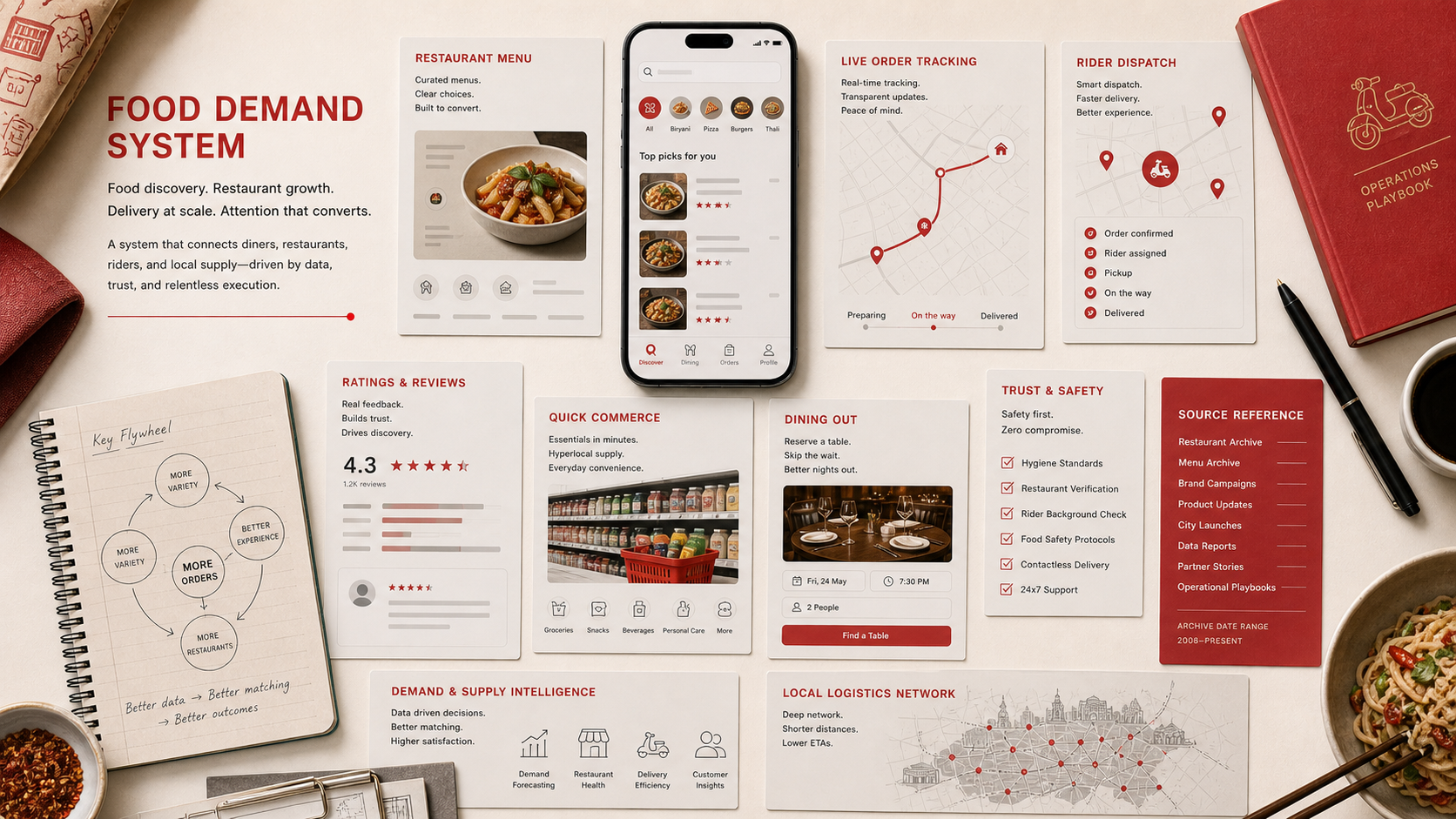
Zomato: Brand System case in Food delivery / restaurant marketplace
Zomato turned food demand into a visible system by linking restaurant discovery, menus, reviews, delivery routes, quick commerce, dining out, trust controls, and local logistics.
Active Brands FAQ
What belongs in Active Brands?
A case belongs here when the brand, company, platform, product system, or parent organization is still operating, continuing, or unresolved.
How is this different from Brand Failures?
Brand Failures are decision-type cases. Failed Brands are status cases. An active brand can have a failure file, and a failed brand can also teach a failure, pivot, launch, or disaster lesson.
Are these rankings?
No. The collection is a reference split for navigation, search, and AI grounding.