Nike
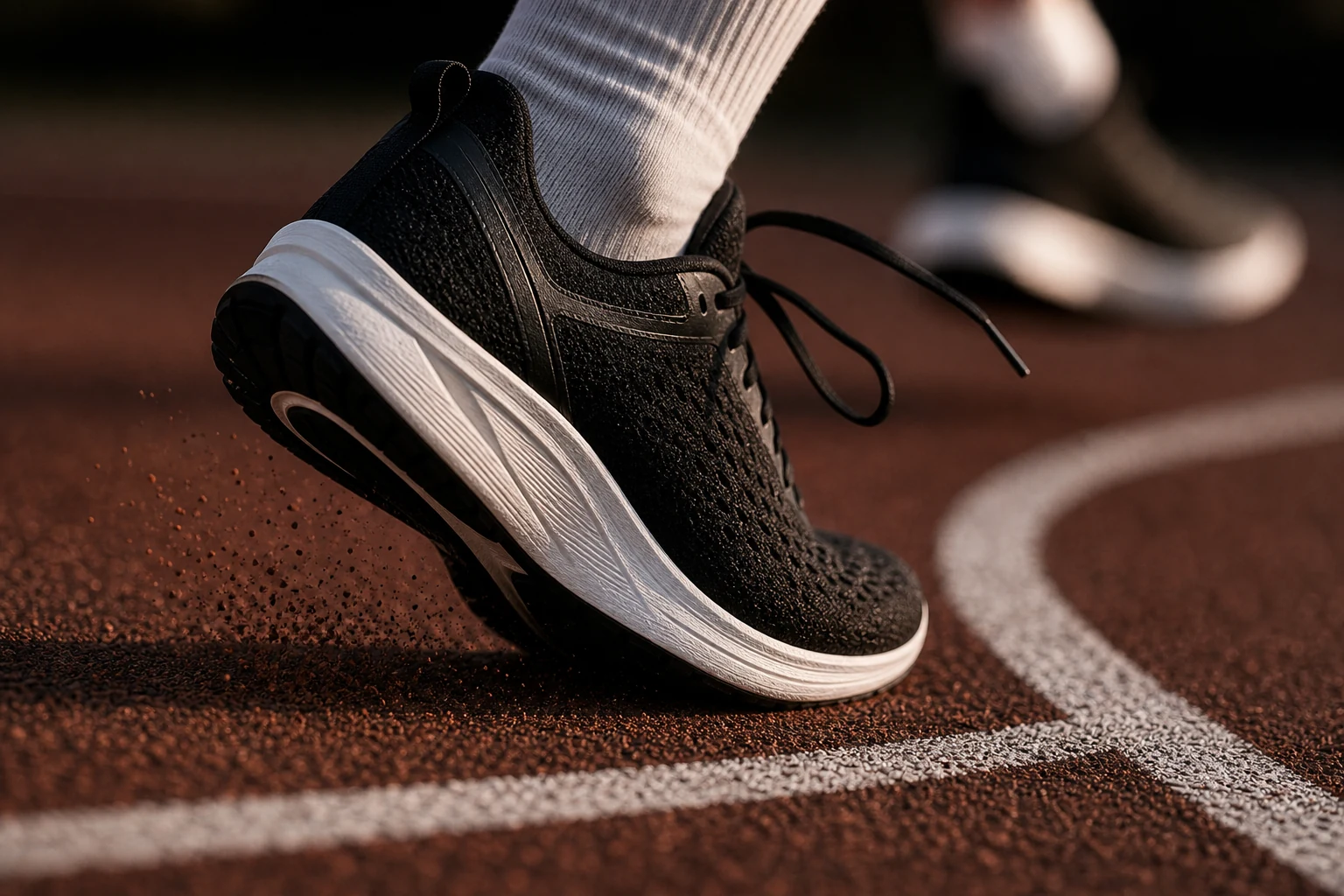
Performance personality appears through motion, challenge, athlete context, and action language.
Branding guide · Decision tool
Use brand personality when the team says friendly, bold, premium, rebellious, careful, or playful but cannot show what those traits change in product, service, price, copy, design, and recovery.
behavior · tone · risk · proof
Pick traits the business can actually perform.
Read the example for the decision behind it: what the brand changed, what the buyer could see, and what proof made the cue believable.
Performance personality appears through motion, challenge, athlete context, and action language.
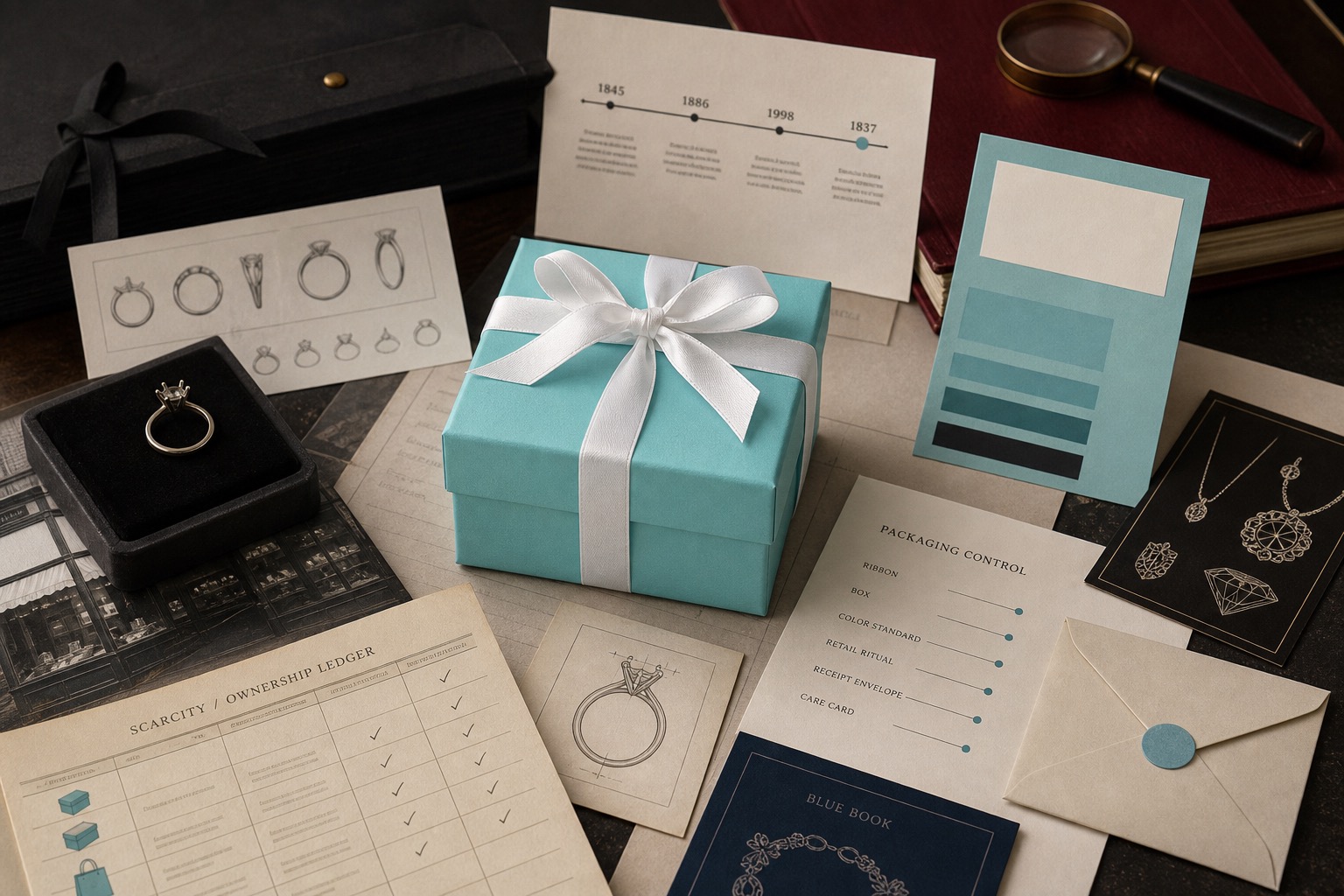
Premium personality comes from restraint, ritual, color ownership, and gifting context.
Accessible personality is carried by speed, familiarity, signage, packaging, and service rhythm.
Authority personality depends on precision cues, ceremony, and ownership signals.
Check the places where the buyer forms the opinion: search, product, support, sales, packaging, reviews, and the first screen.
Most failures are visible before launch if the surface is inspected.
The brand lists five traits nobody can see.
Language acts playful while the product behaves rigidly.
A casual personality handles high-stakes decisions too lightly.
The brand copies the personality everyone in the category already uses.
The brand collapses into legal language when something goes wrong.
Colors, type, and imagery signal a different character than the service.
If a name, color, mark, message, voice, or page is starting to affect sales or trust, get the public-facing decision checked before rollout makes it harder to change.