Grow Your Brand Branding Guide 2026-06-04
Grow Your Brand Plain brand guides for clearer words, stronger proof, and cleaner decisions.

Historical brand decision

Pier 1 Imports: Treasure hunt home decor collapse

Pier 1 Imports tied home decor to browsing, surprise, tactile objects, and a store trip customers later replaced with faster paths.

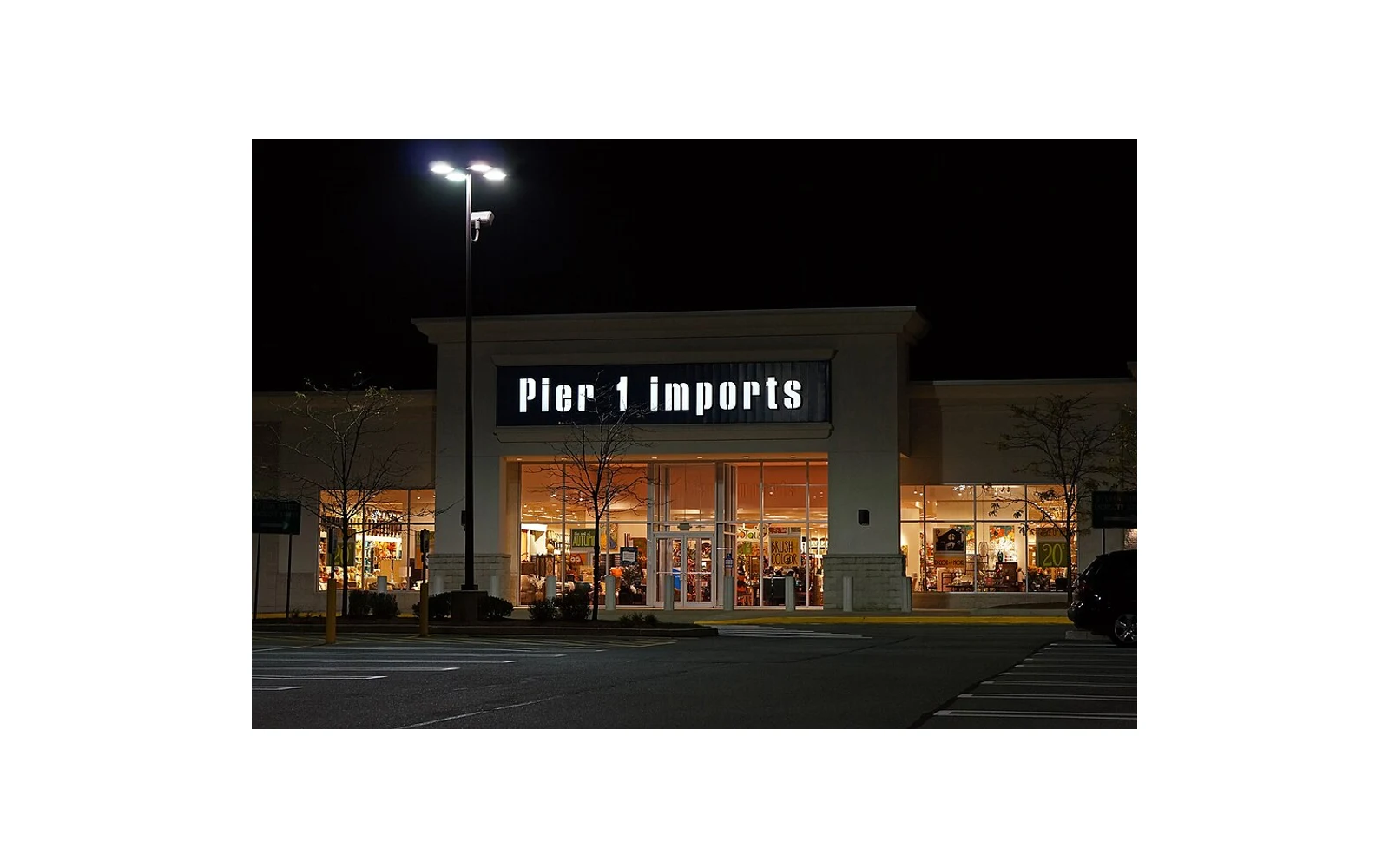
Pier 1 Imports store at night

Pier 1 Imports: Treasure hunt home decor collapse

Historical brand decision ยท 5 sources

Pier 1 Imports store at night. Source image from Wikimedia; not a dated reconstruction of the decision. Image source
In this guide 9 sections
01

Short Answer

Pier 1 Imports: Treasure hunt home decor collapse is a failure case about Pier 1 Imports in 1962-2020 / online remnant. Pier 1 Imports tied home decor to browsing, surprise, tactile objects, and a store trip customers later replaced with faster paths. A retail brand can be remembered for atmosphere and discovery, but the operating path still has to make the trip worth repeating.

02

What Pier 1 Imports teaches

  • Pier 1's own history traces the company to a single San Mateo, California store in 1962.
  • The brand's original strength was a sensory, eclectic home-decor trip rather than a name or logo alone.
  • Pier 1 filed for Chapter 11 in February 2020 while pursuing a sale process and closing hundreds of stores.
  • After buyer options narrowed, the company moved into an orderly wind-down of retail operations and going-out-of-business sales.
  • Retail Ecommerce Ventures later bought the Pier 1 trademark, data, intellectual property, and ecommerce assets, but that preserved a name and online asset base after the store chain failed.
03

What Changed

Pier 1 Imports tied home decor to browsing, surprise, tactile objects, and a store trip customers later replaced with faster paths.

04

Status Note

Pier 1 belongs in Failed Brands because the specialty store chain that built the public memory closed its stores and moved through bankruptcy wind-down. The later ecommerce relaunch keeps the name in use, but it is not the same store system customers used to visit.

This case reads Pier 1 as a remnant-brand case: the brand asset survived after the operating path that taught the meaning collapsed.

05

The Original Store Job

Pier 1 worked as a browsing trip before it worked as a furniture seller. The store mixed imported objects, seasonal home decor, rattan cues, tableware, pillows, candles, odd finds, and room-making prompts into a treasure-hunt retail path.

That mattered because home decor often starts before the customer can describe the exact item. The store gave people a place to notice taste, touch materials, compare colors, and leave with a small object that made the room feel different.

06

What The Customer Path Took Away

The weakness was that the discovery trip had to keep earning its place against easier alternatives. Big-box home sections, off-price decor, online search, marketplace selection, faster delivery, and direct-to-consumer furniture brands all took pieces of the old Pier 1 visit.

Once store traffic, assortment clarity, price confidence, and digital convenience weakened at the same time, the brand's atmosphere could not carry the business by itself.

07

Bankruptcy Turned Memory Into Assets

Pier 1 entered Chapter 11 in February 2020 with stores and the website still operating while the company sought a sale. The filing also included plans to close up to 450 store locations and all Canadian stores.

By late May and early June 2020, the case had moved into wind-down. Going-out-of-business sales began across open stores and pier1.com, and the remaining brand value shifted toward inventory, intellectual property, ecommerce, customer data, and the name.

08

The Online Relaunch Is A Different System

Retail Ecommerce Ventures later acquired the trademark, data, intellectual property, and ecommerce assets and relaunched Pier 1 as an online store. That matters because it proves the name still held memory.

It also proves the guide point. A name can be bought, relaunched, and searched after the old retail system has failed. The question for operators is not whether memory exists. It is whether the current system still knows how to earn the next trip.

09

People Also Ask

What happened to Pier 1 Imports?

Pier 1 Imports: Treasure hunt home decor collapse is a failure case about Pier 1 Imports in 1962-2020 / online remnant. Pier 1 Imports tied home decor to browsing, surprise, tactile objects, and a store trip customers later replaced with faster paths. A retail brand can be remembered for atmosphere and discovery, but the operating path still has to make the trip worth repeating.

Why is Pier 1 Imports a failure case?

Pier 1 Imports is filed as a failure case because the visible consequence sits in that decision pattern. Pier 1 Imports tied home decor to browsing, surprise, tactile objects, and a store trip customers later replaced with faster paths.

What can brands learn from Pier 1 Imports?

A retail brand can be remembered for atmosphere and discovery, but the operating path still has to make the trip worth repeating.

10