
Grow Your Brand Branding guides from Grow Your Brand 2026-09-18
Grow Your Brand Plain brand guides for clearer words, stronger proof, and cleaner decisions.

Branding guide · Positioning

Brand positioning: write a statement you can support.

Positioning is the place a brand earns against alternatives. It names who the brand is for, what choice it enters, why it is believable, and what proof carries the claim.

Make A positioning statement with evidence for its buyer, category, difference and proof.
Use A position is clear when the buyer can place the brand and defend the choice without learning internal language.
Check A slogan is not a position, and broad praise words do not create a defendable difference.
Category-entry surface showing how a position connects brand memory to a buying situation.

Brand Positioning

buyer · alternative · proof · choice

A positioning line should make a choice clearer. It should not hide a weak category, missing buyer, or proof gap.
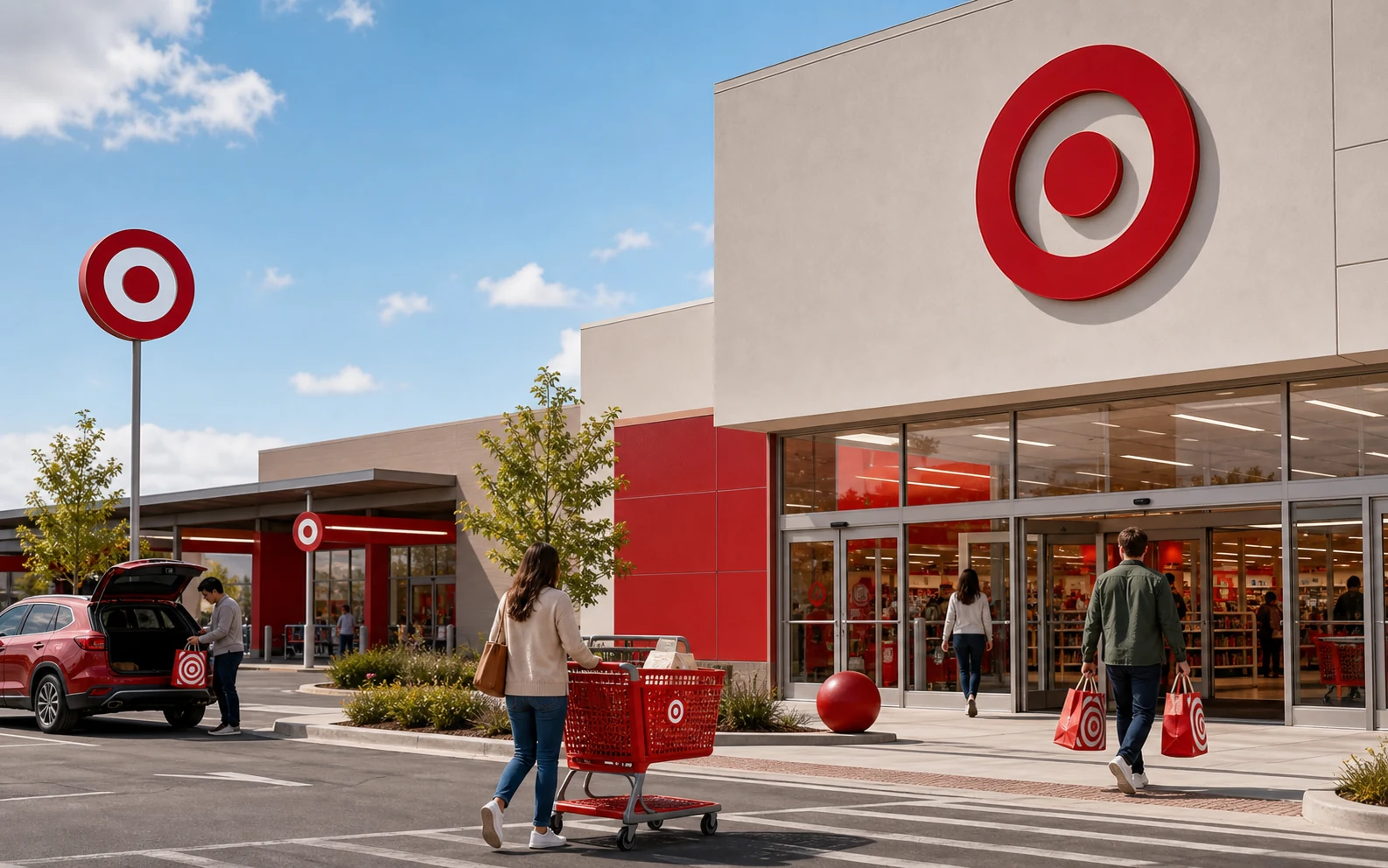
Retail storefront surface showing how category, cue, and proof meet in public.
A strong position reduces explanation. A weak one creates more copy.
01

Brand Positioning: the decisions this guide covers.

How do you define a clear brand position? Define the buyer, buying situation, category, nearest alternative, useful difference, and proof in one inspectable choice.
How do you write a brand positioning statement? Write: For [specific buyer] in [buying situation], [brand] is the [category frame] that [useful difference], because [proof]. Then remove every word that does not change the choice.
02

A completed positioning statement, traced to IKEA's business idea.

The observation is IKEA's published account. The statement is GYB's reconstruction for this lesson, not IKEA's official positioning copy.

GYB reconstruction

IKEA: affordability with an operating explanation

For households furnishing a home on a budget, IKEA is a home-furnishing retailer that combines useful design with accessible prices, supported by high-volume production and long-term supplier relationships.

Observed: IKEA describes functional home furnishings at low prices and explains supplier relationships, automation and volume as parts of its cost approach.

GYB reading: The sentence connects an intended buyer and benefit to operating choices. Budget-conscious households is our inferred audience; the source does not establish superiority over every alternative.

IKEA: About us, vision and business ideaSource checked 2026-09-18
03

Reject the draft that cannot exclude anything.

Rejected exercise draft For everyone who wants the best, our brand delivers innovative quality and a better experience.
Why it fails Everyone names no buying situation. Best has no comparison or proof. The sentence commits the business to no specific operating choice.
Revision rule Replace the broad audience with a buying situation, the adjective with a useful difference and the claim with something the reader can inspect.
04

A clear position must survive five tests outside the strategy deck.

Write the position as a choice, then test each part with buyer and market evidence. If the audience, situation, alternative, difference, or proof stays vague, a polished sentence will still fail in sales, product, and public memory.

A clear position must survive five tests outside the strategy deck.
Position elementQuestion to answerEvidence to inspectFailure signal
AudienceWho faces the decision and who influences or approves it?Buyer roles, language, constraints, and excluded segmentsThe answer is a demographic cloud or includes everyone
Buying situationWhat event, need, risk, or progress makes the choice relevant now?Search, sales, support, usage, and category-entry evidenceThe brand describes itself without naming the moment of choice
Category and alternativeWhat does the buyer believe this is, and what would they use or do instead?Category conventions, substitutes, inaction, incumbent process, and comparison criteriaThe frame is internal language or names only a convenient weak alternative
Useful differenceWhich meaningful advantage or tradeoff changes the choice in that situation?Buyer priorities, operational capability, access, product, service, price, origin, or experienceThe difference is a broad adjective that rivals can claim without changing behavior
ProofWhat can a buyer inspect before believing the difference?Product facts, operating process, terms, access, sources, demonstrations, and bounded outcomesThe position relies on assertion, future intent, or evidence unrelated to the claim
05

Write the statement from evidence, then use it to reject work.

A positioning statement is an internal decision tool, not a public slogan. Complete each input with observed buyer and market evidence, draft the sentence, and test whether it makes real choices easier.

Write the statement from evidence, then use it to reject work.
InputDecision questionEvidence to collectReject when
Specific buyerWhose decision must this position change?Buying roles, constraints, language, and who bears the cost of a poor choice.The description could include nearly everyone in the category.
Buying situationWhat event, need, or risk brings the brand into consideration?Trigger interviews, search language, sales questions, lost-deal notes, and use context.The statement names a demographic but no decision moment.
Category frameWhat kind of choice should the buyer believe this is?Current alternatives, buyer comparison sets, budgets, and category expectations.The frame is invented internally or makes the offer harder to understand.
Useful differenceWhy should this buyer choose this brand in that situation?Priority problems, valued tradeoffs, alternative weaknesses, and operating advantage.The phrase is praise any alternative could claim unchanged.
ProofWhat makes the difference credible before purchase?Product facts, process, access, policies, expertise, demonstrations, and source records.The reason to believe is another unsupported assertion.
Decision ruleWhat should teams stop, start, or refuse because of this position?Offer, message, design, channel, sales, and service implications.The statement cannot reject an off-position idea.
06

Keep a working record.

A positioning statement with evidence for its buyer, category, difference and proof.

Buyer and situation
For [specific buyer] when [trigger or task]...
Category and choice
[Brand] is a [recognizable category] that [useful difference]...
Proof and tradeoff
...because [observable product or operating proof]. We accept [tradeoff] rather than promise [incompatible benefit].
07

Research context and its limits.

These findings provide context for the choices above. Their original dates and scope remain visible; they are not measurements of your business.

Evidence01
Finding

Kantar's 2024 BrandZ ranking drew on opinions from more than 4.3 million respondents about 21,000 brands in 532 categories; the Top 100's total value rose 20% that year.

Read sourceKantar BrandZ 2024 release
Applies to
Global Kantar BrandZ respondent and valuation database focused on large brands.
Does not prove
Proprietary valuation and large-brand evidence do not prove that a positioning statement caused growth or applies to a small firm.
Evidence02
Finding

The 2024 WARC/LinkedIn report says 81% of selected B2B solutions were known to all or almost all members of the buying group at the start, versus 4% selected when only the recommending function knew the product.

Read sourceLinkedIn research 2024
Applies to
B2B buyer-group research attributed to The B2B Institute, Bain & Company, and NewtonX.
Does not prove
Sample-design details are not exposed in the excerpt and familiarity is not the same as differentiated positioning.
Evidence03
Finding

Anderson, Narus, and van Rossum classify customer value propositions into three types: all benefits, favorable points of difference, and resonating focus.

Read sourceHarvard Business Review 2006
Applies to
Management-practice research and best-practice cases in business markets; HBR article by three academic authors.
Does not prove
The public HBR page does not disclose a statistically representative sample, so this is a framework, not a population estimate.
Evidence04
Finding

Harvard Business School's Institute for Strategy and Competitiveness frames a unique value proposition with three essential questions.

Read sourceHarvard Business School current page observed 2026
Applies to
Strategy teaching framework: which customers, which needs, and what relative price/value.
Does not prove
A teaching framework does not validate the final wording with buyers.
08

Brand Positioning: further questions.

Follow-up questions and the limits of the method.

Answer01

What is a brand position in one sentence?

A brand position defines who the brand is for, the buying situation it belongs in, the alternative it replaces, the useful difference it offers, and the proof that makes that difference credible.

Answer02

Is a tagline the same as a brand position?

No. A position is an internal strategic choice that guides product, message, identity, sales, and experience. A tagline is a public line with a narrower memory or communication job and may express only part of the position.

Answer03

How narrow should the target audience be?

Narrow the audience until its buying situation, alternatives, decision criteria and proof needs support coherent choices. Several roles can belong together when they share that decision logic. Expand only when another group can be served without weakening the position; conflicting reasons to choose may require a separate offer or an architecture decision.

Answer04

How can a business test a proposed position?

Ask intended buyers whether they understand the category, value the difference, believe the proof and distinguish the offer from real alternatives. Then check whether internal teams make consistent offer, message, design and service decisions from the statement. Record confusion, indifference, disbelief and delivery limits separately.

Answer05

Can a company use more than one brand position?

A master brand needs one governing position, with controlled emphasis for different offers or buying situations. Different proof and applications can fit that position. Conflicting audiences, promises or reasons to choose need an explicit portfolio or architecture decision rather than contradictory positioning statements.

Answer06

What makes a position defensible?

It is defensible when the difference matters to the buyer, depends on capabilities or tradeoffs the business can sustain, has inspectable proof, and stays coherent across product, service, message, and delivery.

Answer07

What is a practical brand positioning statement formula?

Use: For a specific buyer in a defined buying situation, the brand is the relevant category or alternative that delivers a useful difference, because of inspectable proof. Treat the formula as a completeness check, not the source of the strategy.

Answer08

Should the brand positioning statement appear on the website?

Usually not word for word. Translate the position into clear public messaging, offers, proof, and experience. The internal statement may sound mechanical because its job is to control decisions rather than persuade by itself.

09

Use this for your brand.

Private brand work

Pressure-test the decision before buyers do.

If a name, color, mark, message, voice, or page is starting to affect sales or trust, get the public-facing decision checked before rollout makes it harder to change.

Private work Explore positioning work Use this when a live brand decision needs outside pressure before launch, redesign, or sales review.
10

Useful sources and next pages.

Primary source IKEA: About us Primary observation for the explicitly reconstructed positioning example. Reviewed September 18, 2026. Evidence Harvard Business Review · 2006 Anderson, Narus, and van Rossum classify customer value propositions into three types: all benefits, favorable points of difference, and resonating focus. Scope: Management-practice research and best-practice cases in business markets; HBR article by three academic authors. Limitation: The public HBR page does not disclose a statistically representative sample, so this is a framework, not a population estimate. Brand Messaging Guide Brand Messaging Use this when the position is chosen but the promise needs proof architecture. Work Private brand work Use this when a live brand needs a positioning decision before copy or design. Evidence Kantar BrandZ · 2024 release Kantar's 2024 BrandZ ranking drew on opinions from more than 4.3 million respondents about 21,000 brands in 532 categories; the Top 100's total value rose 20% that year. Scope: Global Kantar BrandZ respondent and valuation database focused on large brands. Limitation: Proprietary valuation and large-brand evidence do not prove that a positioning statement caused growth or applies to a small firm. Evidence LinkedIn research · 2024 The 2024 WARC/LinkedIn report says 81% of selected B2B solutions were known to all or almost all members of the buying group at the start, versus 4% selected when only the recommending function knew the product. Scope: B2B buyer-group research attributed to The B2B Institute, Bain & Company, and NewtonX. Limitation: Sample-design details are not exposed in the excerpt and familiarity is not the same as differentiated positioning. Brand Differentiation Guide Brand Differentiation Guide Stress-test the meaningful difference and its proof. Brand Positioning Examples Brand Positioning Examples Inspect how positioning choices appear across real brand systems. Brand Proof Points Guide Brand Proof Points Guide Build an inspectable evidence ledger behind the chosen difference. Brand Strategy Guide Brand Strategy Guide Connect the position to promise, identity, experience, governance, and measurement. Evidence Harvard Business School · current page observed 2026 Harvard Business School's Institute for Strategy and Competitiveness frames a unique value proposition with three essential questions. Scope: Strategy teaching framework: which customers, which needs, and what relative price/value. Limitation: A teaching framework does not validate the final wording with buyers. Brand Positioning Guide Brand Positioning Guide Resolve the broader market choice before polishing the sentence. Value Proposition Guide Value Proposition Guide Turn the internal position into a buyer-facing value argument.